Industrial Carbon Steel Reducers for Pipelines
Industrial carbon steel reducers for pipelines are crucial parts that connect pipes with different diameters while keeping the system's structure and keeping it running smoothly. The concentric reducer carbon steel type stands out because it has a symmetrical design that lines up the centers of both pipe ends. This makes it especially useful in vertical pipe setups where even flow patterns are important. As a result of reducing turbulence, stopping cavitation, and keeping structure alignment under high pressure, these fittings solve important problems in power plants, chemical processing plants, and oil factories.
Understanding Carbon Steel Concentric Reducers in Industrial Pipelines
Fundamental Design and Functionality
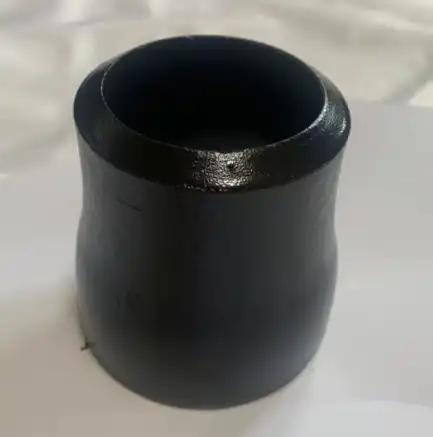
A concentric reducer made of carbon steel has a cone-shaped shape and a diameter decrease that is the same all the way around its circumference. This way of building creates a straight flow path where the larger and smaller ends share a common axis. In situations where symmetrical changes in fluid flow are needed, such as in vertical pump discharge lines and steam distribution systems, the shape plays a very important role. This is because keeping the centerline alignment makes support structures easier to build and lowers vibration stress. The production method usually follows ASME B16.9 guidelines, which ensure that the sizes are all the same, from NPS 1/2 to NPS 48. Each fitting has beveled ends that can be used for butt-welding. This makes structural ties that are leak-proof and can withstand harsh working conditions. These parts are made at our factory in Mengcun Hui Autonomous County using high-tech manufacturing methods that keep the material's qualities during the reduction taper.
Material Standards and Specifications
Carbon steel types are used to make most industrial reducers because they have the best mix of mechanical strength, weldability, and cost-effectiveness. The most common material standard is ASTM A234 WPB, which provides reliable performance in situations with temperatures up to 400°C. The chemical makeup has the right amount of carbon for structural stability while still being flexible enough for cold-forming processes. The schedule classifications for wall thickness are SCH 40, SCH 80, XS, and XXS, which directly relate to pressure levels and pipe requirements for connecting. Schedule 40 fittings are good for general-purpose uses with modest pressure needs. Schedule 80 fittings are better for high pressures, such as those found in steam systems and high-pressure gas transfer. Which schedule to use is based on the estimated hoop stress, the design pressure, and the safety factors required by the rules that apply.
Performance Characteristics Under Operating Conditions
The tensile strength of concentric reducer carbon steel is very high, ranging from 415 MPa to 585 MPa, based on how they were heated and how they were made. Usually, the yield strength is higher than 240 MPa, which is enough to protect against plastic deformation during pressure spikes or temperature changes. These mechanical qualities are the same as or better than those of linking pipes. This feature keeps the reducer from becoming a weak spot in the system of pipes. Standard carbon steel reducers can only handle temperatures between -29°C and 400°C, which is enough for most industrial processes. After this range, different types of alloy steel (ASTM A234 WP11/WP22) are needed to maintain resistance to creep and stability against rust. Pressure ratings change with temperature based on de-rating models that take into account how weak materials become at high temperatures. This issue is something that buying teams have to think about when they are writing specifications.
Comparing Carbon Steel Concentric Reducers with Alternative Solutions
Material Selection Trade-offs
Carbon and stainless steel are the two most common materials for industrial reducers, each with its own benefits. Carbon steel is more affordable and easier to find, which makes it perfect for uses where acidic media aren't the main worry. The material works very well in systems that use dry gas, handle hydrocarbons, or use steam, where protective oxide layers grow naturally. Stainless steel (ASTM A403 WP304/316L) is needed when toxic chemicals, high temperatures, or cleanliness rules say so. The chromium makes passive surface layers that are not easily damaged by chemicals or rust. But stainless steel versions usually cost 300–400% more than carbon steel versions, which has a big effect on project funds. Alloy steel is in the middle. It performs better at high temperatures than carbon steel but costs a bit more than carbon steel.
Concentric Versus Eccentric Configuration
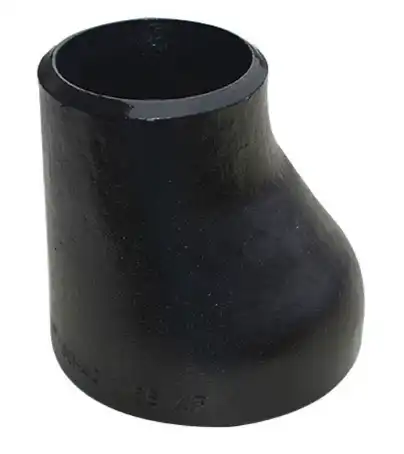
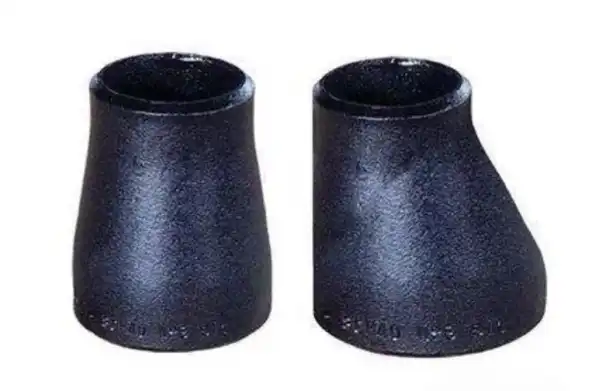
The main difference between eccentric and concentric reducer carbon steels is how their centerlines are positioned. Concentric designs keep the same line at both ends, which makes symmetrical flow changes that work well for projects that go up and down. Eccentric reducers move one edge away from the other, usually lining the flat side to keep air pockets from forming in horizontal lines or meet clearance needs near structural elements. In vertical pump discharge uses, concentric reducer carbon steel is always used because there are no risks of air buildup in upward flow designs. The balanced design makes sure that the speed is the same across the whole pipe, which reduces corrosion patterns and pressure loss. When looking at horizontal pipe systems, you need to be cautious. For example, eccentric reducers that are oriented flat-side-up keep vapors from getting trapped in liquid service, while flat-side-down designs work best for gravity drainage.
Manufacturing Methods and Quality Implications
Seamless production uses hot forming to make reducers from solid pipe pieces, so there are no lengthwise weld seams. This method provides better structural stability and consistent mechanical qualities, which is why seamless fits are better for high-pressure or cyclic loads in critical service applications. Our production plant has special shaping tools that can make reducers that are seamless up to NPS 24. Welded reducers use formed plate pieces that are joined with lengthwise welds. They are cheaper for bigger sizes where seamless production isn't possible. Modern welding techniques and heat treatment after the welding process make sure that the weld zones have the same mechanical qualities as the base material. When deciding between seamless and welded construction, you weigh performance needs against cost, and seamless versions usually cost 20 to 30 percent more.
How to Choose and Install Carbon Steel Concentric Reducers: A Practical Guide?
Selection Criteria for Optimal Performance
The first step in choosing the right reducer is to make sure that the pipe sizes, plans, and material grades match the ones that are already in place. To ensure the butt-weld joint geometry is correct, the fitting must fit the exact outside sizes of the pipes that are joining. Specifications for purchases should include references to relevant standards (like ASME B16.9 and ASTM A234) and pressure-temperature rates that come from estimates used in the system's design. The operating conditions determine the material type. For example, standard carbon steel is fine for temperatures below 400°C, but alloy steel variants are needed for work at higher temperatures. In corrosive settings, protective coats, cathodic protection compatibility, or new materials need to be looked at. Flow velocity estimates help figure out if the diameter transition rate will lead to too much turbulence or erosion, especially when the particles are watery or abrasive.
Installation Best Practices and Welding Techniques
To ensure smooth assembly, you must carry out alignment, joint preparation, and welding with great care. Pipe ends need to be cut squarely with sides that are sharpened at the same angle as the reducer, which is usually 37.5 degrees. During tack welding, internal alignment tools keep things level, which stops high-low conditions that can cause stress clusters and possible leak tracks. When welding, the right approved WPS (Welding Procedure Specifications) should be used based on the type of material and the thickness of the wall. Carbon steel needs to be heated up to between 95°C and 175°C, based on its thickness and the temperature of the air around it. This stops hydrogen cracking in the heat-affected zone. Multi-pass welding with temperature control between passes makes sure that the metal is fully fused and that the grain structure is correct. For Schedule 80 and heavier fittings used in pressure tank applications, heat treatment after welding is now required.
Corrosion Protection and Maintenance Strategies
Preparing the surface to get rid of mill scale, rust, and other contaminants is the first step in protecting against rusting from the outside. Coating systems should be made to fit the parent pipe's requirements. Epoxy-based paints, fusion-bonded epoxy, or polyethylene wraps for underground service are all popular options. Depending on the properties of the process fluid, different ways to stop internal rust include injecting a chemical inhibitor or applying an internal coating. Ultrasonic thickness measures should be done on a regular basis at the reducer's transition zone, where flow turbulence speeds up wall loss. Inspection times depend on how fast the rust is happening and how much corrosion tolerance is left. Our quality system is ISO 9001:2000 approved, and it makes sure that every reducer that leaves our plant has material certifications, heat numbers, and non-destructive testing results that make it easier to track its life cycle and plan for upkeep.
Procurement Insights: Buying Carbon Steel Concentric Reducers for Industrial Projects
Evaluating Supplier Credentials and Certifications
Choosing a reliable supplier is the first step to a successful procurement result. Quality management system standards, such as ISO 9001, demonstrate a company's dedication to using uniform production methods and keeping track of its products. Regulatory authorities give specialized equipment manufacturing licenses to make sure that production sites meet safety and technical standards for pressure-retaining parts. Material test reports (MTRs) show the chemical makeup of steel and make sure that its mechanical properties are correct. They can be linked to specific heats of steel. Buyers can check the accuracy of the dimensions, the finish on the surface, and the marking standards before the goods are shipped by using third-party inspection services. We keep detailed records at Oudi that connect every fitting to the certifications of the raw materials used, the production records, and the final test results. This gives buying teams full transparency in quality assurance.
Pricing Factors and Volume Considerations
There are more factors than just size and plan that affect the price of a reduction. Choosing the right material type affects the base price; for example, alloy steel costs 50–100% more than carbon steel alternatives. The way something is made affects the price; for example, smooth production costs more than welded construction because it needs special tools and can't be made as quickly. The number of items you order has a big effect on the price per unit because of economies of scale in buying materials, setting up production, and checking the quality. Our annual capacity of 16,000 tons lets us offer competitive prices for both project-specific amounts and "stock-and-hold" agreements. Another cost factor to think about is lead time flexibility. For example, faster production plans may come with extra fees, while normal delivery times are best for both production efficiency and price.
Documentation Requirements for Compliance
For industrial projects, you need to complete paperwork packages to show that they follow the rules and make managing assets easier. Standard outputs include material test reports that confirm the chemical make-up and mechanical traits, dimensional inspection reports that confirm the product meets the limits set by the specification, and certificates of compliance that prove the product meets the standards. For specific uses, you might need extra paperwork like positive material identification (PMI) reports, impact testing results for low-temperature service, or records of x-ray exams for important uses. Lots of the time, projects that involve exporting need business bills, packing lists, certificates of origin, and fumigation certificates. As an export company that has worked with over 300 customers in 40 countries, we know what paperwork is needed for a wide range of legal settings, from European PED directives to Middle Eastern GOST standards.
Future Trends and Innovations in Carbon Steel Reducers for Pipelines
Advanced Material Development
Metallurgical study is still going on to make carbon steel types that are stronger and less likely to rust. Niobium, vanadium, and titanium are added as microalloys to make fine-grain structures that make the metal stronger while still allowing it to be welded. These new grades make it possible to build walls that are thinner, which lowers the cost of materials and the weight of installation without lowering the pressure values. New developments in surface cleaning make things last longer in tough settings. Thermal diffusion processes create surface layers that resist weathering and abrasion. In addition to making topcoat systems stick better, conversion coats protect against rust temporarily during storage and building. These technologies solve certain problems in situations where regular carbon steel quickly breaks down, such as when moving mud or handling created water.
Digital Integration and Quality Assurance
Through real-time process tracking and data processing, smart manufacturing technologies are changing how reducers are made. Automated dimensional checking systems use laser scanning to check complex shapes more accurately than by hand. Digital documentation platforms make records that are checked by the blockchain and can be tracked from the time the steel is made to the time it is installed. This solves the problem of theft in global supply chains. Radio-frequency identification (RFID) tags that are built into parts during production make it possible to keep track of assets throughout the entire project lifecycle. During building, these systems make it easier to keep track of supplies. During operation, they help with scheduling maintenance, and during plant changes, they provide retrieval information. When extra parts integrate with computerized maintenance management systems (CMMS), planning replacements and stocking relies on real-world service conditions instead of theoretical calculations.
Sustainability and the Way Supply Chains Work
Environmental laws are having a bigger impact on how we choose materials and evaluate suppliers. Because of their small carbon impact, we favor local suppliers and producers who show they can use energy-efficient production methods. Using recycled steel in raw materials lowers the energy that goes into making something while keeping its performance. This meets the sustainability goals of the company without sacrificing technical needs. Problems in the global supply chain have caused buying strategies to change, moving toward broader supplier networks and more strategic placement of goods. Long-term partnerships with makers like Oudi protect supplies by reserving capacity and allowing for flexible shipping times. These connections allow for collaborative product creation, customization of specifications, and technical help that goes beyond the normal supplier-buyer relationship.
Conclusion
Concentric Reducer Carbon Steel is still a crucial part of pipeline systems that work in the infrastructure, power generation, chemical, and oil and gas industries. Procurement professionals can make smart choices that balance performance needs with budget limits when they understand the technical differences between concentric and eccentric shapes, the effects of material grade, and the different ways things are made. You can keep the total cost of ownership (TCO) of an object as low as possible by selecting, installing, and maintaining it correctly. In increasingly complex industrial settings, projects are more likely to succeed when they work with well-known makers that offer full licenses, technical know-how, and proven global supply capabilities.
FAQ
What distinguishes concentric reducers from eccentric designs?
A concentric reducer carbon steel keeps the centerlines of both pipe ends aligned. This makes symmetrical flow changes that are perfect for setups that go up and down. One side of an eccentric reducer is moved away from the other to keep air from getting trapped in horizontal liquid lines or to give structures room to move. The choice is based on the direction of the pipes and the process's needs.
How can buyers verify reducer quality and certifications?
For quality assurance, you need to look at test results on the material that prove its chemical makeup and mechanical properties, records of dimensional inspections that show it meets specifications, and ISO certifications that show the manufacturing process is consistent. Third-party inspection services provide reassurance by verifying the accuracy of the paperwork and ensuring the product meets physical standards.
What installation considerations impact performance and safety?
Some important things to consider when installing something are making sure it is aligned correctly and stays concentric, using qualified welding techniques with the right preheat and interpass temperature control, and, if required by code, applying heat treatment after the welding process. The quality of the joint preparation has a direct effect on the stability of the weld. The design of the support must account for heat growth and system loads without putting too much stress on the reducer.
Partner with Oudi for Reliable Concentric Reducer Carbon Steel Solutions
Oudi has been making things for more than 25 years and can help with industrial plumbing projects that need reliable carbon steel concentric reducers. Our factory in China's fitting manufacturing hub is ISO 9001-certified and uses cutting-edge manufacturing tools and strict quality control to make sure that every reducer meets foreign standards like ASME, ASTM, DIN, and JIS. In Europe, the Americas, Africa, Southeast Asia, and the Middle East, we serve the oil and gas, chemical, power production, and building industries with a wide range of products made from carbon steel, stainless steel, and alloy steel. As a certified supplier of carbon steel concentric reducers, we maintain a 16,000-ton annual capacity, supporting both big projects and ongoing supply deals. Working together with procurement workers, our expert team chooses the best materials, schedules, and designs for each application. Complete paperwork sets make it easier to obey the rules, and low prices show that the manufacturing process is working well. Email our team at oudi-04@oudiguandao.com to discuss the details of your project, get quotes, or find out how our solutions can help you with your pipeline system problems.
References
1. American Society of Mechanical Engineers. (2018). ASME B16.9: Factory-Made Wrought Buttwelding Fittings. New York: ASME Press.
2. ASTM International. (2021). ASTM A234 / A234M: Standard Specification for Piping Fittings of Wrought Carbon Steel and Alloy Steel for Moderate and High-Temperature Service. West Conshohocken: ASTM International.
3. Nayyar, M.L. (2019). Piping Handbook, Eighth Edition. New York: McGraw-Hill Education.
4. Singh, R. (2017). Applied Welding Engineering: Processes, Codes, and Standards, Second Edition. Oxford: Butterworth-Heinemann.
5. McAllister, E.W. (2013). Pipeline Rules of Thumb Handbook: A Manual of Quick, Accurate Solutions to Everyday Pipeline Engineering Problems, Eighth Edition. Houston: Gulf Professional Publishing.
6. Mohitpour, M., Golshan, H., and Murray, A. (2007). Pipeline Design and Construction: A Practical Approach, Third Edition. New York: ASME Press.

Need help finding the right solution with our experts. Please contact us.

SINCE 1998 Your Reliable Pipeline Manufacturer



