High-Quality CS Reducer for Industrial Systems
Choosing the right fitting is crucial for industrial plumbing systems that need to connect pipes of different sizes without any problems. That important part is a CS concentric reducer, which is made of carbon steel and is designed to keep the axis straight while allowing for smooth changes in width. This uniform fitting reduces turbulence, keeps the pressure stable, and ensures that fluid flows consistently in water treatment plants, chemical processing plants, and oil factories. Choosing high-quality carbon steel reducers has a direct effect on how long a system lasts, how safe it is, and how much it costs to maintain over the course of its life.
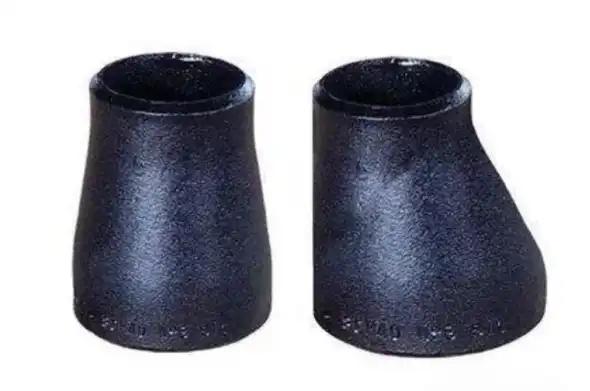
Understanding CS Concentric Reducers: Definition, Uses, and Benefits
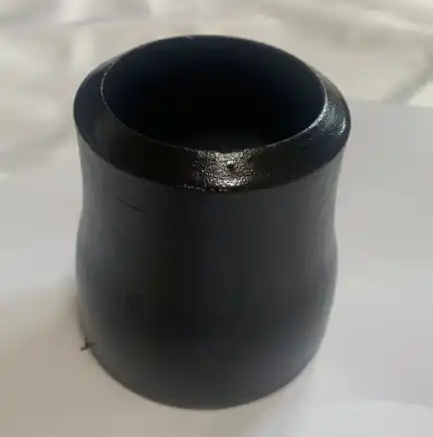
Precision-engineered pipe joints called "CS Concentric Reducers" connect lines of different standard sizes while keeping the same centerline axis. Their cylindrical shape makes a uniform transition zone where the speed of the fluid changes slowly. This stops pressure spikes and turbulence that can damage equipment further down the line or make the process less stable.
Core Design Characteristics
Because they are concentric, the larger and smaller pipe sections stay perfectly aligned with each other. This makes these reducers ideal for vertical pipe layouts where liquid flows up or down. The regular cone shape spreads stress evenly across the fitting when temperature and pressure change. This is why they are preferred in networks that move high-temperature steam and compressed gases. Depending on the size requirements and pressure ratings needed for each application, manufacturing methods usually involve either smooth forming or welding.
Industrial Applications Across Sectors
In heavy businesses where system reliability can't be sacrificed, CS concentric reducers are widely used. These fittings control the flow of crude oil through distillation columns and heat exchanges in oil plants. Chemical plants use them in corrosive settings because carbon steel's qualities make it strong enough while also being cost-effective. They are put in boiler feed systems and wastewater return lines at power plants. For example, companies that process natural gas use it in pressure regulation zones, and water conservation projects use it in large-diameter transmission pipes where running costs are closely linked to flow efficiency.
Performance Benefits
Having the ability to handle pressure is one of the best things about good carbon steel reducers. Materials that meet the requirements of ASTM A234 WPB have a tensile strength of more than 60,000 psi, which means they can keep their shape under the high pressures that are typical in industrial processes. Even though it's not as resistant to corrosion as stainless steel, it's good enough for many non-aggressive media when the right covering systems are added to the base material. These fittings can work with a wide range of materials, such as fuels, water, air, steam, and some chemical solutions. This makes them useful in facilities that do more than one thing.
Comprehensive Technical Specifications and Standards
Technical accuracy separates industrial parts that are stable from parts that could break. When purchasing pipe system parts, procurement specialists and plant engineers need consistency. CS concentric reducers made to known standards give them that.
Dimensional Standards and Material Grades
The production measurements for factory-made wrought steel butt-welding fittings are set by ASME B16.9. This includes concentric reducers with line sizes ranging from 1/2 inch to 60 inches. This standard lists plans for wall thickness, outside diameters, and center-to-end measurements that make sure products from different makers can work together. For general service, ASTM A234 WPB is usually the best material grade to choose. However, for high-temperature uses over 650°F, upgraded standards like A234 WP11 (chromium-molybdenum alloy steel) are available. Chemical makeup rules say that the carbon content must be between 0.30% and 0.40%, and the manganese content must be between 0.60% and 1.35%. This gives the material the mechanical qualities it needs for harsh industrial settings.
Pressure Ratings and Compliance
Pipe schedule numbers correspond to pressure class numbers. Schedule 40 reducers are good for normal working conditions, while Schedule 80 or XXS (double extra strong) versions can handle high pressures. When figuring out the working pressure, safety factors are built into engineering standards and take into account things like the material's yield strength, wall thickness, and operating temperature. Checking for compliance means looking at maker certificates that show ISO 9001:2015 quality management systems and, if needed, special equipment manufacturing licenses for pressure vessel parts. For important uses, third-party testing services from companies like TÜV or Bureau Veritas add extra security.
Installation and Maintenance Protocols
Making sure that the pipe and reducer specs match the design papers is the first step in a proper installation. Pipe ends that are beveled to 37.5-degree angles are ready for full-penetration butt welds that make the joints as strong as the base pipe. Heating carbon steel to 200–400°F before welding stops thermal shock and lowers the stress that is still there in thick-wall fittings. For high-pressure uses, post-weld heat treatment is needed to relieve stresses that could cause cracking. Visual checks for rust on the outside, ultrasonic thickness readings to find erosion on the inside, and x-rays of welds during planned shutdowns should all be part of maintenance plans. Protective coats need to be replaced every so often to keep up their rust shields. In well-maintained systems, this can extend the service life beyond twenty years.
CS Concentric Reducer vs. Alternative Solutions: Making the Right Choice
To choose the right types of reducers, you need to know how differences in design affect the performance of the system and the cost of the project. Because each configuration meets different practical needs, it is important to compare them in a smart way in order to make a good buying decision.
Concentric vs. Eccentric Reducer Comparison
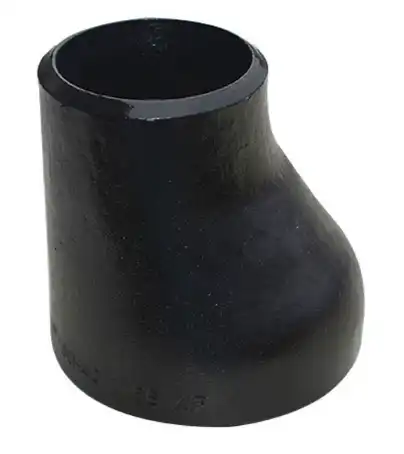
Inclined reducers keep the centerlines of the pipes that are connected straight, while eccentric reducers have centerlines that are offset, which keeps either the top or bottom sides of the pipes that are connected flat. This change makes a big difference in how it can be used. CS concentric reducer shapes work best for uphill runs because they allow for even pressure transfer and erosion patterns. When the pipe is horizontal, keeping the bottom flat is important to avoid vapor pockets in liquid systems and liquid buildup in gas lines. This is where eccentric shapes really shine. In eccentric reducers, the uneven flow path creates higher speeds along the slanted side. This causes localized turbulence that can speed up wear in erosive services. Most normal users prefer CS concentric reducers because they are cheaper and easier to manufacture due to their simpler shape. Eccentric reducers are more expensive, but their unique flow features keep operations running smoothly, avoiding problems that would require expensive changes or pump cavitation.
Material Selection: Carbon Steel vs. Alternatives
For the majority of industrial pipe uses, carbon steel is the best choice because it is strong, easy to weld, and inexpensive. Stainless steel reducers are more resistant to corrosion in harsh chemical conditions and sanitary settings, but they usually cost 300–500% more than carbon steel versions. Ductile iron is a cheaper option for low-pressure water lines, but it can't be welded and can't handle high or low temperatures. Alloy steel types are used in places where carbon steel can't do its job because of high temperatures or specific rusting conditions. The initial buy price is only one part of the total cost of ownership study. Other parts include the work needed for installation, the need for coating, the number of inspections needed, and the expected service life. Because carbon steel is so easy to weld, installation time is shorter than with materials that need special welding techniques. When the right protective coats are used, carbon steel reducers last for decades and cost less over their entire life than most other options.
Procurement Insights: Finding Reliable Suppliers and Managing Orders
Strategic buying of CS Concentric Reducer affects how well projects stay on schedule, how well they stick to budget, and how reliable the system is in the long run. Procurement teams can get the best value while controlling risk well if they understand how the market works and how to evaluate suppliers.
Ordering Parameters and Lead Time Considerations
To specify reducers, you need to talk about the minimum pipe sizes for both ends, the wall thickness schedule, the material grade, and any standards that apply. Custom sizes that aren't in the standard ASME B16.9 ranges require longer wait times, which usually add four to eight weeks to the production plan. Standard-size inventory availability varies by seller. Some common stock sizes are ready to ship right away, while manufacturers wait for an order to be confirmed before making bigger or more specific sizes. If you agree to buy in bulk, you can save 15% to 25% off spot prices. This is a good deal when the scope of the project or the need for upkeep inventory supports the volume promises.
Supplier Qualification Criteria
Manufacturers you can trust have a few key traits that set them apart from sellers of goods. While ISO 9001 certification is a good way to make sure that quality management systems are documented, site audits are the best way to see how well they are actually being used. National regulatory bodies that issue special equipment production licenses confirm that the company is able to make safety-standard pressure-retaining parts. CNC machining centers, hydraulic forming presses, and heat treatment ovens are examples of advanced production tools that can control tolerances closely and keep material qualities stable. Suppliers who focus on quality are different from those who try to cut costs by testing and inspecting products. Chemical analysis, mechanical testing, ultrasound examination, and radiological inspection can all be done in-house in order to make sure the quality is complete before shipping. Allowing third parties to check products shows that you trust and are open about the production process.
Since our company started in 1998, we've helped over 300 customers in more than 40 countries. We've built our name by providing consistent quality and quick expert support. With an annual production capacity of 16,000 tons, we can guarantee a steady supply even during times of high demand. Also, our position near Tianjin Port makes it easy to ship our products to markets in Europe, the Americas, Africa, Southeast Asia, and the Middle East.
Cost Optimization Strategies
The price of CS concentric reducers on the market changes based on the cost of raw materials, the price of energy, and fluctuations in the global steel supply. By building ties with several qualified providers, you can increase competition and protect your supply chain. Long-term contracts that tie price changes to steel product indices protect both buyers and sellers from changes in the market. If you time your purchases to match the production schedules of makers instead of expecting fast delivery, you can avoid paying extra fees that can raise costs by 20 to 30 percent. When you talk about value engineering with expert sales teams, you can often find ways to standardize specs across projects. This can lead to more orders for certain sizes, which is better for the unit economics. By questioning excessively strict tolerances or unusual material requirements when standard grades are sufficient, you can cut costs without affecting performance.
Maximizing Performance: Installation, Maintenance, and Technical Support
To get the best return on investment from carbon steel reducers, you need to pay attention to them throughout their whole useful life. The basis for reliable service is set by using the right installation methods, and proactive maintenance finds new problems before they cause unexpected shutdowns.
Installation Best Practices
Before they are installed, the reducers are inspected visually to make sure they don't have any shipping damage, dents, or covering flaws. Costly installation mistakes can be avoided by making sure that the marks match the specs. Cleaning the inside of the mill gets rid of mill scale and other contaminants that could get into the process systems and cause problems. Positioning reducers with the right amount of support keeps stress from building up at the welds, especially in bigger sizes where the weight of the fittings becomes noticeable. Welding procedures must follow qualified parameters appropriate for the material grade and wall thickness. Cleaning the sharp sides right before welding gets rid of rust and other contaminants. Keeping the root gap and orientation correct stops weld flaws that weaken the joint's integrity. When qualified welders follow the right steps, the products are always the same and meet the standards for radiographic testing. After the weld is done, treatments like stress release and applying a protective layer finish the fitting process.
Maintenance and Inspection Protocols
Visual checks done regularly during operating rounds find external rust, coating wear, or mechanical damage that needs fixing. Ultrasonic thickness readings done during yearly shutdown checks find internal erosion or corrosion thinning before it gets to a critical level. Trending thickness data over multiple check times can be used to estimate how much longer something will last, allowing replacement to be planned before it fails unexpectedly. Cathodic protection systems in buried or submerged applications require periodic testing to verify adequate current levels. Corrosion rates on high-temperature lines are affected by the state of the insulation, so checking the insulation is an important part of routine repair programs. Recording the results of inspections, actions taken to fix problems, and records of replacing parts helps with reliability analysis and guides future buying choices.
Technical Support Resources
Suppliers who partner in the success of their customers are different from transactional vendors because their customers can get informed technical help. Help from application engineers in choosing the right types and materials of CS Concentric Reducer for difficult jobs. Troubleshooting instructions answer questions about installation or problems that come up out of the blue. Traceability is needed for regulatory compliance and failed probes. Documentation like material test results, dimensional inspection records, and quality certificates, can help with this. Our expert team has decades of experience with piping systems and can help customers choose the right materials, follow the right construction steps, and keep their systems in good shape. We keep detailed records for all goods that are shipped, which lets us quickly find paperwork years after the original delivery when changes to the facility need to be confirmed that the installed component specifications are still correct.
Conclusion
Choosing a high-quality CS concentric reducer is a smart choice that affects how well systems work, how much they cost to maintain, and how reliable they are in industry settings. When the right grades, production standards, and quality rules are followed, carbon steel has a long history of working well in tough situations, from refining oil to making electricity. To get the most out of your component investment, you should understand the technical specs, check the qualifications of the suppliers, and follow the right installation and upkeep procedures. This article explains a way to buy things that gives industrial buyers the information they need to make smart choices that meet the needs of both current projects and long-term goals for building performance.
FAQ
What distinguishes concentric reducers from eccentric reducers in practical applications?
The main change is how the centerlines are aligned and how the flow behaves as a result. CS concentric reducers keep the alignment symmetrical, which makes the flow patterns regular. This is great for vertical pipes and other situations where even pressure distribution is important. To keep one edge flat and stop gas pockets in liquid lines or liquid buildup in gas systems within horizontal pipes, eccentric reducers move the centerlines away from each other. Choosing between them is not based on which design works better, but on the pipe direction, fluid phase, and process needs.
What pressure ratings apply to carbon steel concentric reducers?
It's not the type of fitting that affects the pressure number; it's the pipe rate and material grade. Schedule 40 carbon steel reducers can usually handle up to 300 psi of pressure at room temperature. Schedule 80 reducers can handle up to 600 psi. Higher plans and steel grades meet more difficult conditions. Allowable stress values change with temperature, and as working temperature rises, pressure rates drop. Checking the ASME B31.3 Process Pipe Code or other relevant pipe standards is the only way to make sure that the pressure-temperature number is correct for each application.
Can manufacturers provide custom reducer designs for unique specifications?
Custom production can handle non-standard size combos, special types of materials, and size needs that aren't covered by ASME B16.9 ranges. Custom work usually has minimum order amounts and longer wait times because of the need for setting up tools and engineering validation. Accurate quotes can be made by sending precise models with tolerances for sizes, material requirements, and testing needs. Custom reducer solutions are useful in many niche areas, such as ships, offshore platforms, and one-of-a-kind process equipment, where standard stock items can't meet the needs of the design.
Partner with Oudi for Premium CS Concentric Reducer Solutions
We at Oudi have been making high-quality products for 26 years and have a lot of technical knowledge. This allows us to make CS concentric reducers that meet the strictest industrial requirements. Our ISO 9001-certified factory has strict quality control measures in place, from checking the raw materials to doing the final review. This makes sure that every part meets the requirements of ASME B16.9 and your project's specific needs. We are a well-known company that makes CS Concentric Reducer for the oil, chemical, natural gas, and water conservation industries around the world. Our prices are reasonable, and our 16,000-ton annual capacity and good Tianjin Port operations back this up. Email our engineering team at oudi-04@oudiguandao.com to talk about your unique needs, get technical documentation, or get a full quote for your next project.
References
1. American Society of Mechanical Engineers. (2018). ASME B16.9: Factory-Made Wrought Buttwelding Fittings. New York: ASME Press.
2. ASTM International. (2020). ASTM A234/A234M: Standard Specification for Piping Fittings of Wrought Carbon Steel and Alloy Steel for Moderate and High Temperature Service. West Conshohocken: ASTM International.
3. Nayyar, M. L. (2019). Piping Handbook (8th ed.). New York: McGraw-Hill Education.
4. American Society of Mechanical Engineers. (2020). ASME B31.3: Process Piping. New York: ASME Press.
5. Ellenberger, J. P., & Chuse, R. (2017). Pressure Vessel Design Manual (4th ed.). Burlington: Butterworth-Heinemann.
6. Mohitpour, M., Golshan, H., & Murray, A. (2007). Pipeline Design and Construction: A Practical Approach (3rd ed.). New York: American Society of Mechanical Engineers.

Need help finding the right solution with our experts. Please contact us.

SINCE 1998 Your Reliable Pipeline Manufacturer



