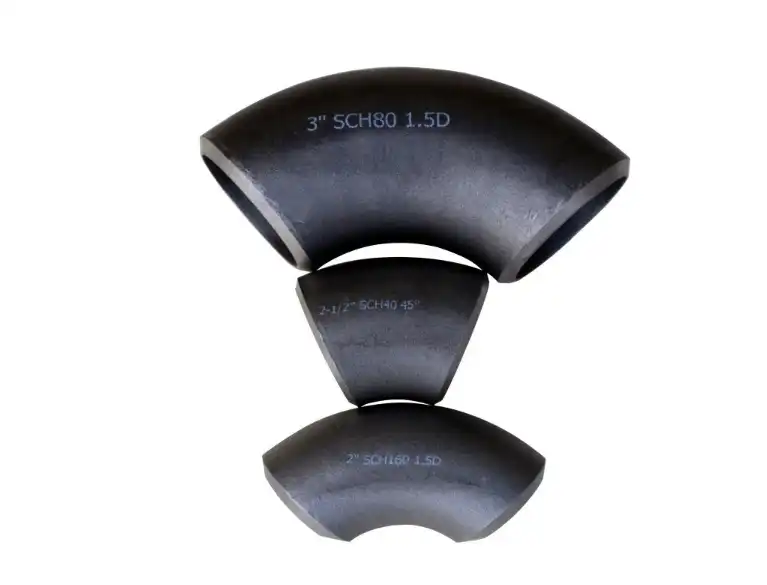
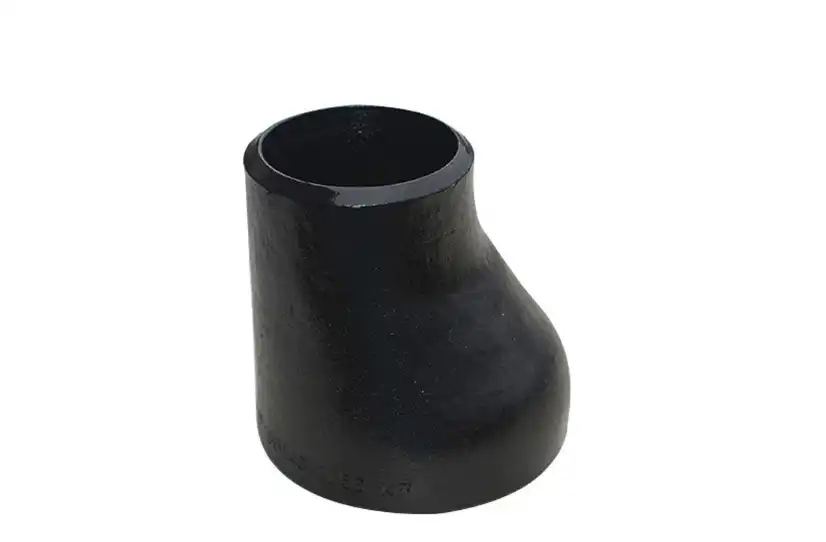
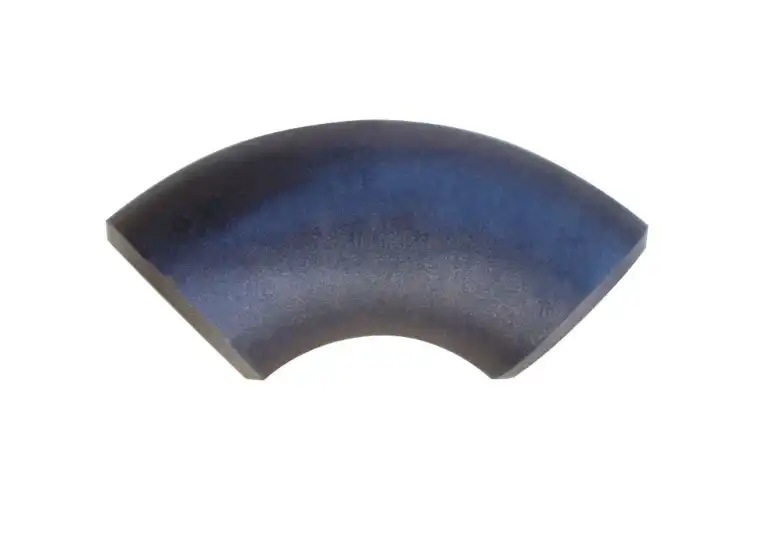
Industrial Precision Elbows for Demanding Applications
When talking about important piping structures in petrochemical Precision-machined elbow plants or high-pressure gas transmission networks, the parts that connect them have to work perfectly in harsh conditions. In these tough settings, industrial precision elbows are necessary to change the direction of flow, and even small changes in size can damage the system. Precision-machined elbows have the exact tolerances and surface finish quality that are needed for high-stakes uses. They are made using advanced CNC processes that make sure that thousands of units work the same way every time. This guide explains to engineers and purchasing managers why precise manufacturing is important when choosing elbows for tasks where failure is not a choice.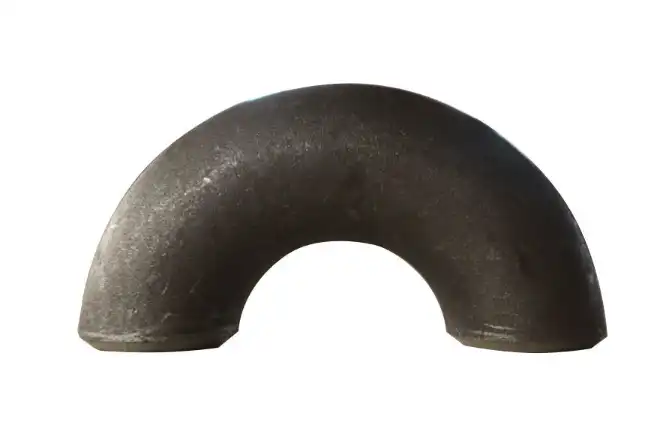
Understanding Precision-Machined Elbows
The distinction between standard pipe elbows and precision-machined variants lies primarily in the manufacturing approach and resulting dimensional accuracy. Standard elbows often rely on casting or hot forming processes that can introduce slight variations between units. Precision machining, however, employs computer-controlled equipment that removes material with exceptional accuracy, creating components that meet tolerances measured in thousandths of an inch.
Manufacturing Techniques That Define Quality
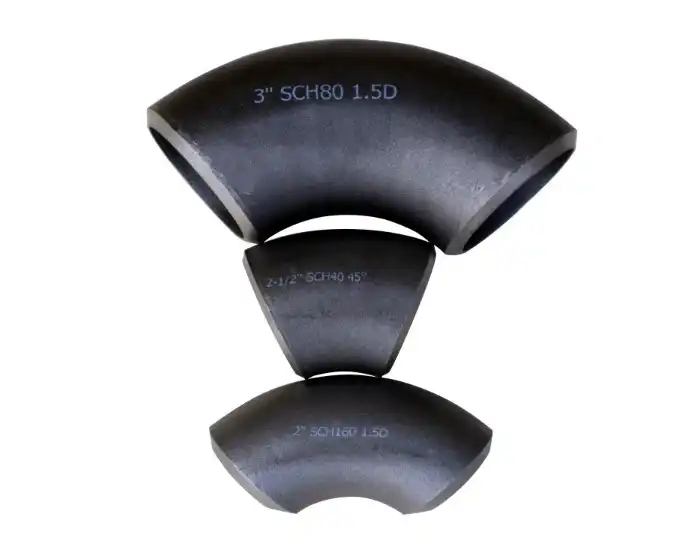
Today's CNC turning and milling centres can easily and consistently turn raw bar stock or forgings into finished elbows. These machines use pre-programmed toolpaths to control the cutting depth, feed rate, and spindle speed. This gets rid of the human factors that can change things when machines are being used by hand. The first step is choosing the material. You can use high-grade carbon steel, stainless steel grades like 316L or 304, or special metals like Inconel or Hastelloy for places where corrosion is a problem. Each material has its own set of mechanical qualities that make it suitable for a range of temperatures, pressures, and chemical exposures. At Oudi, our factory in Cangzhou uses state-of-the-art machinery that has been improved since 1998 to process more than 16,000 tonnes of materials every year. When elbows are machined, they can be made in standard angles like 45 degrees and 90 degrees. Custom angles can also be made if the project needs a flow geometry that isn't standard. Because of this, engineers can make pipe systems that make the best use of room without sacrificing flow efficiency.
Material Selection and Application Matching
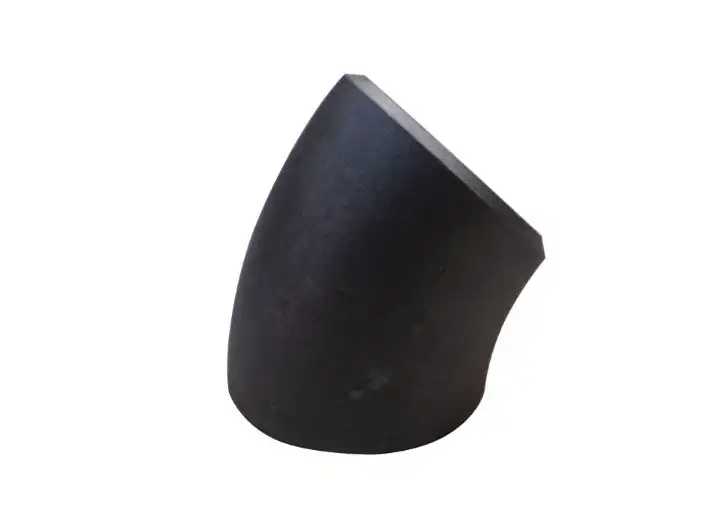
Carbon steel elbows are most often used in water conservation and general industrial piping where efficiency and cost-effectiveness are important. When chemical resistance or cleanliness rules dictate the choice of material, like in the pharmaceutical and food preparation industries, stainless steel variants are needed. Alloy steel elbows work in the toughest situations, like high-temperature steam systems in power plants, handling sour gas in petrochemical plants and cryogenic environments in LNG plants. To choose the right material grade, you need to know how it will be used. Changing temperatures, changes in pressure, and the chemistry of the medium all affect which alloy makeup will last the longest. Our technical team works with sourcing professionals to make sure that the properties of the materials we use match the requirements of the job. This makes sure that the elbows we specify will work reliably for the whole time they are supposed to.
Benefits and Design Considerations of Precision-Machined Elbows
The advantages of precision machining extend beyond simple dimensional accuracy into operational performance areas that directly impact system reliability and maintenance costs. When elbows fit precisely with mating components, installers spend less time aligning connections and experience fewer issues with gasket compression and seal integrity.
Performance Advantages in Critical Systems
Better control over dimensions means better flow patterns in pipe networks. Precision machining creates smooth internal areas that reduce turbulence and pressure drop. This means that the system will need less pumping energy over its entire life. Controlled machining makes the wall thickness uniform, which also makes it possible to predict how stress will be distributed when the elbow is under internal pressure or external loading from thermal expansion. Corrosion resistance is improved when machining creates smooth surfaces without the rough textures or inclusions that are sometimes found in cast parts. A smooth surface makes it easier to prepare the base for protective coatings when needed and cuts down on cracks that could be used to start localised corrosion. These quality factors are especially useful in situations where it's hard to do inspections or where replacing parts needs the system to be shut down for a long time. Tight tolerance control has real effects on the quality of an assembly. If the mating surfaces line up properly without pushing, welders can make full-penetration joints more regularly, and threaded connections can engage fully without the risk of cross-threading. As part of Oudi's quality assurance procedures, we do nondestructive testing and full measurement verification. This helps us keep up with the standards needed for our ISO 9001:2000 certification and special equipment manufacturing licenses.
Critical Design Parameters for Demanding Applications
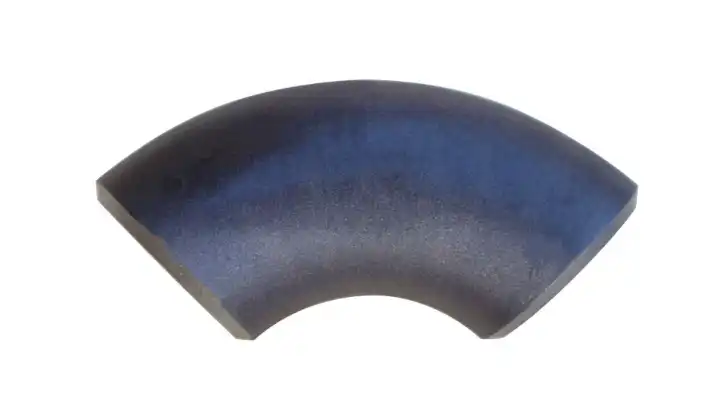
When designing systems with precision-machined elbows, it's important to keep in mind the working parameters that affect the choice of material and the size requirements. Pressure ratings depend on the thickness of the wall, the strength of the material, and the quality of the making. Precision machining is helpful for all three of these factors. When choosing a material and allowing for thermal expansion, temperature plays a role. The coefficient of thermal expansion for the chosen alloy is taken into account in the design calculations. Media compatibility is more than just corrosion resistance. It also includes things like erosion from fluids that are full of particles or stress corrosion cracking in certain chemical environments. For wells that produce hydrogen sulphide, engineers working on oil and gas projects might ask for higher nickel alloys. On the other hand, chemicals handling jobs might need materials that don't rust when exposed to chloride stress. Custom solutions meet specific operational needs that standard catalogue parts can't meet. For example, our engineering team can make elbows based on drawings and specs created just for that project.
Comparing Precision-Machined Elbows with Other Elbow Types
Understanding the manufacturing landscape helps procurement professionals make informed comparisons between available elbow types. Forged elbows offer excellent strength characteristics, with metal grain flow following the elbow contour rather than being interrupted by welding. Cast elbows provide design flexibility for complex geometries but may contain internal porosity that limits pressure ratings. Welded elbows fabricated from pipe sections work well for larger diameters where seamless options become prohibitively expensive.
Performance Trade-offs Across Manufacturing Methods
When consistent dimensions are most important, precision-machined types work best. The surface finish that can be achieved through machining is better than what can be achieved through casting or welding. This makes parts that work better in systems with strict requirements for purity or in situations where changes in flow are important. Manufacturing consistency means that every elbow in a production run will work the same, which makes managing inventory easier and gets rid of worries about differences between batches affecting system performance. When comparing durability, you need to look at more than just the purchase price. You need to look at the total cost of ownership as well. When you add up the costs of fitting labour, system downtime, and disposal, an elbow that costs a little more up front but lasts twice as long- a precision-machined elbow before it needs to be replaced is a better deal. Different types of parts need different amounts of maintenance. Parts that are precisely machined and have smooth surfaces tend to resist fouling better than rougher ones, so you can go longer between cleanings. New developments in additive manufacturing have made 3D-printed elbows useful for specific tasks, like making quick prototypes or shapes that can't be made any other way. While these technologies are still being developed, they aren't as good at finishing the surface or as fast as more traditional methods of cutting for mass production.
Procurement Guide for Precision-Machined Elbows in Industrial Settings
Effective purchasing starts with clearly defined technical requirements derived from system design parameters. Specifications should identify the elbow angle, connection types (threaded, socket weld, butt weld, or flanged), dimensional standard (ANSI, JIS, DIN, or BS), material grade with corresponding test certifications, pressure rating, and any special testing requirements beyond standard quality control procedures.
Supplier Evaluation Criteria
Verification of certification is the basis for evaluating a seller. ISO 9001 certification shows that quality management systems are well-established, while industry-specific certifications, such as Oudi's special equipment manufacturing licensing, show that they follow the rules for making pressure-containing parts. Material test reports, dimensional inspection records, and nondestructive examination documentation are all objective ways to show that parts made meet standards. The ability to manufacture affects both quality and delivery performance. Facilities with more modern CNC equipment can keep tolerances tighter and make shapes that are more complicated than what older machines can do. When projects need to get a lot of things delivered quickly, production capacity is important. Our 16,000-ton annual capacity supports big projects without affecting lead times for smaller orders. Minimum order quantities reflect the economics of manufacturing, with custom specifications usually requiring higher minimum orders than standard catalogue items. When setting prices, businesses should think about how much the materials cost, how long it takes to machine them, how to check the quality, and how much packing they need. Volume pricing often saves a lot of money per unit, but inventory costs must be weighed against price drops per unit when figuring out the best number of units to buy.
Building Reliable Supply Relationships
Long-term relationships with qualified manufacturers offer benefits that go beyond the price of a single transaction. Having good relationships with manufacturers lets engineers work together on designs, and their knowledge can help find ways to improve specs for better performance or lower costs. When suppliers know what a customer usually needs, they can keep the right amount of inventory on hand, which cuts down on lead times and increases the reliability of delivery. Our global service network has helped over 300 customers in more than 40 countries in Europe, the Americas, Africa, Southeast Asia, and the Middle East. Working with a range of industries, from oil and gas in Iran to water Precision-machined elbow conservation projects in Greece, gives you a better understanding of the different rules and problems that come up in each case. Distributors and EPC contractors look for manufacturers who have a history of exporting and can handle the paperwork needed for foreign projects.
Future Trends and Innovations in Precision-Machined Elbows
Manufacturing technology continues advancing, introducing capabilities that enhance both product performance and production efficiency. Hybrid machining systems combine multiple processes within single setups, reducing handling and improving dimensional relationships between features. Five-axis machining centres enable complex contouring operations previously requiring multiple setups, decreasing production time while maintaining precision.
Material and Coating Developments
Some performance problems in demanding uses can be solved by new alloy compositions. Duplex stainless steels have microstructures that are both austenitic and ferritic. They are stronger than regular austenitic types and are less likely to crack from stress corrosion. Nickel-based superalloys are always changing to handle harsher conditions in advanced power generation and aerospace uses. Surface engineering technologies improve performance beyond what base materials can provide. Thermal spray coatings add layers to the surfaces of parts that protect them from corrosion or wear. This makes them last longer in harsh chemical or abrasive conditions. Electroless nickel plating makes uniform coats on even the most complicated shapes, which is useful for parts that need to protect against corrosion and be made to exact measurements. Digital manufacturing technologies are changing how parts go from being designed to being made. As metal 3D printing technologies get better at making surfaces smoother and stronger, additive manufacturing keeps getting better. For now, these methods are only useful for a few specific tasks and for making prototypes. However, they are continuing to improve, which means they may soon be able to do more than just standard machining for some types of parts.
Industry Demand Drivers
Market dynamics reflect growing demand from sectors requiring high-performance piping components. Offshore oil and gas development pushes material and design limits with deepwater applications involving extreme pressures and corrosive environments. Petrochemical facilities processing increasingly challenging feedstocks require materials that resist both corrosion and high-temperature creep. Power generation transitions toward higher efficiency cycles that demand materials capable of withstanding elevated steam conditions. Regulatory environments continue evolving with heightened safety and environmental standards influencing material selection and quality verification requirements. Procurement professionals benefit from staying informed about these trends, as they affect both component specifications and supply chain capabilities needed to support emerging applications.
Conclusion
Selecting appropriate elbows for demanding industrial piping systems requires understanding how manufacturing methods affect performance, reliability, and lifecycle costs. Precision machining delivers dimensional accuracy and surface finish quality that directly translate to improved system performance, reduced installation time, and enhanced operational reliability. Material selection must align with specific service conditions, considering temperature, pressure, and chemical compatibility requirements. Evaluating suppliers based on certifications, manufacturing capabilities, and industry experience ensures access to components that meet stringent quality standards while maintaining competitive project economics.
FAQ
1. What tolerance levels can precision machining achieve for industrial elbows?
Typical precision-machined elbows maintain dimensional tolerances within ±0.005 inches for critical features like centre-to-end dimensions and outside diameters. Surface finish on machined faces commonly achieves 63 microinches Ra or better, ensuring proper gasket seating and seal performance. Thread tolerances follow ASME B1.20.1 standards for NPT connections, with class 2A external threads providing reliable sealing without excessive tightening torque.
2. How should buyers choose between precision-machined and forged elbows?
The decision depends on application priorities and operating conditions. Precision-machined elbows excel where dimensional accuracy and surface finish quality matter most, such as high-purity systems or applications requiring precise alignment. Forged elbows provide superior strength characteristics for the highest pressure applications, with continuous grain flow enhancing mechanical properties. Cost considerations favour machined elbows for smaller sizes and lower volumes, while forging becomes economical for larger diameters and quantity production.
3. Are custom specifications available for unique project requirements?
Manufacturers like Oudi routinely produce custom elbows to project-specific drawings, accommodating non-standard angles, special materials, or unique end connection configurations. Custom manufacturing typically requires engineering review to verify feasibility, followed by prototype production and testing before full production runs. Lead times extend beyond standard products, making early supplier engagement during design phases valuable for projects with specialised requirements.
Partner with Oudi for Your Precision Elbow Requirements
Oudi has manufactured high-quality carbon steel, stainless steel, and alloy steel pipe fittings since 1998, serving demanding Precision-machined elbow applications across petroleum, chemical, natural gas, and power generation industries. Our precision-machined elbow supplier capabilities include comprehensive material options meeting ANSI, JIS, DIN, and BS standards, backed by ISO 9001 certification and special equipment manufacturing licenses. The engineering team at our Cangzhou facility works directly with customers to optimise specifications for your specific operating conditions, whether you need standard configurations or custom solutions. Contact us at oudi-04@oudiguandao.com to discuss your project requirements, request detailed technical specifications, or receive a customised quote. Our global experience supporting over 300 customers across 40+ countries ensures we understand both the technical demands and regulatory requirements of your industry.
References
1. American Society of Mechanical Engineers. (2020). ASME B16.9: Factory-Made Wrought Buttwelding Fittings. New York: ASME Press.
2. Davis, J.R. (2006). Corrosion of Weldments. Materials Park, OH: ASM International.
3. Nayyar, M.L. (2000). Piping Handbook, Seventh Edition. New York: McGraw-Hill Professional.
4. Parisher, R.A. & Rhea, R.A. (2012). Pipe Drafting and Design, Third Edition. Waltham, MA: Gulf Professional Publishing.
5. Smith, P.R. & Zappe, R.W. (2004). Valve Selection Handbook: Engineering Fundamentals for Selecting the Right Valve Design for Every Industrial Flow Application. Burlington, MA: Elsevier.
6. Schweitzer, P.A. (2007). Metallic Materials: Physical, Mechanical, and Corrosion Properties. Boca Raton, FL: CRC Press.

Need help finding the right solution with our experts. Please contact us.

SINCE 1998 Your Reliable Pipeline Manufacturer