Durable High Temperature Pipe Tee Supplier
People who work in procurement need to find a reliable provider of durable high temperature pipe tees who understand the important balance High Temperature Pipe Tee between extreme thermal resistance and structural integrity. When fluids or gases are working at high temperatures—often above 400°C—high temperature pipe tees are necessary branching points in pipe systems. They need to be made of materials and manufactured with precision so they don't break under thermal stress. Since 1998, Oudi has been making pipe fittings out of carbon steel, stainless steel, and alloy steel. These are used in fields where thermal cycling, corrosion resistance, and pressure containment are necessary for safe, ongoing operations.
Understanding High Temperature Pipe Tees — Function, Types, and Specifications
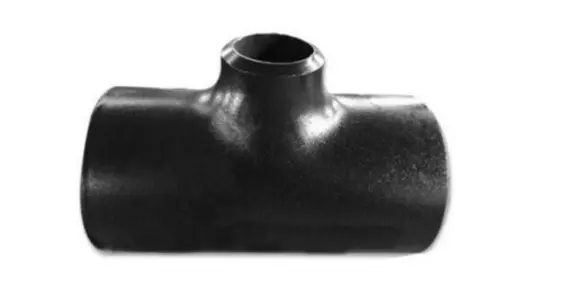
High temperature pipe tees serve as junction components that allow fluid flow diversion or combination within piping networks subjected to extreme thermal environments. Their primary function extends beyond simple directional control; they must maintain dimensional stability, prevent thermal fatigue cracking, and resist oxidation when exposed to temperatures that would compromise standard fittings.
Operating Temperature Ranges and Design Standards
Pipe tees made for high temperatures can usually handle temperatures between 400°C and 650°C, though this depends on the material used and the thickness of the walls. For example, ANSI B16.9, ASME B16.28, and DIN 2605 set the rules for limits in size, maximum pressures, and how to test things. These specifications make sure that foreign projects can work together and that safety rules are followed in facilities that process oil, chemicals, and electricity. The right standards for your project will depend on where it is located, the type of business it is, and any special rules that the government has put in place.
Forged Versus Welded Construction Methods
How the products are made has a big effect on how well they work. Forged pipe tees go through mechanical deformation at high temperatures. This smooths out the grain structure and gets rid of any internal gaps. This makes them stronger and more resistant to fatigue. This method works well for high-pressure situations where the material needs to be as strong as possible where branches meet. Welded tees, which are made by joining pre-formed sections together, are cheaper for bigger diameters and lower pressure classes. When made correctly, both types of construction meet industry standards. However, ASTM A234 testing procedures show that forged variants perform significantly better in thermal cycling conditions.
Material Classifications: Stainless Steel, Alloy Steel, and Carbon Steel
The temperature limits, corrosion resistance, and total service life are all affected by the choice of material. Grades of stainless steel like 304L and 316L are very good at resisting oxidation up to 870°C and are also very good at protecting against rust in acidic or chloride-rich environments. Alloy steel types that contain chromium-molybdenum (P11, P22, and P91) have better creep resistance when exposed to temperatures above 540°C for a long time. This makes them perfect for power plant steam systems. As long as they meet the requirements of ASTM A234 WPB, carbon steel pipe tees are a cheap option for applications up to 425°C where corrosion is not the main worry. Knowing these differences helps procurement High Temperature Pipe Tee teams fit the properties of materials to the needs of operations.
Comparing High Temperature Pipe Tees: Making the Right Choice for Your Project
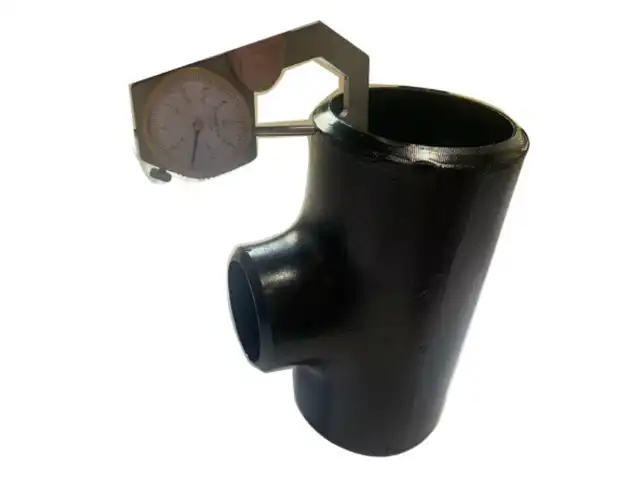
Selecting the optimal pipe tee configuration requires evaluating multiple technical and economic factors that directly impact system reliability and project budgets. The difference between standard and high temperature variants extends beyond simple temperature ratings to encompass metallurgical properties, manufacturing precision, and testing rigour.
Material Performance Analysis: Balancing Cost and Capability
Stainless steel t-shirts are more expensive—usually 200 to 300 per cent more than carbon steel versions—but they last longer and don't rust in harsh chemical conditions. A 316L stainless steel tee in a petrochemical alkylation unit might work well for 20 years or more, but a carbon steel one would need to be replaced every 5 to 7 years because it rusts. Alloy steel is in the middle. It has thermal performance similar to stainless steel but costs 60–70% less. It can be used in clean service uses like steam distribution. Carbon steel tees are still the most cost-effective choice for water systems, natural gas gearbox and other uses where temperature and rust are not too high or too low. Instead of just looking at the original purchase price, procurement teams should figure out the total cost of ownership, which includes the cost of replacements and downtime.
Forged Versus Welded: Durability and Pressure Capacity Considerations
When compared to welded pipes of the same size and material, forged pipe tees always have 15–25% higher burst pressure values. This performance benefit comes from the fact that the grain flows continuously through key stress points, removing weld heat-affected zones that cause microstructural flaws. Welded tees go through more thorough non-destructive testing, like radiographic checking according to ASME Section V, to make sure the weld is strong. This increases the cost of quality assurance. Forged tees are much better for projects with pressure classes above 2500 PSI or cyclical temperature changes, even though the unit costs are 30 to 50 per cent higher. Welded tees can be used safely in lower pressure situations (below 600 PSI), saving money without sacrificing safety.
Price Ranges and Safety Considerations
The prices of high-temperature pipe tees on the market vary a lot depending on their size, material, and how they were made. A normal 4-inch welded carbon steel tee costs between $25 and $45 each, while a similar forged stainless steel tee costs between $180 and $280. Formed alloy steel tees are in the middle, costing between $95 and $150 for the same size. These numbers show how the market is doing right now and change as the cost of raw materials changes. For safety reasons, you need to have proper paperwork for material certification, dimensional verification, and pressure testing. Reliable suppliers do these things as standard, and they add value beyond the price of the commodity.
Applications and Advantages of Durable High Temperature Pipe Tees
Industries operating under extreme thermal conditions rely on properly specified pipe tees to maintain system integrity and operational continuity. The consequences of component failure in these environments range from costly production interruptions to catastrophic safety incidents, making quality selection a critical procurement decision.
Industry-Specific Applications and Performance Requirements
High-temperature tees are used in reactor feed systems, distillation columns, High Temperature Pipe Tee and heat exchanger piping in chemical processing plants, where temperatures regularly reach 450°C and corrosive media attack standard materials. Power plants use alloy steel tees in superheater and reheater circuits that work at 565°C and 180 bar pressure. The creep resistance of the material determines how long the part will last. In crude distillation units, catalytic crackers, and thermal recovery systems used by oil and gas companies, these parts are used because they need to be able to handle high temperatures and hydrocarbons. In ethylene production units, petrochemical plants use high-temperature tees in places where temperatures change quickly, and chemicals are harsh, which makes it hard for materials to work well. Each use has its own set of stresses that must be taken into account when choosing the right material and style.
Core Performance Advantages: Corrosion Resistance, Thermal Stability, and Mechanical Strength
When properly made, high-temperature pipe tees have technical benefits that directly translate into operational benefits and cost savings. Better resistance to rust makes parts last longer, which lowers the number of replacements needed and the costs of downtime. With improved stainless steel tees, a chemical plant that replaces worn-out standard fittings every year could get 10-15 years of service between replacements, which would greatly lower the total cost of ownership. Thermal stability stops changes in size that happen when temperatures rise and fall, which can weaken flange seals and create leak paths. Even when temperature stress, internal pressure loads, and external pipe forces all work together, mechanical strength keeps the pressure inside the pipe. These performance qualities work together to make the system more reliable as a whole.
Addressing Common Challenges: Thermal Fatigue and Material Degradation
Thermal stress is one of the main ways that systems fail when temperatures change a lot. When standard pipe tees are stretched and contracted many times, tiny cracks form at stress concentration points. Eventually, these cracks cause the tee to fail catastrophically. It has been shown that high-temperature versions made from the right metal grades have much better low-cycle fatigue performance. When a refinery put in properly described P91 alloy steel tees in a coker unit, failures that happened every 18 to 24 months stopped happening, which extended the service life past 8 years. Long-term qualities are changed when materials break down due to high-temperature oxidation, carburisation, or the formation of sigma phases. By choosing materials that are stable at working temperatures (through creep testing and metallurgical analysis), you can keep parts from breaking down early or without warning.
Procurement Best Practices for High Temperature Pipe Tees
Effective sourcing of critical piping components requires systematic evaluation of supplier capabilities, product quality verification, and total cost analysis that extends beyond unit pricing to encompass lifecycle performance and supply chain reliability.
Supplier Evaluation Criteria: Certifications and Quality Control
The most important thing that can be done to lower the risk of buying is to look at the sellers' credentials. A company with ISO 9001:2015 certification has set up quality management systems. However, specialised pressure equipment manufacturing licenses, as the one Oudi has from the People's Republic of China, show that the company is even more serious about following the rules and is technically sound. Suppliers should show test reports on materials that show how the chemical make-up and mechanical properties change from one batch to the next. They should also keep records of dimensional inspections that show the materials meet ANSI B16.9 standards and records of non-destructive tests (like an X-ray or ultrasound) that show the materials are structurally sound. A factory with spectrometers, tension testing equipment, and metallographic labs can do their own checks instead of just relying on certificates from raw material mills. We keep this ability to test ourselves at our plant in Cangzhou to make sure that quality control stays the same as we make more products.
Customisation Capabilities, Lead Times, and Inventory Management
It's normal for industrial jobs to need specs that aren't in the catalogue, like sizes that aren't standard, different pressure ratings, or different grades of materials. Certain wants should be met by suppliers without charging too much for longer wait times. Items that are mass-produced usually ship in two to four weeks. However, custom designs can take up to ten weeks, depending on how hard they are to make and how many materials need to be found. If sellers keep a lot of different raw materials on hand, they can cut down on the time it takes to make a custom order. With a production capacity of 16,000 tonnes per year and an integrated supply chain for raw materials, we can keep standard stock on hand and quickly fill special orders. For procurement teams that are in charge of more than one project, it is helpful when suppliers offer consignment inventory programs or scheduled supply agreements that match up when parts are available with when they need to be built.
Total Cost of Ownership Analysis and Price Negotiation
You look at more than just unit prices when you buy smartly. You also look at the total cost to install and the cost over the product's life. A cheaper part that needs to be changed every 5 years costs more over the life of a 20-year facility than a more expensive part that lasts the whole time. This is because of the time and money needed for installation, system downtime, and the process of getting a new part. When negotiating prices, you shouldn't just try to get the unit costs as low as possible. Instead, you should focus on offers of volume, payment terms, and services that add value. When suppliers offer expert advice, help with installation, and quick service after the sale, they add value that can't be put a price on. This value lowers project risk and improves results. Our technical team looks over what the customer wants, suggests the best materials, High Temperature Pipe Tee and provides engineering support as the job is carried out. All of these services are worth more than the price of the things they come with.
Why Choose Oudi as Your Trusted High Temperature Pipe Tee Supplier
Our quarter-century of manufacturing experience positions us as a reliable partner for demanding industrial applications where component quality directly impacts operational success and facility safety. Serving over 300 customers across more than 40 countries demonstrates our capability to meet diverse international requirements and navigate varying regulatory frameworks.
Manufacturing Expertise and Quality Assurance
We have been investing in production technology and quality processes ever since we started doing business in 1998 in Mengcun Hui Autonomous County, which is known as China's pipe fitting manufacturing hub. Our ISO 9001:2000 certification and Special Equipment Manufacturing License show that we handle quality in a planned way from the time we receive raw materials to the time we ship the finished product. Modern monitoring tools allow for thorough testing that meets or goes beyond what the customer wants. We make sure that every high-temperature pipe tee that leaves our plant meets the stated specifications by following full inspection protocols and non-destructive flaw detection tools. Our reputation has been built on this strict method in the oil, chemical, natural gas, and power generation industries, where lowering quality standards would pose unacceptable risks.
Comprehensive Product Range and Customisation Options
You can get pipe fittings made from carbon steel, stainless steel, alloy steel, and combinations of these materials in both forged and soldered forms. Because of this, customers can buy more from a single provider, which makes logistics easier and cuts down on administrative costs. We make things that meet American, Japanese, German, and British standards, so we can meet the needs of foreign projects without sacrificing quality. The same care and quality are given to custom material grades, non-standard sizes, and special testing needs as to standard catalogue items. Engineering support helps customers make decisions about specifications and makes sure that the parts they choose meet the needs of the application.
Global Supply Chain Reliability and Logistics Flexibility
Our strategic position makes it easy to get to Tianjin Port, which is 120 kilometres away. This makes international shipping to Europe, the Americas, Africa, Southeast Asia, and the Middle East more efficient. Together, this logistics infrastructure and our export experience spanning four decades of foreign trade make sure that delivery dates are always met and that all paperwork is correct. We are aware of the difficulties of buying things from other countries, like the need for certifications, shipping paperwork, and customs processes that may cause delays or make it harder to get parts to you. Our well-established export procedures and skilled foreign sales team keep these problems to a minimum, so our customers can focus on completing their projects instead of managing the supply chain.
Conclusion
To find a reliable provider of durable high-temperature pipe tees, you need to carefully look at their manufacturing capabilities, quality control systems, and supply chain dependability. Extreme thermal service has strict technical requirements for materials, manufacturing accuracy, and testing. This sets speciality manufacturers apart from commodity suppliers who can't support important industrial uses. When buying something, deciding based only on the original cost doesn't take into account the project's overall success, which is determined by its lifecycle value and operational risk. We want you to see the difference that skilled manufacturing, a dedication to quality, and service that puts the customer first make in every Oudi product.
FAQ
1. What material grade suits high-temperature chemical plant applications best?
Material selection depends on specific chemical exposure and operating temperature. Stainless steel 316L provides excellent general corrosion resistance up to 870°C for most acidic and chloride environments. Specialised applications involving sulfidation or carburization may require alloy grades like Alloy 825 or Inconel. Providing detailed service conditions—temperature range, chemical composition, concentration, and pressure—enables precise material recommendations.
2. How do forged and welded pipe tees compare in durability and pressure ratings?
Forged pipe tees demonstrate 15-25% higher burst pressure capacity and superior fatigue resistance compared to welded equivalents due to continuous grain flow and absence of weld heat-affected zones. Welded tees perform reliably in lower pressure applications and larger diameters where forging becomes impractical. Both types meet industry standards when properly manufactured and tested. Application pressure class, temperature cycling frequency, and criticality determine optimal selection.
3. What certifications verify high temperature pipe tee quality and compliance?
Essential certifications include ISO 9001 quality management system registration, material test reports per ASTM specifications, dimensional inspection records confirming ANSI B16.9 or equivalent standard compliance, and non-destructive testing documentation. Pressure equipment manufacturing licenses issued by national regulatory authorities provide additional assurance of technical capability and regulatory compliance. Reputable suppliers provide complete documentation traceability for every production batch.
Partner with Oudi for Premium High Temperature Pipe Tee Solutions
We recognise that your piping system's integrity depends on component quality and supplier High Temperature Pipe Tee reliability. As an established high temperature pipe tee manufacturer with comprehensive certifications and proven global supply capabilities, Oudi delivers the technical expertise and quality assurance your projects demand. Our engineering team stands ready to review your specifications, recommend optimal solutions, and provide detailed quotations for standard or custom configurations. Contact us directly at oudi-04@oudiguandao.com to discuss your specific requirements, request technical documentation, or place orders. Our commitment to manufacturing excellence and customer satisfaction has served industrial clients worldwide since 1998—experience the Oudi advantage in your next project.
References
1. American Society of Mechanical Engineers. (2020). ASME B16.9: Factory-Made Wrought Buttwelding Fittings. New York: ASME Press.
2. Davis, J.R. (2006). Corrosion of Weldments. Materials Park, OH: ASM International.
3. Kou, S. (2003). Welding Metallurgy, Second Edition. Hoboken, NJ: John Wiley & Sons.
4. Viswanathan, R. (1989). Damage Mechanisms and Life Assessment of High-Temperature Components. Materials Park, OH: ASM International.
5. Boyer, H.E. (1987). Atlas of Creep and Stress-Rupture Curves. Materials Park, OH: ASM International.
6. Bhadeshia, H.K.D.H., & Honeycombe, R.W.K. (2017). Steels: Microstructure and Properties, Fourth Edition. Oxford: Butterworth-Heinemann.

Need help finding the right solution with our experts. Please contact us.

SINCE 1998 Your Reliable Pipeline Manufacturer



