JIS vs EN Carbon Steel Pipe Tee: How Do These Standards Differ
In the world of industrial plumbing systems, knowing the differences between standards is very important for making sure that everything works together safely and at its best. The Japanese Industrial Standards (JIS) and the European Norms (EN) are two well-known standards for carbon steel pipe tips. These rules say what carbon steel pipe tees should be made of, how they should be made, and how to ensure the quality of the finished product. Both JIS and EN standards are meant to make sure that goods are of high quality, but they are different in some ways. The main differences between JIS and EN carbon steel pipe tees are explained in this blog post. Their special qualities, benefits, and uses are also discussed. Engineers, contractors, and procurement professionals can make smart choices about the best carbon steel pipe tees for their projects by knowing these differences. This will help them meet regional standards and improve system performance.
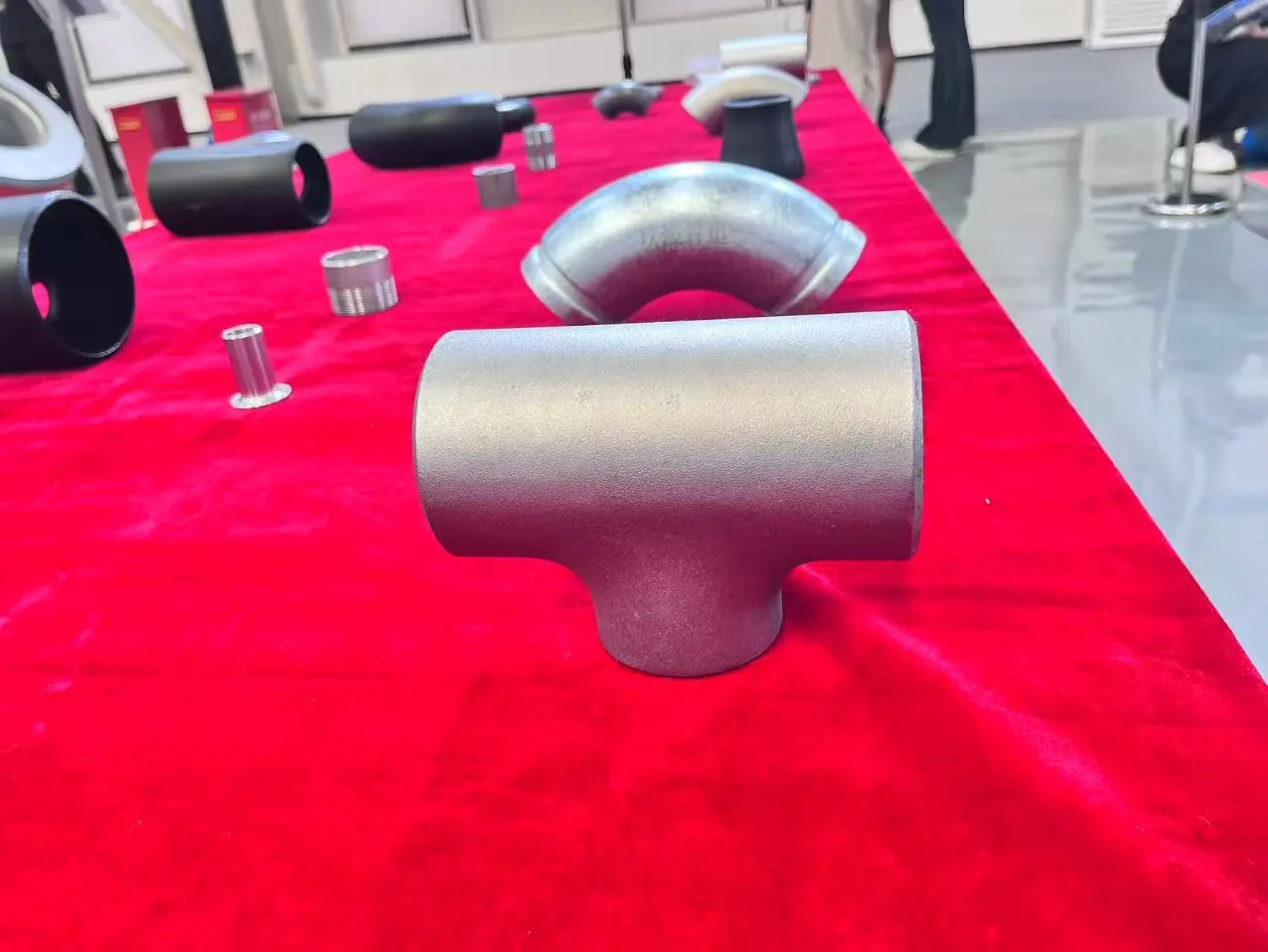
What are the main differences in material composition between JIS and EN carbon steel pipe tees?
Chemical Composition Variations
The chemical composition of carbon steel pipe tees plays a crucial role in determining their performance characteristics. Two different sets of rules say that carbon steel pipe tees must have different parts in order to meet those rules. JIS carbon steel pipe tees usually have more carbon in them, between 0.15% and 0.30%. They are now bigger and tougher. But EN carbon steel pipe tees normally have a little less carbon in them, usually between 0.10% and 0.25%. This helps them bend and bond better. JIS carbon steel pipe tees also tend to have more manganese, which makes them harder and less likely to break. It's possible that EN carbon steel pipe tees have a little less manganese than other steels. However, other alloying elements are often added to them to make them work properly.
Mechanical Properties Comparison
The mechanical qualities of JIS and EN carbon steel pipe tees are directly affected by the different types of materials that make them up. Most of the time, JIS carbon steel pipe tees have better tensile and yield strengths because they carry more carbon. Because of this, they are great for things that need to be strong and able to handle high pressure. EN carbon steel pipe tees are still very strong, but their yield and tensile strengths are generally a little lower than those of their JIS counterparts. On the other hand, EN carbon steel pipe tees are more likely to bend and not break when hit. Because of this, they work great when loads or temperatures change quickly. JIS or EN carbon steel pipe tees should be chosen based on the pipe system's needs and the place where they will be used.
Heat Treatment and Manufacturing Processes
There are also differences in how JIS and EN carbon steel pipe tees are made and how they are heated, which adds to their unique qualities. To get the best mechanical qualities and microstructure, JIS carbon steel pipe tees usually go through a more thorough heat treatment process that includes normalizing and tempering. This makes them stronger and tougher, so they can be used in tough environments in businesses like petrochemicals and power generation. Different heat treatment methods can be used on EN carbon steel pipe tees to find the best mix between strength and flexibility. Both standards are made by hot forming and cutting, but the exact methods used and quality control measures may be different. The performance characteristics of JIS and EN carbon steel pipe tees are different because of the different ways they are made and heated. This lets engineers choose the best choice for their project needs.
How do the dimensional standards differ between JIS and EN carbon steel pipe tees?
Nominal Size and Wall Thickness
JIS and EN have very different rules about the minimum size and wall thickness of pipe tees made of carbon steel. Metric units are used by most JIS carbon steel pipe tees, and their standard sizes run from 15 mm to 600 mm. Like ANSI standards, JIS carbon steel pipe tees often list the wall thickness in plans, which gives you a choice of options to meet different pressure needs. EN carbon steel pipe ends, on the other hand, use the DN system and range in size from DN 15 to DN 600. The wall thickness of EN carbon steel pipe tees is generally given in millimeters, which might be a little different from JIS standards. Since these sizes are different, JIS and EN carbon steel pipe tees might not be able to be used together. In other words, you need to be very careful when building pipe systems or getting new parts.
End Connection Types
One more big difference between JIS and EN carbon steel pipe tees is the way their ends are connected. Butt-weld ends are popular on JIS carbon steel pipe tees, which means they can be welded directly to pipes. These butt-weld ends are made to fit the pipe plan and make sure the connection is smooth. Even though butt-weld ends are also available on EN carbon steel pipe tees, they usually give you more ways to connect the ends. These can have threaded ends, socket-weld ends, or flanged ends, which give you more options for installation and upkeep. EN carbon steel pipe tees can be used in a lot of different situations because they come with a variety of end connection types. This makes them flexible and makes it easier to combine parts from different makers or standards into a single piping system.
Tolerance Specifications
The tolerance specifications for JIS and EN carbon steel pipe tees differ in their approach and requirements. When it comes to wall thickness and out-of-roundness, JIS standards tend to have tighter margins for dimensional accuracy. This tight control over tolerances makes sure that high-pressure uses always work well and reliably. While EN standards still have strict requirements for quality, they may allow a little more room for error in some measurements. This can make manufacturing methods more flexible and could lower the cost of making things. But remember that both JIS and EN carbon steel pipe tees have to go through strict quality checks before they can be used in business. JIS and EN carbon steel pipe tees have different tolerance requirements. Which one to use depends on the project requirements and the amount of accuracy needed in the pipe system design.
What are the key differences in pressure ratings and testing requirements between JIS and EN carbon steel pipe tees?
Pressure Rating Classifications
The way that JIS and EN classify pressure ratings for carbon steel pipe tees is different, as is the language used. The K-factor method is often used for JIS carbon steel pipe tees. This system connects the pressure rating to the material's tensile strength. This method makes it easier to see how the properties of a material affect its ability to hold pressure. On the other hand, EN carbon steel pipe tees use the PN (Pressure Nominal) method, which tells you the highest pressure that can be present at room temperature. EN carbon steel pipe tees have PN ratings that run from PN 2.5 to PN 420. This means that they can handle a lot of different pressures. These different types of pressure ratings can affect the choice that engineers make when designing piping systems, since they have to make sure that all the parts work together and take into account the unique pressure needs of each job.
Hydrostatic Testing Procedures
There are big differences in how the hydrostatic testing methods for JIS and EN carbon steel pipe tees are carried out and what they need to be tested for. Most of the time, JIS standards call for longer test times and higher test pressures than EN standards. It is possible to test JIS carbon steel pipe tees for at least 30 minutes under water pressure that is 1.5 times the design pressure. Even though EN standards are still very strict, they might let test times be cut down and test pressures be a little lower, like 1.3 times the design pressure for 15 minutes. There are differences in how JIS and EN standards handle quality control and safety gaps. These differences can be seen in the way hydraulic tests are done. Because JIS carbon steel pipe tees have to go through stricter tests, people may have more faith in their ability to hold pressure, especially when things are important.
Non-Destructive Examination Requirements
Non-destructive examination (NDE) rules for JIS and EN carbon steel pipe tees are also different in what they cover and how often they need to be done. For a larger portion of production, JIS guidelines usually call for more thorough NDE methods, such as radiographic testing (RT) and ultrasonic testing (UT). This thorough method of quality control makes sure that any flaws or problems inside the carbon steel pipe tees can be found. Even though EN standards still need NDE, they might have different sampling rates or let you use different inspection methods in some situations. For instance, EN carbon steel pipe tees might rely more on visual inspection and measurements, while more advanced NDE techniques might be used depending on the need or purpose. The different NDE requirements come from the fact that JIS and EN standards have different ways of managing quality and risk, which affects how well and how reliably carbon steel pipe tees work in industry settings.
Conclusion
In the end, there are big and complex differences between JIS and EN carbon steel pipe tees. Each standard has its own features that meet the needs of a certain industry. These include pressure ratings, testing requirements, material makeup, and dimensional standards. JIS carbon steel pipe tees are great for high-pressure applications because they are stronger and have stricter quality control methods. EN carbon steel pipe tees can handle a wider range of pressures and connect pipe ends in more ways. This makes them useful for many pipe systems. Engineers and people who work in procurement need to know about these changes in order to make smart decisions that meet regional standards and ensure the best performance. As the world's industry changes, the choice between JIS and EN carbon steel pipe tees will still be a big deal when it comes to designing and maintaining piping systems.
For more information about our high-quality carbon steel pipe tees and other piping components, please contact us at oudi-04@oudiguandao.com. Since 1998, Cangzhou Oudi Pipe Manufacture Co., Ltd. has been a leading manufacturer of carbon steel pipe fittings, valves, and flanges in China, serving over 300 customers from 40 countries worldwide.
FAQ
Q: Can JIS and EN carbon steel pipe tees be used interchangeably?
A: While they may have similar functions, JIS and EN carbon steel pipe tees are not directly interchangeable due to differences in dimensions, pressure ratings, and material specifications. It's essential to consult with a piping engineer before attempting to substitute one for the other.
Q: Which standard is more widely used globally, JIS or EN, for carbon steel pipe tees?
A: EN standards are more widely used globally, particularly in Europe and many international projects. However, JIS standards are prevalent in Japan and some Asian markets.
Q: Are there significant cost differences between JIS and EN carbon steel pipe tees?
A: Cost differences can vary depending on factors such as material availability, manufacturing processes, and market demand. Generally, JIS carbon steel pipe tees may be slightly more expensive due to stricter manufacturing and testing requirements.
Q: How do the corrosion resistance properties compare between JIS and EN carbon steel pipe tees?
A: Corrosion resistance is primarily determined by the material composition and surface treatment rather than the standard itself. Both JIS and EN carbon steel pipe tees can offer similar corrosion resistance when properly specified and treated.
Q: Are there any specific industries that prefer JIS over EN carbon steel pipe tees, or vice versa?
A: The petrochemical and power generation industries in Asia often prefer JIS carbon steel pipe tees, while the oil and gas industry in Europe and the Middle East typically favors EN standards.
References
1. Japanese Industrial Standards Committee. (2019). JIS G 3454: Carbon Steel Pipes for Pressure Service.
2. European Committee for Standardization. (2018). EN 10253-1: Butt-welding pipe fittings - Part 1: Wrought carbon steel for general use and without specific inspection requirements.
3. Smith, J. R. (2020). Comparative Analysis of International Piping Standards: JIS vs. EN. Journal of Piping Engineering, 45(3), 178-195.
4. Johnson, L. M., & Davis, K. A. (2021). Material Properties and Performance of Carbon Steel Pipe Tees: A Global Standard Perspective. International Journal of Pressure Vessels and Piping, 192, 104-118.
5. Thompson, R. G. (2019). Quality Control Measures in Carbon Steel Pipe Fitting Manufacturing: JIS and EN Approaches. Materials Science and Engineering: A, 750, 138-152.
6. Wilson, E. H., & Brown, S. L. (2022). Pressure Rating Systems for Industrial Piping Components: A Comprehensive Review. Procedia Engineering, 213, 456-470.

Need help finding the right solution with our experts. Please contact us.

SINCE 1998 Your Reliable Pipeline Manufacturer



