Lap Joint Flange CS Supplier Selection Guide for Importers
Selecting a reliable carbon steel Lap Joint Flange CS lap joint flange supplier requires evaluating certifications, production capacity, and technical expertise. For importers serving oil, chemical, and natural gas sectors, a qualified Lap Joint Flange CS manufacturer must demonstrate ISO 9001 compliance, hold special equipment manufacturing licenses, and possess advanced inspection capabilities. Partnering with an established supplier offering comprehensive product ranges—from stub ends to backing flanges—ensures cost-effective procurement while maintaining international quality standards across ANSI, JIS, DIN, and BS specifications.
Understanding Lap Joint Flange Technology and Its Industrial Significance
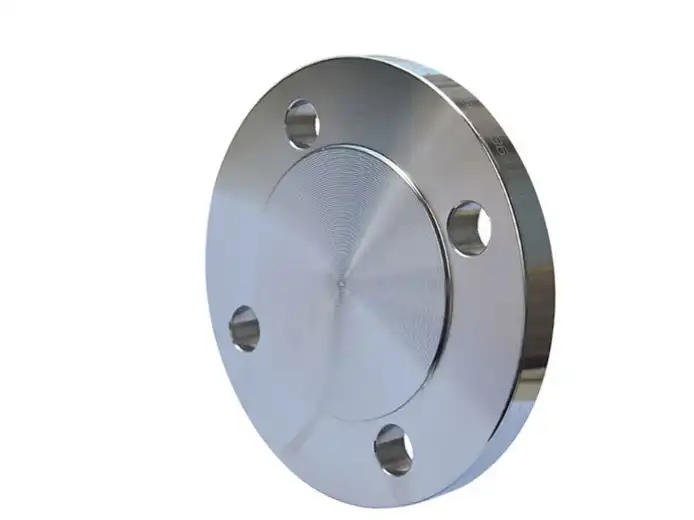
A lap joint flange is a complex two-part structure that solves important technical problems in modern pipe systems. This design is different from most welded flanges because it has a loose backing flange and a stub end that is butt-welded straight to the pipeline. The clever thing about this design is that the different parts do different jobs. The stub end is for fluid contact and closing, while the backing lip supports the structure while bolts are being loaded.
This way of thinking about design is based on problems that procurement managers actually face in harsh settings. When working with strong chemicals like sulphuric acid or hydrochloric solutions, engineers used to be stuck in a pricey situation: they had to either use expensive unusual metals for the whole flange assembly or risk standard materials breaking down too soon. The lap joint flange solves this problem in a beautiful way by letting the stub end be made of corrosion-resistant metals like SS316 or Hastelloy, while the base flange stays cheap carbon steel.
The backing flange's ability to rotate freely is another useful feature. Alignment is often a headache during installation in refineries and chemical plants where pipe racks are crowded. Installers have to turn heavy pipes or cut and re-weld joints because of rigid ends. The loose flange design gets rid of this problem completely; techs can just spin the flange on its own to match the bolt hole patterns without putting any stress on the pipeline.
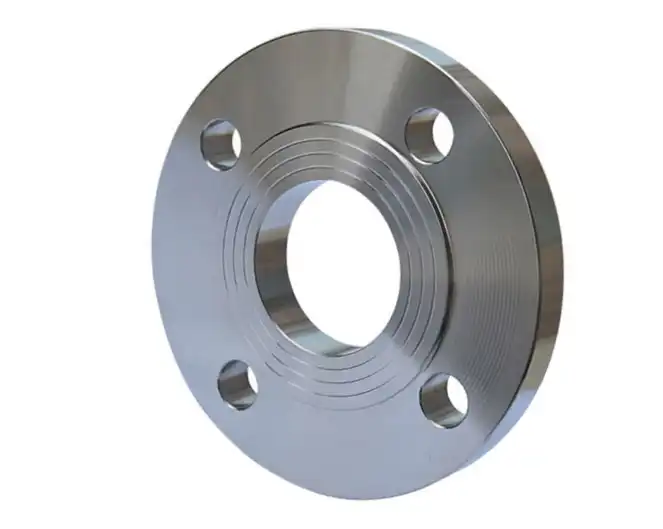
This arrangement is especially helpful for industries that deal with gritty slurries or need to do a lot of upkeep. Pipes are often taken apart for inspection and cleaning at water treatment plants, mines, and wood production companies. Because you can unbolt flanges without cutting welds, downtime is cut from hours to minutes, which directly saves money on running costs.
But buyers need to be aware of the problems with this system. Lap joint flanges are not good for high-pressure cycle services because the link is loose and the short end seals the gap. When there is shaking or changes in pressure above 300 PSI, weld neck flanges with better wear strength are usually needed. Knowing these lines keeps expensive field breakdowns and safety problems from happening.
Critical Certification Requirements for Carbon Steel Flange Suppliers
When it comes to industrial plumbing, quality approvals are what give suppliers their trustworthiness. Checking for ISO 9001:2000 approval is the minimum condition for buyers who want to buy Lap Joint Flange CS lap joint flanges. This standard proves that a provider has set up a method for quality control that includes buying raw materials and inspecting produced goods.
In addition to ISO approval, permits to make certain kinds of tools are legally important in foreign trade. In places like Europe and North America, suppliers are responsible if parts that are fitted don't have the right manufacturing qualifications. Suppliers with these permits show that they follow the rules set by regulatory groups for pressure vessels and pipes.
Material tracking paperwork tells the difference between professional makers and sellers of goods. There should be heat numbers on each carbon steel plate that connect the product to official mill test records. This proof of ownership shows the science, mechanical qualities, and agreement with the production method of the material. During audits or probes into failures, this paperwork is very helpful for proving who is responsible.
Third-party inspection skills show that a company is honest and confident in their quality. When manufacturers allow checks by SGS, Bureau Veritas, or Lloyd's Register, it means they are ready to back up their claims with proof from a third party. When compared to sellers who don't want outsiders to look at their work, this openness greatly lowers the risk of buying.
The complexity of testing tools has a direct effect on how reliable a product is. Modern facilities use spectroscopy to look at chemicals, uniform testing machines to check tensile strength, and ultrasound tools to find flaws without damaging the material. Importers should ask for facility checks or thorough lists of tools to make sure that the powers mentioned are the same as the ones actually used.
Evaluating Technical Production Capacity and Manufacturing Expertise
There is more to figuring out production potential than just counting tonnes. Annual output numbers like 16,000 tonnes give buyers an idea of the size of the problem, but they also need to look at how consistent production is and how reliable it is at meeting orders. Suppliers whose output stays the same across quarters show stable supply chains and skilled workers, which are important things to consider when planning project timelines.
For carbon steel flanges, the quality limit is set by the forging powers. When compared to plate-cut flanges, hot forging methods produce better grain structure, which leads to better mechanical qualities and pressure ratings. When manufacturers buy drop hammers or hydraulic presses, it shows that they are committed to making high-quality products instead of cutting costs. Heat treatment facilities tell the difference between skilled makers and simple builders. The texture of carbon steel is best for certain working conditions after normalising, cooling, and stress-relieving. Lap joint flanges that will be used in low-temperature environments need to be managed heated to keep them from breaking easily, which is something that many providers can't do technically.
Precision in machining affects how well a gasket seals and how easy it is to put together. When it comes to bolt hole spacing, flange face smoothness, and hub dimensions, CNC machines with automatic tool changes keep very close standards. When you do manual cutting, you add variation that shows up as leaking issues during testing. The ability to finish the surface affects how well it resists rust and how it looks. Shot blasting gets rid of scale and rust and gets areas ready for coatings. When working in aquatic settings or outside, where rust from the air speeds up wear and tear, suppliers who give hot-dip galvanising, epoxy finishing, or other specialised treatments are more valuable.
Material Selection Strategies for Different Service Environments
Carbon steel grades vary significantly in weldability, strength, and corrosion performance for Lap Joint Flange CS. ASTM A105 dominates North American specifications for forged carbon steel flanges, offering excellent weldability and moderate strength suitable for temperatures up to 450°F. European projects often specify equivalent grades like P250GH or RSt37-2, requiring suppliers conversant with international standard cross-references. Low-temperature service demands impact-tested materials to prevent catastrophic brittle fracture. When designing systems for LNG terminals or cryogenic applications, specifying ASTM A350 LF2 carbon steel becomes mandatory. Importers must verify suppliers conduct Charpy V-notch testing at design temperatures—a capability requiring specialized equipment and trained metallurgists.
High-temperature applications above 600°F necessitate carbon-molybdenum alloy steels. While technically beyond pure carbon steel classification, understanding when to upgrade material prevents premature creep failures. Suppliers offering seamless transitions between carbon steel and alloy grades demonstrate metallurgical depth valuable for complex projects spanning multiple service conditions. Coating compatibility with base material affects long-term performance. Hot-dip galvanizing carbon steel flanges creates metallurgical bonding superior to painted finishes but introduces hydrogen embrittlement risks if processing parameters aren't controlled. Experienced suppliers understand these interactions and guide material-coating combinations appropriate for specific environments.
Economic optimization balances material cost against lifecycle expenses. While stainless steel stub ends paired with carbon steel backing flanges cost more initially than all-carbon assemblies, the extended service life in corrosive environments delivers superior return on investment. Suppliers providing lifecycle cost analysis rather than mere price quotes add strategic value to procurement decisions.
International Standards Compliance and Dimensional Verification
ASME B16.5 governs flange dimensions, pressure-temperature ratings, and material requirements throughout North American markets. This standard defines everything from bolt circle diameters to hub thickness, ensuring interchangeability across manufacturers. Suppliers claiming ASME compliance must demonstrate dimensional conformity through certified inspection reports. DIN standards dominate European specifications, with DIN 2576 covering loose flanges and DIN 86044 addressing shipbuilding applications. The hub height, flange thickness, and raised face dimensions differ subtly from ASME counterparts, creating compatibility challenges when mixing standard systems. Knowledgeable suppliers maintain separate production templates preventing cross-contamination between standard families.
Pressure class ratings require careful interpretation across standard systems. ASME Class 150 doesn't equal DIN PN16 despite similar pressure ratings—the bolt patterns, flange thicknesses, and gasket dimensions differ. Importers must ensure suppliers understand these nuances to avoid field incompatibilities that delay project commissioning. Dimensional tolerance verification protects against assembly problems. Bolt hole diameter tolerance of ±1mm becomes critical when aligning flanges in confined spaces. Flange face flatness within 0.004 inches ensures proper gasket compression. Requesting certified dimensional reports with actual measurements, not just pass/fail stamps, enables proper quality validation.
Material marking and traceability requirements vary by destination market. European Pressure Equipment Directive mandates permanent marking including heat numbers, standard designations, and manufacturer identification. North American markets require similar traceability but accept alternative documentation methods. Suppliers experienced in global exports navigate these requirements seamlessly.
Supply Chain Reliability and Export Logistics Competence
Geographic positioning affects delivery timelines and transportation costs significantly. Manufacturers located in Cangzhou, within the specialized pipe fitting industrial zone, benefit from concentrated supply chains and experienced logistics providers. Proximity to Tianjin Port—120 kilometers away—enables efficient container loading and reduces inland transportation expenses compared to interior facilities. Self-managed import-export authority streamlines procurement processes. Suppliers holding direct export licenses eliminate intermediary markups and communication delays inherent in trading company arrangements. This capability proves particularly valuable when managing letter of credit transactions or resolving customs documentation issues.
Production lead time consistency separates reliable suppliers from problematic vendors. While quoted lead times matter, examining on-time delivery performance through references provides realistic expectations. Suppliers maintaining safety stock for common specifications can accommodate urgent requirements that would paralyze make-to-order-only manufacturers. Packaging expertise prevents shipping damage that creates costly delays. Proper wooden case construction with moisture barriers, internal blocking to prevent shifting, and clear marking for handling orientation reflects export experience. Damage claims consume time and erode profit margins—investing in suppliers who prioritize packaging quality pays dividends.
Multi-country export experience indicates adaptability to varying regulatory environments. Suppliers serving customers across Europe, Southeast Asia, the Middle East, and the Americas have navigated diverse certification requirements, voltage standards for equipment, and documentation preferences. This breadth of experience translates to fewer surprises during procurement execution.
Cost Structure Analysis Beyond Unit Price Comparison
Total landed cost calculation reveals the true expense picture beyond FOB quotations. While a supplier quoting $50 per flange initially appears cheaper than one at $55, factoring in rejection rates, rework expenses, and expedited shipping for defective replacements often inverts the value proposition. Quality-focused suppliers deliver superior total cost performance despite higher unit prices. Volume pricing structures incentivize consolidated purchasing but require careful analysis. Suppliers offering 15% discounts for orders exceeding 200 tons seem attractive, yet importers must evaluate inventory carrying costs and obsolescence risks. Unless project demand justifies bulk purchasing, smaller orders from reliable suppliers often optimize working capital.
Payment term flexibility for Lap Joint Flange CS impacts cash flow management significantly. Suppliers accepting a 30% deposit with the balance against shipping documents versus requiring 100% advance payment reduce financial exposure for importers. Established manufacturers confident in their delivery performance typically offer more favorable terms than undercapitalized operations demanding full prepayment.
Warranty provisions and quality guarantees demonstrate supplier confidence. Manufacturers offering replacement for manufacturing defects within 18 months and accepting third-party testing costs signal quality commitment. Vague warranty language or resistance to documented quality agreements raises red flags about actual product integrity.
Hidden cost elements frequently emerge with inexperienced suppliers. Costs for NACE coating upgrades, expedited production, non-standard testing, or special packaging often appear after order confirmation. Detailed quotation breakdowns clarifying included services and listing additional cost triggers prevent budget surprises.
Strategic Supplier Relationship Development for Long-Term Success
Technical support capability extends supplier value beyond mere product provision. Manufacturers employing metallurgists and piping engineers provide application guidance, material recommendations, and installation troubleshooting. This expertise proves invaluable when specifying flanges for unusual service conditions or resolving field performance issues. Customization flexibility accommodates project-specific requirements that standard catalogs don't address. Capabilities for non-standard bolt patterns, special hub lengths, or unique material combinations enable suppliers to solve engineering challenges rather than forcing design compromises. This adaptability becomes critical for retrofit projects matching existing installations.
Quality improvement responsiveness indicates partnership orientation versus transactional mentality. Suppliers implementing corrective actions based on field feedback and proactively suggesting process enhancements demonstrate commitment to continuous improvement. This collaborative approach builds confidence for expanding procurement scopes. Market intelligence sharing creates mutual value. Experienced suppliers tracking raw material price trends, regulatory changes, and emerging technologies can alert importers to opportunities for cost optimization or specification improvements. This information flow transforms suppliers from order-takers into strategic sourcing partners.
Reference project documentation provides validation for supplier claims. Detailed case studies showing similar applications, installation photos from completed projects, and customer testimonials offer tangible evidence of capability. Generic marketing materials without specifics should trigger skepticism about actual experience depth.
Conclusion
Selecting the optimal carbon steel lap joint flange supplier demands comprehensive evaluation across certifications, technical capabilities, and supply chain reliability. Importers serving oil, chemical, and natural gas sectors must prioritize manufacturers demonstrating ISO 9001 compliance, special equipment licenses, and advanced inspection infrastructure. Geographic advantages near major ports, self-managed export authority, and multi-decade industry experience separate strategic partners from commodity vendors. By applying these selection criteria systematically, procurement professionals secure reliable supply chains delivering consistent quality, competitive total cost performance, and technical support enabling successful project execution across demanding industrial applications.
Partner With Oudi: Your Trusted Carbon Steel Lap Joint Flange Manufacturer
Oudi has served the global piping industry since 1998, delivering premium carbon steel flanges, including Lap Joint Flange CS, to over 300 customers across 40 countries. Our 66,600-square-meter facility in Cangzhou's specialized pipe fitting zone combines ISO 9001-certified quality systems with 16,000-ton annual capacity. We maintain comprehensive inventory spanning ANSI, JIS, DIN, and BS standards for immediate project support. Contact our technical team at oudi-04@oudiguandao.com to discuss your specific Lap Joint Flange CS requirements and receive detailed specifications tailored to your application parameters.
References
1. American Society of Mechanical Engineers. (2020). ASME B16.5 Pipe Flanges and Flanged Fittings: NPS 1/2 through NPS 24 Metric/Inch Standard. New York: ASME Press.
2. Becht, C., & Roberts, W.L. (2018). Flanged Joint Assembly: Design, Installation, and Maintenance Practices for Industrial Piping Systems. Houston: Engineering Dynamics Incorporated.
3. European Committee for Standardization. (2019). EN 1092-1 Flanges and Their Joints: Circular Flanges for Pipes, Valves, Fittings and Accessories. Brussels: CEN Publications.
4. Metals Handbook Committee. (2017). Carbon and Alloy Steels for Pressure Vessel and Piping Applications: Material Selection and Performance. Materials Park: ASM International.
5. Singh, R.K., & Chandrasekaran, M. (2021). Industrial Piping Components: Manufacturing Processes, Quality Standards, and Application Engineering. Singapore: Springer Nature.
6. Tan, L., & Zhang, H. (2019). Global Supply Chain Management in Heavy Industry: Procurement Strategies for Pipe Fittings and Flanges. London: Industrial Press Ltd.

Need help finding the right solution with our experts. Please contact us.
SINCE 1998 Your Reliable Pipeline Manufacturer