Lap Joint Flange vs Weld Neck – Which One?
The choice between a weld neck flange and a lap joint flange CS has a direct effect on the cost of the project, how quickly it is installed, and how reliable the system will be in the long run. Because it is made of two pieces—a carbon steel backing flange and a butt-welded stub end—the lap joint flange CS can be rotated in different ways and saves money on materials. This setup works great in situations where you often need to take parts apart or where aligning bolt holes can be tricky. Weld neck flanges, on the other hand, offer better structural stability and fatigue protection in high-temperature and high-pressure settings. When procurement managers know these differences, they can choose flanges that meet business needs, price limits, and upkeep goals.
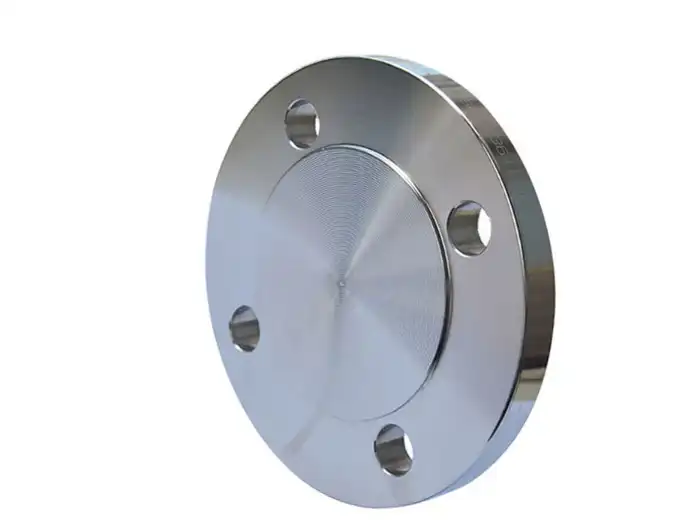
Introduction to Lap Joint Flange CS and Weld Neck Flange
Understanding Lap Joint Flange Carbon Steel
The lap joint flange CS is a special two-part assembly made up of a stub end and a loose backing flange ring. The stub end is butt-welded to the pipe system, and the carbon steel lip fits over the pipe and over the curved part of the stub end. This design keeps the wet part separate from the structural loading part. This lets engineers use cheap carbon steel for the ring and expensive metals only for the stub end. This method meets important goals for lowering costs in places that are prone to corrosion, like chemical processing and water treatment plants where metal pipes meet carbon steel structures.
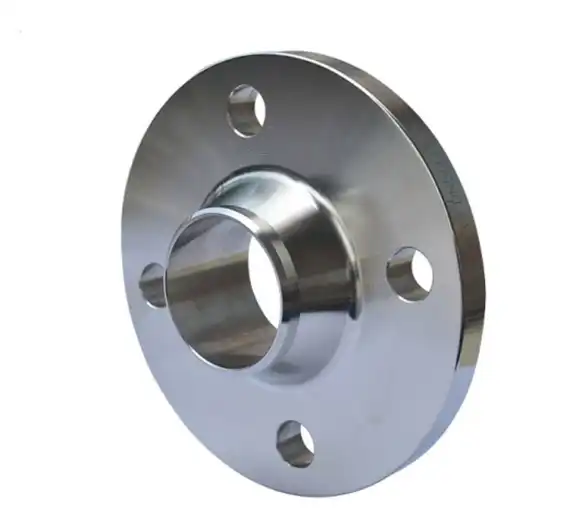
Structural Characteristics of Weld Neck Flanges
The hub of a weld-neck flange is curved and gradually changes from being thicker at the flange to being thicker at the pipe wall. This makes a smooth way for stress to be distributed. This one-piece design is butt-welded to the pipe immediately, making a strong, lasting joint. Weld neck flanges are the best choice for vital services in oil refineries, natural gas pipeline facilities, and power plants because the hub's long tapering shape makes it forceful when it comes to bending loads and thermal cycles. Manufacturing standards like ASME B16.5, DIN 2527, and EN 1092 set the dimensional limits, material compositions, and pressure-temperature values for both types of flanges.
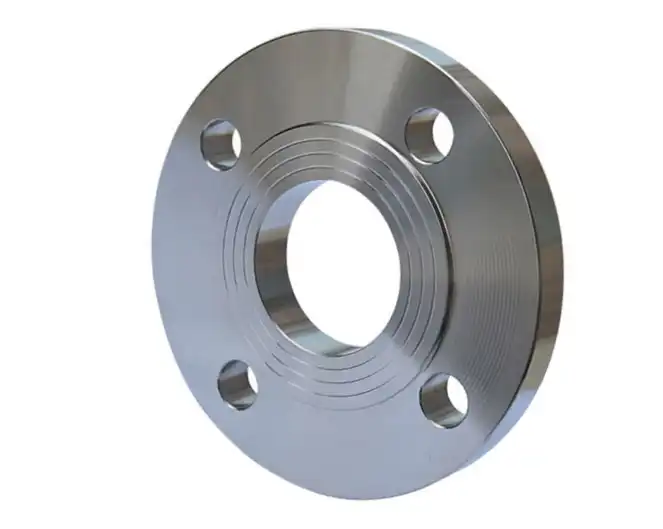
Material Grades and Industry Standards
You can obtain both types of flanges in carbon steel grades like ASTM A105 and A350 LF2 (for low-temperature work) and stainless steel grades like 304L and 316L. Most carbon steel lap-joint flanges (CS) meet the requirements of ASTM A350, which means they are strong enough for pressure classes from 150# to 600#. For American needs, the ruling standards are ASME B16.5; for European ones, they are DIN; and for Japanese markets, they are JIS. These standards spell out the bolt hole designs, facing finishes, and hydrostatic test requirements. Knowing these standards helps people who buy things ensure that suppliers are following them and that new irrigation systems will work with old ones on foreign projects.
Key Differences Between Lap Joint Flange CS and Weld Neck Flange
Design and Installation Methods
How each plate connects to the pipe system is what makes the design different. A lap joint flange CS doesn't bond to the pipe; the backing flange stays loose and can turn easily around the stub end to make it easier to line up the bolt holes. This design gets rid of the need to rotate the pipes during installation, which is very helpful in crowded plant plans or systems with lined pipes. Weld neck flanges need to be precisely lined up at right angles before they can be welded. This requires skilled work and often more than one try to fit up. Lap joint flange CS can be 30–40% faster to install than weld-neck configurations, especially in large-diameter situations where it's difficult to line up the bolt patterns.
The two-piece form of the lap joint flange CS also makes it easier to do repair and inspection work. Only the bolts need to be taken off of a lap joint flange CS assembly to disconnect it for gasket replacement or system check. The stub end and pipe weld stay in place. This feature is useful for systems that need to be cleaned or inspected on a regular basis, like medicine pipes or lines used to process food. Weld neck flanges are not as easy to work with because each break keeps the original weld, but any change needs to be made by cutting and rewelding the whole flange unit.
Pressure Ratings and Temperature Tolerances
When compared to lap joint flange CS systems, weld neck flanges can handle a lot more pressure and heat stress. Weld neck designs have a tapered hub that spreads bending moments over a bigger cross-sectional area. This gives them about ten times longer wear life than a lap joint flange CS. Weld neck flanges can handle repeated loads and changes in temperature up to 850°F (454°C) for carbon steel grades, according to independent tests. Lap joint flanges (CS), on the other hand, should only be used in noncritical situations below 400°F (204°C) and with little vibration.
When it comes to pressure ratings, both types are offered in ASME Classes 150 through 600, but their performance at the same rates is completely unique. It is safe for a Class 300 weld neck flange in 6-inch NPS to handle full-rated pressure (740 psi at 100°F for carbon steel) during constant cycles and temperature changes. The same Class 300 lap joint flange CS assembly has the same rating on paper, but it should exclusively be used for static or rarely cycled services. This is because the mechanical joint between the stub end and backing flange can cause leaks in harsh conditions.
Cost Implications and Total Ownership Analysis
The cost to buy a lap joint flange CS (stub end plus backing flange) is usually the same as or a little higher than the cost of a similar weld neck flange. Most of the time, a 6-inch Class 300 Lap Joint Flange CS with a stub end costs between $120 and $180. A similar weld-neck flange costs between $100 and $150. The real cost savings are in mixed-metallurgy systems, where the lap joint flange CS design allows you to use an expensive alloy stub end with a cheap carbon steel backing flange to connect stainless steel or alloy pipes to carbon steel flanges. This could cut material costs by 40 to 60% compared to solid alloy weld neck flanges.
Long-term upkeep costs are lower for lap joint flange CS in situations where parts need to be taken apart often. The backing flange can be used for more than one stub end replacement, which cuts down on the cost of stocking extra parts. Over the life of the system, the savings from installation work add up. Weld neck flanges, on the other hand, have a lower total cost of ownership for permanent, high-impact services where preventing leaks and building structural stability are more important than installation freedom. For important oil and gas transmission lines, lifecycle analysis indicates that the extra money spent on weld neck construction pays off because it requires less upkeep and increases operating safety.
Advantages and Applications of Lap Joint Flange CS vs Weld Neck Flange
When Does a Lap Joint Flange CS Excel?
Lap joint flanges work well for systems that need to be taken apart often, have flexible alignment, and keep costs down. These unique benefits are useful in some workplace settings and situations where flexibility is more important than ultimate strength.
Lap joint flange CS are very helpful for water treatment plants because they connect lined or custom-coated pipes to standard carbon steel infrastructure. The backing flange can turn easily to line up the bolt holes without damaging the protective coats on the stub end or the pipes next to it. Chemical processing plants that deal with many product lines use lap joint flanges (CS) at connection places that need to be cleaned, validated, or inspected every time a product is changed.
When it comes to shipbuilding, where room is limited and pipe routing is complicated, a lap joint flange CS works best because it is easier to line. Installers can match bolt patterns without having to move heavy pipe sections around in engine rooms or ballast systems that aren't massive. Lap joint flange CS are used at temporary connection places in construction projects with phased installs because the backing flanges can be used again when system changes happen during the project build-out phases.
Combining carbon steel backing flanges with exotic metal stub ends saves money and makes Lap Joint Flange CS a good choice for corrosive service uses that don't go above 300 psi. If you choose CS lap-joint flanges with duplex stub ends instead of solid duplex weld-neck flanges for a standard seawater system using duplex stainless steel pipes, you can cut the cost of the flanges by almost 50%.
Where Weld Neck Flanges Provide Superior Performance
In critical service situations with high pressure, high temperature, and a need for structural stability and fatigue protection, weld neck flanges are the most common choice. The stress is spread evenly through the curved hub, so there is no mechanical joint like there is in a lap joint flange CS. This gives you trust in tough working conditions.
Weld neck flanges must be used at all key connection places on oil and gas transmission pipes that work above 600 psi. The metal path that goes from the pipe wall to the hub and then to the flange face is continuous. This makes sure that stress is spread evenly when pressure and temperature change. Refineries and petrochemical processing units that deal with hydrocarbon streams above 500°F (260°C) need to use a weld-neck design so that the joints don't leak at the stub-end surfaces when the temperature changes.
Weld neck flanges are used in power plants because they are known to be resistant to wear. This is especially true for plants that use supercritical steam systems. When operations start up and stop, they put flange assemblies through repeated bending moments that would break down lap joint flange CS setups within months. At natural gas compressor stations, weld neck flanges are only used at the equipment nozzles, where shaking and pulsation cause long-term cycle stress levels that are too high for Lap Joint Flange CS to handle.
The rules that apply also have an effect on the choice. For example, ASME Section VIII codes for pressure vessels and ASME B31.3 standards for pipelines often limit the use of lap joint flange CS in certain important services. These limits are based on the fact that engineers agree that weld neck construction offers enough safety margins for services where failure could cause harm to people or the environment or giant damage to equipment.
How to Choose the Right Flange for Your Pipeline Project?
Evaluating System Operating Conditions
Before choosing a flange, it is important to do a full study of the system's pressure, temperature, cyclic stress, and fluid properties. Weld neck flanges are needed for systems that are constantly working at or above 600 psi or that have temperature changes of more than 200°F per cycle. The curved hub design can handle thermal expansion pressures that would damage lap joint flange CS assemblies, especially in circuits with steam, hot oil, or thermal fluids.
Corrosion concerns affect material matching choices. When joining different metals, a lap joint flange CS prevents galvanic corrosion at the flange-to-pipe weld by letting you use a stub-end material that matches the piping alloy. The cheap carbon steel is used for the separated backing flange. This method works well for chemical processing systems where metal pipes change to carbon steel at the edges of equipment or at the tips of tanks.
Budget Constraints and Installation Resources
Project finances include more than just the prices of the parts. They also include the costs of labor, changes to the plan, and maintenance over the project's lifetime. When compared to weld neck configurations, lap joint flange CS cut field installation time by 30–40%. This is especially beneficial for projects with tight completion dates or high labor costs. Without having to worry about aligning bolt holes and rotating pipes, less experienced teams can put things together correctly, which means less quality control work and fewer redos.
Maintenance ideas also affect the choice. Facilities that use predictive maintenance programs and have planned turnarounds can save money by reusing Lap Joint Flange CS. They can store stub ends as wear items that need to be replaced and keep the backing flanges forever. On the other hand, continuous process facilities want to keep things running as long as possible between maintenance tasks, like weld neck flanges, because they reduce the number of possible leak sources and increase the average time between maintenance tasks.
Installation Best Practices and Maintenance Strategies
No matter what type of flange is chosen, its long-term performance is directly affected by how well it is installed. It's important to pay close attention to how the stub end seats against the backing flange. The backing flange needs to fit completely against the stub end radius, with no gaps that could cause the gasket to contract unevenly. To make sure that the gasket is loaded evenly, the bolts are tightened in a star design. The final torque values are set by the gasket manufacturer's standards, not just the flange bolt size.
Weld neck setups need skilled welders and strict rules for the welding process. For carbon steel services above certain thickness limits, the butt weld joint needs to be fully penetrated, x-rayed as required by code, and heated after the weld. The right fit-up keeps the pipe and flange bores in a straight line, which stops stress clusters that speed up the start of wear cracks.
Procurement Considerations: Sourcing Lap Joint Flange CS and Weld Neck Flanges
Selecting Reliable Manufacturers and Suppliers
For procurement to go well, manufacturing skills, quality processes, and legal compliance must all be checked. Reliable sellers keep ISO 9001 certification, which shows that they handle quality in a planned way, and other licenses, like the People's Republic of China Special Equipment Manufacturing License, which lets them make parts for pressure vessels. These certificates show that the ways the products are made, how the materials can be tracked, and how they are tested are all up to international standards that are necessary for important piping uses.
Manufacturing capacity and the dependability of wait times separate sellers who are capable from those who aren't. Manufacturers with facilities that can handle 16,000 tons of cargo a year can handle both small special orders and the needs of big projects without any delays. Modern production tools like CNC machining centers, automatic welding stations, and digital checking systems make sure that the dimensions and properties of the material stay the same from one production run to the next.
Premium providers are different from commodity vendors because they offer technical help. Engineering teams with a lot of experience help choose materials, understand specifications across ASME, DIN, and JIS standards, and come up with custom solutions for uses that aren't standard. This knowledge is very helpful for projects that need flanges that aren't the standard sizes or that need testing that goes beyond normal mill test reports. Having access to steel analysis, mechanical testing, and third-party inspection coordination makes it easier to buy things for complicated foreign projects that need approval from more than one authority. In our factory, we produce over 16,000 tons of lap joint flange CS every year to meet these global demands.
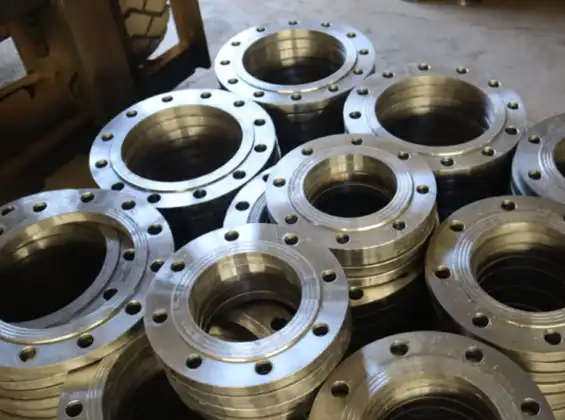
Pricing Structures and Supply Chain Logistics
Material grades, pressure classes, dimensional complexity, and order numbers are all taken into account by transparent price methods. Most of the time, savings for bulk orders start at 500 pieces, and at higher production levels, prices drop by 10-15%. Long-term supply deals keep prices stable for projects that last more than one year and make sure that production gets prioritized during times of high market demand or limited raw material supplies.
Logistics planning has just as big of an effect on project plans as manufacturing lead times. Suppliers who have self-managed export licenses make international shipping easier by taking care of customs paperwork and sending orders with different products together. Europe, the Americas, Africa, Southeast Asia, and the Middle East all have delivery networks that make sure freight costs are low and travel times are reliable. Shipping damage that could cause installation delays or problems with material certifications can be avoided by optimizing containers and using safe packing.
Material tracking paperwork that comes with every shipment helps ensure the quality of the goods. Full mill test reports (MTRs) prove the material's chemical make-up and mechanical qualities, and dimensional inspection records show that it meets the requirements that were given. Suppliers who keep detailed records make it easier for checks that are needed by quality programs at end users or regulatory officials that are in charge of safety-critical installations.
Conclusion
When choosing between the lap joint flange CS and weld neck designs, you have to weigh the needs for structural performance against the costs and ease of installation. Weld neck flanges offer the best fatigue resistance and pressure handling for oil, gas, and power production services that have to work in harsh circumstances. For lower-pressure uses that need flexible alignment, easy entry for repair, or connections made of more than one metal, Lap Joint Flange CS are a cost-effective option. To be successful in procurement, you need to work with qualified makers who can show that they have tested quality systems, a wide range of products, and the ability to offer goods all over the world.
FAQ
Can lap joint flanges handle the same pressure ratings as weld neck flanges?
Both types of flanges are made to the same ASME pressure class values (150# to 2500#), but they don't work the same way at those levels. Weld neck flanges can handle their full maximum pressure across the entire temperature range and have a longer wear life when loaded and unloaded many times. For steady uses, Lap Joint Flange CS can handle the same amount of pressure, but they should exclusively be used for lower-pressure, noncritical tasks when there is vibration or thermal cycling since they only have about 10% of the fatigue life of similar weld neck setups.
Why choose a lap joint flange CS over solid alloy flanges in corrosive services?
The lap joint flange CS design saves money by only using pricey corrosion-resistant alloys for the wetted stub end part and cheap carbon steel for the backing plate that doesn't come into touch with process fluids. This separation of materials can lower the cost of flanges by 40–60% compared to solid alloy weld neck flanges in systems that deal with seawater, acids, or other corrosive substances. This makes it a good choice for chemical processing plants and water treatment plants that have to work within lap joint flange CS pressure and temperature limits.
What quality certifications should I verify when sourcing flanges internationally?
Suppliers you can trust keep their ISO 9001:2000 approval for quality management and any manufacturing licenses needed by law, like the special equipment manufacturing licenses needed to make pressure components. Complete mill test reports (MTRs) should be included with material certifications. These reports should show the chemical makeup and mechanical qualities of the material, as well as their exact heat numbers. Dimensional inspection records that show flanges meet ASME B16.5, DIN, or other standards give you peace of mind that they will fit correctly and work as expected for as long as they are in use.
Partner with Oudi for Your Lap Joint Flange CS and Weld Neck Flange Requirements
Since 1998, Oudi has provided precision-engineered pipe fittings to more than 300 users in 40 countries. This has given them a lot of experience making flanges out of carbon steel, stainless steel, and alloy steel. Our ISO 9001-certified factory in Cangzhou makes 16,000 tons of lap joint flange CS every year using cutting-edge CNC machines and automatic checking systems to make sure that every order meets the strict requirements of ASME, DIN, and JIS. We keep a large inventory of materials on hand and can make unique solutions for non-standard uses. These solutions come with full mill test results and dimensional certifications. You can email our engineering team at oudi-04@oudiguandao.com to talk about your project requirements, get full quotes, and find out how our focus on quality production and global logistics can help you save time and money on your project.
References
1. American Society of Mechanical Engineers. (2020). ASME B16.5: Pipe Flanges and Flanged Fittings NPS 1/2 Through NPS 24 Metric/Inch Standard. New York: ASME Press.
2. Becht, C. (2018). Process Piping: The Complete Guide to ASME B31.3 (4th ed.). New York: ASME Press.
3. Ellenberger, J.P. (2019). Piping and Pipeline Calculations Manual: Construction, Design, Fabrication, and Examination (2nd ed.). Oxford: Butterworth-Heinemann.
4. Nayyar, M.L. (2021). Piping Handbook (8th ed.). New York: McGraw-Hill Education.
5. Singh, R.K. & Solanki, V.S. (2017). "Comparative Stress Analysis of Weld Neck and Lap Joint Flanges Under Pressure Loading." Journal of Pressure Vessel Technology, 139(4), 041202.
6. Zahid, M.H. & Park, C.Y. (2019). "Fatigue Life Assessment of Piping Flange Connections in Power Plant Applications." International Journal of Pressure Vessels and Piping, 176, 103954.

Need help finding the right solution with our experts. Please contact us.

SINCE 1998 Your Reliable Pipeline Manufacturer



