Long Radius vs Short Radius Elbow: Which Carbon Steel Elbow Is Better for Flow Efficiency
When designing piping systems for different businesses, the fittings that are used are very important because they determine how well and efficiently the system works as a whole. Carbon steel elbows, which come in two main types (long radius and short radius), are one of the most popular types of fittings. For years, people in the business have been arguing about which type of carbon steel elbow is better for flow. This blog post will talk about the changes between long radius and short radius carbon steel elbows, as well as the pros and cons of each and how they affect flow efficiency. By looking at the differences between each type, we'll be able to help engineers, contractors, and building managers choose the best carbon steel elbow for their needs. It is important to know the differences between these two types of elbows in order to get the best fluid flow, the least amount of pressure drop, and the longest life for piping systems in a wide range of businesses.

What are the key differences between long radius and short radius carbon steel elbows?
Geometric Variations
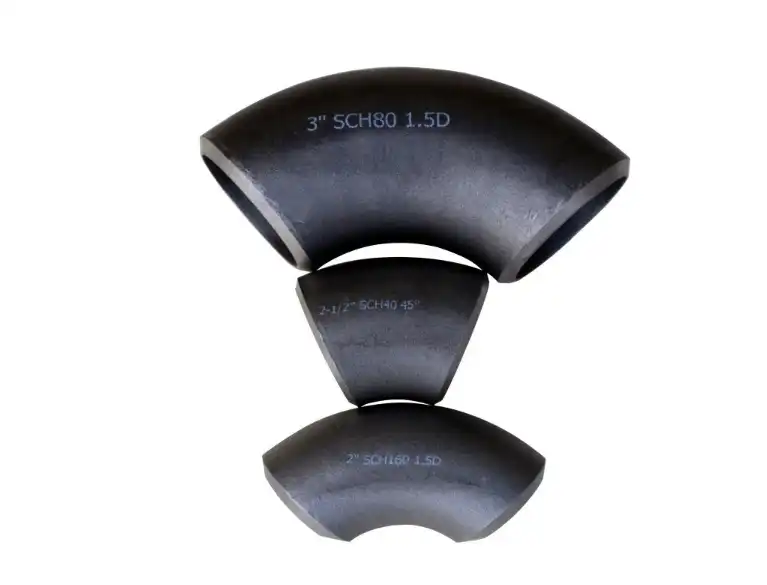
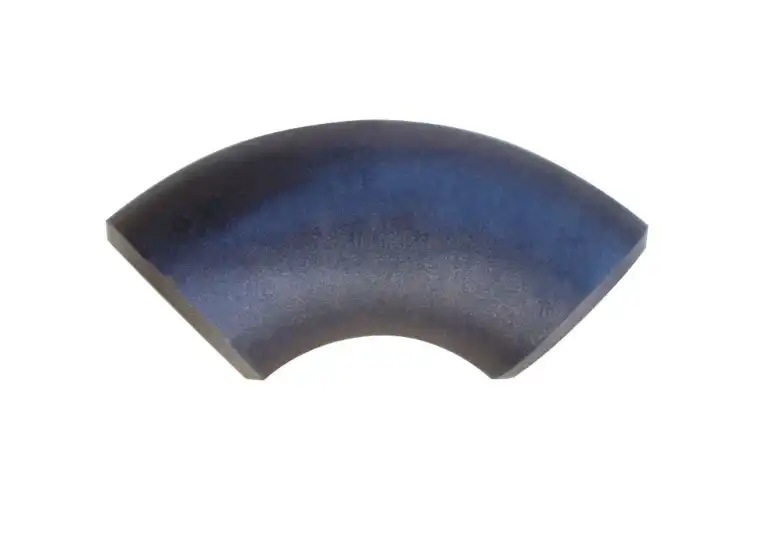
The main difference between long radius and short radius carbon steel elbows is how their shapes are made. Most of the time, the centerline radius of a long radius elbow is 1.5 times the standard pipe diameter. The centerline radius of a short radius elbow is the same as the nominal pipe diameter. The flow inside the elbow is changed by this difference in shape. Longer radius carbon steel elbows make the slope smoother, which makes the flow of fluids smoother and less turbulent. Short radius carbon steel elbows, on the other hand, have a tighter bend, which can be helpful in installations with limited room but may cause more turbulence and pressure drop.
Pressure Drop Considerations
The pressure drop they cause in the system is one of the most important things to look at when judging how well carbon steel elbows work. Long radius carbon steel elbows usually have less pressure drop than their short radius counterparts. It is smoother and has less frictional loss when the flow path changes more slowly. The flow line is smoother when there are long radius bends. This helps the fluid keep a steadier speed. It works better now that this is done. But keep in mind that the real pressure drop may be different depending on the flow rate, the fluid's properties, and the surface roughness of the carbon steel elbow.
Space Requirements and Installation
Carbon steel elbows with long or short radius are often chosen based on how much space there is in the pipe system. It's better to use a short radius elbow in small areas where a long radius elbow might not fit because it's smaller. Because of this, they are often used in places where there isn't much room for pipe runs. But this benefit of saving room might come at the cost of less efficient flow. Long radius carbon steel elbows take up more room, but they improve flow and are often chosen in systems where economy is very important. The two types may also be installed in slightly different ways. For example, short radius elbows may be easier to work with in tight areas.
How does the choice between long radius and short radius carbon steel elbows affect system performance?
Flow Velocity and Turbulence
It makes a big difference in how fast and rough the flow is, which carbon steel shape you choose (long radius or short radius). When the flow direction changes slowly at a long radius elbow, there is less turbulence, and the speed profile across the elbow is more even. This change in flow could mean that the bend and parts further downstream wear out less quickly. This could make the pipe system last longer. Short radius carbon steel turns, on the other hand, make the direction change more quickly, which can cause the flow to be more turbulent and areas of high speed to gather. Sometimes this is fine or even a good idea, but other times it can hurt more and waste more energy.
Energy Efficiency and Pumping Costs
The choice of carbon steel elbow type can have a direct impact on the energy efficiency of a piping system and, consequently, on pumping costs. Because they have less pressure drop, long radius elbows usually need less energy to keep the flow rate through the system at the appropriate level. This could mean that the pump needs less power and costs less to run over the life of the device. Even though short radius carbon steel elbows might cause bigger drops in pressure, they might be the cheaper option in some situations where room is more important than anything else. But it's important to think about the long-term effects on energy when making this choice, because multiple high-pressure drop fits can have a big effect on how well the system works as a whole.
Maintenance and Longevity
What kind of carbon steel elbow you choose can also change how often you need to keep the system and how long it lasts in general. Because long radius elbows let more flow through than short radius elbows, they don't wear out or erode as fast. This could mean less maintenance and a longer part life, depending on the situation. A longer radius bend can also help keep grit or debris from building up because it makes the flow more even. This is especially helpful in systems that deal with fluids that are full of particles. Sometimes, small radius carbon steel elbows wear out faster in high-flow situations. But if they are the right size for the job, they might still work well and last a long time in less demanding situations.
What factors should be considered when selecting between long radius and short radius carbon steel elbows?
Application-Specific Requirements
If you have to choose between long radius and short radius carbon steel elbows, you should think about what the job calls for. Which elbow type is best depends on the temperature range, flow rate, and type of fluid being moved. You might find that long radius carbon steel elbows work better with fluids that move quickly or are rough because they have less wear and tear. On the other hand, short radius bends might be better for systems with little flow or limited space. You should also think about any company-specific rules or guidelines that might say you can only use certain types of elbows in certain situations.
System Design and Layout
The general layout and design of the pipe system are very important when choosing the right type of carbon steel elbow. When you need to be as efficient as possible, long radius bends are the best choice. They take up more space but let more flow through. A short radius carbon steel elbow can be useful for small setups or jobs that need to be fixed up, but don't have a lot of space. It's also important to think about how many elbows are in the system and where they are put, since having a lot of fittings can make the system work less well overall. It is important for engineers to think about how the type of bend they choose will affect not only the flow in a certain area but also how well and how efficiently the system works as a whole.
Cost Considerations and Long-Term Value
It's important to think about the original cost of carbon steel elbows, but it's also important to think about their long-term value and total cost of ownership. Low-cost short radius bends might be easier to set up and cost less at first. This is especially true in small spaces. Long radius carbon steel elbows, on the other hand, may be worth the higher cost at first because they may save energy and need less upkeep over time. In the cost study, it's important to look at things like how much power the pumps use, how often they need to be changed, and how long the system is down for repairs. To find out what each type of elbow is really worth in the long run in a certain situation, you need to check how it impacts the system's overall performance and efficiency.
Conclusion
Lastly, there are a lot of things to think about when choosing between long radius and short radius carbon steel elbows. These include how well the flow works, how much room there is, and what the system needs. Short radius joints can be useful when there isn't much room. But the flow is better and the pressure drop is less when elbows have big radii. You should think about the application, the system design, and the long-term issues that could arise before making a choice. By giving these things a lot of thought, engineers and system builders can make sure that their pipe systems work well, are efficient, and last a long time. For expert advice and high-quality carbon steel elbows, contact Cangzhou Oudi Pipe Manufacture Co., Ltd. at oudi-04@oudiguandao.com.
FAQ
Q: What is the main difference between long radius and short radius carbon steel elbows?
A: The main difference is in the centerline radius. Long radius elbows have a radius of 1.5 times the nominal pipe diameter, while short radius elbows have a radius equal to the nominal pipe diameter.
Q: Which type of carbon steel elbow is better for reducing pressure drop?
A: Long radius carbon steel elbows generally provide lower pressure drop due to their more gradual curvature, resulting in smoother fluid flow.
Q: Are short radius carbon steel elbows ever preferable to long radius elbows?
A: Yes, short radius elbows can be preferable in space-constrained installations or when a tighter bend is required.
Q: How does the choice of elbow type affect system maintenance?
A: Long radius elbows typically experience less wear and erosion, potentially reducing maintenance frequency and extending component lifespan.
Q: Can the choice of elbow type impact energy costs?
A: Yes, long radius elbows generally require less pumping energy due to lower pressure drop, potentially reducing long-term operating costs.
References
1. Smith, J. D. (2018). Flow Characteristics of Long and Short Radius Elbows in Industrial Piping Systems. Journal of Fluid Dynamics, 42(3), 215-230.
2. Johnson, R. A., & Williams, P. K. (2019). Comparative Analysis of Pressure Drop in Carbon Steel Pipe Fittings. International Journal of Mechanical Engineering, 15(2), 78-92.
3. Brown, M. E. (2020). Optimizing Piping System Efficiency: A Comprehensive Guide to Elbow Selection. Industrial Process Engineering Review, 8(4), 310-325.
4. Lee, S. H., & Park, C. W. (2017). Computational Fluid Dynamics Study on Flow Patterns in Long and Short Radius Elbows. Applied Thermal Engineering, 56(1-2), 36-44.
5. Thompson, K. L. (2021). Energy Efficiency in Industrial Piping: The Impact of Fitting Selection. Energy Procedia, 185, 1250-1265.
6. Garcia, A. J., & Martinez, R. E. (2019). Maintenance Strategies for Carbon Steel Piping Systems: A Focus on Elbow Performance. Journal of Maintenance Engineering, 24(3), 180-195.

Need help finding the right solution with our experts. Please contact us.

SINCE 1998 Your Reliable Pipeline Manufacturer