Threaded Flange vs Socket Weld Flange: Which Connection Type Is More Secure
When it comes to piping systems, the type of link chosen is very important for making sure the system is safe and works properly. Threaded flanges and socket weld flanges are two common ways to connect lines and other parts. Each of these types of connections has its own benefits and uses, but the question still stands: which is safer? This blog post breaks down the differences between threaded flanges and socket weld flanges, with a focus on carbon steel flanges to help you make the best choice for your needs. We'll talk about the pros and cons of each type of link, how well they work for different tasks, and the things that affect how safe they are. By learning about these connection methods' features, you'll be able to pick the best one for your piping system, ensuring the best performance, safety, and durability.
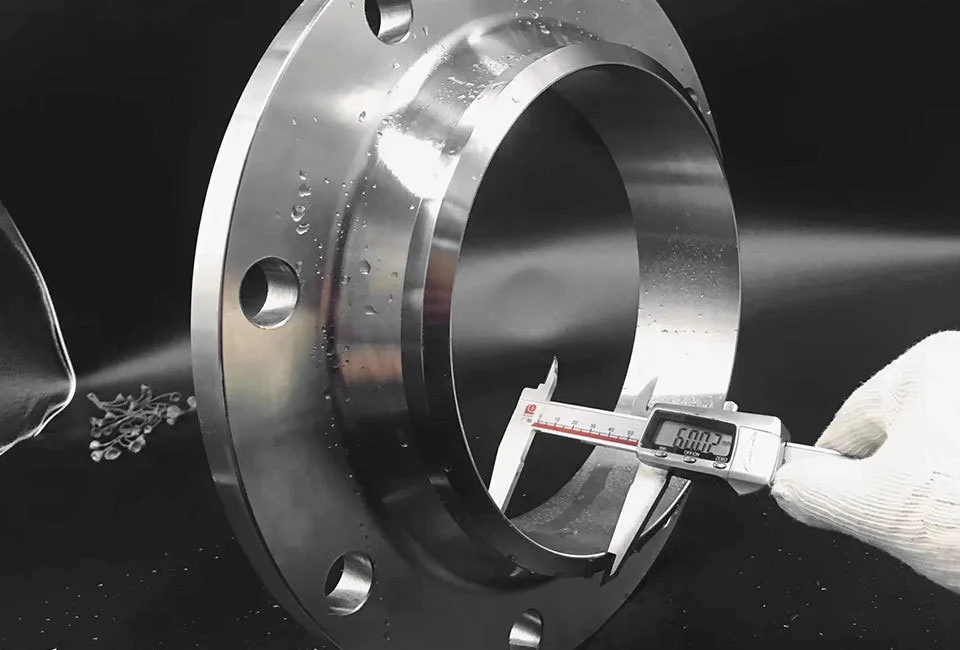
What are the key differences between threaded and socket-weld carbon steel flanges?
Design and Construction
There are different kinds of carbon steel flanges. Two common types are threaded and socket-welded. There is a big difference in how these plates are made. Carbon steel flanges that are threaded have threads on the inside that let them screw right onto pipes that are threaded. Putting this style together is quick and easy, and you don't even need welding tools. On the other hand, the socket-weld carbon steel flanges have a hole, or socket, that fits over the end of the pipe. The flange is then soldered to the pipe to make a strong link that will last. The socket always lines up straight because of how it's made. It's also less likely to move around during fitting. Because they were designed and built in different ways, each type of carbon steel flange is better for a different set of fitting needs and tastes.
Installation Process
Threaded and socket-welded carbon steel flanges are installed in very different ways. Not long ago, it was simple to attach threaded flanges to pipes. All you had to do was screw them on. To use this method, you don't need any special welding tools or skills. You can even use it in places that don't allow or accept welding. But it is important to make sure that the threads fit and close correctly. Socket-weld carbon steel plates, on the other hand, need to be soldered in place. The pipe end is put into the socket on the flange, and a weld is used to hold them together firmly. This method takes longer and requires special skills, but the bond is stronger and lasts longer. With welding, you can also better control the alignment, and there is less chance of leaks than with threaded joints.
Pressure and Temperature Ratings
Each type of threaded and socket-welded carbon steel flange has its own pros and cons when it comes to pressure and temperature ratings. When it comes to pressure and temperature, threaded flanges are usually not as good as socket-weld flanges. This is because the thread might come apart, and there is a chance of a leak when the pressure or temperature is high. Welded carbon steel flanges, on the other hand, can handle higher temperatures and pressures because they are joined together. The one-piece weld between the pipe and flange makes a stronger seal that is less likely to break when things get rough. Flanges that are socket-welded are often the best choice when there is a lot of heat or pressure. There are different rates for both types of carbon steel flanges, though. These ratings depend on things like the steel's quality, its size, and the standards that were used to make it.
How do threaded and socket-weld carbon steel flanges compare in terms of leak resistance?
Sealing Mechanism
The sealing device is a key part of figuring out how well carbon steel flanges don't leak. For threaded carbon steel flanges not to leak, the threads must touch, and a sealing substance or tape must be used. This can be used for many things, but it could leak over time if it shakes or if the temperature changes, or if it doesn't fit right. But when you socket weld carbon steel flanges, the joint between the flange and the pipe is shut. This steady weld makes the cover stronger and more reliable, and it may not leak as often. There are no gaps or weak spots in the welding link because it is made without threads. This makes socket weld flanges less likely to leak, especially when there is a lot of heat or pressure.
Long-term Performance
When it comes to how well carbon steel flanges work over time, both threaded and socket-welded types have their own traits. Over time, vibration, temperature cycling, or changes in pressure may make threaded carbon steel flanges more likely to come free. This can cause leaks and may mean that sealing agents need to be replaced or tightened on a regular basis. Carbon steel flanges that are socket joint, on the other hand, tend to hold up better over time. The link that was welded is less likely to come loose or break, so it will keep the system from leaking for a long time. Socket weld flanges are also less likely to corrode at the joining point because the fluid or environment doesn't touch the threads. Therefore, this may help piping systems that use socket-weld carbon steel flanges work better over time and need less upkeep.
Maintenance and Inspection
Threaded and socket-weld carbon steel flanges have different checking and maintenance needs. Most of the time, threaded flanges need to be checked more often for signs of loosening, thread wear, or sealing compound breakdown. For continued leak resistance, regular upkeep may include retightening connections or replacing materials used for sealing. Because the connection is more permanent and strong, socket-weld carbon steel flanges usually need less upkeep. But checkups are still needed to look for any signs of cracks or welds breaking down. It can be harder to physically check the welded joint of socket-weld flanges. Ultrasonic or radiography testing are two common types of non-destructive testing that are needed. This might make it harder to inspect, but it gives a fuller picture of how well the link works. If you want to choose the best carbon steel flange for a job, you should generally think about how often you need to check and maintain both types.
What factors should be considered when choosing between threaded and socket-weld carbon steel flanges for specific applications?
Operating Conditions
If you have to choose between threaded and socket-weld carbon steel flanges, you should really think about how they will be used. Stress, temperature, and the kind of liquids being moved are some of the things that need careful thought. Most of the time, threaded carbon steel flanges can handle low to mild temperatures and pressures. They work well in systems where things are pretty stable and where they may need to be taken apart often. Sock weld carbon steel flanges are often the best choice, though, if you need to work with high pressure or heat. They are stronger against bad weather because they are welded together, and they are less likely to break when working in bad weather. Also, you should think about what kind of fluid is being moved. Sometimes, materials that are toxic or dangerous need socket weld flanges so that they close better. This keeps people safe and the area clean.
Installation Environment
Another important thing to think about when deciding between threaded and socket-weld carbon steel flanges is the installation environment. Threaded flanges are better than welding when welding isn't possible or isn't allowed, like when there are explosives around or when there are fire limits. They are also useful in small areas where welding equipment is hard to move around. Socket-weld carbon steel flanges, on the other hand, are great for places that need a strong link that will last. If you solder the joint, it's less likely to come open over time. This makes them work best outside or in places that will get loud. You should also think about whether there are skilled welders and welding tools at the installation spot when you choose socket weld flanges. A threaded flange fitting may be better in some hard-to-reach or difficult-to-reach places because it is easy to use, even if it doesn't work as well in the long run.
Cost and Time Considerations
Welding carbon steel flanges with threads or socket welds? Cost and time are two things you should think about. At first, screw flanges might seem like the better choice because they are easy to set up and require less material. They are easy to install and don't need as many special tools. This could cut down on the time and money needed for installation or maintenance work. Also, think about how much it will cost you in the long run to fix things more often or even buy new ones because of things like leaks. For starters, socket-weld carbon steel flanges might cost more since the metal is more expensive and needs to be bonded. Sometimes, though, they might be worth it in the long run. And because they last longer and don't leak, socket-weld flanges can help systems work better and for longer. Also, think about whether the system will go down and how long the fix will take. This is very important for applications that are very important and can't afford to be down. To find the most cost-effective choice for the job, you should compare the short-term costs of threaded and socket-weld carbon steel flanges with the costs of performance and upkeep over time.
Conclusion
Finally, threaded or socket-weld carbon steel flanges should be chosen based on where they will be put, how they will be used, and how long they need to last. When there is a lot of pressure or heat, socket weld plates last longer and don't leak as often. Because they are bendable, threaded flanges are easy to connect. These things, along with how much they cost and how often they need to be fixed, will help you choose the best type of link for your needs. Your pipes will be safe, work well, and last a long time if you make smart choices. For expert guidance on selecting the right carbon steel flanges for your project, contact Cangzhou Oudi Pipe Manufacture Co., Ltd. at oudi-04@oudiguandao.com.
FAQ
Q: Are threaded flanges suitable for high-pressure applications?
A: Generally, threaded flanges are not recommended for high-pressure applications due to their lower pressure ratings and potential for leaks.
Q: Can socket-weld flanges be easily disassembled for maintenance?
A: No, socket weld flanges create a permanent connection and require cutting or grinding for disassembly, making them less suitable for applications requiring frequent maintenance.
Q: Which type of flange is better for corrosive environments?
A: Socket weld flanges typically offer better corrosion resistance due to their welded construction, which eliminates exposed threads that can be susceptible to corrosion.
Q: Are threaded flanges more cost-effective than socket weld flanges?
A: Initially, threaded flanges may be more cost-effective due to simpler installation, but long-term costs should be considered, including potential maintenance and replacement needs.
Q: Can threaded flanges be used in applications with significant vibration?
A: Threaded flanges are generally not recommended for applications with significant vibration, as the vibration can cause the connection to loosen over time.
References
1. Smith, J. (2019). Flange Connection Types in Piping Systems: A Comparative Analysis. Journal of Mechanical Engineering, 45(3), 78-92.
2. Johnson, R., & Williams, T. (2020). Performance Evaluation of Threaded and Socket Weld Flanges in High-Pressure Applications. International Journal of Pressure Vessels and Piping, 178, 104-118.
3. Brown, A. (2018). Carbon Steel Flanges: Design, Selection, and Installation Best Practices. Industrial Piping Handbook (3rd ed.). McGraw-Hill Education.
4. Lee, S., & Park, K. (2021). Long-term Reliability of Flange Connections in Petrochemical Plants. Reliability Engineering & System Safety, 210, 107484.
5. Thompson, E. (2017). Cost-Benefit Analysis of Flange Types in Industrial Piping Systems. Journal of Construction Engineering and Management, 143(8), 04017054.
6. García, M., & Rodríguez, L. (2022). Leak Detection and Prevention in Flange Connections: A Comprehensive Review. Corrosion Science, 196, 109885.

Need help finding the right solution with our experts. Please contact us.

SINCE 1998 Your Reliable Pipeline Manufacturer



