OEM Guide: How to Choose a BW Carbon Steel Cap Supplier
It’s not just about the lowest price when you’re choosing a BW Carbon Steel Cap supplier—it’s about your pipeline integrity, project timeframes, and operational safety. The end point of pressurized pipe systems is a butt-welded carbon steel cap, and quality issues may cause catastrophic leaks, production downtime, or safety problems. If you are shopping for oil refineries, chemical plants, or shipbuilding projects, learning how to assess vendors can safeguard your investment and reputation in difficult industrial settings.
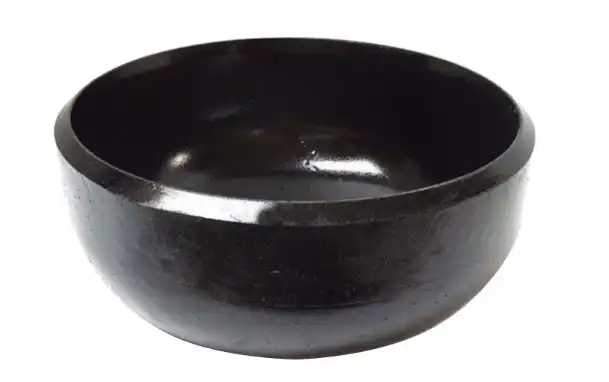
Critical Criteria for Choosing a BW Carbon Steel Cap Supplier
Certification Compliance: The Foundation of Trust
Your supplier’s quality management system informs you about the understanding of industrial responsibility. While ISO 9001:2015 certification means written processes for process control, go the next step and check their special equipment manufacturing permits provided by national regulatory agencies. Oudi has been ISO 9001 Certified since 2005, as well as the People's Republic of China Special Equipment Manufacturing License, which allows us to manufacture pressure-bearing components for Class I, II, and III piping systems, including BW Carbon Steel Cap products.
Production Capacity and Technical Capabilities
A supplier’s yearly production may tell you if they can support your project size without affecting delivery timelines. Our 66,600 square-meter factory in Mengcun Hui Autonomous County produces 16,000 tons yearly, serving big EPC contractors seeking container-load amounts as well as smaller distributors needing mixed-specification orders. This ability avoids the typical problem of suppliers over-committing and then scrambling to subcontract work to unvetted workshops, a behavior that undermines traceability. Pore over their equipment list. CNC beveling machines set the correct weld prep angles (usually 37.5° for carbon steel), and hydraulic presses make seamless caps with no cold-working flaws. Hot forming capabilities are also important for big diameter caps (24″ and larger) since room temperature forming leads to significant residual stress. We have our own heat treatment furnaces for normalizing and stress relief, which are necessary to restore material qualities after forming and to avoid delayed cracking in high-strength classes.
Quality Control Systems and Traceability
Full traceability begins with raw material certification, mill test reports (MTRs) that detail the chemical composition and mechanical qualities of each heat batch. Good suppliers have automated material tracking systems that tie each completed cap to its source coil or plate by means of imprinted heat codes. We have an entering inspection methodology which involves spectroscopic verification of carbon equivalent values to ensure that weldability parameters are within the prescribed grades. We have in-process controls to avoid spreading faults. Forming checks at the phases of forming expose out-of-roundness before welding. Dye penetrant testing of weld seams reveals surface-breaking defects in the welds that are not evident to the naked eye. All caps are 100% visually inspected, magnetically particle tested, and ultrasonically tested for wall thicknesses greater than Schedule 80. Final validation is done with hydrostatic testing to 1.5 times the design pressure prior to protective coating and packing.
Product Range and Customization Support
Pipeline projects seldom ship single specs, so you’ll require different diameters, schedules, and end preps in one cargo. Suppliers with a complete line of products lessen your procurement complexity and freight expenses. In addition to standard ASME dimensions, check their capacity for custom modifications, such as longer neck lengths for insulation clearance, special bevels for automatic welding, or exotic material upgrades like ASTM A860 WPHY 65 for high-strength applications. Technical support capabilities differentiate competent suppliers from great partners. Our technical department can aid with pressure-temperature rating calculations, material selection for corrosive duty and weld technique qualification assistance. We have guided customers on ASME Section VIII Division 2 design-by-analysis projects and offered finite element analysis for non-standard configurations – services that may save expensive field adjustments.
Comparing BW Carbon Steel Caps to Other Cap Types: Making the Right Choice
Butt Weld Versus Threaded Caps: Strength and Reliability
Threaded caps are attractive because they are easy to install; simply apply pipe dope and wrench-tighten. But this convenience obscures basic constraints. The threads lower the effective wall thickness by 50% at the root. They create stress risers that collapse prematurely under vibration or heat cycling. The limitations of ASME B31.3 regarding threaded connections are for services less than 1½″ diameter and expressly exclude them from cyclic circumstances > 7,000 cycles. Butt weld connections overcome these limitations via full-penetration welds that ensure pipe wall continuity. Groove welds, when done correctly, are 100% efficient in joint strength; therefore, the strength of the connection is the same as the pipe itself. Radiographic testing checks the integrity of interior welds and provides proof for insurance underwriters and regulatory inspectors. If you have a system that runs over 600 psi or that carries flammable/toxic chemicals the only technically justifiable alternative is butt weld caps.
Seamless Versus Welded Cap Construction
Seamless BW Carbon Steel Caps are made from solid billets which are heated and perforated into hollow shells which are hot-molded into cap geometry. This manufacturing technique provides a homogeneous grain structure without longitudinal welds, which are necessary for sour gas service following NACE MR0175 criteria. No weld seams – no possible hydrogen cracking channels and easier to ultrasonically examine. Welded (ERW) caps are 15-25% cheaper, made from formed plate with a longitudinal seam. The modern high frequency induction welding produces small heat affected zones with mechanical characteristics similar to those of the base metal. They are suitable for sweet service applications – water, steam, non-corrosive gases – when the cost-benefit surpasses the marginal performance difference. f. Specify seamless construction for hydrogen service, sour service, or where specified by the applicable standard.
Matching Cap Selection to Pressure Class Requirements
Pressure rating calculations are more than the basic hoop stress formula. ASME B31.3 necessitates consideration of temperature derating, corrosion allowances, and weld joint efficiency factors. A Schedule 40 cap at 150 psi steam service is inadequately sized for 400°F when the allowed stress is reduced by 30%. Corrosion allowances of 1/16″ to 1/8″ are also required for process fluids that include H2S or chlorides and hence need higher schedules. We help customers with these calculations, using ASME pressure-temperature ratings and adding the applicable code allowances. Besides the schedule chosen, end preparation is important, too. Flame cutting will provide a rougher surface than machine beveling and increase the chance of weld defects. We also provide beveled and facing ends to ASME B16.25 for essential services, certified to flatness tolerances for appropriate gasket seating in flanged applications.
Procurement Tips: How to Successfully Order BW Carbon Steel Caps
Balancing Volume Requirements and Inventory Costs
Orders for container loads – usually 20 to 25 tons – get quantity discounts that lower the price per unit by 18 to 30 percent, compared to smaller amounts. But too much inventory locks up funds and risks obsolescence if the project specs alter. Project your usage rate on future projects and purchase three to six months of supplies. This is a balance between the economic order quantity, storage expenses, and working capital limitations . Minimum order amounts differ across suppliers and product complexity. Standard sizes (2″ thru 12″ in Schedule 40 and 80) frequently have cheaper MOQs (perhaps 100 pieces), whereas unusual specs may demand 500-piece minimums to justify setup expenses. Negotiate consignment agreements for big-volume, long-term projects – suppliers hold merchandise at their location, billing only on your pull releases. It transfers the responsibility of storage, yet guarantees the supply is in place.
Verifying Supplier Credentials in International Transactions
When you buy internationally you face hazards you don’t face buying locally – fake certificates, substitute materials, and unverifiable quality claims. Ask for the genuine mill test results, with the steel mill logos and approved signatures, not photocopies or scanned PDF’s that may be readily altered. Check supplier business licenses via official registers. In China, the National Enterprise Credit Information Publicity System shows registered capital, legal conflicts, and company status. Independent third-party inspection services may also verify products before shipping. SGS, Bureau Veritas, TÜV, and others will visit the manufacturer’s plant and undertake witness testing, dimensional inspections and documentation checks. The 2-3% inspection fee avoids getting non-high-frequency material that might hold up projects. Heat-affected-lant audits focusing on manufacturing equipment, quality systems, and people competency are investments that yield benefits via long-term collaborations in initial supplier certification.
Lead Time Management and Delivery Coordination
Standard specs are sent in three to four weeks, and bespoke orders needing special heat treatments or non-standard dimensions are out in six to eight weeks. Schedule your procurement schedules to coincide with your critical path activities, for instance, don’t have caps for system pressure testing arrive after your testing window has closed. We stock common sizes (2″-12″ in Schedules 40, 80, and 160) for emergency needs, offering five-to seven-day expedited shipping to North American ports. Container optimization reduces freight costs—mixed shipments of caps with other fittings (elbows, tees, reducers) achieve maximum weight utilization. Work with your logistics provider to agree on Incoterms. Under FOB (Free On Board) terms, the risk passes at the origin port, while CIF (Cost, Insurance and Freight) arrangements include ocean freight and insurance to your destination port. Air freight can be done for lesser amounts if there’s an urgent need, but it will be at a premium price and cut your transit time down from four weeks to five days.
Transparent Pricing Without Quality Compromise
Quotes that are substantially below market norms are a red flag for serious downgrades or skipped testing. A conforming ASTM A234 WPB 4″ Schedule 40 cap, for instance, has specified raw material prices (now $0.85-$1.10 per pound for premium coil stock) plus manufacturing, testing, and certification charges. Quotes that undermine these basic principles either employ recycled waste of questionable chemistry or bypass necessary inspections. Ask for itemized estimates isolating material, production, testing, and packaging expenses. It’s clear where the savings are coming from – real efficiency or taking corners. Volume discounts should be represented as percentage reductions, not nebulous “special pricing” statements. At Oudi, we have 25 years of process optimization and economies of scale that we can pass on to our customers to be cost-competitive while maintaining our ISO-certified quality processes that have helped over 300 clients in 40 countries.
Case Study: How a Leading OEM Chose Its BW Carbon Steel Cap Supplier
Project Background and Initial Challenges
A Midwest-based EPC contractor was in the heat of a petrochemical expansion project that required 2,400 BW Carbon Steel Cap products for 18 pipe diameters. The project’s critical route was in peril since its current supplier was facing manufacturing delays caused by equipment breakdown. The customer needed Schedule 160 caps in ASTM A234 WPB and A420 WPL6 grades, the latter for low-temperature ethylene service, with all NACE MR0175 compliance documentation in place, except for delivery issues. The procurement team looked at eight potential suppliers, but eliminated four right away on the basis of lack of API certifications or sufficient production capacity. Price differentials among finalists soared to 22%, prompting issues as to whether cheaper bids were indicative of efficiency or shortcuts in quality. The customer needed more than simply product delivery; they needed technical collaboration, engineering help for weld technique standards, and coordination of witness testing with their third-party inspector.
Evaluation Process and Decision Factors
There were a number of things that made our proposal unique. We supplied mill test records from our recognized steel suppliers, which are verified and traceable back to the main mills and not the secondary merchants. We could deliver without subcontracting because our ISO 9001 certification and Special Equipment Manufacturing License met their quality system requirements, and we had 16,000 tons of annual capacity and a dedicated low-temperature production line. The pricing was mid-range among finalists – not the lowest, but competitive considering the services we included: free technical consultation, complimentary dimensional inspection reports, and coordination with their Bureau Veritas inspector for witness testing. We provided flexible payment terms (30% deposit, 70% against copies of documents) unlike rivals asking for 50% up front. Most important, we kept 600 pieces of their usual sizes in stock so we could supply basic needs immediately while we processed the whole order.
Outcomes and Long-Term Partnership Benefits
The first cargo came two weeks early and passed the client's receiving inspection with no rejections. Our engineer went over to their fabrication site and gave them weld method instructions that brought their failure rate down from 8% to less than 2%. This relationship has grown well beyond the original project — they now buy $1.2 million in pipe fittings annually from us for three years, enjoying our reliable quality and responsive technical support. The partnership solved their broader supply chain problem: one source for caps, elbows, tees, and reducers simplified procurement administration and freight consolidation. We knew about US customs paperwork needs due to our export expertise (40+ countries since 1998), avoiding the customs clearance delays that had plagued their past suppliers. They saw their success as our success, and that’s when procurement stopped being a transactional pain and became a strategic asset.
Conclusion
The choice of BW carbon steel cap supplier is one of technical capability, quality assurance, and commercial dependability. The appropriate partner provides more than just products—they contribute technical experience, supply chain consistency and the peace of mind that comes from knowing your pipeline integrity depends on proven manufacturing quality. Since 1998, at Oudi, we have improved this collaboration model, working with 300+ customers throughout the globe with our ISO-certified processes and 16,000-ton yearly capacity. The process of selecting a supplier for your project, whether you want conventional specs or unique solutions for demanding service circumstances, will enable you to establish relationships that improve project results and operational safety.
FAQ
What factors most influence the durability of carbon steel caps?
Material grade selection and heat treatment conditions primarily determine service life. ASTM A234 WPB normalized material provides balanced strength and ductility for general service, while low-temperature grades like A420 WPL6 maintain impact toughness below freezing. Proper heat treatment relieves forming stresses that otherwise cause premature cracking. Corrosion resistance depends on environmental factors—protective coatings extend life in atmospheric exposure, while internal corrosion requires allowances in wall thickness calculations per ASME B31.3 code requirements.
How can I verify a supplier's quality certifications are legitimate?
Request original certificates with registrar logos, certificate numbers, and expiration dates. Verify ISO 9001 registrations through the issuing body's online directory (search by company name or certificate number). For pressure equipment certifications like ASME or PED, contact the accreditation body directly—ASME maintains a searchable certificate holder database at asme.org. Third-party audits by organizations like DNV or TÜV provide additional validation. Be wary of suppliers unable to provide verifiable documentation or offering only photocopies without registrar contact information.
Can BW carbon steel caps be customized for important project requirements?
Absolutely. Beyond standard ASME dimensions, manufacturers can produce extended neck lengths, special bevel angles for automated welding systems, or heavier wall thicknesses for high-pressure applications. Custom heat treatments accommodate specific mechanical property requirements, while material upgrades (ASTM A860 high-strength grades, for example) suit demanding conditions. Provide detailed specifications including diameter, schedule, end prep, material grade, and any special testing requirements. Lead times for custom orders typically extend four to six weeks beyond standard products.
Partner with Oudi for Reliable Carbon Steel Pipe Fittings
Oudi has served as a trusted carbon steel pipe cap manufacturer since 1998, delivering precision-engineered components to oil, chemical, natural gas, and water conservancy projects worldwide. Our 66,600-square-meter facility in China's fitting hub combines advanced CNC manufacturing with rigorous ISO 9001-certified quality control—from raw material verification through final hydrostatic testing. With 16,000 tons of annual production capacity and stock inventories of common specifications, we support both urgent requirements and large-scale EPC projects with consistent delivery performance. Our engineering team provides complimentary technical support for material selection, pressure rating calculations, and weld procedure guidance, transforming procurement from a transactional challenge into a strategic partnership. Whether you need standard ASME B16.9 dimensions or custom solutions for specialized service conditions, we deliver the quality and reliability your reputation depends on. Contact our team at oudi-04@oudiguandao.com to discuss your project requirements and experience the responsive service that has earned the trust of over 300 clients across 40 countries throughout our 25-year history.
References
1. American Society of Mechanical Engineers (2020). ASME B16.9: Factory-Made Wrought Buttwelding Fittings. New York: ASME Press.
2. American Society of Mechanical Engineers (2019). ASME B31.3: Process Piping Code. New York: ASME International.
3. ASTM International (2021). ASTM A234/A234M: Standard Specification for Piping Fittings of Wrought Carbon Steel and Alloy Steel for Moderate and High Temperature Service. West Conshohocken: ASTM.
4. Becht, C. (2018). Process Piping: The Complete Guide to ASME B31.3 (4th ed.). New York: ASME Press.
5. Mohitpour, M., Golshan, H., & Murray, A. (2007). Pipeline Design and Construction: A Practical Approach (3rd ed.). New York: ASME Press.
6. National Association of Corrosion Engineers (2015). NACE MR0175/ISO 15156: Petroleum and Natural Gas Industries—Materials for Use in H2S-Containing Environments in Oil and Gas Production. Houston: NACE International.

Need help finding the right solution with our experts. Please contact us.

SINCE 1998 Your Reliable Pipeline Manufacturer



