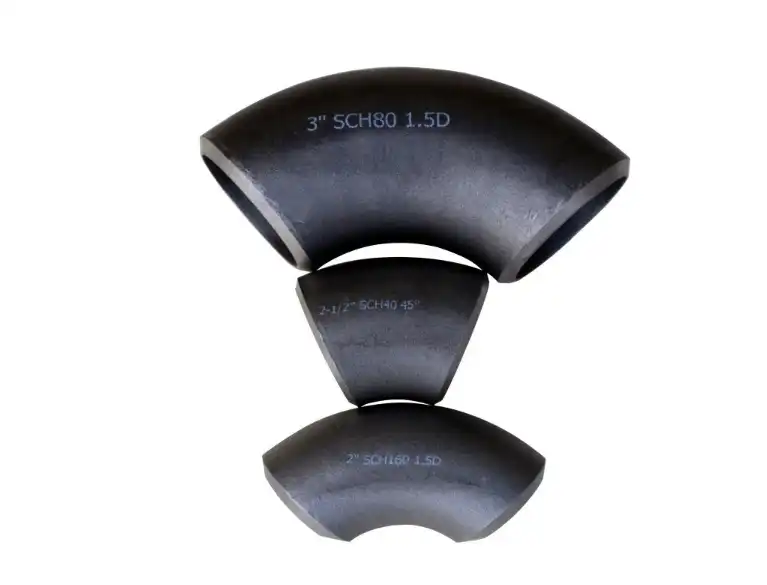
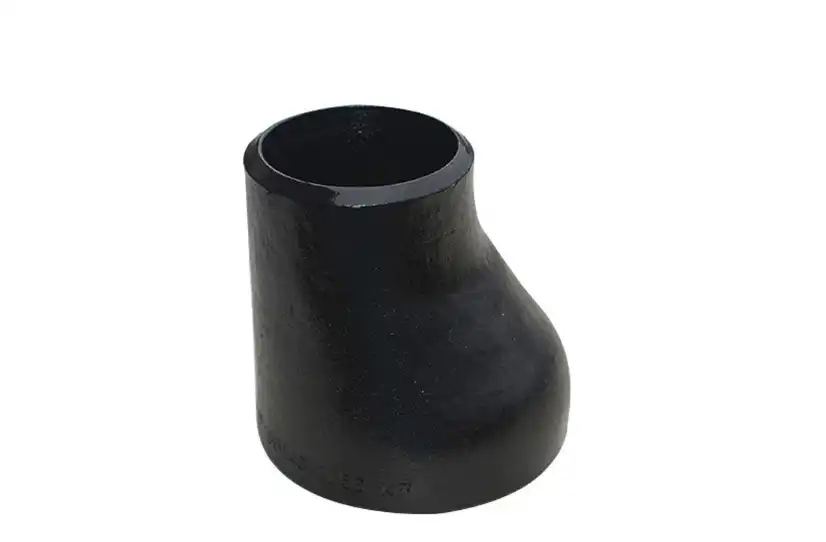
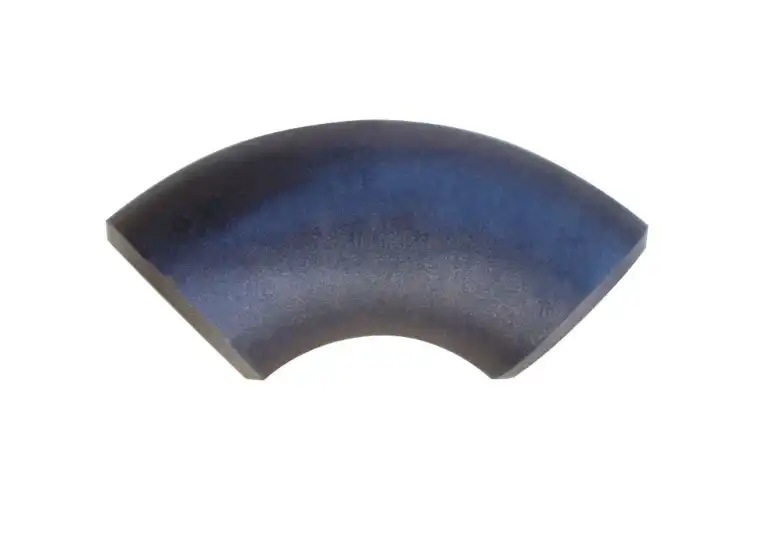
Precision-machined elbow Solutions for High-Pressure Systems
Precision-machined elbow becomes the essential part that avoids catastrophic breakdowns when high-pressure systems demand total dependability. CNC milling and turning are used to make these high-tech pipe fittings, which achieve micron-level dimensional accuracy. This eliminates problems with flow turbulence, vibration-induced leakage, and inconsistent dimensions that commonly occur with standard fittings. Precision-machined elbows get rid of dead zones where corrosive media build up by making sure the internal surfaces are perfectly concentric and very smooth. This makes them essential in industries where system integrity directly affects operational safety and profitability.
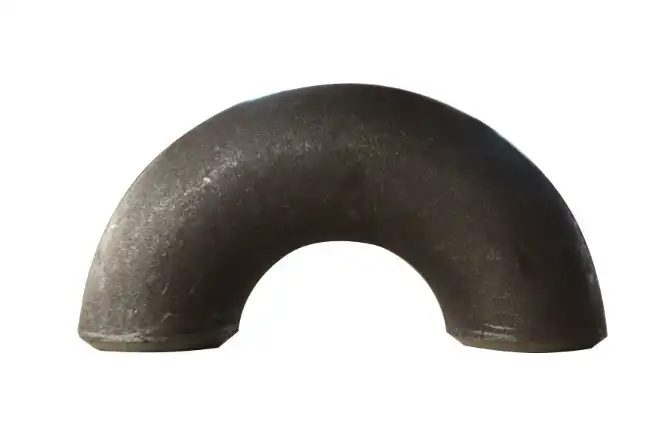
Understanding Precision-Machined Elbows in High-Pressure Applications
Precision-machined elbows offer a significant improvement over standard pipe joints. Standard elbows that are cast or forged work well for most uses, but parts that need to be engineered to tight tolerances that traditional manufacturing can't do are needed in high-pressure environments.
Why Dimensional Accuracy Matters in Critical Systems
Another difference between a regular elbow and a precision-machined one is how they are made. Fittings made with traditional methods, such as casting or forging, have fundamental differences in size, surface texture, and material quality. When there is a lot of pressure, these flaws turn into liability points. We've seen over many years of working with the oil, chemical, and natural gas industries that even small surface roughness can cause turbulence patterns that weaken joints over time.
These flaws can be fixed with precision machining, which starts with a solid billet of material and removes material using controlled subtractive processes. This method keeps the grain structure of high-quality metals like Inconel, 316L stainless steel, and certain types of titanium intact. The part that comes out of this has limits of ±0.01mm or less for every internal surface, wall thickness measurement, and angle standard.
Performance Advantages That Translate to System Longevity
Taking care of risks that build up over thousands of operational cycles is part of running a high-pressure system. Three important performance areas are where precision-machined elbows really shine. By electropolishing, a better surface finish can often get internal roughness (Ra) values below 0.4μm. This creates laminar flow conditions that keep erosion at direction changes to a minimum. The consistent dimensions make sure that connection points are hermetically sealed, which stops the tiny leaks that cause safety problems and environmental damage. When you machine from solid stock, you make the material more uniform. This makes it more resistant to wear when it is heated and cooled and when it is under mechanical stress.
These benefits show up in different ways in different industries. In a natural gas gearbox, the smooth internal geometry keeps particles from building up, which could damage flow meters. In chemical processing plants that work with corrosive materials, the lack of internal cracks eliminates places where corrosion could start. When manufacturing tolerances allow for thinner but stronger wall profiles, designs can be made that are lighter. This is useful for shipbuilding.
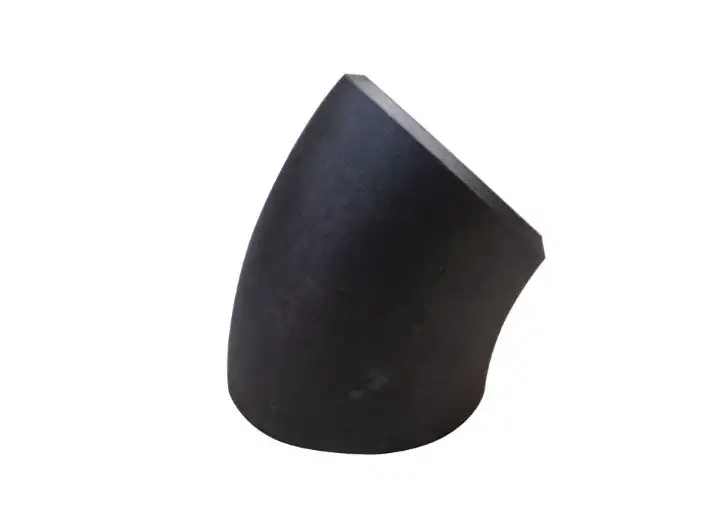
Precision-Machined Elbow Design and Manufacturing Process Explained
Understanding how we make precision-machined elbows helps you understand why these parts are so important in serious situations.
Material Selection Driven by Application Requirements
Choosing the right material for the job is the first step in making sure that a high-pressure elbow works well. We keep a wide range of raw materials in stock at Oudi to meet the needs of all kinds of industries. For moderate-pressure water conservation jobs and building work, carbon steel grades are a cost-effective choice. 304, 316, and 316L stainless steels are most often used in petrochemical and food-grade installations where resistance to corrosion is a must. Speciality alloys like Hastelloy, Monel, and Inconel are used in harsh environments like oil extraction under the sea and fuel systems in spacecraft.
It is the first quality check in our process that the material is certified. Each billet comes with a Mill Test Report (MTR) that meets the requirements of EN 10204 3.1 or 3.2. This lets you track the chemicals used in the billet all the way back to their source. Our incoming inspection team uses X-ray fluorescence spectrometry to do Positive Material Identification (PMI), which means they check that the real alloy chemistry fits the paperwork before the material goes into production.
CNC Machining Protocols That Ensure Repeatability
We use multi-axis CNC machining centers in our factory that are specifically set up to make pipe fittings. The first step is to use computer-aided design models to record all the dimensions and angles, including those that aren't normal 45° and 90°. Purchasing managers often ask for specialised manifold systems with compound angles like 22.5° or 60°, which can't be made by casting or bending.
During machining, roughing operations are usually used to set the basic shape, and then precision finishing passes are used to reach the final size goals. Tool path optimisation makes sure that the rate at which material is removed stays the same, which stops work hardening or thermal distortion. Finishing the inside of a hole gets extra attention because the surface directly affects how the fluid flows and how well the seal works.
Quality Verification at Every Production Stage
At Oudi, quality control goes beyond the final inspection. Our quality management system, which is approved by ISO 9001:2000, requires regular checks while the work is being done. Coordinate Measuring Machine (CMM) analysis maps three-dimensional geometry, proving accuracy in angles and regularity in wall thickness. Ultrasonic Testing (UT) and Dye Penetrant Inspection (DPI) are two types of non-destructive testing that can find tiny cracks in the ground that can't be seen with the naked eye.
Pressure testing is the last step in making sure everything is okay before shipping. Every precision-machined elbow is tested in water at 1.5 times the rated working pressure. Helium mass spectrometry leak detection is used for important uses to make sure there is no leaking at the molecular level. This all-around approach shows that we're dedicated to providing parts that meet ASME B16.9 standards and often go above and beyond them, with pressure ratings of 10,000 PSI or higher.
Comparing Precision-Machined Elbows with Other Elbow Types
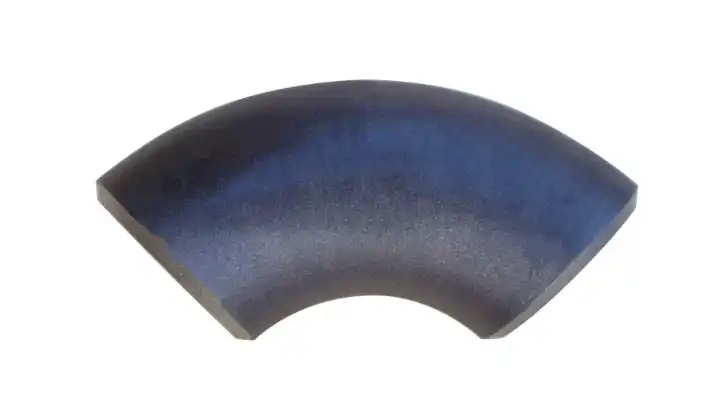
When making decisions about what to buy, it helps to know how precision-machined versions stack up against other ways of making things.
Dimensional Control Versus Forged and Cast Alternatives
Forged elbows are strong because they are made by mechanically moving hot metal, but the process makes the limits for size bigger. Forged parts can have wall thickness differences of up to 10% of their nominal specifications. This is fine for most uses, but it can be a problem when mating surfaces need to fit perfectly. Even more variation can be found in cast elbows, which can have porosity issues and grain structures that are hard to predict, which lowers their fatigue resistance.
With precision cutting, these doubts go away. If you tell our CNC process that the wall thickness should be 3.5 mm, the whole part will be 3.50 mm ±0.02 mm. This precision is very important in modular systems where many parts need to line up without any changes in gasket compression or stress concentration points.
Material Performance Characteristics Across Common Alloys
Depending on the needs of the application, you can choose between precision-machined elbows made of stainless steel or aluminium. Stainless steel is great for chemical processing and marine environments because it doesn't rust and keeps its mechanical properties over a wide range of temperatures. Because the material is dense, it can hold pressure in small spaces.
Aluminium alloys work great in places where weight is important, like mobile equipment and aerospace hydraulics. When properly handled, grades like 6061-T6 are easy to machine and decently resistant to rust. Aluminium's ability to quickly move heat around can be useful in systems that need to do so. But because aluminium doesn't have as much yield strength as stainless steel, walls have to be thicker or pressure ratings have to be lowered to keep safety levels the same.
Our engineering team helps customers choose materials by looking at things like working pressure and temperature, compatibility with fluids, weight limits, and costs over the whole life of the product. This consultative approach makes sure that certain parts work at their best in the conditions they were made for.
How to Choose the Best Precision-Machined Elbow for Your High-Pressure System
To do a good job of procurement, you need to compare technical specifications to operational needs and supplier capabilities.
Critical Specification Parameters to Define
The main picking criteria are the pressure ratings. Components must safely hold the highest expected system pressure with enough room for error. We design precision-machined elbows with burst pressures that usually exceed three times the maximum allowed working pressure (MAWP). Compatibility across a wide range of temperatures comes next. Materials and seal designs must stay strong during start-up, operation, and shutdown heat cycles.
Assessing fluid suitability keeps materials from breaking down or getting contaminated. Different materials and surface finishes must be met for corrosive chemicals, high-purity gases, and abrasive slurries. Specification of the connection type makes sure that it works with existing system parts, whether they are threaded, socket-welded, or ready for orbital welding with special face-seal geometries.
Geometric Considerations for Flow Optimisation
The choice of elbow radius affects both the pressure drop and the footprint. When compared to short-radius versions, long-radius elbows with a centerline radius equal to 1.5 times the nominal pipe diameter have less turbulence and erosion. But installations with limited space might need tighter geometries where precision machining keeps the flow characteristics acceptable through better internal finish.
In three-dimensional pipe plans, custom angles come up a lot. Our CNC can work with any angle, which lets us do optimised cutting that cuts down on the number of fittings and possible leak points. Compound angles that change both horizontal and vertical directions can be machined into a single piece, which makes installation easier and improves the reliability of the system.
Supplier Evaluation and Procurement Best Practices
Verification of certification is the basis for qualifying suppliers. Our special equipment production licenses from Chinese regulatory officials, along with our ISO 9001 certification, show that we follow quality management principles that are known all over the world. These qualifications show that process control, calibration management, and tracking are done in a planned way.
An evaluation of production capacity makes sure that suppliers can meet volume needs within the time frames needed. Oudi can handle up to 16,000 tonnes of cargo every year, which is enough for both big projects and regular maintenance, repair, and operations (MRO) needs. Because we keep a large stock of raw materials in carbon steel, stainless steel, and alloys, we can keep lead times for custom precision components between 2 and 4 weeks, which is much shorter than the average for machined fittings in the industry.
Technical support capabilities distinguish vendors who provide products from partners who solve problems. Our engineering team works with customers to come up with specifications, do material substitution analyses when desired grades aren't available, and fix problems after the installation is done. This knowledge, gained from working with more than 300 clients in over 40 countries, means less risk in the buying process and faster project completion.
Trusted Suppliers and Procurement Tips for Precision-Machined Elbows
To build trusting supply chains for precision-machined elbows, you need to know what sets competent manufacturers apart from truly capable partners.
Quality Assurance Measures That Protect Your Investment
Completion of documentation is the first sign of quality awareness. Every shipment should have full MTRs, dimensional inspection reports, and test certificates. As standard paperwork, Oudi gives out Material Test Reports that meet EN 10204 standards, pressure test certifications, and CMM inspection data. This paperwork lets your quality team check for compliance before parts are put into stock.
The range of inspection options shows how complex the manufacturing process is. Advanced suppliers keep tools for chemical analysis, mechanical property testing, and non-destructive examination in addition to basic dimensional verification. Our building has spectrometers for checking the alloy, tensile testing tools for checking the mechanical properties, and ultrasonic flaw scanners for checking for internal flaws. Because of these skills, we can find non-conformances before they reach customers, instead of waiting for them to be found after the fact.
Customisation Capabilities and Engineering Support
Standard catalogue parts meet most needs, but solutions that are specifically made for critical systems are often needed. When we use CNC to make things, we can make them exactly how you want them without having to buy special tools, as we do for cast or forged products. When clients give us specific dimensions, non-standard materials, or surface treatments they want, we turn those into machine programs that make parts that fit perfectly.
Collaboration in engineering goes beyond just completing orders. We've helped with a lot of projects where the original specifications had to be changed because of changes in regulations, the availability of materials, or ways to save money. Our scientific team suggests different materials based on their performance, suggests changes to the geometry that keep the usefulness while making it easier to make, and helps with pressure drop calculations that confirm fitting choices.
Building Long-Term Supply Relationships
Quality and delivery that are always the same build trust, which turns vendors into strategic partners. We are committed to keeping a large inventory of popular materials and sizes so that we can quickly meet immediate needs. For example, customers in the electric power sector depend on our speedy delivery of important parts that keep unexpected downtime to a minimum.
We know about international standards and logistics needs because we have exported goods around the world. We've worked with clients in markets across Europe, the Americas, Africa, Southeast Asia, and the Middle East. We know how to handle paperwork needs, set up freight forwarding, and make sure that we follow the rules of the target country. This experience makes buying things easier for international projects where the supply chain is more complicated, and delays are common.
Competitive pricing that reflects value instead of just cost, relationships are set up to last. Our pricing structure takes into account the cost of materials, the difficulty of the process, and the strictness of quality control, while still being competitive with global options. Pricing tiers based on volume reward bigger promises, and framework deals keep prices stable for projects that last more than one year.
Conclusion
Precision-machined elbows meet the needs of high-pressure systems for accurate measurements, solid materials, and smooth surfaces. These parts are different from regular fittings because they address the critical failure modes that compromise safety and operational efficiency in demanding situations. Precision-machined elbows require a high level of production skill, from choosing the right materials and using CNC machines to making sure they are inspected thoroughly after each step. This ensures performance stability that makes the investment worthwhile. Strategically choosing a supplier based on certifications, technical skills, and past export experience lowers the risk of buying something and gives you access to customisation and engineering support that improves system performance.
FAQ
1. What advantages do precision-machined elbows offer over forged alternatives in hydraulic systems?
When compared to forged parts, precision-machined elbows offer much tighter size tolerances and better surface finishes. These features are very important for high-vacuum or ultra-high-pressure seal uses where regular forgings can't maintain joint integrity. The controlled machining process gets rid of the differences in size that come with forging. This makes sure that the mating surfaces are always flat and concentrically matched, which stops micro-leakage when they are loaded and unloaded repeatedly.
2. Can precision-machined elbows accommodate custom angles beyond standard 45° and 90° configurations?
CNC machining lets you make parts with any shape you want, even non-standard angles like 22.5° and 60°, or complex angles that combine changes in more than one way. This adaptability helps with custom manifold designs and installations with limited space where standard fittings can't do the routing that's needed. Custom angles get rid of the need for multiple fittings, which cuts down on possible leak points and the difficulty of installation.
3. How do manufacturers prevent corrosion at elbow joints in precision-machined assemblies?
Preventing corrosion starts with precisely cut chamfers that allow full-penetration orbital welding. This makes sure that the joint is as strong and resistant to corrosion as the parent material. Different ways to connect use special face-seal shapes, like VCR or SAE fittings, with carefully machined surfaces that make metal-to-metal seals that get rid of the risk of crevice rust. Corrosion resistance that lasts for a long time depends on choosing materials that are right for the job.
4. What documentation should accompany precision-machined elbows to verify quality and traceability?
Material Test Reports (MTRs) that are certified to EN 10204 3.1 or 3.2 standards are part of full documentation packages. These report the chemical composition and mechanical properties of an item and can be traced back to its original heat numbers. Reports of dimensional inspections that include CMM measurement data show that the product meets the requirements. Pressure test certificates show that hydrostatic testing was successful at 1.5 times the design pressure, which confirms the structure's integrity before it is shipped.
Partner with Oudi for Precision-Machined Elbow Solutions
Since 1998, Oudi has been making precision pipe fittings for industries that are very important and where system failure would have terrible results. Our quality management system is ISO 9001:2000 certified, and we have licenses to make special equipment. This shows that we are committed to meeting the high standards that your high-pressure applications need. As a precision-machined elbow supplier with a lot of experience, we keep a large stock of carbon steel, stainless steel, and specialty alloys so that we can quickly respond to both planned projects and urgent needs. Our engineering team works with you to choose parts that meet your price and performance needs. They can make up to 16,000 tonnes of parts every year, so they are always available. You can email our technical experts at oudi-04@oudiguandao.com to talk about your precision-machined elbow needs, ask for material certifications and sample parts, or get detailed quotes for your specific application. We offer the precise measurements, high-quality materials, and dependable supply chains that turn buying parts from a necessary evil into a strategic asset.
References
1. American Society of Mechanical Engineers (2020). ASME B16.9: Factory-Made Wrought Buttwelding Fittings. New York: ASME Press.
2. Boyer, H.E. & Gall, T.L. (2018). Metals Handbook: Properties and Selection of Stainless Steels, Tool Materials and Special-Purpose Metals. Materials Park, OH: ASM International.
3. Hydraulic Institute (2019). Engineering Data Book: Flow of Fluids Through Valves, Fittings, and Pipe. Parsippany, NJ: Hydraulic Institute Publications.
4. International Organization for Standardization (2021). ISO 10204: Metallic Products - Types of Inspection Documents. Geneva: ISO Standards.
5. Mohitpour, M., Golshan, H. & Murray, A. (2017). Pipeline Design and Construction: A Practical Approach (Third Edition). New York: American Society of Civil Engineers Press.
6. Shigley, J.E. & Mischke, C.R. (2019). Mechanical Engineering Design (Eleventh Edition). New York: McGraw-Hill Education.

Need help finding the right solution with our experts. Please contact us.

SINCE 1998 Your Reliable Pipeline Manufacturer