What Should You Look for in a Custom Carbon Steel Elbow Supplier?
Picking the right provider for Custom carbon steel elbows for industrial pipe systems can make or break the success of your project. Custom carbon steel elbows are key parts that change the flow of gas or fluid in pipelines in harsh environments, such as chemical plants that are acidic or under high pressure. The best supplier doesn't just send you fittings; they also offer certified quality, technical know-how, and reliable delivery that keeps your business running smoothly without delays or quality problems that cost a lot of money.
Understanding Custom Carbon Steel Elbows and Their Key Specifications
Custom Carbon Steel Elbows: An Introduction to Their Important Features
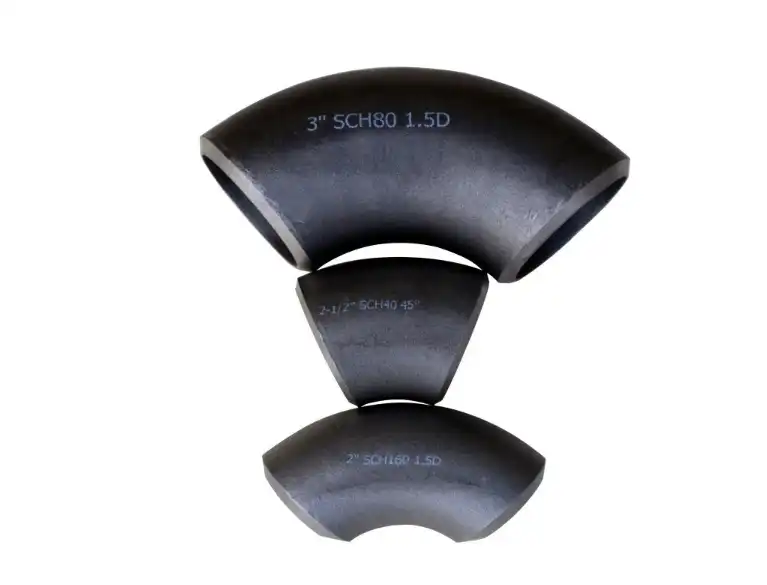
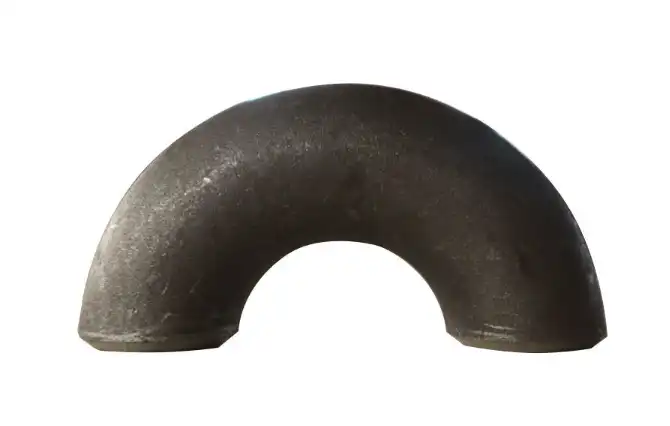
Custom carbon steel elbows are a type of specialised pipe fitting that can change the flow of a pipeline at different angles while keeping the system's integrity. In places like oil factories, chemical plants, and water treatment plants, where there is a lot of pressure and corrosion, these parts are essential.
Seamless vs. Welded Construction Methods
There are two main types of production for carbon steel elbows: seamless and soldered. When solid steel billets are heated and shaped without joins, this is called hot forming. This is how seamless elbows are made, and they offer better strength and resistance to pressure. Welded elbows are made by joining steel plates or pipes together using welding methods. This saves money for applications with larger diameters while still providing good performance for moderate pressure situations.
Manufacturing Techniques That Matter
The way the elbows are made has a big effect on how well they work. Hot pressing and hot bending are still the most common ways to make things. To make precise bends, hot pushing involves heating sections of pipe and forcing them through special dies. This method makes sure that the wall thickness and mechanical properties are the same all the way through the fitting. Controlled heating and slow shaping are used in hot bending to get the angles needed without damaging the structure.
Critical Dimensional and Performance Standards
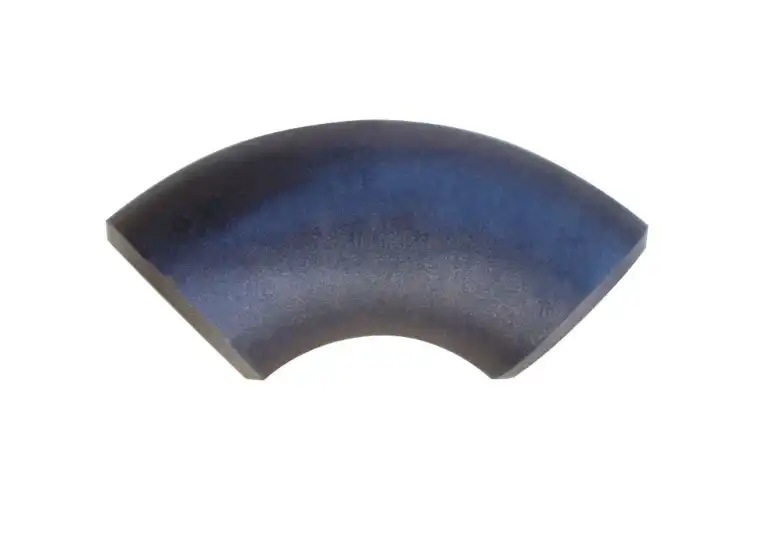
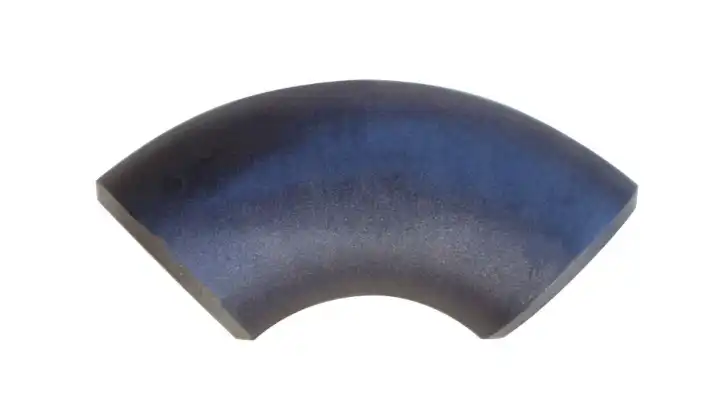
When purchasing professionals look at Custom carbon steel elbows, they should make sure of a few important details. The correctness of the dimensions, such as the outer diameter, wall thickness, and bend radius, must meet the needs of the project. Standard angles include 45-degree and 90-degree angles, as well as long radius and short radius versions that meet different flow and space needs. Pressure values that meet ASME B16.9 standards make sure that the system can be used safely in certain situations. Material certifications that check the chemical makeup and mechanical properties make sure that the material is safe for use in transport and in the environment.
Knowing about certifications like ASTM A234 for carbon steel fittings, ASME standards for dimensional conformance, and ANSI specifications for pressure ratings helps you make smart choices. These international standards set the bar for quality control and reliable performance in a wide range of industrial settings.
Critical Criteria for Evaluating Custom Carbon Steel Elbow Suppliers
Important Things to Look for in Custom Carbon Steel Elbow Suppliers
To choose a supplier, you need to carefully look at them from a lot of different angles that have a direct effect on the project's results. This evaluation process is based on three main ideas: quality assurance, manufacturing flexibility, and clear pricing.
Material Quality and Testing Protocols
From getting the raw materials to the final review, superior providers strictly control quality. Chemical makeup analysis checks that the amount of carbon, manganese, and other alloying elements meets the standards. Tensile strength, yield strength, and hardness qualities are checked by mechanical means. Dimensional inspection makes sure that the product meets the requirements of the drawing. Oudi uses thorough testing methods, such as spectroscopic analysis to make sure the materials are correct and hydrostatic testing to make sure the pressure integrity of the products. These methods are backed by our ISO 9001:2000 certification and special equipment manufacturing license.
Manufacturing Capabilities and Customisation Flexibility
The ability to meet the needs of a wide range of projects is what sets exceptional suppliers apart from commodity providers. The factory should be able to handle both small special orders and big production runs. Our Oudi plant's annual output capacity of 16,000 tonnes makes sure that we always have what you need without extending lead times. Technical skills need to go beyond standard setups and include unique sizes, different bend radii, special grades, and secret specs. CNC bending machines, heat treatment furnaces, and precision machining centres are examples of high-tech production equipment that make it possible to make things precisely and consistently.
Transparent Pricing and Commercial Terms
For procurement to be cost-effective, pricing structures, minimum order quantities, and payment terms must be made clear. Reliable sellers give thorough quotes that break down the costs of materials, processing, and extra services. Knowing the minimum order quantity (MOQ) helps with managing inventory and setting budgets. Letters of credit, wire transfers, and other forms of international payment can be used, and flexible payment terms make it easier for businesses to work together across global supply chains.
Supplier Reliability and Service Excellence
Dependable suppliers and great service
In addition to quality products, operational reliability and customer service are what set industry leaders apart from other vendors. Delivering on time and getting expert help quickly have a big effect on project timelines and problem solutions.
Logistics and Delivery Performance
A good logistics system makes sure that products get to job places on time and in good shape. Suppliers should show that they know how to handle international shipping, including the right paperwork for clearing customs, the right packaging to keep items safe during transit, and working with freight forwarders to find the cheapest routes. Being in Cangzhou, which is only 120 kilometres from Tianjin Port, gives Oudi easy access to fast ocean freight connections that serve markets in North America, Europe, and other parts of the world. Strong packaging rules, like using wooden crates, protective wrapping, and secure palletisation, keep goods safe during long-distance shipping.
Track records of on-time deliveries show how disciplined operations are and how well production planning works. Suppliers with 95% or higher on-time delivery rates show they are committed to sticking to the plan. This dependability is very helpful for building projects with tight due dates for milestones and EPC contracts that need coordinated delivery schedules for materials.
Customer Support and Technical Consultation
Technical support that is easy to get to speeds up the process of choosing specifications and solving problems throughout the lifecycle of a project. Sales engineers who know what they're doing should help with choosing the right material grade, figuring out the right dimensions, and deciding if the product is right for the job. Responding quickly to emails, calls, and videoconferencing lets you work with people in different time zones and answer urgent questions. After the sale, help with things like installation questions, quality issues, or guarantee claims shows that the seller really wants the customer to succeed.
Having worked with more than 300 customers in over 40 countries, we know that technical support is often just as important as the products themselves. Procurement professionals like it when suppliers take the time to understand the needs of a project and suggest the best solutions instead of just processing orders.
Comparing Common Market Options: Custom Carbon Steel Elbows vs Alternatives
Custom carbon steel elbows vs. other options on the common market
Procurement experts can match part specifications with application needs and price limits when they know what products are available.
Seamless vs. Welded Carbon Steel Elbows
Seamless elbows work best in high-pressure situations where the structure needs to be as strong as possible. Since there are no weld gaps, there are no weak spots. This makes seamless construction perfect for important applications in oil and gas transfer, high-pressure steam systems, and offshore platforms. The manufacturing method makes sure that the fitting has the same metallurgical qualities all the way through, which improves its resistance to wear and long-term dependability. As a result of their better performance and higher production complexity, smooth elbows usually come with higher prices.
It is cheaper to use welded elbows for applications with large diameters and moderate pressures. With today's welding methods, you can make joints that are reliable and meet industry standards for less money. These fittings work well in places that treat water, run HVAC systems, and do industrial work where the pressure needs to stay within normal limits. Lead times for welded elbows are often shorter, which is good for projects that need to get them quickly.
45-Degree vs. 90-Degree Configurations
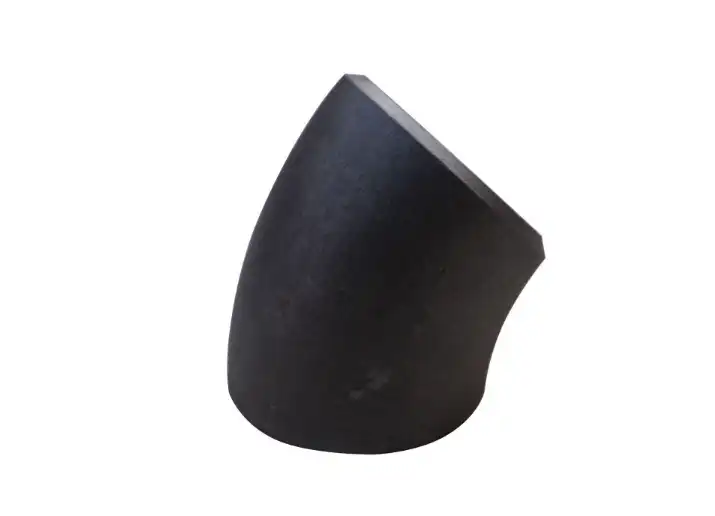
Choosing the right angle affects how the flow works, how much space is used, and how hard it is to install. The 45-degree bend makes changes in direction more gradual, which lowers flow turbulence and pressure drops. In situations where fluid speed is important or where a gradual path around obstacles is needed, this configuration works well. Using more than one 45-degree elbow can make compound angles that can be used in a variety of spaces.
The standard right-angle way to change directions perpendicularly is with an elbow that is bent 90 degrees. The long radius and short radius versions can both work in different types of spaces. Long radius 90-degree elbows (with a centerline radius 1.5 times the nominal diameter) have less flow resistance than short radius ones (with a centerline radius equal to the nominal diameter). This makes them better for pumping systems and other uses that care about pressure loss.
Ensuring Long-Term Partnership: Evaluating Supplier Brand Reputation
Making sure of a long-term partnership: checking the reputation of the supplier's brand. For supplier relationships to last, trust must be established, quality must be delivered consistently, and risks must be managed well. Doing your research before choosing a provider stops problems and disruptions in the future.
Verification of Credentials and Certifications
Certifications in an industry show that a supplier has the skills and systems needed to manage quality that are needed. The ISO 9001 certification shows that a company is dedicated to systematic quality assurance, which includes keeping records, controlling processes, and always making things better. Regulatory authorities give special equipment production permits to make sure that safety standards are met for pressure vessel and pipe components. Material certifications from steel mills and test records from separate labs prove the material's chemical makeup and mechanical qualities.
Looking at customer reviews and case studies of Custom carbon steel elbows shows performance in the real world that goes beyond what is said in marketing materials. References from clients in similar industries can help you figure out how reliable the delivery is, how consistent the quality is, and how well the problem is solved. Ratings from trade directories and industry associations that are not part of the business are also good signs of credibility.
Risk Management Through Comprehensive Evaluation
A vendor risk assessment looks at more than just the quality of the product. It also looks at the vendor's financial stability, contractual protections, and support after the sale. Suppliers that have been in business for decades show that their businesses are stable and that the market accepts them. Buyers are protected by clear contract terms that spell out quality standards, inspection processes, guarantee coverage, and ways to settle disagreements.
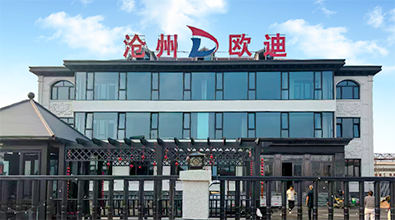
Since 1998, Oudi has had a 25-year track record that shows a strong dedication to quality production and customer happiness. Our complete quality assurance system includes full inspection protocols that are followed from the time we receive raw materials until the time we ship finished goods. Modern detection equipment lets users do full tests that meet their needs. Many clients in the oil, chemical, natural gas, water conservation, construction, shipbuilding, and electric power industries trust this methodical approach. They are located in Europe, the Americas, Africa, Southeast Asia, and the Middle East.
Conclusion
To find the best Custom carbon steel elbow provider, you need to look at their technical skills, quality control systems, manufacturing flexibility, and customer service. Checked certifications, clear pricing, on-time delivery, and helpful customer service are what set exceptional suppliers apart from commodity providers. Knowing the details of a product, how it is made, and what it needs to be used for lets you make smart purchasing decisions that help you reach your project goals. Doing your research on the supplier's qualifications, customer references, and risk factors as part of your due diligence sets the stage for long-lasting relationships. Thoroughly evaluating suppliers pays off in the form of fewer quality problems, shorter delays, and lower total costs of ownership for industrial piping projects.
FAQ
1. How can I verify a supplier's quality standards?
Ask for copies of ISO 9001 certifications, licenses to make special equipment, and test reports on materials from the most recent production batches. Suppliers with a good reputation will gladly give you documents. For large orders, you might want to ask for facility audits or third-party inspection services to make sure that the manufacturing capabilities and quality control procedures are correct.
2. What are typical lead times for bulk orders?
Lead times depend on how many items you order, how you want them customised, and when they need to be made. Standard sizes and specifications usually ship in 3–4 weeks, but special materials or custom sizes may take 6–8 weeks. Scheduling conflicts can be avoided by setting clear deadlines during the quotation process and confirming production schedules before placing an order.
3. Can suppliers accommodate special size and material requests?
Manufacturers who are good at what they do keep the option for custom specifications that aren't in their standard catalogues. This includes sizes that aren't standard, special types of carbon, treatments that make them more resistant to corrosion, and special ways to prepare the ends. Technical advice in the early stages of a project makes sure that the possibility is evaluated and that quotes are correct for unique needs.
Partner with Oudi: Your Trusted Custom Carbon Steel Elbow Manufacturer
Work with Oudi, the company you can trust to make Custom carbon steel elbows. Since 1998, Oudi has been a reliable Custom carbon steel elbow supplier, sending well-thought-out pipe fittings to industries around the world that need them. Our Cangzhou factory is ISO 9001:2000 certified and makes 16,000 tonnes of carbon steel, stainless steel, and alloy steel elbows, flanges, tees, and reducers every year that meet ANSI, JIS, DIN, and BS standards. Modern tools for making things and a wide range of testing options make sure that every Custom carbon steel elbow exactly meets your needs. We have exported to more than 40 countries, which shows that we can serve the oil, chemical, natural gas, water treatment, construction, and power generation industries. You can email our technical team at oudi-04@oudiguandao.com to get personalised quotes, product catalogues, and advice that is tailored to your specific needs. We will then turn your pipe needs into provided solutions.
References
1. American Society of Mechanical Engineers. (2020). ASME B16.9: Factory-Made Wrought Buttwelding Fittings. New York: ASME Press.
2. ASTM International. (2019). ASTM A234/A234M: Standard Specification for Piping Fittings of Wrought Carbon Steel and Alloy Steel for Moderate and High Temperature Service. West Conshohocken: ASTM International.
3. Mohitpour, M., Golshan, H., & Murray, A. (2007). Pipeline Design & Construction: A Practical Approach (3rd ed.). New York: ASME Press.
4. Nayyar, M. L. (2000). Piping Handbook (7th ed.). New York: McGraw-Hill Professional.
5. Singh, R. (2017). Applied Welding Engineering: Processes, Codes, and Standards (2nd ed.). Oxford: Butterworth-Heinemann.
6. Zaheer, A., & Trkman, P. (2017). An Information Processing Perspective on Supply Chain Resilience: Organizational Capabilities for Managing Disruptions. Production and Operations Management, 26(7), 1329-1344.

Need help finding the right solution with our experts. Please contact us.
SINCE 1998 Your Reliable Pipeline Manufacturer