Role of Carbon Steel Pipe Reducers in Pipeline Design
Pipeline systems carry important goods over long distances and are an important part of modern industrial infrastructure. A pipe reducer carbon steel part is like a quiet workhorse in these complicated networks. It connects pipes of different sizes while keeping the system working well and the structure strong. These special fittings solve important problems with flow dynamics, which keeps expensive equipment from breaking down and keeps operations running smoothly. When engineers build pipeline systems for water treatment plants, chemical plants, or factories, pipe reducer carbon steel becomes a necessary parts that balance the need for performance with the need to stay within budget. Procurement pros and project managers can make decisions that affect both short-term budgets and long-term operating success when they know what their job is.
Understanding Carbon Steel Pipe Reducers in Pipeline Design
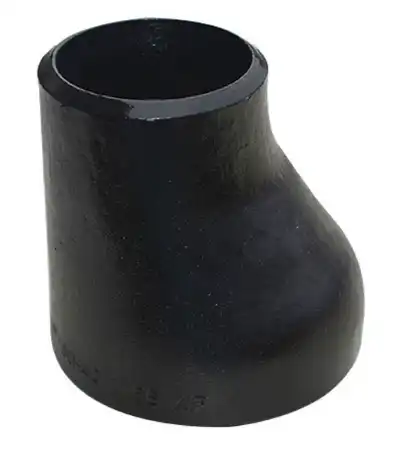
A pipe reducer made of carbon steel is an intermediate butt-weld pipe fitting that joins two pipes with different diameters. It handles the change in bore size well while keeping the flow features the same. ASTM A234 WPB/WPC standards primarily define these parts, which regulate motion changes and maintain stable pressure in challenging pipeline environments. The reduction length is usually the average of the larger and smaller pipe sizes. This makes a smooth shift that keeps hydraulics from getting upset.
Types of Reducers and Their Distinct Applications
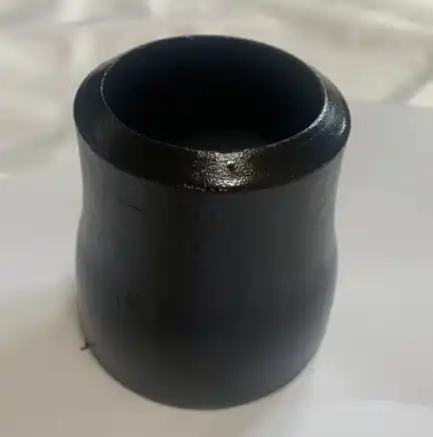
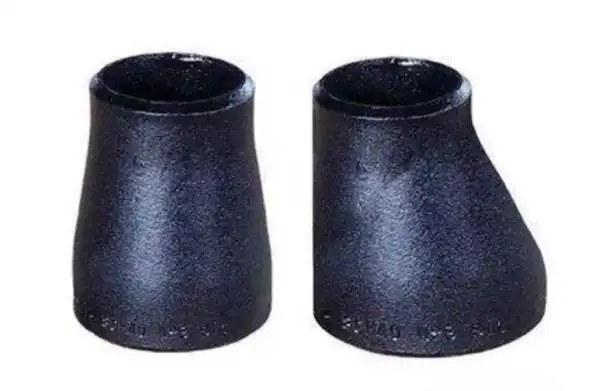
Based on their physical shape, pipe reducer carbon steel can be put into two main groups. There is a shared centerline between both sides of a concentric reducer, and the reduction happens evenly around the diameter of the cone-shaped transition. This symmetrical design is very useful in vertical pump discharge lines and high-pressure steam systems, where keeping the pipe axis straight makes support structures easier to build and lowers the stress from shaking. Instead of fixing both ends, eccentric reducers align one side flat. This keeps air pockets from forming, which can cause cavitation in pump pressure lines. This design especially handles the risk of impeller failure in horizontal pipe arrangements. Because these variants have different architectures, they are not suitable for all installation situations. This makes it crucial to make the right choice during the planning process.
Industry Standards and Material Grades
When you buy things around the world, you have to follow well-known standards that make sure everything works together and consistently. For mild and high-temperature service, ASTM A234 sets the rules for worked pipe reducer carbon steel and alloy steel fittings, and ASME B16.9 sets the standards for factory-made wrought butt-welding fittings' sizes and tolerances. Other standards, like JIS, DIN, and BS, offer regional specs that can meet the needs of a wide range of projects in different foreign markets. The type of material varies based on its intended use. The WPB grade is suitable for general-purpose uses with mild temperature and pressure needs, while the WPC grade is stronger for uses that need to withstand higher temperatures. These names help engineers match the properties of materials to the situations they will be used in. For example, normal pipe reducer carbon steel compositions can withstand pressures between 150 and 2500 PSI and temperatures between 0°F and 650°F.
Manufacturing Processes and Quality Control
Two main ways of making pipe reducers from carbon steel are available, and each has its benefits. As a result of hot or cold forming, seamless reducers are made from solid billets and have better mechanical strength and pressure tolerance because they don't have any bonded joints that could fail. The outer die method is a popular way to shape material gradually while keeping the purity of the grain structure. Welded reducers are made by joining two pieces of pipe together using the right filler materials. They are less expensive for larger sizes, where it would be too expensive to make them without seams. Electric Fusion Welding (EFW) and other advanced joining methods are used in modern factories. However, some types of pipes can't be joined in certain ways because of structural needs. During the whole production process, quality control measures include checking the dimensions, applying pressure, and using nondestructive testing methods that can find flaws inside the product that can't be seen from the outside.
Comparing Carbon Steel Pipe Reducers: Making the Right Choice
To choose the right pipe reducer carbon steel specs, you have to look at a lot of different things that affect both how well the installation goes right away and how well it works over time. The choice of material, the way of production, and the shape all have their own unique qualities that work best in certain situations and within certain budgets.
Carbon Steel Versus Stainless Steel Reducers
Pipe Reducer Carbon Steel is the best choice for situations where corrosion protection needs to be modest because it is the most cost-effective. The material has great mechanical qualities and is 40–60% cheaper than options made of stainless steel. This makes it a good choice for large-scale projects. Pipe reducer carbon steel works great in dry gas systems, steam systems, and hydrocarbon-based uses where protection coatings are enough to keep rust at bay. Stainless steel types are needed when working with acids that eat away at metal, when high-purity processes are needed, or when the pharmacy and food processing industries need to keep things clean. The investment in materials comes with a higher starting cost, but it lasts longer in places where pipe reducers made of carbon steel would break down quickly. This comparison shows why people who make procurement choices need to weigh the properties of the materials against their real service conditions instead of automatically choosing high-end materials when they aren't needed.
Seamless Versus Welded Construction Considerations
Without bond gaps, seamless pipe reducer carbon steel parts have a uniform material structure, so there are no weak spots that could form when pressure is applied and removed over and over again. This way of building is especially useful for vital services that need more than 1500 PSI or that have cyclic temperature stress that could cause cracks to spread from the weld zones. The process of making something ensures that the walls are the same thickness and behave predictably, making engineering formulas easier to use. For bigger diameter transitions, where seamless production becomes technically difficult or not cost-effective, welded pipe reducer carbon steels are a good option. Welded versions can be used in many moderate-pressure situations because they are made with modern welding methods and strict quality control that make the joints close to the strength of the base material. When deciding which way to use, people often have to weigh the needs of the pressure class against the available size combinations and funds.
Concentric Versus Eccentric Reducer Selection
Concentric pipe reducers made of carbon steel keep the flow even in straight lines, where gravity naturally keeps gas from building up. Oil and gas plants often use these fittings for vertical pump discharge pipes that handle pressures of up to 1500 PSI. They keep the structure balanced and the flow patterns straight so that the pipe walls don't wear away. Power plant steam generation systems use circular designs between superheater stages to keep the pipe centerlines aligned, which is important for managing regular thermal expansion. When straight pipes have problems, gas pockets would build up at high points without eccentric pipe reducers made of carbon steel. Vapor lock, which hurts pump performance, can't happen when pump drainage lines are installed flat-side-up. In the same way, placing things flat-side-down in discharge lines keeps material from building up and blocking flow. In wastewater treatment plants, this shape is used in sludge transport systems because if circular fittings aren't used correctly, they can create settling zones that make it challenging to do work.
Benefits and Role of Carbon Steel Pipe Reducers in Pipeline Systems
Pipe reducer carbon steel is useful in more ways than just changing the width. Their smart location within pipeline networks solves hydraulic problems and makes the system last longer and safer to use.
Hydraulic Performance Enhancement
When the width changes slowly, it changes the flow pattern more than when it changes quickly. Pipe Reducer Carbon Steel's cylindrical shape handles gradual speed changes, reducing turbulence that raises friction coefficients and leads to corrosion. When a pipe reducer made of carbon steel acts as a damper, and the flow spreads through it, the velocity drops and the pressure rises, though not as quickly as when the flow goes in the opposite direction. On the other hand, flow contraction acts as a valve, speeding up the flow and lowering the static pressure in a more controlled manner. These managed changes lower the risk of cavitation in liquid systems where sudden pressure drops can lead to the formation of air bubbles. When bubbles fall close to metal surfaces, they send out shock waves that damage the materials of the pipes over time through pitting and rusting. When properly sized pipe reducers made of carbon steel keep pressure above vapor pressure limits, they keep expensive equipment from breaking down too soon.
Structural Stress Distribution
When you change the diameter, you make breaks that can cause stress if you don't do it right. Instead of making sharp stress concentration points, pipe reducers made of carbon steel spread these stresses out evenly across their cylindrical surfaces. This way of managing stress is especially important in systems that go through thermal cycles, which create extra loads because linked parts expand and contract at different rates. The material is flexible enough to handle small changes without breaking, which makes the whole system more resilient. The Pipe Reducer Carbon Steel can keep load routes through pipe support systems, which is helpful for vertical installations. Concentric designs keep the axis straight, which makes it easier to place the hangers and supports. They also prevent eccentric loading, which could induce bending moments in connected pipes. This structural factor affects immediate mechanical performance, installation costs, and long-term maintenance.
Economic Advantages and Availability
Because pipe reducers made of carbon steel are used in so many industries, standard-sized units are available from many manufacturers. This cuts down on wait times and makes prices more fair by letting the market compete. The well-established supply system for the material allows for quick access, whether for regular jobs or urgent repairs. Custom manufacturing can handle non-standard specs when project needs go beyond what's in the catalog, but standard pipe reducer carbon steel components are usually cheaper when they're used. The economic comparison goes beyond the initial purchase price to include costs over the product's lifetime, such as labor for installation, upkeep, and how often it needs to be replaced. Because pipe reducers made of carbon steel have a good strength-to-weight ratio, they are easier to handle during installation than heavy alloys. Well-known welding methods and an abundance of experienced welders make installations simpler, avoiding the need for specialized knowledge that drives up labor costs.
Real-World Performance Validation
Petrochemical plants show that carbon steel used for pipe reducers works well in tough working circumstances. In crude oil distillation units, these fittings are used all along the process pipes, where temperatures can hit 650°F and pressures can go over 600 PSI. They usually last more than 20 years of constant use. The parts can handle being loaded and unloaded many times during startup and shutdown, which puts heat stress on them in ways that can cause fatigue cracks to spread in weaker materials. Pipe reducers made of carbon steel are used in the systems that bring clean water to people in cities by municipal water treatment plants. Instead of choosing an expensive metal, these systems focus on corrosion protection through protective coatings. With regular upkeep, they can last for more than 30 years. The method proves that economic optimization techniques that choose materials based on real-world corrosion settings are better than over-specifying based on theoretical worries.
Procurement Considerations for Carbon Steel Pipe Reducers
To get the right pipe reducer made of carbon steel, you need to pay attention to the skills of the supplier, the product specs, and the logistical factors that affect the project's success as a whole. Procurement professionals must ensure a balance between quality assurance, output schedules, budgets, and adherence to all relevant rules and standards.
Supplier Evaluation Criteria
Reputable makers of pipe reducers made of carbon steel have quality management systems that are approved to ISO 9001 standards. This indicates that they have organized the processes that control production from receiving raw materials to inspecting finished goods. Regulatory authorities give special equipment-making licenses to make sure that companies meet safety standards and have the technical skills to make the pipe reducer carbon steel. These licenses provide clear proof of a supplier's skills, which lowers the risk of buying something. Production capacity affects how reliably deliveries happen, especially for big projects that need many items. Manufacturers with facilities that can handle 16,000 tons of cargo a year show that they can expand to meet the needs of both regular orders and pressing project needs without lowering the quality of their work. Modern production tools, like CNC machine centers and automatic forming systems, make sure that the dimensions are always the same, which makes fitting easier in the field.
Specification and Ordering Parameters
Inspection skills separate reliable pipe reducer carbon steel sellers from those who are just getting by. Quality control is done all the way through the manufacturing process in fully equipped testing labs that can check dimensions, test mechanical properties, and do nondestructive examination. Hydrostatic pressure testing verifies pressure rating claims, while ultrasonic or radiography checks detect internal breaks in the material that are invisible from the outside. When a pipe reducer carbon steel breakdowns could cause huge system damage or safety problems, these steps of proof become even more important. Depending on the maker and the complexity of the product, the minimum order quantity can range from a single piece for standard pipe reducers made of carbon steel to a case quantity for unique configurations. Prices depend on the cost of raw materials, how complicated the production process is, and the number of items ordered. If you buy more than a certain amount, you can usually get a discount. Lead times range from right away for standard items to 8 to 12 weeks for special pipe reducer carbon steel fabrications.
Certification and Compliance Documentation
When you move pipe reducers made of carbon steel across international borders, you have to think about things like freight costs, customs taxes, and paperwork. The Incoterms standard makes it clear to both the buyer and the seller who is responsible for shipping, insurance, and clearing customs. This keeps mistakes from happening that could cause delivery delays or extra costs. If a pipe reducer made of carbon steel meets the dimensions required by ASME B16.9, it will work with piping systems that are built to American standards. On the other hand, ASTM A234 guidelines verify the chemical makeup and mechanical features. Mill test records show the results of heat-specific tests like tensile strength, yield strength, elongation, and chemical analysis. This makes it possible to track back to specific pipe reducer carbon steel production runs.
Installation and Maintenance Tips for Carbon Steel Pipe Reducers
The performance and life of a pipe reducer made of carbon steel are directly affected by how it is installed. By paying attention to alignment, welding processes, and system setup, you can prevent common failure modes and ensure long-term, reliable operation.
Alignment and Orientation Procedures
To keep structural load paths and flow symmetry, installing a concentric pipe reducer made of carbon steel in a vertical line needs exact centerline alignment between pipes that are linked. Temporary support clamps keep parts stable while they are being welded, so they don't get out of line and cause stress concentrations or flow disturbances. Laser alignment tools make sure that the concentricity is within the allowed tolerances, which are usually no more than 1/16 inch for pipe reducer carbon steel tasks. When you use an eccentric pipe reducer made of carbon steel, you need to pay attention to the needs of each service. Horizontal pump suction lines must be installed flat-side-up to avoid gas pockets, and release lines must be installed flat-side-down to avoid areas where sediment builds up. Installing a pipe reducer correctly is easier when they have clear orientation marks. However, experienced fitters always check the correct configuration before welding.
Welding Best Practices and Common Pitfalls
Qualified welding methods that are specific to types of carbon steel used for pipe reducers ensure that the joint is strong and matches the qualities of the base material. The amount of preheating needed depends on the thickness of the material and the temperature of the environment. For pipe reducers made of carbon steel with walls thicker than 1 inch, ASTM A234 WPB usually calls for 200–300°F of preheating. Interpass temperature control stops too much heat from entering and changing the grain. Some common installation mistakes are not properly preparing the joints, welding too quickly, and choosing the wrong electrodes for the pipe reducer carbon steel. Visual analysis can find flaws on the surface, but to check the quality inside, radiography or ultrasound examination is required by the relevant codes. As stated in ASME Section VIII or B31.3, acceptance standards set limits on the size of defects that protect the pipe reducer's carbon steel structure's integrity.
Maintenance Strategies for Extended Service Life
Inspection methods for routine checks find pipe reducer carbon steel problems before they break. External rusting shows up as rust on the surface, cracking, or covering wear that needs to be fixed. Ultrasonic thickness readings find internal rust that lowers wall thickness below minimum design values, which makes it necessary to replace the pipe reducer with carbon steel. The number of inspections needed depends on the environment. Protective covering methods make pipe reducers made of carbon steel last longer in places where they are corroded. Combinations of fusion-bonded epoxy, polyurethane, and coal tar protect against chemical and moisture attack. It is important to think about the service temperature and chemical exposure when choosing a coating for the pipe reducer carbon steel. The right preparation of the surface, such as rough blasting, ensures that the coating sticks. Failures that happen out of the blue can be avoided by setting pipe reducer carbon steel replacement cycles based on working experience. When units are in harsh cycle work, they may need to be replaced during regular maintenance breaks. This proactive method stops unexpected pipe reducer carbon steel shutdowns that cause huge losses in production.
Conclusion
Pipe reducers made of carbon steel are an important part of pipeline design because they handle changes in width while keeping the structure's strength and hydraulic efficiency. Choosing between concentric and eccentric shapes, seamless and bonded construction, and different material grades has a direct effect on how well the system works and how much it costs over its entire life. To do good buying, you need to look at what the seller can do, know what the standards are, and find a balance between quality and cost. When you build and maintain pipe reducers made of carbon steel the right way, they last longer and protect big investments in infrastructure. As performance demands rise and manufacturing systems get more complicated, choosing the right pipe reducer made of carbon steel becomes more and more important. The information in this article gives engineers and procurement workers the tools they need to make choices that match technical needs with business goals, leading to more reliable and cost-effective pipeline operations.
FAQ
What pressure ratings apply to standard carbon steel reducers?
When made to ASTM A234 WPB standards, a carbon steel pipe reducer can usually handle pressure levels from ASME B16.9 Class 150 to Class 2500, which means they can handle working pressures of around 285 PSI to 6170 PSI at room temperature. Published pressure-temperature data show that actual scores go down as temperature rises. For example, ASME B31.3 for process piping or B31.1 for power piping sets the maximum stress levels and design methods that should be used for any carbon steel pipe reducer.
How do carbon steel reducers perform in corrosive environments?
Stainless metals are naturally more resistant to rust than carbon steel reducers, so extra protection is needed in corrosive environments. Coating systems on the outside effectively block atmospheric corrosion, while coatings or corrosion limits on the inside deal with contact on the process side. In situations where strong acids are present, it might be necessary to use different materials for the pipe reducer carbon steel unless the rates of rusting can be kept within safe limits.
When should concentric reducers be specified instead of eccentric types?
Concentric pipe reducers made of carbon steel work best with vertical pipes because gravity keeps gas from building up, keeping the flow even and making support structures easier to build. They are necessary for uses that need to keep the centerline alignment, like high-pressure steam lines. Eccentric Pipe Reducer Carbon Steel is used in horizontal setups where gas or sediment buildup could be dangerous to operations. The flat side of the pipe reducer carbon steel can face upwards or downwards, depending on the concerns.
Partner with Oudi for Reliable Pipe Reducer Carbon Steel Solutions
Cangzhou Oudi Pipe Manufacture Co., Ltd. has been making pipe reducers from carbon steel for more than twenty years and has a lot of experience in this field. Our factory is ISO 9001-certified and makes ASTM A234 WPB/WPC-compliant reducers that meet ANSI, JIS, DIN, and BS standards. The quality is always the same and is checked by strict testing methods for every pipe reducer made of carbon steel that we produce. With the ability to produce 16,000 tons per year and high-tech detection tools, we can provide both regular catalog items and unique pipe reducer carbon steel specs made to fit the needs of your project.
Our global service network has helped over 300 users in more than 40 countries, proving its dependability in the chemical, natural gas, water conservation, and oil and gas industries. Whether you need eccentric setups for horizontal pump suction uses or concentric pipe reducers for vertical steam lines, our expert team can help you make the right choice. We are a reliable seller of pipe reducers made of carbon steel, and our low prices and flexible delivery times help you keep your projects on track.
Get in touch with our team at oudi-04@oudiguandao.com to talk about your pipe reducer carbon steel needs with skilled experts who know how to meet both technical standards and real-world buying needs. We give you thorough quotes, material approvals, and expert help to make it easier for you to make decisions while also making sure your pipe reducer made of carbon steel follows international standards.
References
1. American Society of Mechanical Engineers. (2020). ASME B16.9: Factory-Made Wrought Buttwelding Fittings. New York: ASME Press.
2. ASTM International. (2019). ASTM A234/A234M-19: Standard Specification for Piping Fittings of Wrought Carbon Steel and Alloy Steel for Moderate and High-Temperature Service. West Conshohocken: ASTM International.
3. Nayyar, M. L. (2016). Piping Handbook (8th ed.). New York: McGraw-Hill Education.
4. American Society of Mechanical Engineers. (2018). ASME B31.3: Process Piping. New York: ASME Press.
5. Parisher, R. A., & Rhea, R. A. (2012). Pipe Drafting and Design (3rd ed.). Burlington: Gulf Professional Publishing.
6. Mohitpour, M., Golshan, H., & Murray, A. (2007). Pipeline Design and Construction: A Practical Approach (3rd ed.). New York: ASME Press.

Need help finding the right solution with our experts. Please contact us.

SINCE 1998 Your Reliable Pipeline Manufacturer



