Steel Pipe Inventory Management: Tips for Large Distributors
One of the hardest parts of industrial distribution is keeping track of steel pipe inventories. This is because supply availability needs to be balanced with changing market demands, which requires complex strategies. Large wholesalers that deal with a wide range of products have to deal with complicated buying processes and keep the right amount of stock on hand for all kinds of steel pipes, such as seamless pipes, welded pipes, and pipes made from special alloys. In today's competitive industrial market, good inventory control has a direct effect on operating speed, customer satisfaction, and making money.
Key Challenges in Managing Steel Pipe Inventory
Demand Forecasting Complexities
Keeping track of steel pipe supplies can be hard in its own way, which can have a big effect on how a business runs. When the market is unstable, demand trends are hard to predict, especially in industries like manufacturing, building, and oil and gas. These changes make it very hard to make accurate predictions, which often leads to either high costs for keeping goods or expensive stock-outs that hurt relationships with customers.
The wide range of pipe specs makes these problems even worse. Different types of carbon steel pipes, stainless steel pipes, and special metal pipes all have their own market cycles and customer needs. To keep track of goods across a wide range of diameters, wall thicknesses, and lengths, you need advanced tracking systems and a deep understanding of the market to make sure nothing gets mixed up.
Supply Chain Disruptions
The complexity of the global supply line makes managing goods even harder. Lead times can change a lot depending on how much of an item is available, how much can be made, and how the foreign shipping system works. These factors make it hard to plan purchases because they are hard to predict. As a result, wholesalers have to keep more safety stock on hand, which uses up important working capital.
Large wholesalers always have trouble making sure that the quality is the same across different batches and sources. To keep up with ANSI, JIS, DIN, and BS standards while handling multiple source relationships, you need strong quality control methods and careful batch tracking to avoid expensive quality problems that could hurt customer trust and regulatory compliance.
Strategic Approaches to Steel Pipe Inventory Optimization
Advanced Demand Planning Methods
To optimize your inventory, you must first use advanced techniques for predicting demand that use past data analysis and the ability to spot market trends. Today's distributors use complex data to find regular trends, predict needs, and see how the market will change across various industries.
Here are the main things you need to do to plan for demand effectively:
- Segmented forecast models that look at demand trends based on pipe type, diameter, and end-use application. This lets for more accurate predictions for certain product groups.
- Integration of market data that takes into account industry project pipelines, economic factors, and changes to regulations when making predictions
- Customer teamwork programs that let you see big projects and planned repair plans ahead of time, which makes it easier to predict demand
- Statistical inventory modeling that finds the best safety stock levels based on service level goals and patterns of changing demand
With these advanced planning tools, distributors can lower the amount of goods they need to buy while also improving customer service and happiness.
Technology Integration Solutions
Integrated technology systems that give real-time insight and the ability to make decisions automatically are a big part of modern inventory management. Enterprise Resource Planning tools designed for industrial distribution make it possible to keep a close eye on how product moves, how well suppliers are doing, and how customers' needs change over time.
Using specialized inventory optimization software can give you a big edge over your competitors by making you more accurate and quicker to respond. These systems change when to reorder based on real usage trends and changes in supplier lead times. This cuts down on manual work and boosts total efficiency.
Best Practices in Inventory Handling and Quality Control
Storage and Environmental Management
Using the right storage methods is essential for keeping the quality of steel pipes high and avoiding costly inventory loss. Changes in humidity, temperature, and contamination risks that could damage the quality of the product must be taken into account by environmental controls. Organized storage systems also make picking faster and lessen damage from handling in the building.
International standards must be used to make sure that quality assurance methods are followed so that all batches of products work the same way. Regular testing makes sure that the features of the material, the correctness of the measurements, and the state of the surface meet customer requirements and industry standards.
Rotation and Tracking Systems
Effective stock movement keeps products fresh for important uses and keeps goods from going out of date. Advanced tracking systems make it possible to accurately identify batches and make first-in, first-out rotations work more efficiently, which lowers the risk of goods going bad.
Implementing full batch tracking allows full traceability from receipt to delivery, which helps with quality reviews and meeting legal requirements. This detailed documentation also lets you do performance analysis, which finds things that move slowly and ways to improve future buying choices.
Integrating Procurement and Inventory Management Systems
Supplier Relationship Optimization
When procurement and inventory management are combined well, they create big business efficiencies and cost savings. Real-time insight into assets lets you make smarter buying choices that match when to buy things with how they are used instead of using standard calendar-based ordering processes.
When you combine supplier performance measures with inventory data, you can see how shipping reliability, quality consistency, and order accuracy really affect costs. This all-around view helps you choose a better provider and negotiate a better deal, which all helps you reach your total inventory optimization goals.
International Logistics Coordination
Keeping track of global supply chains takes a lot of skill in coordinating when to buy things and how much to stock. Advanced planning systems take into account the time it takes to ship goods internationally, the time it takes to handle customs, and seasonal capacity limits that can affect the trustworthiness of delivery and the total cost of landing.
Processing custom orders comes with its own problems that need open ways to keep track of supplies. Distributors can meet the needs of a wide range of customers while still making good use of their working capital by balancing normal inventory levels with the ability to make unique parts.
Company Introduction and Our Steel Pipe Solutions
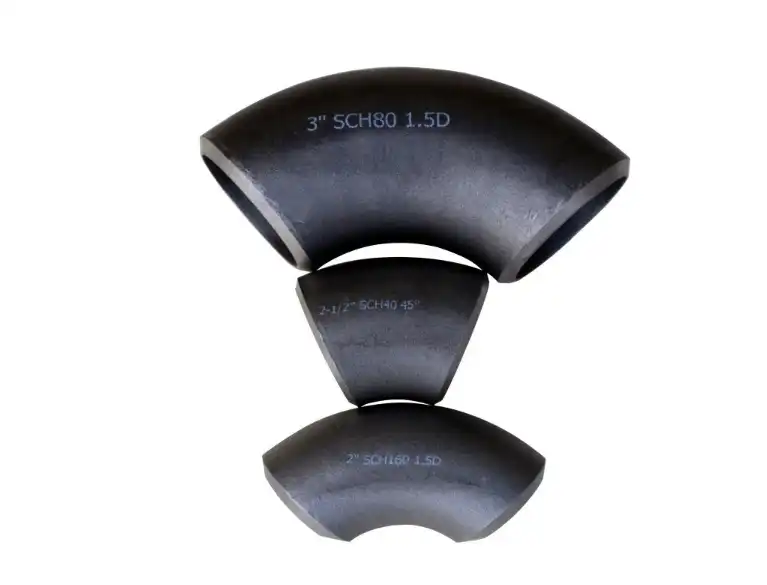
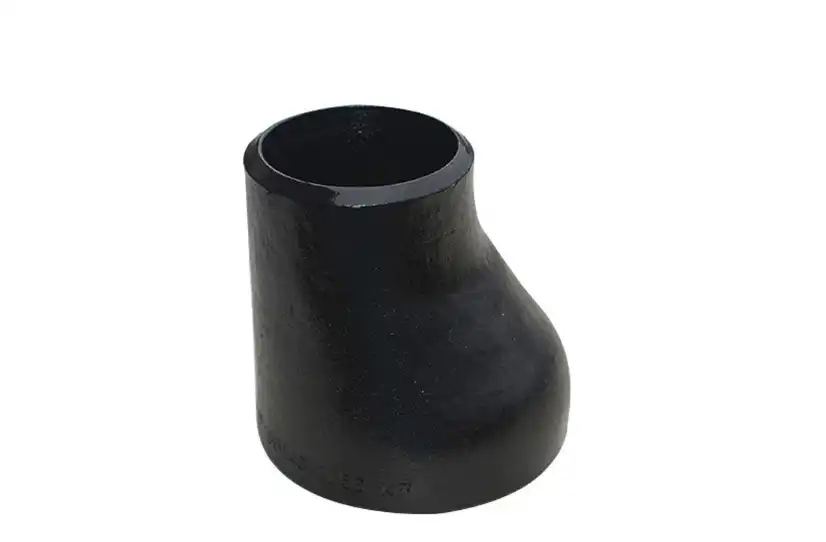
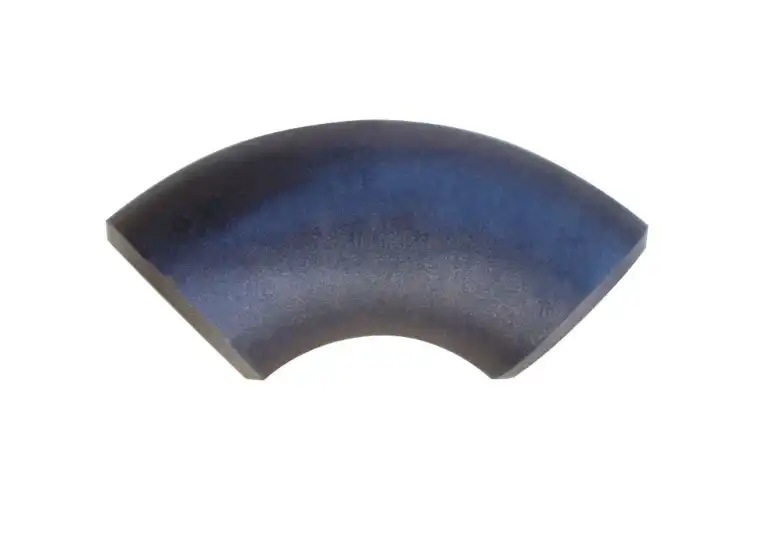
Since 1998, Oudi has been a leading maker and seller of high-quality steel pipe fittings, helping big distributors around the world with their complicated inventory management needs. Carbon steel, stainless steel, and alloy steel pipe fittings made to American, Japanese, German, and British standards are all in our wide range of products. This makes sure that they can be used with a wide range of foreign project needs.
Our annual production capacity of 16,000 tons gives wholesalers the steady supply consistency they need to plan their inventory well. Our ISO 9001:2000 certification and licenses to make specialized equipment show that we are dedicated to quality excellence. This lowers the risk of losing goods and builds customer trust in the performance of our products.
Value-Added Distribution Support
In addition to making great products, we offer a wide range of support services that help distributors better handle their goods. Our technical knowledge helps wholesalers choose the right specifications, get help with their applications, and make unique solutions that help them serve their end customers better while getting the most out of their inventory investment.
With experience exporting to more than 40 countries, I have a deep knowledge of the challenges and rules that come with foreign logistics. With this information, we can help distributors run their businesses by giving them accurate arrival dates and paperwork that makes customs handling and receiving inventory go more smoothly.
Conclusion
For steel pipe inventory management to work well, it needs a complete method that strikes a balance between operational efficiency and excellent customer service. For success, you need to use advanced forecasting methods, integrate technology, and keep strong relationships with suppliers that support reliable buying processes. When big distributors spend a lot of money on advanced inventory optimization techniques, they get big competitive benefits by needing less working capital, providing better service, and making customers happier. Because modern manufacturing markets are so complicated, inventory management practices need to keep getting better. This means that systems and methods need to be invested in all the time for long-term success.
FAQ
What are the key differences between seamless and welded steel pipes for inventory planning?
Because they are harder to make, seamless steel pipes usually have longer lead times and higher costs. This means that they need different stocking tactics than welded pipes. Welded lines are easier to get and cheaper, but they might not be the best choice for high-pressure conditions. When deciding how much product to keep on hand for each type of customer, distributors have to keep these things in mind.
How can distributors ensure quality consistency across large steel pipe inventories?
Consistent quality standards are reached by putting in place full quality assurance programs that include methods for inbound inspections, batch tracking systems, and requirements for source approval. Regular testing that follows ANSI, JIS, DIN, and BS standards makes sure that all product batches have the same material qualities and measurements.
What factors most significantly impact delivery times for bulk steel pipe orders?
The main things that affect shipping dates are the availability of materials, the capacity of factories, and the logistics of transportation. Orders from other countries are more difficult to process because of customs procedures, paperwork needs, and shipping capacity limits, all of which can make overall lead times much longer.
Partner with Oudi for Superior Steel Pipe Inventory Solutions
Oudi's full range of production and distribution support services can help you keep track of your steel pipe supplies more easily. Our skilled professionals create personalized options that help you get the most out of your goods while also making sure that your customers can always get the products they need. Get in touch with our experts at oudi-04@oudiguandao.com to talk about your unique needs and find out how our experience as a steel pipe maker can help your distribution operations. We provide full product catalogs, cheap quotes, and technical consulting services that help you make smart choices about what to buy and how to keep your inventory running smoothly.
References
1. Industrial Distribution Association. "Best Practices in Steel Pipe Inventory Management for Large-Scale Operations." Journal of Industrial Supply Chain Management, 2023.
2. Martinez, Robert J. "Optimizing Inventory Control Systems in Metal Distribution: A Comprehensive Analysis." International Trade and Logistics Review, 2022.
3. Thompson, Sarah K. "Quality Assurance Protocols for Steel Pipe Distribution Networks." Materials Management Quarterly, 2023.
4. Chen, David L. "Technology Integration Strategies for Industrial Inventory Optimization." Supply Chain Technology Advances, 2022.
5. Williams, Jennifer M. "Global Procurement Challenges in Steel Pipe Distribution Markets." International Industrial Commerce Journal, 2023.
6. Anderson, Michael R. "Demand Forecasting Techniques for Industrial Metal Products Distribution." Operations Research in Manufacturing, 2022.

Need help finding the right solution with our experts. Please contact us.
SINCE 1998 Your Reliable Pipeline Manufacturer