The Benefits of Using Heavy-Duty Pipe Caps in Harsh Environments
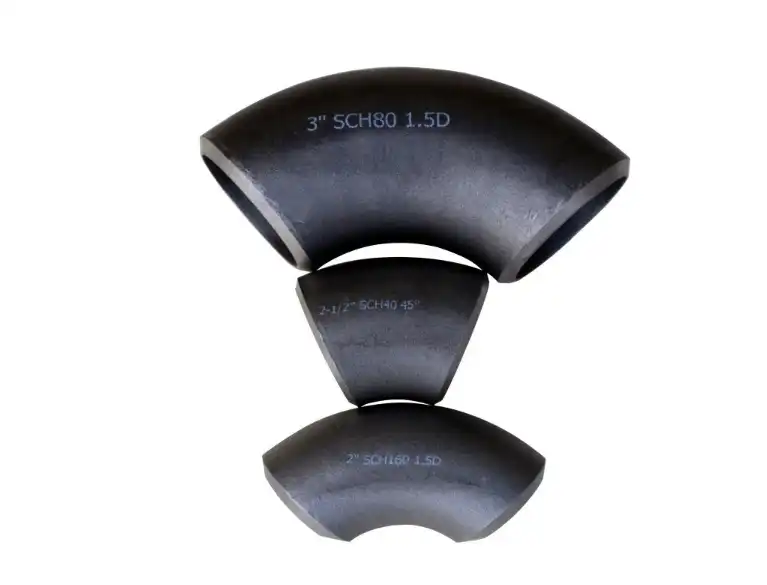
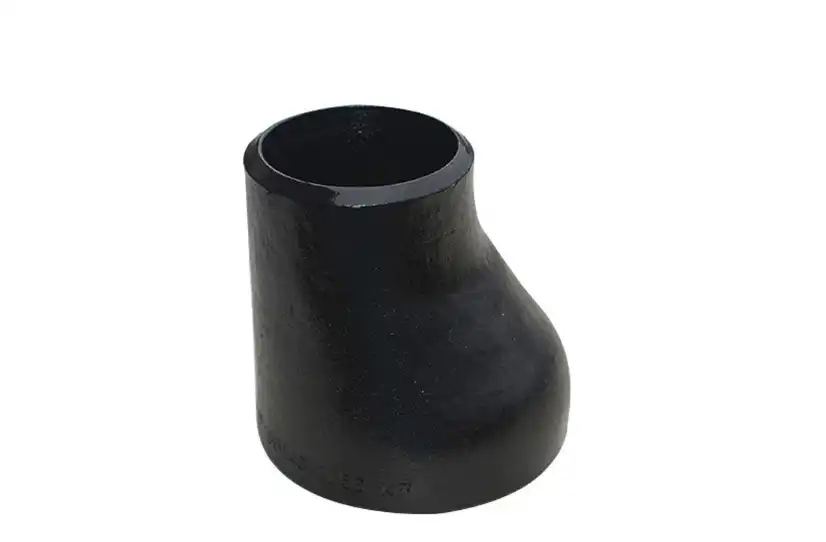
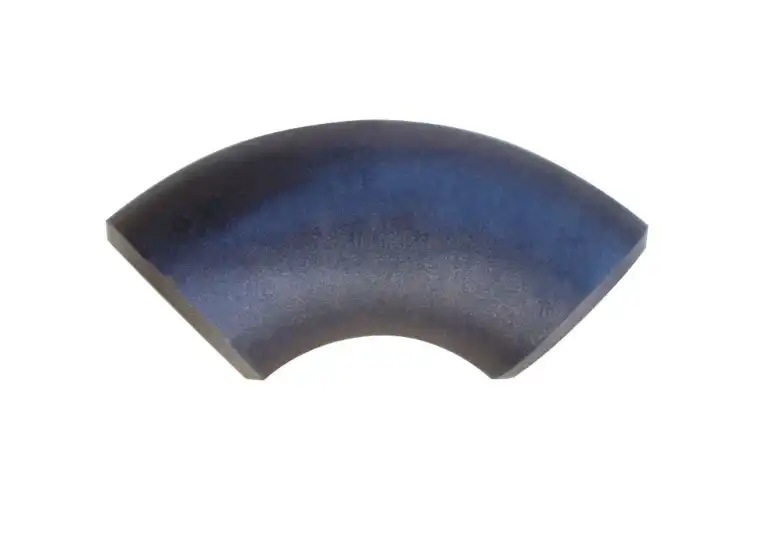
Industrial piping systems are often required to operate under conditions that place continuous stress on every component. Exposure to high temperatures, corrosive chemicals, extreme pressure, moisture, and mechanical impact can gradually reduce the service life of pipelines if proper protection measures are not applied. Among the components used to maintain pipeline reliability, heavy-duty pipe caps play an important role by protecting open pipe ends, preventing contamination, and helping maintain system integrity during operation, transportation, and storage. Industrial-Grade Pipe Cap Industrial-grade pipe caps aren’t something you see every day. These are for heavy-duty activities requiring strength and reliability. They are generally composed of carbon steel, stainless steel, alloy steel, and other corrosion-resistant metals according to the environmental conditions. In oil and gas, chemical processing, marine engineering, and energy production, size is not necessarily the determining criterion for the correct pipe cap. Engineers and buyers should additionally consider the compatibility of materials, pressure conditions, temperature changes, installation requirements, and applicable industry rules. Reliable pipe protection systems may improve the safety of operations, save unplanned maintenance labor, and help prevent contamination of systems for companies operating in harsh environments. Heavy-duty pipe caps: Firms may find it helpful to know what they look like and where they might provide value when constructing or maintaining industrial piping systems.
Why Heavy-Duty Pipe Caps Are Essential for Severe Industrial Applications?
Heavy-duty pipe caps are used to seal and protect the ends of pipes exposed to rough environments. The primary function of these fittings is to provide a reliable seal that prevents foreign material from entering the piping system and to protect the pipe aperture from mechanical and chemical harm.
In many industrial processes, pipe ends might be exposed during final installation, equipment maintenance, or when sections of a pipeline are temporarily shut down. If the system is not protected adequately, moisture, dust, chemicals, and other contaminants may enter the system and create problems in future operation. Contamination inside a process line may affect product quality, and corrosion on an exposed pipe end can weaken the connection area and increase maintenance demands.
Heavy-duty pipe caps are a fantastic alternative since they are designed to withstand more harsh conditions than standard protective caps. Their performance depends on a number of characteristics, such as the quality of the material, the accuracy of the manufacture, the wall thickness, the design of the connections, and the surface treatment.
Industrial pipe caps are generally chosen by the engineers based on the environment the part will be put in. A pipe cap for an offshore platform has to be resistant to humidity and contact with seawater, while a pipe cap for a chemical factory may need to provide strong resistance to harmful substances. The proper option guarantees the dependability of pipe closure for the whole expected lifespan of usage.
Selecting the Right Materials for Long-Term Performance
The material selection is one of the major factors affecting the performance of heavy-duty pipe caps. Each industrial environment has its own challenges, and the material should be suited for the operating conditions.
Carbon steel is a common option for many industrial plumbing applications owing to its great mechanical strength. It is also robust, durable, and cost-efficient. It is employed in applications where the pipes are exposed to high pressure and structural stresses, such as many oil and gas transportation systems. However, in environments with significant corrosion risk, carbon steel may require additional surface protection or coatings.
Stainless steel pipe caps are often the best option for applications where moisture, chemicals, or hygiene are a concern. Stainless steels include chromium, which produces a passive protective coating and increases corrosion resistance. Stainless steel is the preferred material for chemical processing plants, food processing systems, medical applications, and marine environments where corrosive elements are prevalent.
For more severe conditions, you may choose from alloy materials with higher resistance to high temperature, pressure variation, or specific chemicals. For example, high-temperature fluids in industrial facilities may need materials that maintain their strength with lengthy exposure to high temperatures.
The choice of materials should be constantly driven by genuine operating demands, not the strongest available. Selection of the most suitable material is based on aspects such as fluid makeup, temperature limits, pressure rating, location of installation, and maintenance plans.
These factors are usually taken into account by manufacturers with expertise in pipe caps before production. By understanding the application environment, the suppliers are able to provide optimum material grades and manufacturing procedures to increase the long-term performance.

Engineering Design Factors That Improve Reliability
The performance of heavy-duty pipe caps is also directly contributed to by the design apart from the quality of the material. A well-built pipe cap must produce a tight closing and preserve structural integrity under operating circumstances.
Wall thickness is one of the main design factors. Thicker walls tend to give higher resistance to external impact and internal pressure; hence, they are suited for applications that need tough performance. However, thickness has to be matched with installation requirements and overall system design to guarantee compatibility with the associated pipework.
Reliability is also affected by the way you connect. Welded pipe caps are often employed in permanent piping systems due to their reliable leak-resistant joints. Threaded designs might be used for situations that need easy installation and removal. The right form of connection relies on variables such as frequency of maintenance, pressure requirements, and operating circumstances.
Also to be considered are surface finishing and production accuracy. Machining and shaping operations are used to guarantee the pipe cap is of the correct size and will make a secure fit with the pipe. The dimensional precision is not very good, and this might lead to issues with mounting, sealing, or decreased service life.
Some applications may need extra sealing solutions like gaskets or protective coatings to enhance their functionality. These properties are particularly important in applications where it is necessary to avoid leakage or contamination.
For industrial customers, these design considerations are important in selecting pipe caps that are suited for the intended purpose, rather than only satisfying basic size criteria.
Quality Standards and Inspection Requirements
Industrial heavy-duty pipe caps must fulfill adequate quality criteria to guarantee safe and dependable functioning. Standards and inspection processes provide a standard reference for the evaluation of the quality of the products for the makers and the purchasers.
Depending on the application, pipe caps may also be required to meet applicable ASME, ASTM, MSS, or API-related project requirements or customer-specific standards. These standards usually provide the definitions of material qualities, dimensions, production procedures, and testing criteria.
Quality control starts with raw material inspection for pipe caps. Mill test certificates provide proof of material grades so that the material provided meets the specified requirements, as confirmed by reliable manufacturers. Dimensional inspections, surface checks, and welding assessments during manufacturing help detect possible flaws before delivery.
Critical applications may need special testing approaches. These may involve non-destructive testing, pressure testing, or other inspection processes as required by the project. Such precautions are especially relevant in businesses where equipment failure might pose safety hazards or cause production disruptions or environmental harm.
A supplier with a well-established quality management process may greatly lower the risks of procurement for customers. A manufacturer with comprehensive technical documentation, inspection records, and material traceability information will have a higher image of dependability and professionalism.
How Heavy-Duty Pipe Caps Improve Pipeline Protection and Operational Safety?
Heavy-duty pipe covers are not just handy for shielding unused pipe holes. These components in many industrial systems contribute directly to equipment dependability, operational safety, and maintenance efficiency. In case of pipe use in a hostile environment, a little damage or contamination of the pipe end might gradually influence the performance of the whole system.
Heavy-duty pipe caps mitigate dangers caused by corrosion, foreign material entry, pressure problems, and exposure to the elements by forming a robust protective barrier. This is particularly true in businesses reliant on pipe systems that must run constantly, where unplanned breakdowns may lead to expensive downtime.
Preventing Corrosion and Environmental Damage
Corrosion is one of the most prevalent problems in industrial pipe systems. Corrosion processes may progressively degrade the material when exposed metal surfaces come into touch with moisture, air, saltwater, or hostile chemicals. Pipe ends are especially susceptible because they may have exposed surfaces that are not completely covered after cutting, transporting, or brief closure periods.
To mitigate this danger, heavy-duty pipe caps are used to cover the open ends of pipes and restrict their exposure to corrosive substances. Corrosion prevention is particularly critical in offshore and marine areas where saltwater contact is inevitable. A correctly designed pipe cap may assist in preventing saltwater, humidity, and other impurities from accessing the inside surface of the pipe.
Corrosion resistance is also a key need in chemical processing plants. The pipe cap material should be compatible with the environment around it, as various substances might react with metal materials in different ways. For example, stainless steel alternatives may provide more protection in situations where chemical exposure and dampness are prevalent.
Reducing corrosion does more than increase the service life of specific parts. It also enables firms to minimize maintenance needs, save needless replacements, and increase the dependability of the whole pipe network. For big industrial sites, these advantages may result in huge savings over the long run.
Maintaining Clean and Reliable Piping Systems
Many industrial processes need tight control of contamination. Even little quantities of dust, moisture, debris, or biological material getting into a pipeline may influence system operation, but this is particularly true of companies that handle sensitive goods, where pipe caps are often used to help protect open pipeline ends from external contaminants.
Heavy-duty pipe covers are an excellent way to keep interior pipe sections clean during storage, shipping, installation, and maintenance. For instance, when pipe sections are made and delivered to a building site, protective closures stop extraneous elements from entering the pipe before it is installed.
Cleanliness is crucial in pharmaceutical, food processing, and chemical industries where contamination might influence product quality or production efficiency. Proper pipe protection may assist in guaranteeing the system is operable without unnecessary cleaning processes prior to activation.
Maintenance operations also have an important role for pipe caps. When a segment of pipe is temporarily taken out of operation, a dependable closure avoids the introduction of undesired elements into the system. This basic precautionary measure allows maintenance crews to minimize time for preparation and enhance overall job efficiency.
Industrial purchasers tend to neglect contamination control as a consideration when choosing components. However, it is often better to avoid issues before they develop, rather than to deal with system cleaning, product loss, or equipment damage from contamination.
Supporting Safe Pressure Control
Pressure control is another critical factor to consider for industrial pipe applications. Many systems carry fluids or gases under high pressure. Every component attached to the system must be able to operate under the expected circumstances.
Pressure Pipe Caps Heavy-duty caps for pressure applications enable tight closing and aid with system integrity. The capability to resist mechanical stress is dependent on variables such as material strength, wall thickness, manufacturing quality, and proper installation.
For example, in oil and gas operations, pipe systems may be subject to high-pressure conditions during transportation, processing, and maintenance of equipment. A correctly made pipe cap helps to avoid uncontrolled leaking and offers extra protection when parts of piping need to be separated.
In addition to minimizing leaks, the right pipe covers may also improve safety in the workplace. Pipe connection point failure may also lead to problems associated with combustible materials, hazardous compounds, or high-temperature fluids. These dangers may be lowered by using parts that are built for the right pressure conditions and help keep the industry running safely.
However, the pressure performance should always be judged against the real needs of the project. Using a pipe cap with the wrong pressure rating or material specification might lower the system dependability. For this reason, expert engineering assessment and supplier consulting are crucial aspects of the purchase process.
Conclusion
Heavy-duty pipe caps are used for a reason, and that is to safeguard industrial piping systems that operate in tough and demanding conditions. These components avoid contamination, reduce the danger of corrosion, enhance pressure management, and shield exposed pipe ends and help improve system dependability and prolong service life.
In oil and gas, chemical processing, maritime engineering, and manufacturing, equipment failures may lead to safety issues, production disruptions, and high maintenance costs, making lasting pipe protection solutions critical. The correct pipe cap solution isn’t just about closing; it’s about long-term protection, allowing safer, more efficient operations.
But such advantages are only achieved if the items are selected to meet the real application needs. The ultimate performance of heavy-duty pipe caps depends on material compatibility, design structure, pressure capabilities, manufacturing quality, and inspection methods.
For organizations considering industrial plumbing projects, partnering with an experienced manufacturer is a vital step in assuring product dependability. A provider with good technical expertise and stringent quality control may assist clients in choosing acceptable solutions, lower operational risks, and create higher long-term value.
As industrial settings grow increasingly demanding, dependable pipe protection will continue to be a critical feature in ensuring safe, efficient, and long-lasting piping systems. Premium heavy-duty pipe caps are not only protective accessories but also vital components that contribute to the performance and stability of contemporary industrial infrastructure.
For more information about our high-quality heavy-duty pipe caps and other piping solutions, please contact us at oudi-04@oudiguandao.com. Cangzhou Oudi Pipe Manufacture Co., Ltd. has been a leading manufacturer of carbon steel pipe fittings, valves, and flanges in China since 1998. Many tough companies can count on us to meet their needs because we care about quality and new ideas.
References
1. Smith, J. (2019). Advanced Materials for Pipe Caps in Extreme Environments. Journal of Industrial Engineering, 45(3), 234-248.
2. Johnson, R., & Brown, T. (2020). Corrosion Prevention Strategies in Oil and Gas Pipelines. Corrosion Science and Technology, 55(2), 112-127.
3. Lee, S., et al. (2018). Performance Analysis of Heavy-Duty Pipe Caps in High-Pressure Chemical Processing. Chemical Engineering Research and Design, 130, 123-135.
4. Thompson, M. (2021). Safety Considerations for Piping Systems in Offshore Applications. Marine Engineering Review, 40(4), 567-582.
5. Garcia, A., & Wilson, P. (2017). Advancements in Pipe Cap Design for Harsh Industrial Environments. Industrial Technology Innovations, 22(1), 78-92.
6. Zhang, L., et al. (2022). Comparative Study of Pipe Cap Materials for Corrosive Chemical Applications. Materials Science and Engineering: A, 832, 142357.

Need help finding the right solution with our experts. Please contact us.

SINCE 1998 Your Reliable Pipeline Manufacturer