Pipe End Covers for HVAC and Water Supply Systems
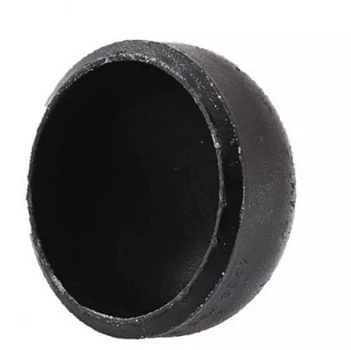
During the manufacturing, transportation, storage, and installation of piping systems, the protection of open pipe ends is often overlooked until problems occur. Dust, moisture, construction debris, and accidental impact can easily enter or damage exposed pipe openings, creating additional cleaning work and increasing the risk of installation delays. For HVAC systems and water supply networks, maintaining pipe cleanliness before operation is essential because contaminants inside pipelines can affect system performance, reliability, and long-term maintenance costs. A properly designed pipe end cover provides a simple but effective solution for protecting pipe openings before the final connection process. These covers are temporary barriers preventing undesired items from entering pipes, as well as minimizing the risk of scratches, dents, or other physical damage during handling. With projects that include dozens or even thousands of pipes to transport and install, the right pipe protection solutions may help contractors maintain quality control from the outset. Cangzhou Oudi Pipe Make Co., Ltd. offers pipe fitting solutions for industrial use. It is true that pipe protection is more than just covering an opening. Selecting the appropriate pipe end cover for the pipe size, operational environment, and storage circumstances will guarantee reliable protection across the project cycle. The correct cover for HVAC installations, water supply systems, or other piping applications helps to keep pipes cleaner and installation smoother.
Why Pipe End Covers Are Essential for HVAC Pipeline Protection?
Preventing Dust and Construction Debris from Entering HVAC Pipes
HVAC systems often have complicated pipe networks that need to be cleaned before commissioning. The pipe apertures are subject to contamination by dust, metal particles, insulation material, and construction debris during shipment and installation. Once these items have entered the pipeline, extra flushing or cleaning processes may be necessary to remove them, increasing project time and personnel costs.
A proper pipe end cover offers a protective barrier over exposed pipe ends to reduce the risk of extraneous material entering the system. This protection is especially important in big commercial buildings, industries, hospitals, and other places where HVAC pipes might be left unfinished for a significant length of time.
Keeping the interior pipe surfaces clean also contributes to enhanced system dependability following start-up. Debris in HVAC pipes may lead to issues with linked components, flow restriction, or maintenance needs, for example. Contractors may avoid needless cleaning and increase the efficiency of installation by sealing pipe holes from the start.
Supporting HVAC System Reliability During Transportation and Installation
Pipe damage occurs not just after installation. Exposed pipe ends may be damaged by impacts, scratches, and environmental conditions during transit, storage, and handling. Small damage to the pipe opening region might cause problems with fit-up or preparation for welding.
Pipe end protection solutions guard sensitive sections before the pipe reaches the installation stage and help reduce these dangers. This implies fewer surprises in the assembly and more control over the quality of the project for HVAC contractors.
The efficiency of the protection is dependent on the right choice of the cover design. A snug cover minimizes unintentional loss while handling; flexible materials may provide further protection against surface harm. Sturdy coverings could provide functional benefits for projects that need pipes to be frequently moved between storage and the building site.
Helping Maintain Long-Term HVAC Performance
Pipe end cover products are generally applied before the start of system operation; however, the protective role of these items influences the long-term performance of HVAC systems. Clean pipes enable linked equipment to perform as intended and decrease the potential for difficulties due to foreign material.
Air conditioning and heating systems frequently need precise circulation paths. Any excessive obstruction or pollution in the pipe network might adversely affect the stability of the system. Contractors may provide a cleaner foundation for future operation by keeping pipes shielded before finishing installation.
This is particularly true for commercial and industrial HVAC projects where the cost of maintenance may become a major factor during the service life of the system. Early project phases might benefit from simple preventive measures, such as using a pipe end cover, to avoid preventable difficulties later.
How Pipe End Covers Improve Safety in Water Supply Systems?
Maintaining Water Quality Before Pipeline Commissioning
Water supply systems have very rigorous cleaning criteria, since the quality of supplied water is directly affected by the pipes. Pipelines may be subjected to storage settings, transportation conditions, and construction operations before connection into service.
Open pipe ends might accumulate dust, dirt, tiny particles, or other stuff not intended. If these impurities persist in the system, more cleaning and inspection may be needed before the pipeline may run safely.
The installation and storage of a pipe end cover will also aid in preventing the entry of outside pollutants into the inside of the pipe. This basic preventative measure improves hygiene management and helps contractors create healthier water supply systems.
Keeping pipelines clean is particularly critical for residential, commercial, and municipal water projects since the risks of contamination may impact consumers and increase the requirement for remedial repair.
Reducing Physical Damage During Storage and Handling
Water supply pipes usually go through numerous phases of transportation and handling before being installed. In these procedures, pipe ends are among the most vulnerable places, as they are not shielded by the connecting fittings or structures.
Impact on hard surfaces might result in dents, deformation, or scratches around the pipe mouth. These problems might influence the connection precision and make the installation more challenging.
A well-installed pipe end cover offers an extra level of protection, which assists in reducing damage occurring from handling. This form of protection is useful to suppliers and contractors that deal with big volumes of pipe materials in keeping the product in good condition from the warehouse to the final installation site.
How Pipe End Covers Improve Safety in Water Supply Systems?
Maintaining Water Quality Before Pipeline Commissioning
The cleanliness standards of water supply systems are quite rigorous, since the quality of the provided water depends directly on the pipes. Pipelines may be subjected to storage settings, transportation conditions, and construction operations before connection into service.
Open pipe ends might accumulate dust, dirt, tiny particles, or other stuff not intended. If these impurities persist in the system, more cleaning and inspection may be needed before the pipeline may run safely.
The installation and storage of a pipe end cover will also aid in preventing the entry of outside pollutants into the inside of the pipe. This basic preventative measure improves hygiene management and helps contractors create healthier water supply systems.
Keeping pipelines clean is particularly critical for residential, commercial, and municipal water projects since the risks of contamination may impact consumers and increase the requirement for remedial repair.
Reducing Physical Damage During Storage and Handling
Water supply pipes usually go through numerous phases of transportation and handling before being installed. In these procedures, pipe ends are among the most vulnerable places, as they are not shielded by the connecting fittings or structures.
Impact on hard surfaces might result in dents, deformation, or scratches around the pipe mouth. These problems might influence the connection precision and make the installation more challenging.
A well-installed pipe end cover offers an extra level of protection, which assists in reducing damage occurring from handling. For suppliers and contractors that receive significant amounts of pipe supplies, such shielding helps to preserve product condition from the warehouse to the final installation site.
Reducing damage before installation also improves project efficiency. If pipes arrive on the building site in excellent shape, workers will spend less time repairing or replacing broken parts and more time finishing the intended installation work.
Supporting Safer and More Reliable Water Distribution Networks
The quality of each component, such as fittings, joints, pipe sections, etc., is crucial to a water supply system. Pipe end caps are temporary protective goods, but they assist in preserving pipe cleanliness and avoiding needless damage before operation, contributing to the total system dependability.
In massive infrastructure projects pipes may be kept outdoors or in temporary places for weeks or months. If there is no adequate protection, environmental exposure might raise the risk of contamination or surface degradation.
Covering empty pipe apertures gives contractors more control over the condition of supplies prior to installation. This strategy enables better project management and allows for avoiding any problems during pressure testing, connection work, and final commissioning.
What Should Buyers Consider When Choosing Pipe End Covers?
Selecting Materials Suitable for Different Applications
One of the most crucial procedures when purchasers pick pipe protection goods is material selection. Material selection may assist in minimizing damage during transit, storage, and installation as well as keeping pipe ends clean and protected before use. Varied working situations produce varied needs. Buyers should evaluate the temperature range, moisture exposure, chemical interaction, impact danger, and storage conditions.
Pipe end cover materials for HVAC applications should be able to withstand temperature variations and probable exposure to refrigerants, oils, dust, or other materials to which the cover may be exposed during installation. Covers for home air-conditioning systems may need just minimal protection, whereas covers for industrial refrigeration or mechanical facilities may need more resilience to environmental stress.
Water supply system purchasers should pay more attention to material safety and corrosion resistance. The cover should protect the pipe aperture from dirt, moisture, and physical damage and should not impact the pipe surface. For drinking water projects, it is particularly crucial to establish that the chosen material is acceptable for use in systems with rigorous safety criteria.
The most popular pipe end protection materials are plastic covers, rubber caps, and specifically tailored protection solutions. Plastic covers are generally light, cheap, and quick to put on, while rubber coverings are usually more flexible and provide a tighter fit. Heavy-duty applications may need increased impact resistance to protect pipes in handling and storage.
Buyers should also look at production quality and product consistency. A good protective cover must be dimensionally stable, suit various pipe diameters, and offer continuous protection throughout the storage term. Buyers who have an experienced supplier to work with, and who can provide technical knowledge and material suggestions, are better able to choose the right goods for their particular application requirements.
Common Mistakes to Avoid When Using Pipe End Covers
Choosing Covers Based Only on Price
Price is an essential consideration in any buying decision, but choosing pipe end cover goods on the basis of the lowest cost alone might cause difficulties down the road. Low-priced coverings may be made of inferior materials, may be poorly dimensioned, or may offer minimal protection from impact and environmental conditions. In big projects these modest quality concerns may cause repeated replacements, significant labor expenses, and avoidable delays.
A better way to shop is to think about the value of the thing as a whole. Buyers should examine the quality of the material, service life, consistency of manufacturing, availability of size, possibility of customization, and assistance from the provider. Sometimes a somewhat larger upfront expenditure may lead to less effort in the form of maintenance and lower replacement costs over the long run.
Ignoring Storage Conditions
Storage circumstances are a crucial factor in deciding the appropriate kind of pipe protection. Storage in open places is sometimes subject to rain, dust, sunshine, humidity, and seasonal temperature variations, but interior storage normally presents fewer difficulties. For long-term storage, you may want to provide additional protection against contamination, corrosion hazards, or physical damage.
Before choosing coverings, purchasers should consider where the pipes will be housed, how long they will be out of service, and what environmental elements they may be exposed to. Selecting an appropriate pipe end cover based on the actual storage circumstances will help preserve the quality of pipes and minimize the preparatory work before installation.
Using Incorrect Sizes
Another typical problem is size that might lower the performance of the protection. If the cover is too big, it may become loose and fall off in transit. If it is too tiny, it may be difficult to install or may harm the pipe surface during installation. Always measure pipe diameter, wall thickness, and end dimensions accurately before purchase.
For non-standard pipe sizes or unique working circumstances, please tell your precise request to the manufacturer before purchase. Accurate specs assist in guaranteeing the coverings fit properly and provide durable protection throughout handling, storage, and installation.”
Buyers may pick pipe end covers that provide effective protection and improved project efficiency via consideration of material appropriateness, storage environment, sizing accuracy, and overall product quality without incurring additional expenses.
Conclusion
Pipe-end protection is a modest but vital feature of dependable HVAC and water supply system maintenance. Exposed pipe holes are quickly filled with dust, moisture, or dirt or physically damaged during shipping, storage, and installation. Proper use of pipe end cover products helps to decrease these hazards by providing a protective barrier that will keep the pipes cleaner and in better condition before final connection.
Application pipe end covers help to make installation procedures cleaner for HVAC applications by keeping construction debris and impurities from entering the system. They assist in keeping the pipeline clean and cut down on possible difficulties from foreign particles or broken pipe ends for water delivery installations.
When shoppers are choosing pipe end covers, they should not simply look at the price tag. Final protection performance is a function of material compatibility, size accuracy, durability, and supplier expertise. A good manufacturer should be able to provide consistent quality, appropriate standards, and technical assistance for varied project needs.
As a professional pipe fitting manufacturer, Cangzhou Oudi Pipe Make Co., Ltd. provides solutions designed to meet the needs of customers requiring dependable pipe protection products. By choosing properly designed and manufactured pipe end covers, contractors, distributors, and project owners can improve installation efficiency, reduce unnecessary maintenance work, and support the long-term reliability of HVAC, water supply, and other piping systems. Get in touch with us at oudi-04@oudiguandao.com if you require any more points of interest.
References
1. Smith, J. (2021). HVAC System Protection: The Role of Pipe End Covers. Journal of Building Systems Engineering, 45(3), 112-125.
2. Johnson, A. & Brown, T. (2020). Water Supply System Safety: Advancements in Pipe Protection Technology. Water Management & Research, 18(2), 78-92.
3. Thompson, R. (2019). Selecting Appropriate Pipe End Covers for Industrial Applications. Industrial Maintenance & Plant Operation, 32(4), 56-68.
4. Garcia, M. et al. (2022). The Impact of Pipe End Covers on HVAC System Efficiency: A Comparative Study. Energy and Buildings, 235, 110721.
5. Lee, S. & Wilson, K. (2018). Material Considerations for Pipe End Covers in Water Distribution Systems. Journal of Water Supply: Research and Technology-Aqua, 67(6), 551-563.
6. Anderson, P. (2020). Cost-Benefit Analysis of Implementing High-Quality Pipe End Covers in Commercial HVAC Systems. Building and Environment, 178, 106952.

Need help finding the right solution with our experts. Please contact us.

SINCE 1998 Your Reliable Pipeline Manufacturer



