Top 3 Uses of Steel Pipe Caps in Industrial Piping
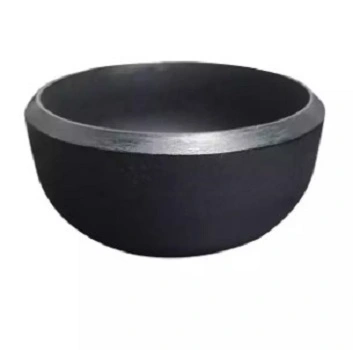
In industrial piping projects, a pipe cap may look like a simple component, but its role depends heavily on where and how it is used. Steel pipe caps can be used to protect exposed pipe ends, temporarily close sections of piping during fabrication or maintenance, and create a suitable closure for certain pressure testing arrangements. Their importance is less on the form of the component and more on choosing the correct material, size, connecting technique, and pressure capabilities needed for the application. Mechanical contractors, OEMs, plant operators, and procurement teams will find it useful to know these uses to prevent a frequent mistake: considering every pipe cap as an interchangeable item. A storage protective cap may have rather different needs than a permanent welded closure or a part of pressure-testing equipment. Here are three instances that demonstrate where steel pipe caps typically find usage and what engineers must consider when specifying them.
Protecting Pipe Ends During Storage, Fabrication, and Transport
One of the most simple applications of steel pipe caps is to shield open pipe ends before they are fitted. Pipes are commonly sent from a manufacturer to a fabrication facility, building site, or factory, where they may be stored outside or in temporary storage for weeks or months. During this time an unsecured pipe aperture might collect dust, dirt, rainfall, metal particles, and other foreign substances.
A well-chosen cap acts as a physical barrier between the open pipe and the surrounding environment. This is especially advantageous when the cleanliness of the inside bore is important to the next fabrication or installation procedure. Also, the reduction of unneeded waste in a pipe will lessen the amount of cleaning that may be necessary prior to system assembly or commissioning.
The advantage is not only cleaning. Impact on open pipe ends may also occur during loading, unloading, and handling. An unprotected aperture may be struck by forklifts, lifting equipment, tools, and other items and cause deformation of the pipe end. Even small damage might make eventual alignment, fitting, or welding problematic. However, a proper cap may minimize the chance of this sort of handling damage by covering the susceptible end.
Reducing Contamination Before Installation
Of specific importance is pipe cleanliness when the piping is to convey process fluids, gases, chemicals, or other controlled media at some future time. A pipe placed at an active building site might be subject to substantially greater pollution than it would experience within a completed facility. Open ends may allow dust, building debris, moisture, and tiny particulates to enter and stay within the pipe until the time of installation.
Pipe caps made of steel are an easy approach to cut down on this kind of exposure while you’re still fabricating and installing. They are not, however, a replacement for the cleaning methods specified by the project specification. If a pipeline system has specified cleanliness criteria, the pipe should still be examined and cleaned as per the appropriate project processes before commissioning.
Also, the cap you choose matters. The temporary protective cap should be simple to apply and remove without damage to the pipe end. Its dimensions should be the same as the outer diameter or connection configuration for which it is intended. An ill-fitting cap may let contamination in or may cause the cap to come off during handling.
Protecting Pipe Ends Through the Supply Chain
Normally the industrial plumbing components are not sent from the fabrication shop to the final operational location. They may pass through machining, fabrication, coating, storage, shipping, and site installation phases. Each changeover is another potential for physical injury or infection.
To keep the pipe in good condition until the next procedure, pipe caps are used at these phases. This is especially beneficial for projects with big volumes of pipe where it might be time-consuming to hand verify all exposed ends after transit.
In addition, the cap should be able to withstand the projected storage climate. If pipes are maintained outside, exposure to rain, humidity, sun, temperature fluctuations, and handling should be addressed. Steel pipe caps may assist in reducing direct ingress of water and debris for carbon steel pipe but should not be seen as a comprehensive corrosion management solution. Depending on the project circumstances, proper storage, drainage, surface protection, coating, and inspection may still be required.
Creating Temporary Closures During Maintenance and Piping Modifications
Another essential use is for temporary closure during fabrication, maintenance, repair, and system change. Industrial pipe networks are often modified when factories are expanded, equipment is replaced, and individual parts are maintained. Open pipe ends in these tasks may lead to practical and safety difficulties.
While work is being done elsewhere, a temporary cap might be put on an unused pipe end. This may assist in keeping the line free of debris and make the workspace more manageable. Temporary closures are especially beneficial in fabrication shops when pipe assemblies are being fabricated in stages and certain connections may not be finished immediately.
The argument is that a temporary closure does not necessarily amount to process isolation. While a cap provides a physical closure to a pipe opening, a cap should not be regarded as immediately acceptable for the isolation necessary for hazardous or pressurized service. Where personnel safety relies on positive isolation, engineers must use the isolation technique defined by the appropriate procedures and regulations.
Supporting Maintenance and Repair Work
Maintenance personnel frequently have to pull out equipment, swap valves, rerun pipe, or fix broken portions. The exposed pipe end of a piping portion that has been opened should not remain open.
A temporary steel pipe end cover may assist in keeping the open end clean during restoration. Tools, fasteners, dust, or other items may be prevented from mistakenly entering the pipe as well. The cap may be removed and the permanent connection established after the job is finished.
This is very helpful when a job cannot be done in one working shift. If left overnight or between work phases, the open pipe end is exposed to the environment for a long time. Temporary protection is a convenient technique to deal with the exposure without making a permanent adjustment to the pipe system.
The cap should be removed prior to returning the line to service unless the cap is explicitly intended and qualified as part of the permanent pipe system. The damaged area should be verified for cleanliness, proper assembly, and any necessary inspection or testing before commissioning.
Helping During Piping Expansion and Fabrication
Piping systems are often erected in phases, not all at once. A new branch may be created for future equipment, a process line can be expanded at a later time, or a plant expansion can keep certain connections unused until the next building phase.
In these cases temporary closures of pipes may safeguard prepared pipe ends from the following step. This is more practical than keeping an aperture exposed for a protracted building time.
The first concern for fabrication teams is to choose a cap that suits the pipe size and the planned function. A temporary protective cap may not require the same design features as a permanent end closure. Confusing these two uses may lead to an improper selection of products.
The procurement team should thus state whether the component is for temporary protection, fabrication, permanent closure, or pressure-related service, and whether steel pipe caps are required. This information is given to the supplier in order that the proposed product may be assessed on the basis of real operating and installation circumstances and not just on the basis of nominal pipe size.
Supporting Pressure Testing and Controlled Pipe Isolation
The third main use is pressure testing and certain controlled closure setups. Industrial pipe systems may be hydrostatically or, when allowed by the appropriate process, pneumatically tested before commissioning or after major changes. The objective is to test the integrity of the finished system and to find any leakage or other flaws before normal operation.
Some testing procedures may use steel pipe caps to shut pipe ends and provide the boundary needed for the test. But this application needs a lot more technical attention than basic storage protection.
The cap used for pressure testing must be appropriate for the required test circumstances. The pressure rating, material, size, connecting technique, and manner of restraint are all important considerations. A component adequate for keeping dust out of a pipe should never be immediately presumed to be suitable for test pressure.
Selecting Closures for Hydrostatic Testing
Hydrostatic testing is frequently done using water as the test fluid. Since the test pressure may generate considerable forces at the closed ends of pipes, the closure system has to be built and anchored properly.
In case a steel pipe cap is utilized for this purpose, engineers should ensure that the component and its connection have sufficient capacity to accommodate the stipulated test circumstances. The test setup itself is completed by surrounding pipe, welds, fittings, supports, and temporary test equipment.
This difference is significant to procurement teams. In cases where the cap is to be subjected to test pressure, the size of the pipe, material grade, wall thickness, test pressure needed, method of connection, and project requirements should be communicated to the supplier. A catalogue description may not be sufficient to demonstrate eligibility.
Also, hydrostatic testing needs controlled filling, pressurizing, examining, depressurizing, and draining of the system. Those processes are not replaced by the use of a steel pipe cap. The cap is not. It is part of the temporary or permanent border in the test.
Understanding the Risks of Pneumatic Testing
Pneumatic testing must be done with caution, since compressed gas contains far more energy than water at equivalent pressure circumstances. “If a temporary closure fails during pneumatic testing, the release can pose a serious safety hazard.
Therefore, the selection of a steel pipe cap for pneumatic testing should not be based only on the appearance of strength or the matching of the nominal dimensions of the pipe. The design and testing approach should establish the suitability of the closure for the intended service.
Where the project provides for pneumatic testing, the appropriate engineering and safety teams must determine the test pressure, exclusion requirements, inspection process, restraint mechanism, and acceptance criteria. Instead, the pipe cap should be seen as part of that whole system.
Using Caps for Controlled Isolation Without Overstating Their Role
Pipe caps, including steel pipe caps, although they may provide a physical closure for particular fabrication and maintenance conditions, should not be mistaken for process-control devices. A typical cap is not an emergency shut-off valve, and placing a cap on a pipe does not immediately provide a safe isolation barrier for hazardous service.
Where maintenance work is carried out under pressure, with poisonous chemicals, flammable media, or other hazardous substances, the isolation strategy should be in accordance with the established procedures of the plant and the necessary engineering requirements. This may be valves, blinds, double-block configurations, or other constructed isolation mechanisms.
Distinction aids in better safety and product choices. “Sharing with a supplier what the component is really used for increases the chances of getting a product that fits the application.” It also avoids misidentifying a temporary protective component as a pressure-rated isolation device.
How to Choose Steel Pipe Caps for Industrial Applications?
Although the three applications above are different, the basic purchasing process should begin with the same question: what will the cap actually be required to do?
For simple storage and transportation protection, the primary concerns may be dimensional compatibility, durability, ease of installation, environmental exposure, and the ability to keep contaminants away from the pipe opening. For fabrication and maintenance, removal and reinstallation may become more important. For pressure testing, the engineering requirements become significantly more demanding.
Material selection is another important factor. Carbon steel, stainless steel, and other alloy materials may be appropriate for different piping environments. The selected material should be compatible with the pipe, the service conditions, and any welding or fabrication requirements associated with the project.
The connection method also deserves attention. Welded pipe caps are commonly associated with permanent end closures, while other cap configurations may be intended primarily for temporary protection or removable applications. The correct choice depends on whether the closure will remain in the final system and what mechanical or pressure loads it will encounter.
Dimensions should be checked carefully rather than selected by nominal pipe size alone. Outside diameter, wall thickness, pipe schedule, cap geometry, and applicable dimensional standards can all affect compatibility. For projects involving large quantities of components, it is useful to provide the supplier with complete pipe specifications rather than relying on a general product description.
Documentation can also make a meaningful difference. Depending on the project, buyers may need material certificates, dimensional inspection records, chemical composition data, mechanical test results, welding documentation, or other quality records. The exact documentation should be based on the project specification and applicable standards.
For OEMs and industrial contractors, supplier communication is particularly important when the application is unusual. If a cap will be used for pressure testing, high-temperature service, corrosive environments, or a permanent welded connection, the supplier should receive those details before the product is selected. This allows the supplier to recommend a suitable configuration instead of treating the request as a standard catalogue purchase.
Conclusion
Steel pipe caps serve several practical functions across industrial piping projects, but their suitability depends on the specific application. They can help protect exposed pipe ends during transportation and storage, keep piping clean during fabrication and maintenance, and form part of properly engineered closure arrangements for certain pressure-testing procedures. These uses are valuable because they address common problems associated with exposed pipe ends, unfinished connections, and temporary piping configurations.
At the same time, a pipe cap should not be treated as a universal solution for sealing, corrosion prevention, emergency isolation, or pressure containment. The correct product must be selected according to its intended function, material, dimensions, connection method, pressure conditions, and project requirements. This approach helps engineering and procurement teams avoid unnecessary risks while improving the reliability of the finished piping system.
For buyers sourcing industrial pipe fittings, working with an experienced manufacturer can also simplify the selection process. Cangzhou Oudi Pipe Make Co., Ltd. has been engaged in pipe fitting manufacturing since 1998 and can provide steel pipe caps and related piping components for different industrial requirements. When requesting a quotation, buyers should provide the pipe size, material, schedule, connection type, application, and relevant project standards so that the proposed product can be evaluated against the actual service conditions. To learn more about their things and organizations, interested parties can contact them at oudi-04@oudiguandao.com.
FAQ
1. What materials are steel pipe caps typically made from?
Steel pipe caps are usually made from carbon steel or stainless steel, depending on the specific application and environmental requirements.
2. How do I choose the right size steel pipe cap for my application?
Select a steel pipe cap that matches the outer diameter of your pipe and ensures a snug fit. Consult manufacturer specifications or seek professional advice for precise sizing.
3. Can steel pipe caps be reused after pressure testing?
Yes, steel pipe caps can often be reused if they have not been damaged during the testing process. However, always inspect them for wear or deformation before reuse.
4. Are there any special installation considerations for steel pipe caps?
Ensure the pipe end is clean and free from debris before installing the cap. Use appropriate tools and follow manufacturer guidelines for proper installation and removal.
References
1. Smith, J. (2019). Industrial Piping Systems: Design and Maintenance. New York: Industrial Press.
2. Johnson, R. (2020). Safety Protocols in Industrial Pipe Fitting. Journal of Industrial Engineering, 45(3), 78-92.
3. Brown, A., & Davis, M. (2018). Corrosion Prevention in Industrial Piping Networks. Corrosion Science and Technology, 53(2), 215-230.
4. Thompson, L. (2021). Pressure Testing Techniques for Industrial Pipelines. International Journal of Pressure Vessels and Piping, 188, 104196.
5. Wilson, E. (2017). Maintenance Strategies for Industrial Piping Systems. Plant Engineering and Maintenance, 29(4), 45-58.
6. Garcia, R., & Lee, S. (2022). Advancements in Steel Pipe Cap Design for Enhanced Safety. Materials Today: Proceedings, 50, 1256-1265.

Need help finding the right solution with our experts. Please contact us.

SINCE 1998 Your Reliable Pipeline Manufacturer



