Types of CS pipe tees available
There are a lot of different designs of carbon steel pipe tees on the market, each made for a different commercial use. There are different kinds of CS Pipe Tees, such as equal tees that keep the width the same across all three links, reducing tees that work with different pipe sizes for complicated branching systems, and lateral and wye tees for special flow needs. These fittings are important places where industrial pipe networks meet. They let fluids flow in different directions while keeping the system's pressure stable. There are two types of manufacturing: seamless and welded. Each has its own benefits based on the pressure levels and working conditions in the oil, gas, chemical, and power production industries.
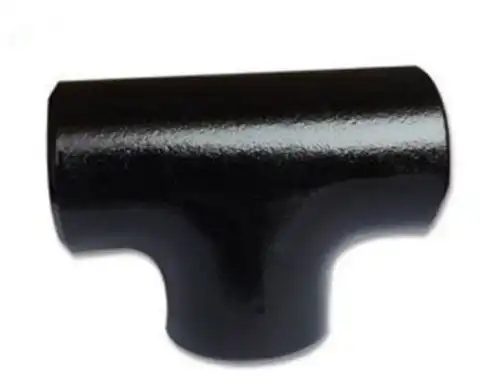
Overview of CS Pipe Tees and Their Industrial Applications
Steel pipe tees made of carbon steel are important parts of industrial plumbing systems because they make branch connections easier and keep the structure strong under high pressure. With these fittings, engineers can make complicated networks that move fluids, gases, and other materials quickly and efficiently through processing plants. The T-shaped form has three connection places that let you change the flow direction and split it, which makes them essential for system design.
Core Industrial Applications
Industrial sectors rely heavily on carbon steel tees due to their strong mechanical qualities and low cost. These fittings are used in crude processing lines by oil companies where high temperatures and high pressures need solid junction points. In chemical plants, they are used in reactor feed systems and product distribution networks, where steady flow patterns keep production from getting stuck. Carbon steel tees are used in power plants' fuel supply lines, cooling water circuits, and steam delivery systems. The material is very strong for how light it is, which makes it perfect for large-diameter uses that are popular in utility installs. In water treatment plants, these fittings are used for chemical injection points and distribution pipes, where they need to be resistant to rust and stable in their shape.
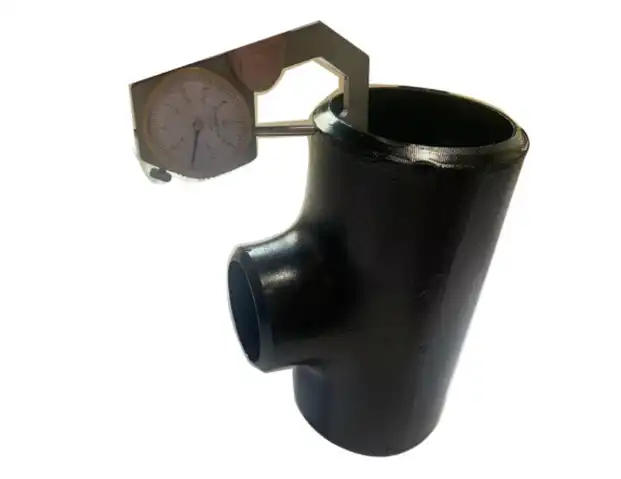
Standards Compliance and Quality Assurance
When making CS Pipe Tees, they follow widely known standards like ASTM A234, ASME B16.9, and MSS SP-75. This makes sure that the sizes are correct and the materials are always the same. These rules spell out the minimum wall thickness, maximum pressures, and testing methods that make sure the performance is reliable. Following ANSI, JIS, DIN, and BS standards makes things work with other things around the world and makes buying things easier for foreign tasks. Nondestructive testing methods like ultrasound examination and radiography inspection are used in quality control processes. Before goods get to customers, these methods find internal flaws, differences in wall thickness, and problems with the quality of the welds. From buying the raw steel to the final review, material traceability systems keep full records. This helps meet quality assurance standards in regulated sectors.
Classification of CS Pipe Tees Based on Design and Type
Different designs for carbon steel tees meet specific technical needs for managing flow, installing them in tight spaces, and making the best use of the system. Knowing these categories helps people who work in procurement choose the right fittings that meet technical standards and need the least amount of long-term upkeep.
Equal and Reducing Tee Configurations
The three holes on an equal tee all have the same diameter, which makes fitting easier and ensures even flow. These designs work well in situations where branch lines need to carry the same amount of flow and pressure. In cyclical pressure uses, the symmetrical design lowers stress concentrations and the chance of wear breakdowns. There are different widths at the main run and branch link of reducing tees, so they can be used in systems where flow splitting needs size changes. Most of the time, the main run has a bigger diameter, while the branch exit has a smaller diameter. Using this arrangement instead of different reducers and equal tees saves money on materials and improves flow distribution.
Connection Methods and Installation Types
Butt-welded tees offer the strongest mechanical link and are best used in high-pressure situations where joint integrity is still important. Beveled ends are used in the welding process to make sure that the metal goes all the way through and that the stress is spread out evenly. These fittings work well with soldered pipe systems because they make it easy for fluids to move inside, which lowers the loss of pressure. Socket-welded versions are easier to place in smaller diameter situations where full penetration welding is not possible. The bolt design makes it easier for installation teams to do their jobs and keeps things straight while welding. They can't be used in some chemical uses, though, because the internal crack can cause corrosion in harsh conditions.
Specialized Design Variants
In lateral tees, branch links are made at 45-degree angles instead of the usual 90-degree angles. This construction makes the system work better by lowering pressure drops and flow turbulence in branch lines. The curved shape works especially well in gravity-fed systems where flow velocity helps spread the load. Wye tees have smooth, curved changes between the main run and branch links. This keeps the flow from getting messed up and lowers the chance of erosion. Standard tee shapes would wear out faster in situations with rough materials or fast flows, but these forms work great in those situations.
Comparing CS Pipe Tees With Other Pipe Tee Materials
Choosing the right material for an industrial pipe system has a big effect on its long-term performance, the amount of upkeep it needs, and its total cost of ownership. By knowing the pros and cons of each material, you can make an educated choice that matches the costs of purchasing it with the costs of running it.
Carbon Steel Versus Stainless Steel Performance
Carbon steel tees work well in moderate-temperature settings where they won't be exposed to much rust. They are very strong and don't cost too much. Because the material is easy to machine, it can be changed to fit special needs when normal sizes don't work. But in corrosive conditions, carbon steel needs protective layers or cathodic protection to keep it from breaking down too soon. CS Pipe Tees options are better at resisting rust over a wider range of temperatures and chemical environments. The chromium presence makes passive oxide layers that fix themselves when they get broken, which makes them last longer in harsh settings. However, the material prices are usually 200–400% higher than carbon steel, so the economic case depends on longer service intervals and less upkeep.
Alloy Steel Considerations
Some elements, like chromium, molybdenum, and vanadium, are added to alloy steel t-shirts to make certain qualities better. These materials work great in high-temperature situations where carbon steel would rust or creep bend. For superheated steam systems that work at temperatures above 850°F, power companies often ask for parts made of alloy steel. The improved qualities mean that the materials cost more and need to be welded in a certain way. It might be necessary to do preheating and post-weld heat treatment to keep the mechanical qualities and prevent breaking. Because of these processing needs, installation takes longer and costs more. Choosing alloy steel depends on specific performance needs that support the extra cost.
Seamless Versus Welded Construction
To make a seamless CS Pipe Tee, solid billets are hot-formed, so there are no weld gaps that could let pressure damage happen. This way of building gives the fitting a regular grain structure and wall thickness all the way through. Most of the time, seamless products cost more, but they work better in serious situations where failure would have serious effects. Welded construction joins pieces that have already been made to make the final shape. This saves money on bigger sizes where seamless manufacturing isn't possible. Using modern welding methods, you can make parts that are of good quality and work well in most situations. However, weld zones may corrode differently from the base material, which needs to be taken into account when choosing materials.
Choosing the Right CS Pipe Tee: Procurement Considerations
For procurement to go well, technical requirements, supplier qualifications, and overall cost factors that affect the success of the project must all be carefully looked at. Systematic evaluation methods help buyers avoid mistakes that cost a lot of money and get the best value for their needs.
Technical Parameter Assessment
The pressure number is the most important factor in the decision process, as fittings must safely hold system pressures with enough room for error. ASME B16.9 gives pressure-temperature ratings for various wall thickness schedules, which lets you make the right specifications for your particular working conditions. It is important to think about how temperature affects the strength of a material. For example, carbon steel has lower yield strength when it is heated up. Dimensional alignment makes sure that the new pipe will fit properly with the old pipes and makes fitting easier. Standard sizes are based on known pipe plans, but for certain uses, unique sizes may be needed. Choosing the right wall thickness means balancing the need for pressure with weight and cost concerns. This is especially important for large-diameter uses where the amount of material used has a big effect on the project's economics.
Supplier Evaluation Criteria
A supplier's ability to offer consistent quality and meet shipping dates is based on their manufacturing skills. Advanced production tools, like CNC machining centers and automatic welding systems, show that the ability to keep limits tight and accuracy high. Inspection tools like coordinate measure machines and sound testing equipment show that you are serious about checking the quality of your work. When goods are certified, you can be sure that they meet certain requirements and industry norms. ISO 9001 quality management systems show organized ways to keep processes under control and make improvements all the time. Special equipment production permits show that pressure vessel parts have been approved by the government, which is often needed for important jobs in regulated industries.
Inspection of arriving materials, tracking of work in progress, and verification of finished products should all be part of quality control processes. Mill test records prove the chemical and mechanical properties of the material, and dimensional inspection reports make sure that the shapes are correct. Documentation of non-destructive tests shows that the structure is solid and of good quality on the inside.
Strategic Procurement Approaches
Buying in bulk takes advantage of economies of scale to lower unit costs and make sure there is enough product for the job. Blanket purchase orders with planned releases protect prices while still giving you options for when to send the goods. To get the best total purchase costs, you must weigh the benefits of lower prices against the costs of transport and storage. Partnering with suppliers lets you work together to cut costs and improve quality. When two people have a long-term relationship, they are more likely to invest in specific tools and process optimization, which is good for both of them. Through joint development projects, custom solutions can be made that give a business an edge over its competitors while also lowering the overall cost of the system.
Installation, Maintenance, and Performance Optimization of CS Pipe Tees
The service life of fittings is increased by using the right installation methods and routine repair plans, and unplanned downtime is reduced. Following set processes guarantees the best performance throughout the entire operating lifecycle.
Installation Best Practices
To weld carbon steel t-shirts, you need skilled welders and accepted welding process specs. Choosing the right electrodes makes sure that the qualities of the weld metal and the base material are compatible. The amount of preheating needed depends on the thickness of the material and the temperature of the environment. This stops hydrogen cracking and makes sure the material fuses well. CS Pipe Tees includes the right way to cut and clean so that the welds go all the way through and don't have any flaws. To get the right weld shapes, the gap and land sizes must match the process requirements. Back-purging with an inert gas keeps the internal surface from oxidizing, which keeps the flow clean and protects against rust.
Post-weld heat treatment may be needed for thick parts or high-strength materials to get rid of any remaining stresses and make the material tough again. The temperatures and holding times for stress release are based on the material's specs and the building code. The right rates of warmth and cooling keep cracks from forming due to thermal shock.
Maintenance and Inspection Programs
Schedules for regular inspections find problems as they start to happen, before they become system failures. A visual inspection can find surface rust, coating wear, and mechanical damage that could weaken the structure. Ultrasonic measures of width keep an eye on the rate of wall loss and guess how long the service will last. To keep working well, corrosion defense systems need to be serviced on a frequent basis. Coating screening finds damaged areas that need to be fixed before rust gets to the base metal. Regular checking of cathodic protection systems is needed to make sure that the current flows properly and that the electrodes work properly. Erosion patterns, deposit buildup, and internal rust damage can be seen by looking through a borescope or removing the part for routine maintenance. Flow-induced vibration tracking finds areas with too much movement that could lead to connection points wearing out.
When predictive maintenance methods are used, technology lasts longer and costs less to maintain. Vibration analysis finds mechanical problems that are getting worse, and thermal imaging finds insulation failures and hot spots. These technologies make it possible to schedule repairs based on conditions, which makes the best use of resources.
Conclusion
CS Pipe Tees are important parts of industrial plumbing systems because they provide reliable ways to branch pipes in a wide range of situations. There are many designs to choose from, such as equal and reducing setups, different ways to join, and special shapes that meet particular practical needs. When choosing a material, it's important to think about how well it resists rust, how strong it is, and how much it costs compared to stainless steel and metal options. To buy right, you need to carefully look at technical requirements, seller qualifications, and strategic sourcing methods that get the best value for the whole. Installing and maintaining things the right way ensures they work at their best throughout their service lifecycle. This supports operating efficiency and cost-effectiveness in tough industrial settings.
FAQ
What are the standard dimensions available for CS pipe tees?
CS Pipe Tee dimensions follow ASME B16.9 standards, and they range from 1/2 inch to 48 inches in diameter. There are different wall thicknesses, from Schedule 10 to Schedule XXS, so they can handle pressures from 150 PSI to 2500 PSI. When normal sizes don't work for a project, custom measurements can be made to fit the needs of the project.
Are carbon steel pipe tees suitable for high-pressure steam applications?
Carbon steel tees work well in steam systems up to 750°F. The pressure values depend on the size and width of the walls. The strength of ASTM A234 Grade WPB material is good enough for most power plant uses. However, creep issues might make long-term use above 800°F less possible, even though special steels work better at that temperature.
How does corrosion resistance compare between carbon steel and stainless steel tees?
In neutral environments, carbon steel doesn't fight rust very well, but it needs extra protection in acidic or chloride-containing environments. Because chromium oxide forms, stainless steel is better at resisting corrosion than exposed carbon steel. This means that it can last 5–10 times longer in harsh settings. A cost study should look at how often parts need to be replaced and how much upkeep is needed.
What welding procedures apply to carbon steel pipe tee installation?
For structural uses, welding methods must meet the standards set out in ASME Section IX and use the right electrode classifications, such as E7018. Between 200°F and 400°F for preheating stops hydrogen cracking in thick parts, and below 500°F for interpassing keeps the microstructural features. In the case of pressure vessels, a post-weld heat treatment may be needed.
Can reducing tees accommodate multiple size transitions simultaneously?
Between the branch and main run connections, standard reduction tees make a one-size step. For more than one transition, you need unique designs or a mix of common fittings and different reducers. When mixing changes in several sizes in a small area, engineering analysis makes sure that the flow properties and stress distribution are correct.
Contact Oudi for Premium CS Pipe Tee Solutions
Oudi Pipe Manufacture makes high-quality carbon steel pipe tees, and they have been doing so for over 25 years, and are ISO 9001 certified for quality. Equal tees, reducing setups, and unique designs are all in our wide range of products, which are made to ASTM and ASME standards and can fully trace their materials. The advanced production plant can keep up its annual capacity of 16,000 tons and ensure that quality is always high by following strict inspection routines. We are a reliable CS Pipe Tee seller with over 300 customers in 40 countries, so we know how important it is for your project to have on-time deliveries and fair prices. Contact our technical team at oudi-04@oudiguandao.com to talk about your unique needs and get quotes that are tailored to your purpose.
References
1. American Society of Mechanical Engineers. "ASME B16.9-2018: Factory-Made Wrought Buttwelding Fittings." 2018; New York: ASME Press.
2. ASTM International. "ASTM A234/A234M-19: Standard Specification for Piping Fittings of Wrought Carbon Steel and Alloy Steel for Moderate and High Temperature Service." 2019; West Conshohocken, PA: ASTM International.
3. Mohitpour, M., H. Golshan, and A. Mitchell. New York: ASME Press, 2007. "Pipeline Design & Construction: A Practical Approach, Third Edition."
4. Nayyar, Mohinder L. "Piping Handbook, Eighth Edition." 2016; New York: McGraw-Hill Professional.
5. Smith, John R. "Industrial Pipe Fitting Selection and Design Criteria." Journal of Pressure Vessel Technology, Vol. 142, No. 3, 2020.
6. The ISO is the International Organization for Standardization. This is "ISO 3419:2019 - Non-alloy and alloy steel butt-welding fittings for pressure purposes." It was published by ISO in 2019 and can be found in Geneva.

Need help finding the right solution with our experts. Please contact us.

SINCE 1998 Your Reliable Pipeline Manufacturer



