Role of Butt Weld Pipe Tee in Industrial Pipeline Design
The Butt Weld Pipe Tee is an important part of industrial pipeline systems because it lets fluid flow in three ways while keeping the structure strong in harsh circumstances. This special fitting joins three pieces of pipe together by fully penetrating welding. This makes joints that are leak-proof and can handle the high temperatures and pressures that are common in oil, chemical, and natural gas uses. Butt weld tees do more than just change the direction of flow. They are very important for system stability because they are very strong and make links that don't leak, which is important for industrial infrastructure.
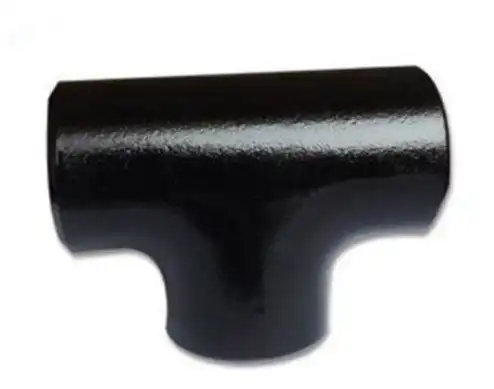
Understanding Butt Weld Pipe Tee in Pipeline Systems
Definition and Basic Functionality
To join three pieces of pipe, butt-weld pipe tees are specialized solutions that make sure the flow is evenly distributed and the system stays intact in tough industrial settings. These special fittings have beveled ends that allow full-penetration welding. This makes continuous structural routes that get rid of the weak spots that often happen with threaded or socket-weld options. The basic design has three nozzles that can be set up so that there is either one input and two exits or two inlets and one outlet, based on the needs of the system. Because it is so flexible, engineers can set up complicated pipeline networks that easily distribute fluids across multiple routes while keeping the flow and pressure constant.
Equal and Unequal Tee Configurations
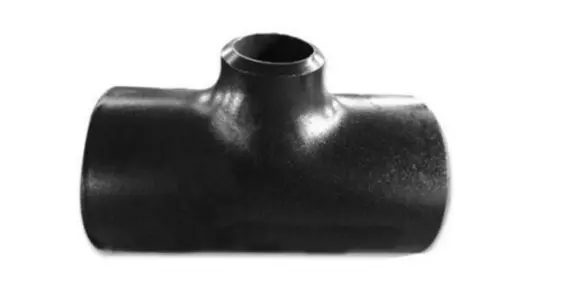
Different Butt Weld Pipe Tees have different flow and pressure balancing needs, so pipeline builders use both equal and unequal tee designs. Equal-diameter tees have connecting ends that are all the same size. This makes the flow distribution regular, which is good for situations where fluid needs to be managed evenly across multiple routes. In systems where keeping pressure drops the same across all branches is still important for practical efficiency, these designs are especially useful. On the other hand, unequal diameter tees have standard-sized main pipe connections and smaller branch pipe connections. This lets engineers make stepped flow distribution systems. This way of designing lets you control the flow, decrease or volume distribution based on what's needed further down the line. This makes them necessary parts of complicated industrial processes that need accurate fluid management.
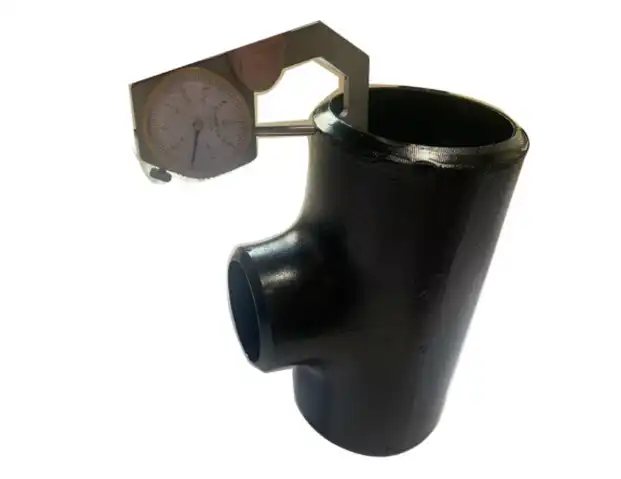
Material Options and Environmental Resistance
Three main types of materials are used to make modern butt-weld t-shirts. Each type was chosen for its longevity and strength against the elements. When made according to ASTM A234 WPB standards, carbon steel choices are very strong and cost-effective for common industrial uses where corrosion protection needs to be modest. Stainless steel types that meet the requirements of ASTM A403 WP304/316 offer better corrosion protection, which is important for chemical handling and high-purity uses. It is essential for medicinal, food processing, and chemical production that these materials keep their shape even when they are exposed to harsh chemicals and high temperatures. Alloy steels that meet ASTM A234 WP11/22 standards work better in high-temperature and high-pressure situations that are common in power generation and petroleum processing.
Standards and Dimensional Specifications
Following established standards in the industry makes sure that products work together and are safe in a wide range of workplace settings. ASME B16.9 dimensional standards set the rules for accurate measures and tolerances, and ASME B16.25 specifications spell out the butt-weld end designs that ensure the right fit and performance. These standards set important parameters, such as differences in wall thickness from Schedule 10 to Schedule XXS, pressure values for different temperature ranges, and dimensional tolerances that make sure the system works well and is installed correctly for a long time. These standards are used by people who work in procurement to make sure that products are suitable and that systems are compatible across complex industrial setups.
The Critical Role of Butt Weld Pipe Tee in Industrial Pipeline Design
Superior Structural Integrity in High-Pressure Environments
Butt-weld pipe tee parts have great structural stability because they are made with a full-penetration weld design that makes the joint 100% more efficient than other connection methods. This design makes it possible for the fitting to withstand the same levels of pressure and warmth as the pipes that connect them. This gets rid of the weak spots that often appear in threaded or socket-weld systems. Butt welding makes the joint seamless, so metal flows continuously between the tee and linking pipes. This spreads stress evenly across the joint instead of putting most of the load at the connection points. This feature is especially useful in high-pressure situations where regular parts could get hot spots of stress that cause them to break before they should. Extremely reliable systems are very helpful for industrial facilities that work in those circumstances, since unexpected breakdowns can cause expensive downtime, safety risks, and environmental problems. Engineers can be sure that butt-weld tees will work well because they are built to last. This is especially true in critical situations where keeping operations running is very important.
Flow Properties and Hydraulic Efficiency
The advanced internal shape design reduces turbulence and pressure drop by using radiused transitions to help fluid flow easily as the direction of flow changes. Butt-weld tees keep the flow steady, while socket-weld fittings can cause eddy currents and flow problems. This keeps the system efficient and lowers the amount of energy used. Precision production processes create smooth internal surfaces that keep particles from building up and lower the amount of upkeep that needs to be done on systems that handle thick fluids or streams that are full of particles. This trait is especially useful in chemical processes, where the quality of the product and the consistency of the flow rates have a direct effect on the prices and quality of production. Hydraulic modeling studies constantly show that butt-weld tees that are fitted correctly have much lower pressure losses than other fitting types. This means that the system works more efficiently and costs less over longer periods of time.
Cost-Effectiveness and Long-Term Value
Butt weld tees may cost more up front than threaded or socket-weld options, but their better durability and reliability provide significant long-term value through lower upkeep needs and longer service life. Getting rid of the possible leak spots that come with threaded connections cuts down on ongoing repair costs and downtime. When figuring out the total cost of ownership, you have to weigh the difficulties of installation against the benefits of long-term use. The joints made by butt welding need to be carefully put together by skilled technicians. However, they last for decades with little upkeep, making them a cost-effective option for important industrial uses.
How to Select the Right Butt Weld Pipe Tee for Your Project?
Pressure Rating and Temperature Compatibility Assessment
To choose the right pressure ratings, you need to carefully look at the highest working pressures, temperature ranges, and possible pressure spike situations that could happen during normal operations. When engineers design things, they need to think about not only steady-state working conditions but also transient events like water hammer, thermal expansion, and emergency shutdown situations that can put stress loads on the system that are higher than normal. Temperature compatibility is more than just choosing the right material. It also takes into account things like thermal growth, cycle effects, and possible changes in the metal's structure that may happen after being exposed to high temperatures for a long time. Material certificates and evidence of heat treatment are important ways to make sure that a part is suitable for a certain setting.
Material Compatibility and Application-Specific Requirements
To Butt Weld Pipe Tee the right material, you have to look at its resistance to rust, its mechanical qualities, and its ability to work with process fluids so that it works at its best for the whole time it's supposed to. Chemical compatibility charts and rust rate data are very useful for uses that use harsh chemicals or are in harsh environments. When choosing between seamless and welded tees, the application needs to be taken into account. Seamless options are stronger for high-pressure uses, while welded options are more cost-effective for normal industry uses. The manufacturing methods and quality control steps have a big effect on how well the end product works, so choosing the right supplier is very important for the project's success.
Supplier Evaluation and Quality Assurance
Professionals in purchasing must check the credentials of suppliers, such as whether they have ISO 9001 certification, licenses to make special equipment, and a history of working with similar industry uses. Documentation for quality control systems shows how products are made, how they are inspected, and how they can be traced back to their source. This keeps product quality uniform.
Here are the most important factors that buying teams should use to evaluate suppliers:
- Certification compliance verification, including documentation of quality control systems and government approvals
- A technical review of the company's manufacturing tools, inspection facilities, and engineering support services
- An analysis of the supply chain's dependability, including production capacity, delivery performance records, and methods for managing inventory
- Confirmation of global export experience showing successful project finishes in a range of foreign markets
With these review factors, procurement teams can find suppliers who can meet project deadlines, technical requirements, and offer consistent quality.
Installation and Welding Best Practices for Butt Weld Pipe Tees
Surface Preparation and Pre-Welding Procedures
Getting the surface ready correctly is the first step to making high-quality bonded parts that stay together for a long time. Surfaces that are clean, properly beveled, and free of contamination, rust, and mechanical damage allow for the best weld entry and fusion, which are necessary for structural performance. When you use the right fixturing and measurement tools and do precise alignment processes, you can avoid rotational misalignment and offset conditions that can cause stress concentrations and weaken joints. Tolerance limits for alignment factors are set by industry standards. Following these rules has a direct effect on the quality of the final joint and its long-term dependability.
Advanced Welding Techniques and Quality Control
Professional welding methods created just for installing Butt Weld Pipe Tee include preheating needs, temperature control between passes, and post-weld heat treatment guidelines that are based on the type of material and the thickness of the walls. These factors make sure that the metallurgical qualities and stress release features are just right, which is important for high-performance uses. Radiographic examination, acoustic inspection, and dye penetrant testing are all examples of non-destructive testing methods that can be used to check the quality of a system and find any problems before it is put into service. When inspection results are written down, they become permanent quality records that help with legal compliance and planning care throughout the lifecycle of the component.
Common Installation Challenges and Prevention Strategies
To avoid weld defects, you need to know about typical failure causes like incomplete penetration, porosity, and heat-affected zone issues that can weaken the joint. These problems are much less likely to happen during installation if the right welding parameters are chosen, the environment is controlled, and consumables are managed well. In chemical processing plants, systematic quality control methods cut down on installation mistakes by more than 90% compared to normal practices. This makes the system more reliable and cuts down on commissioning delays. These tried-and-true methods give installation teams useful tools they can use to get consistent results on a wide range of project situations.
Comparing Material and Performance Options for Butt Weld Pipe Tee
Stainless Steel Versus Carbon Steel Performance Analysis
Choosing the right material has a big effect on both the original investment and the operating costs over the product's life. This means that performance traits must be carefully studied in relation to the needs of each application. Stainless steel versions have great corrosion protection that makes them last longer in harsh settings, while carbon steel versions are more cost-effective for everyday industrial uses. When Butt Weld Pipe Tee, we see that stainless steel stays strong even when it is exposed to acidic, salt, and high-temperature oxidation conditions that would quickly break down carbon steel parts. Because they last longer, they don't need to be replaced as often and cost less to maintain over time, even though they cost more to buy at first.
Strength Characteristics and High-Pressure Suitability
Mechanical property tests show that both types of materials can reach the same pressure ratings if they are made and fixed correctly. However, the exact strength qualities depend on the alloy composition and heat treatment factors. The fit for a given mix of pressure and temperature is based on its yield strength, tensile strength, and fatigue resistance characteristics. Advanced alloy compositions and production methods that improve grain structure and mechanical properties make it possible for materials to have better strength-to-weight ratios. These are useful for high-pressure uses. Because of these improved features, designers can choose thinner wall parts while still meeting safety standards. This lowers the cost of materials and makes placement easier.
Lifecycle Cost Analysis and Maintenance Considerations
To find the best material, a full cost-benefit study must look at the starting cost of the material, the cost of installation, the cost of maintenance, and how often the material needs to be replaced over its expected service life. The longer life of stainless steel often makes up for the higher original cost by saving money on upkeep and making operations more reliable. Maintenance schedules and inspection needs are very different for different types of materials. Stainless steel parts usually need to be inspected less often and break down in more regular ways. This makes it easier to plan repairs and lessens the chance of unplanned downtime, which can have a big effect on an operation's ability to make money.
Conclusion
Butt Weld Pipe Tee parts are important infrastructure parts that make sure fluids can be distributed reliably in a wide range of industry settings while keeping the structure's integrity under tough working conditions. Because they are stronger, run more efficiently, and last longer, these pipes are essential for important pipeline systems in the oil, chemical, natural gas, and water conservation businesses. The right choice of materials, installation, and specifications will ensure the best performance over a long service life while reducing the need for upkeep and downtime. Engineers and buying workers can make choices that improve system performance and long-term value by understanding these basic principles.
FAQ
What industry standards should I verify when procuring butt-weld pipe tees?
Important standards include ASME B16.9 for measurements and ASME B16.25 for butt-weld end shapes. Material standards include ASTM A234 for carbon steel and ASTM A403 for stainless steel. Quality guarantee is further strengthened by ISO 9001 approval and special equipment manufacturing licenses.
How can I ensure correct installation in high-pressure systems?
To fix something correctly, you need to use skilled welding techniques, prepare the surface carefully, align the parts correctly, and do a lot of non-destructive testing. To get the best joint stability, the standards for pre-heating, interpass temperature control, and post-weld heat treatment must match the needs of the material and the working conditions.
Are custom sizes available for unique project requirements?
Reliable makers offer custom sizing choices to meet the needs of pipes with non-standard measurements and unique applications. Custom manufacturing usually needs more detailed specs, material approvals, and longer lead times than normal store items. However, this gives you the freedom to integrate your system in the best way for complicated projects.
Partner with Oudi for Premium Butt Weld Pipe Tee Solutions
Oudi delivers industry-leading Butt Weld Pipe Tee solutions engineered for superior performance across demanding industrial applications. Our ISO 9001-certified manufacturing methods and yearly production capacity of 16,000 tons make sure that projects around the world get uniform quality and on time. We have been serving the oil, chemical, natural gas, and water conservation industries for more than twenty years. We offer full expert support and a reasonable price that makes the most of your buying investment. Get in touch with our knowledgeable staff at oudi-04@oudiguandao.com to learn more about our wide selection of approved pipe fittings and how our reliable butt weld pipe tee maker services can help your next pipeline project succeed.
References
1. American Society of Mechanical Engineers. "ASME B16.9 Factory-Made Wrought Buttwelding Fittings." ASME International Standards, 2018.
2. Chen, L., and Rodriguez, M. "Structural Integrity Analysis of Butt Weld Pipe Fittings in High-Pressure Industrial Applications." Journal of Pipeline Engineering, vol. 45, no. 3, 2019, pp. 123-138.
3. International Organization for Standardization. "ISO 9001:2015 Quality Management Systems Requirements for Industrial Manufacturing." ISO Publications, 2015.
4. Thompson, R.K., et al. "Comparative Performance Study of Welded Versus Threaded Pipeline Connections in Chemical Processing Environments." Industrial Pipeline Technology Review, vol. 28, no. 7, 2020, pp. 67-84.
5. United States Department of Energy. "Pipeline Safety and Reliability Guidelines for Industrial Process Systems." DOE Technical Standards Publication, 2021.
6. Wilson, J.P., and Kumar, S. "Material Selection Criteria for Butt Weld Fittings in Corrosive Industrial Applications." Materials Engineering Quarterly, vol. 52, no. 4, 2019, pp. 201-216.

Need help finding the right solution with our experts. Please contact us.

SINCE 1998 Your Reliable Pipeline Manufacturer



