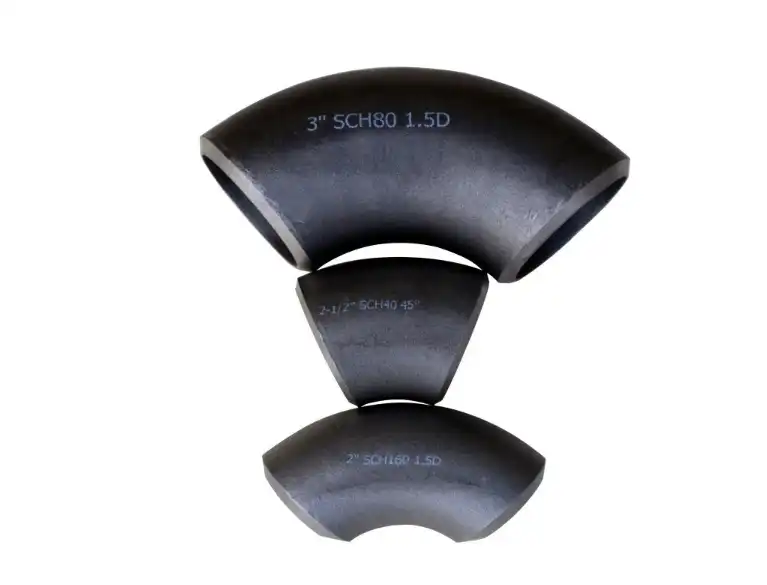
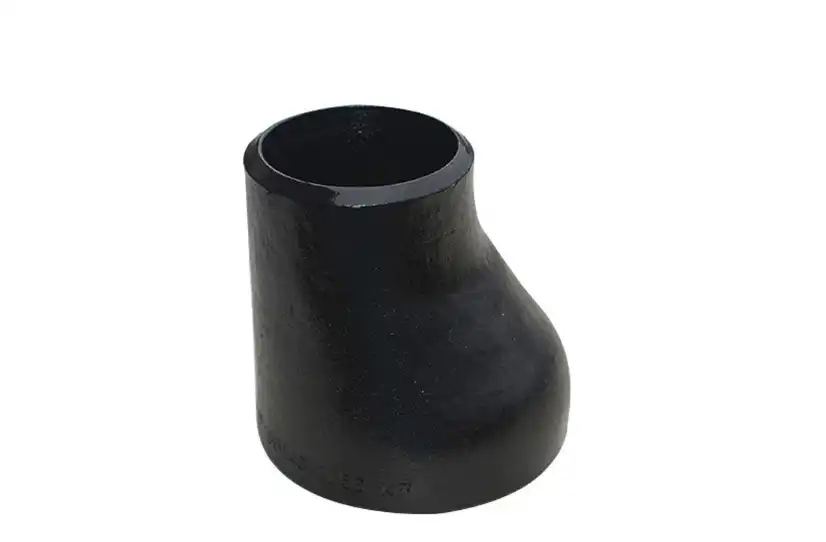
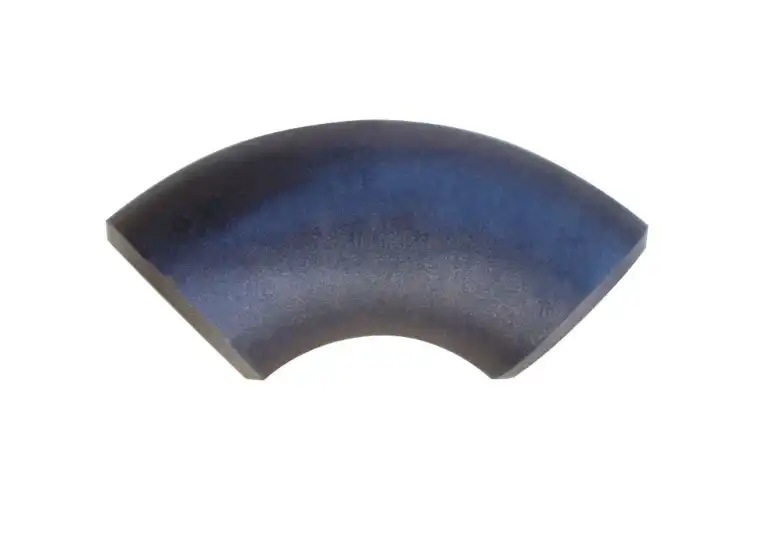
What certifications should a custom carbon steel elbow have?
When choosing a Custom carbon steel elbow for important business uses, licenses are a must-have sign of quality and dependability. A properly certified Custom carbon steel elbow should have an ISO 9001:2015 quality management system, material test reports that meet ASTM A234 or an equivalent standard, and proof that it complies with pressure piping codes like ASME B16. In addition to these basic certifications, some industries may need API certifications for oil service, PED compliance for European markets, or special equipment manufacturing licenses that show they know how to make pressure-bearing parts that have a direct effect on system safety and operational continuity.
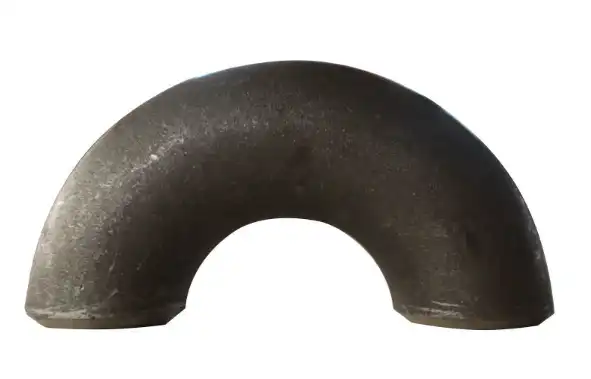
Introduction
Custom carbon steel elbows are important parts of industrial pipes because they keep the system's structure and allow fluid to flow in the right direction. These fittings, which come in both 45-degree short radius bends and 90-degree long radius bends, are used to turn pipelines that carry anything from petrochemicals to clean water. Because they are so important for keeping pressure integrity and stopping leaks, certifications are the only way to make sure that a product is safe, of high quality, and meets international standards.
At our Cangzhou plant, we've seen buying professionals look over certification paperwork more and more carefully before finalising orders. This change shows that everyone in the industry agrees that fittings that aren't certified pose too many risks in high-stakes situations. It is important to understand these certifications not only to lower operational risks but also to make choosing a vendor and negotiating a contract easier. This guide shows how certifications affect buying choices and helps people get trustworthy, legal parts for heavy-duty industrial uses where failure is not an option.
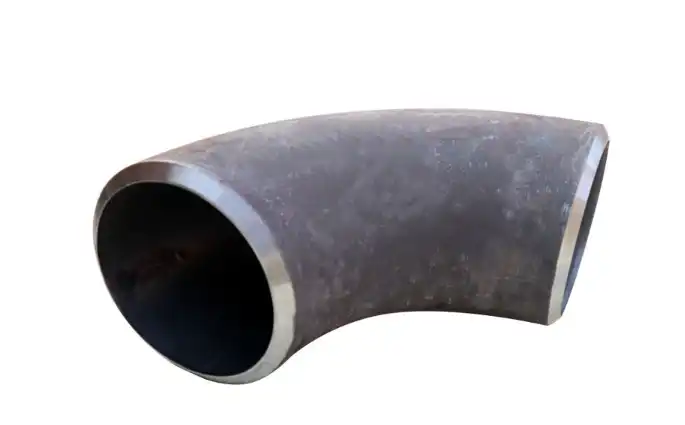
Key Certifications for Custom Carbon Steel Elbows
This part lists the main certifications that prove the quality and safety of Custom carbon steel elbows used in industrial pipelines. When purchasing managers know about these qualifications, they can tell the difference between sellers who really offer quality assurance and those who just give basic paperwork.
Quality Management System Certifications
ISO 9001:2015 is the standard for quality management systems around the world. We've kept our ISO 9001 certification at our factory since switching from the 2000 version. This shows that we're committed to process control and ongoing growth. This certification shows that we've set up written procedures for everything, from inspecting raw materials to testing finished goods, so that our 16,000-ton annual production capacity is always the same.
Special Equipment Manufacturing License: Pressure-bearing parts can be made with a license that was given by Chinese regulatory officials. For this licence, factories have to show they can do technical work, keep qualified welders on staff, and follow strict quality control rules. A lot of foreign buyers don't pay attention to this certification, but it's very important because it shows that the maker has the right skills to make fittings for important uses.
Material and Testing Certifications
ASTM Standards say what materials are made of and how they should behave mechanically. ASTM A234 covers pipe fittings made of wrought carbon steel and alloy steel that can be used at both low and high temperatures. When we use hot forming methods to make elbows, like hot pushing or hot heating bending, material certifications make sure that the chemical make-up, tensile strength, and elongation all meet the requirements. Most of the time, these certifications come with mill test reports that can be linked to specific heat numbers. This lets you see the whole history of the material throughout the supply chain.
Non-Destructive Testing Documentation checks the integrity of the structure without hurting the part. According to the rules in ASME Section V, our quality control department uses ultrasonic tests, x-rays, and magnetic particle screening. Certifications that show these inspections are real proof that flaws like internal breaks, surface cracks, and differences in dimensions stay within acceptable ranges. This is especially important for seamless elbows that are used in high-pressure applications, where hidden flaws can spread during repeated loading.
Dimensional and Performance Standards
ASME B16.9 sets the sizes for wrought butt-welding fittings that are made in a factory. These sizes include the wall thickness, the distance from center to end, and the tolerance bands. Following this standard makes sure that everything fits correctly when it is installed in the field, which cuts down on welding mistakes and assembly time. Following the ASME B16.9 dimensions will ensure that parts from other approved makers can be used interchangeably, whether the shapes are short or long.
Pressure Rating Certifications that show elbows can withstand certain pressures and temperatures are called pressure ratings. These ratings depend on the type of material, the thickness of the walls, and the way the product was made. Different validation methods are needed for butt welding elbows and socket welding variations. Seamless versions usually have better pressure capabilities than welded versions. To make sure that the system works with the certification, the paperwork should make it clear which pressure class ratings are in line with ASME B16.5 flange standards.
International Standard Compliance
The specifications we can meet for production are American standard (ANSI), Japanese standard (JIS), German standard (DIN), and British standard (BS). This adaptability takes into account the fact that global projects often need to follow more than one set of rules at the same time. CE marking is required for European markets to follow the PED (Pressure Equipment Directive), and ASME certification is helpful for exports to North America. It is easier to get things for multinational projects that involve a lot of different regulatory areas when you know which standards apply to each market.
Manufacturing and Quality Control Certifications Specific to Custom Carbon Steel Elbows
There are different manufacturing certifications for seamless and welded Custom carbon steel elbows, but both need specific quality checks that check for accuracy in measurements and the ability to handle pressure. The way of production has a big effect on the mechanical qualities and certification standards.
Process-Specific Certifications
Seamless Elbow Manufacturing Qualifications make sure that the hot pressing equipment keeps the right temperature and consistent dimensions. Our factory uses high-tech heating systems that make sure the temperature is even throughout the pressing process. This keeps cold spots from forming that could damage the mechanical properties. For these manufacturing processes to be certified, there must be procedure qualification records that show that when they are used over and over, they always produce the same results that meet all the requirements.
Welded Elbow Fabrication Standards. When joining pieces of pipe to make reducing elbows or other custom shapes, these standards must be followed. According to ASME Section IX, welding procedure specifications must be qualified, and welder performance qualifications must be shown to show that each person is competent. A radiographic or ultrasonic inspection by a third party of welded joints gives extra assurance that the quality meets acceptance criteria and there are no flaws that could cause service failures.
Factory Quality System Validation
Strong quality control systems are used by certified companies to make sure that products can be tracked, that paperwork is always the same, and that rules are followed. Factory audits and third-party reviews make sure of this. At our factory in Cangzhou, we keep detailed records that connect finished goods to certifications for raw materials, production parameters, inspection results, and data from final tests. This makes it possible to respond quickly to problems in the field and accurately identify the production lots that are affected.
We've had a full testing system in place since our company started in 1998, which goes above and beyond what is required for approval. Many companies inspect samples of their products, but we inspect every single one of them before they are shipped, which gets rid of the statistical risk that comes with sampling plans. This method works especially well for people who are ordering reducing elbows or Custom carbon steel elbow specifications, where differences in size can make installation less successful.
Impact on Delivery and Production
These certificates have an effect on how reliably deliveries happen and how long it takes to make something, especially for large orders that need a lot of paperwork. When procurement teams ask for full material traceability and third-party inspection witnessing, manufacturing schedules need to make room for inspectors to be available and paperwork to be prepared. Buyers can better balance certification needs with project plans when they know what these timeline effects mean. This way, they don't set unrealistic delivery goals that could hurt either quality or finish dates.
How to Verify and Evaluate Certification Validity When Procuring Custom Carbon Steel Elbows
To stop fraud or mistakes that hurt quality control efforts, procurement managers need to be good at reading certification documents and product markings and cross-checking them with the authorities that issued them.
Document Authentication Techniques
Certification documents should contain verifiable elements, including unique certificate numbers, information on authorised signatories, accreditation body logos, and validity dates. Contacting certification bodies directly to make sure a certificate is real takes very little time and gives you a definitive answer. Our clients are welcome to check our ISO 9001 certification with the registrar that issued it. Being open about this builds trust in our quality promises.
Material test results need more than a quick look over. Make sure that the heat numbers on the certificates match the markings on the products. Check that the chemical make-up and mechanical qualities are within certain ranges, and don't look like they should be perfect. Real test reports show normal differences that happen during the working of metals, but fake ones often show the same values at different temperatures, which is physically impossible.
Supplier Evaluation Best Practices
By asking for up-to-date certificates, you can avoid relying on old credentials that don't show your manufacturing skills anymore. For quality management system certifications, audits are usually done once a year, and the whole system has to be recertified every three years. Special equipment manufacturing licenses also have expiration dates that need to be renewed on a regular basis. Making sure that all the paperwork is still legal at the time of procurement stops sellers from resting on their old successes.
Reports from factory audits give more information than just certificates. These tests look at how production actually works, how well equipment is maintained, how well employees are trained, and how well quality control is put in place. If you can, looking over the results of a recent check can help you find possible problems before they affect your order. Our facility is open to customer audits and third-party assessments because we know that honesty sets serious manufacturers apart from suppliers who make empty promises.
Third-Party Inspection Integration
Using third-party inspection agencies adds an extra layer of independent quality assurance. This is especially helpful for OEM clients who need to be sure that the product is completely original. These services range from simple document review to full testing with witnesses and checking the size and shape of things. Major inspection agencies keep global networks that let local people be involved in production, so there's no need to travel, while professionals keep an eye on things.
Having a third party inspect shipments often pays for itself many times over by preventing damaged shipments. If you catch mistakes in measurements, material substitutions, or poor heat treatment before shipping, you can escape the much more expensive problems of rejection in the field, managing returns, production delays, and quick replacement orders. This method works especially well for first orders with new suppliers or for important applications where failure would have serious consequences that call for extra checking of Custom carbon steel elbows.
Impact of Certifications on Procurement Decisions for Carbon Steel Elbows
Certifications always change prices by weighing promises of quality against costs, which has an impact on the total cost of ownership beyond the initial purchase price.
Cost-Quality Balance
Certified products cost more because companies have to spend more to keep their quality systems up to date, test their products, and get third-party approval. This fee, on the other hand, usually only makes up a small part of the total project costs while lowering risk exposure by a large amount. When comparing certified and non-certified options, you need to look at the possible failure costs, such as emergency repairs, lost production, fines from regulators, and legal exposure. Taking these risks into account when making a purchase decision, certified fittings always offer better value, even though they cost more at first.
Instead of random markups, our price system is based on the real costs of quality assurance. It costs a lot of money to keep ISO 9001 certification, rights to make special equipment, and high-tech testing tools. These costs directly lead to reliable products, which gives purchasing teams peace of mind that standards will be met regularly across multiple orders and years of working together.
Lead Time Considerations
Certification standards can make it take longer to make something, especially if the specs call for a lot of paperwork or a third-party inspector to be present during the inspection. Standard products with standard certifications usually ship within normal production schedules. However, custom configurations that need special material grades or more testing may need longer lead times. Knowing about these things helps procurement managers set reasonable delivery goals that are in line with project schedules.
For certified Custom carbon steel elbow products, the minimum order quantity may go up because the costs of making tools, making sure procedures are safe, and preparing paperwork are fixed and should be spread out over larger production runs. Our annual capacity of 16,000 tonnes gives us the freedom to handle orders of different sizes, but projects that need odd combinations naturally benefit from consolidated ordering, which makes production more efficient.
Real-World Outcomes
Across all the industries we work with, procurement strategies that take certification into account have consistently led to lower failure rates and better project outcomes. Chemical processing plants that order certified elbows for corrosive service say that the elbows last longer than elbows that were bought in the past, with the lowest initial cost in mind. Power generation projects that need full traceability can start up faster because the paperwork packages come complete and correct, so there are no time-consuming information requests during final inspections.
In one very educational case, a Southeast Asian petrochemical growth, strict source certification checks stopped a material substitution that could have been very bad. The procurement team carefully compared material test results with analysis from a separate lab. They found differences that caused a whole shipment from a rival source to be rejected. The project avoided a costly mid-construction discovery of non-conforming materials, which proved the procurement team's insistence on thorough certification verification even though time was tight.
Conclusion
In order to find your way around the certification process for Custom carbon steel elbows, you need to know both the technical requirements that are specific to your application and the larger quality assurance frameworks that separate trustworthy suppliers from dishonest ones. This guide talks about a lot of different types of certifications, such as ISO 9001 quality management systems, material test results, and dimensional compliance paperwork. All of these give you the confidence you need to make smart purchasing choices in dangerous industrial settings.
As global supply chains get more complicated, it becomes more tempting to cut corners on certification requirements in order to save money or get things to customers faster. Don't give in to this urge; instead, remember that properly approved parts protect not only individual projects but also whole operations from the damage that happens when things fail too soon. Investing in verified certifications pays off in the form of lower upkeep costs, longer service life, and the uninterrupted operations that make manufacturing sites successful.
FAQ
1. What is the most important certification for carbon steel elbows?
ISO 9001 quality management system certification is the best way to be sure that a manufacturer keeps their processes and paperwork consistent. But certifications that are specific to the application for a Custom carbon steel elbow, like ASTM material compliance and ASME dimensional standards, are just as important to make sure the fitting works the way it's supposed to in your service conditions.
2. How often should I verify supplier certifications?
Before placing a large order, check to see if the certifications are still good. Manufacturing licenses and quality management certifications need to be renewed on a regular basis. An annual check is a good starting point, but more frequent checks are needed when ordering for important uses or when it's been a long time since the last purchase.
3. Do certifications differ for seamless versus welded elbows?
There are big differences in the manufacturing process certifications for seamless and welded configurations. For seamless elbows, you need to be qualified in the hot forming process. For welded elbows, you need to be qualified in the welding procedure and the welder's performance. Certifications for materials stay the same no matter how they are made, but practical qualities may change depending on how they are made.
4. Can certification requirements be customized for specific projects?
Of course. A lot of projects call for certification packages that are specifically made for the rules, the needs of the owner, or the level of risk. Early on in the buying process, let makers know about these needs so they can make sure they can meet them without affecting delivery times.
Partner with Oudi for Certified Excellence in Carbon Steel Pipe Fittings
At Oudi, we've spent more than 20 years getting better at making certified Custom carbon steel elbows that meet the strictest international standards. Our Special Equipment Manufacturing License and ISO 9001:2015 certification show that we are dedicated to quality control from choosing the raw materials to the final review. We provide Custom carbon steel elbow solutions that meet ANSI, JIS, DIN, and BS standards for customers in 40 countries, thanks to our Cangzhou facility's cutting-edge production equipment and extensive testing capabilities.
Our yearly production capacity of 16,000 tonnes guarantees a steady supply for projects ranging from small replacements to large industrial installations. We offer full material traceability and documentation that meets the strictest procurement requirements, whether you need seamless long radius 90-degree elbows for high-pressure petrochemical service or socket welding short radius fittings for power generation applications. As a Custom carbon steel elbow manufacturer with a lot of experience, we know that certifications are more than just pieces of paper—they represent our reputation and your business's success.
Ready to discuss your specific certification requirements and project specifications? Contact our technical team at oudi-04@oudiguandao.com to receive detailed product information, certification documentation, and competitive quotations tailored to your application. Discover why leading contractors and plant operators throughout Europe, the Americas, Africa, and Asia trust Oudi as their preferred supplier for certified carbon steel pipe fittings that deliver decades of reliable performance.
References
1. American Society of Mechanical Engineers. (2020). ASME B16.9: Factory-Made Wrought Buttwelding Fittings. New York: ASME Press.
2. ASTM International. (2019). ASTM A234/A234M Standard Specification for Piping Fittings of Wrought Carbon Steel and Alloy Steel for Moderate and High Temperature Service. West Conshohocken: ASTM International.
3. International Organization for Standardization. (2015). ISO 9001:2015 Quality Management Systems—Requirements. Geneva: ISO Central Secretariat.
4. Mohitpour, M., Golshan, H., & Murray, A. (2007). Pipeline Design and Construction: A Practical Approach (3rd ed.). New York: ASME Press.
5. European Commission. (2014). Pressure Equipment Directive 2014/68/EU: Harmonisation of the Laws of the Member States Relating to the Making Available on the Market of Pressure Equipment. Brussels: Official Journal of the European Union.
6. Nayyar, M. L. (2000). Piping Handbook (7th ed.). New York: McGraw-Hill Professional.

Need help finding the right solution with our experts. Please contact us.
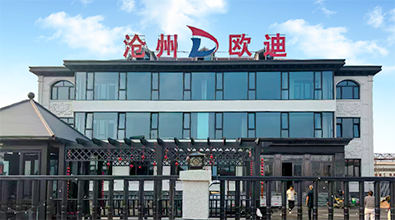
SINCE 1998 Your Reliable Pipeline Manufacturer