What Makes a Top Precision-Machined Elbow Factory Different?
A top precision-machined elbow factory distinguishes itself through advanced CNC machining capabilities that achieve tolerances within ±0.01mm, combined with comprehensive material expertise across carbon steel, stainless steel, and high-performance alloys. These facilities integrate rigorous quality management systems certified to ISO 9001 standards, utilise state-of-the-art inspection equipment for dimensional verification, and maintain robust supply chains capable of consistent high-volume production. When selecting a precision-machined elbow supplier, the difference between adequate and exceptional lies in their technical capacity to eliminate internal flow turbulence, prevent catastrophic failures in high-pressure environments, and deliver full material traceability documentation that meets international regulatory requirements.
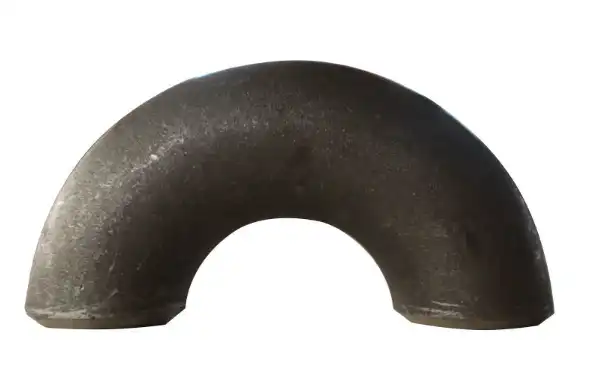
Understanding Precision-Machined Elbows and Their Industry Demands
Precision-machined elbows are a special kind of pipe part that are made using subtractive CNC processes instead of the more common casting or forging methods. These high-performance parts change the flow of fluid with micron-level accuracy, which solves important problems in tough industrial settings. During the manufacturing process, material is taken away from solid billets. This makes the insides very smooth, with roughness values as low as 0.4μm Ra, which is something that regular forgings can't do.
Why Precision Matters in Industrial Piping Systems
In places like oil refineries, chemical plants, and natural gas facilities, industrial systems work in harsh conditions that are too harsh for standard fittings. Normal elbows have rough spots on the inside that make turbulence zones where corrosive media can build up and speed up system degradation. By getting rid of these dead zones, precision machining makes parts last 40–60% longer in corrosive environments than cast alternatives. CNC turning achieves better concentricity, which stops uneven stress distribution that causes fatigue cracks to form too soon in high-vibration environments like marine pipes and power plants.
Material Selection and Performance Requirements
It is important for Precision-machined elbows to be made of high-quality materials. Carbon steel types are inexpensive and can be used for water conservation projects and building. 316L stainless steel, on the other hand, is resistant to corrosion, which is important for chemical handling. Combinations of chromium, molybdenum, and nickel in alloy steel give ultra-high-pressure hydraulic systems more than 10,000 PSI, the strength they need. Each choice of material has its own set of mechanical qualities, such as yield strength, tensile strength, and impact resistance, that need to be compatible with practical factors like pressure ratings, temperature cycles, and fluid compatibility. When procurement professionals understand these application-specific needs, they can choose parts that balance performance with costs over the course of their life.
Core Differentiators of Top Precision-Machined Elbow Factories
Precision-machined elbows are made by companies with advanced technology, strong quality control systems, and large production facilities. These are what set industry leaders apart from standard suppliers. These differences have a direct effect on how reliable parts are, how consistently they are delivered, and the total cost of ownership for industrial projects.
Advanced Manufacturing Technology and Equipment
Major companies put a lot of money into multi-axis CNC machining centres that can bend pipes in ways that traditional pipe bending can't. Five-axis simultaneous machining lets you make custom angles of 22.5 degrees, 60 degrees, or compound angles, which are very useful for installations in boiler systems and offshore platforms that don't have a lot of room. Oudi has high-tech production lines with automatic checking stations and precision turning centres that make sure the sizes are correct throughout production runs. Cutting, heating, making, and finishing are the controlled steps that our facility uses to work with raw materials. Each step is checked to make sure it meets ANSI, JIS, DIN, and BS standards. Adding automated material handling lowers the risk of contamination while keeping the throughput at 16,000 tonnes per year. This makes sure that large projects can depend on the supply chain.
Comprehensive Quality Control Protocols
Quality assurance includes every step of the production process, not just the final inspection. Top manufacturers use X-ray fluorescence spectroscopy for Positive Material Identification (PMI) to check incoming materials and make sure the alloy chemistry matches Mill Test Reports before they start machining. Coordinate Measuring Machine (CMM) systems do three-dimensional mapping during production to check the accuracy of angles and the consistency of wall thickness. Full inspection protocols are required by our quality management system, which is certified to ISO 9001:2000 and backed by special equipment manufacturing licenses from the Chinese government regulators. Non-Destructive Testing (NDT) is done on every Precision-machined elbow. This includes dye penetrant inspection to find cracks in the surface and ultrasonic testing to find flaws below the surface. Testing the structure's strength under 1.5 times its design pressure with hydrostatic pressure is done before it is shipped, and full documentation is given through EN 10204 3.1 Material Test Reports so that everything can be tracked.
Material Sourcing and Certification Standards
Strong supply lines for certified raw materials separate trustworthy makers from suppliers who are just looking for a quick buck. We work with approved steel mills that provide materials that are certified to meet ASTM, ASME, and international standards. This makes sure that the mechanical properties of each production batch are the same. This quality control upstream gets rid of the differences that cause field setups to fail too soon. Our purchasing system keeps track of the history of materials from the steel mill to the final assembly. This creates a complete chain of custody that meets the needs of regulators in the oil and gas, power generation, and aerospace industries. When projects need rare alloys like Inconel or titanium, our sourcing network can provide certified materials with records of their heat treatment and grain structure analysis.
Customisation Capabilities and Engineering Support
Most of the time, standard catalogue parts don't meet the exact needs of complex industrial systems. Excellent factories let engineers work together to find the best elbow shape for the flow characteristics, pressure drops, and installation limitations. Our technical team works directly with end-users and EPC contractors to create custom solutions that standard fittings can't, such as changed radii, specialised end connections, or inspection ports that are built in. This design flexibility includes the choice of material. Experts can help you choose an alloy that balances resistance to corrosion, mechanical strength, and your budget. It lowers project risk and speeds up approval cycles to be able to make small prototype runs for testing before committing to full production runs.
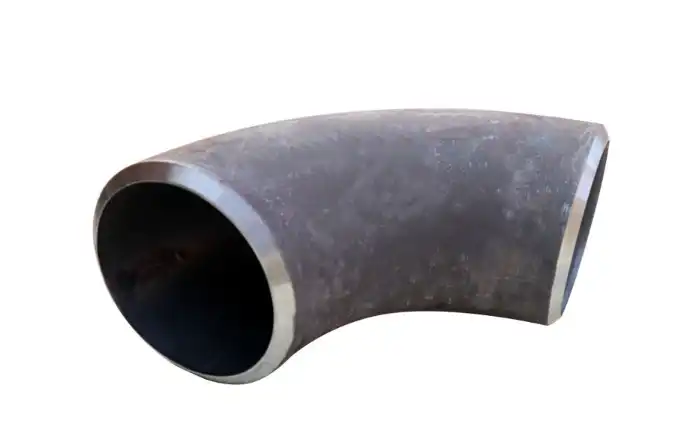
How to Evaluate and Compare Precision-Machined Elbow Suppliers
To choose the best supplier, you need to do more than just compare prices. To keep supply chain problems and quality failures to a minimum, people who work in B2B buying must look at skills in technical, business, and logistical areas.
Certification and Compliance Verification
Reliable providers keep their certifications up to date from well-known quality management groups. Getting ISO 9001 approval means that there are set methods for controlling the process, making changes, and improving all the time. Special equipment manufacturing licenses, which are needed in many places for pressure-containing parts, show that you know how to follow the rules and are technically competent. You should ask for proof of these certifications and scope statements that confirm they cover the exact types of products you need. Our factory is ISO 9001:2000 certified, which means that we can make bends, flanges, tees, and reducers out of carbon steel, stainless steel, and alloy steel. This means that you can be sure that your Precision-machined elbows come from a quality system that has been checked.
Production Capacity and Delivery Reliability
The manufacturer's annual production capacity shows how well they can handle big orders without sacrificing quality or time. Facilities that make less than 5,000 tonnes a year may have trouble staying consistent when volume spikes, but operations that make more than 15,000 tonnes a year have stable processes and a lot of resources. Our yearly capacity of 16,000 tonnes helps with projects ranging from small, one-of-a-kind orders to large shipments for big building projects. The lead time for Precision-machined elbows is usually two to four weeks, based on the supply of materials and the complexity of the specifications. This is higher than the lead time for off-the-shelf forgings but much shorter than the lead time for specialised castings. Professional suppliers are different from those who over-promise and under-deliver because they are clear about production schedules and let customers know when materials are late.
Comparative Analysis: Machined vs. Forged vs. Welded Elbows
Understanding the trade-offs between manufacturing methods helps choose the best components. Forged elbows are stronger and cheaper for normal shapes, but they can't be made with the tight tolerances needed for high-vacuum seals or precise sensor connections. Welded fabricated elbows are flexible for large diameters, but they add heat-affected areas that can rust and crack under stress. Precision-machined alternatives get rid of all weld joints, making one-piece parts with consistent grain structure and known mechanical qualities. The extra cost of machined elbows, which is usually 15–30% more than forgings, is worth it because they last longer, need less maintenance, and don't leak catastrophically in serious situations. When the costs of system downtime are higher than the premiums for parts, precision machining is the best way to save money.
Technical Support and Post-Sale Service
Comprehensive seller support includes more than just delivering parts; it also includes help with installation, fixing problems, and responding to guarantee claims. Check out providers based on how easy it is to reach their technical staff and how knowledgeable they are about your business. Before a sale, our team does consultations to make sure that the specifications are correct. This cuts down on mistakes that cost a lot of money, like using the wrong material grade or the wrong size. After delivery, you can still reach us at oudi-04@oudiguandao.com for technical questions, insurance claims, or to make it easier to place another order. We have customers in over 40 countries in Europe, the Americas, Africa, Southeast Asia, and the Middle East, and our international logistics skills are vital for making sure they get their orders on time, whether they need consolidated container exports or urgent air freight for important parts.
Real-World Applications and Performance Verification
Practical application examples show how Precision-machined elbows address real-world problems in industry, going beyond theoretical requirements.
Oil and Gas Infrastructure Projects
Subsea production systems need parts that can handle hydraulic pressures above 3,000 PSI and keep wellhead flows from causing internal pressures to rise. Precision-machined elbows made from super duplex stainless steel were ordered for subsea control modules at a major offshore development in Southeast Asia. Standard fittings would quickly corrode in these conditions because of the saltwater exposure and high sulphur content in the extracted gas. Our production process made parts with internal surface finishes that stopped sulphide stress cracking at the starting points. This was proven by hydrogen-induced cracking tests that met NACE MR0175 standards. The installation has been up and running for eight years without any parts being replaced. This shows how valuable precision manufacturing is over time, even in harsh environments.
Chemical Processing and Pharmaceutical Manufacturing
Ultra-high purity uses in semiconductor manufacture and pharmaceutical production need fluid handling that is free of contamination. Even small particles can cause problems with the product or cause the batch to be thrown out. As a European drug company moved to single-use systems, they needed Precision-machined elbows for sanitary use with electropolished internal surfaces that had Ra values below 0.4μm. Standard sanitary fittings with Ra values of 0.8 to 1.2μm had tiny surface cracks where bacteria could hide, even after strict cleaning-in-place procedures. These places where contamination could hide were taken care of by our precise machining and following electropolishing. This allowed the plant to get reliable USP Class VI approval for making parenteral drugs. Material Test Reports that included a full study of the alloy's makeup and recording of its mechanical properties met FDA regulations for component traceability.
Power Generation and Boiler Systems
In power plants, high-temperature steam systems subject pipe fittings to heat cycling, which changes their size and eventually causes parts with leftover stresses from welding or forming to break. For superheater circuits running at 1050°F and 2400 PSI, a coal-fired power plant replacing its original equipment after 150,000 hours of use specified Precision-machined elbows. The machining process got rid of any residual stresses that were present in forged options, and the controlled heat treatment improved the grain structure to make it more resistant to creep. Performance monitoring over 50,000 hours shows that the dimensions are stable within the design tolerances. This is different from previous components that deformed noticeably after 30,000 hours. This longer service interval cuts down on maintenance downtime and the money that is lost because of it. This shows how precision manufacturing helps the economy.
Conclusion
When looking for the best Precision-machined elbow factory, you need to look at their technical skills, quality systems, and operational scale, all of which have a direct effect on the performance of the parts and the success of the project. The best makers set themselves apart by using advanced CNC machining technology that can achieve tolerances of just a few microns, getting materials from a wide range of sources that can be fully tracked, and enforcing strict quality control methods that have been approved by international bodies. Precision-machined elbows that meet ANSI, JIS, DIN, and BS standards are produced by Oudi using ISO 9001 certified methods and a 16,000-ton yearly capacity. Our building helps over 300 customers in 40 different countries with their technical needs and makes sure their supply chains are reliable, which is important for large industrial projects. Working with a well-known supplier lowers the risk of buying things and makes sure that parts work reliably for as long as they're supposed to.
FAQ
1. Why choose a Precision-machined elbow over a Regular Forged Elbow?
Precision-machined elbows have much tighter size limits, usually ±0.01mm compared to ±0.5mm for forgings. This is important for uses that need high-vacuum seals or ultra-high-pressure situations where normal forgings can't keep the seals intact. The CNC machining process creates better interior surface finishes with roughness levels below 0.4μm Ra. This gets rid of the tiny flaws in forging surfaces that cause flow problems and corrosion to start.
2. Can these elbows handle angles that aren't standard, like 22.5 degrees or 60 degrees?
CNC machining can make any unique shape or compound angle that can't be made with standard pipe bending or casting. Our multi-axis machining centres can make complex angular shapes based on your design needs. This gives you geometric freedom that isn't possible with regular forming methods.
3. How do you make sure that materials can be tracked so that you can follow the rules?
Each Precision-machined elbow comes with an EN 10204 3.1 or 3.2 Material Test Report that shows the steel mill where it was made, its chemical makeup, its mechanical qualities, and heat treatment records. Full material pedigree is needed by regulators in oil and gas, power generation, and pharmaceutical applications, and this documentation meets those needs.
4. If we compare these lead times to standard catalogue fits, how long should we wait?
Our optimised CNC workflows usually deliver custom Precision-machined elbows within 2 to 4 weeks, though this is longer than off-the-shelf inventory items and depends on the availability of materials and the complexity of the specifications. This schedule strikes a balance between the need for precision in manufacturing and the needs of practical project schedules.
Partner with Oudi for Precision-Machined Elbow Solutions
Precision-machined elbow solutions are available from Oudi. Precision-machined elbows made to exact specifications are ready at Oudi to help you with your next industrial project. Since 1998, we have been a trusted manufacturer of Precision-machined elbows. We use cutting-edge CNC machining technology and have a lot of experience working with carbon steel, stainless steel, and other alloys. Our ISO 9001-certified plant has strict quality control measures in place, from checking the raw materials to doing the final review, to make sure that every part meets international standards. Our engineering team works with you to choose the best materials and designs, whether you need standard geometries or custom angles for installations with limited space. Please email us at oudi-04@oudiguandao.com right away to talk about your specific needs and get a detailed quote for your Precision-machined elbow needs.
References
1. American Society of Mechanical Engineers. (2020). ASME B16.9: Factory-Made Wrought Buttwelding Fittings. New York: ASME Press.
2. Davis, J.R. (ed.). (2006). Corrosion of Weldments. Materials Park, OH: ASM International.
3. Hertzberg, R.W., Vinci, R.P., & Hertzberg, J.L. (2012). Deformation and Fracture Mechanics of Engineering Materials (5th ed.). Hoboken, NJ: John Wiley & Sons.
4. International Organization for Standardisation. (2015). ISO 9001:2015 Quality Management Systems—Requirements. Geneva: ISO.
5. Mohitpour, M., Golshan, H., & Murray, A. (2007). Pipeline Design & Construction: A Practical Approach (3rd ed.). New York: ASME Press.
6. Smith, P.R. & Zappe, R.W. (2004). Valve Selection Handbook: Engineering Fundamentals for Selecting the Right Valve Design for Every Industrial Flow Application (5th ed.). Burlington, MA: Gulf Professional Publishing.

Need help finding the right solution with our experts. Please contact us.

SINCE 1998 Your Reliable Pipeline Manufacturer



