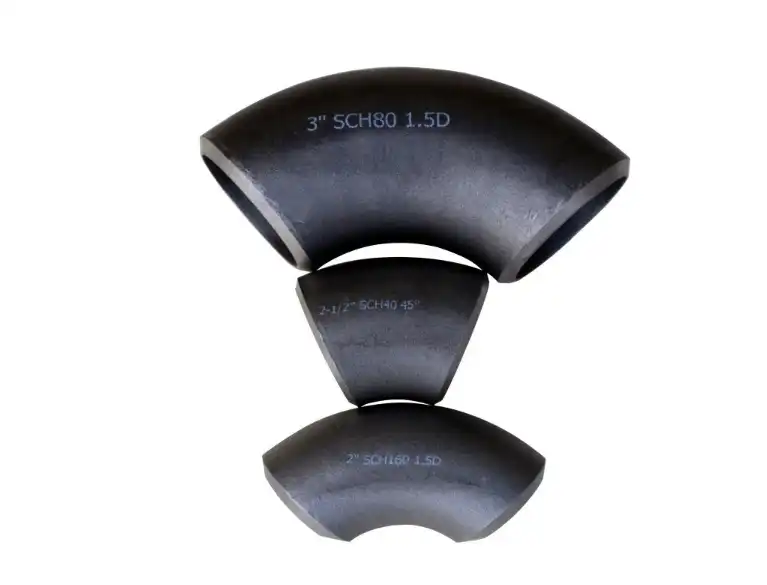
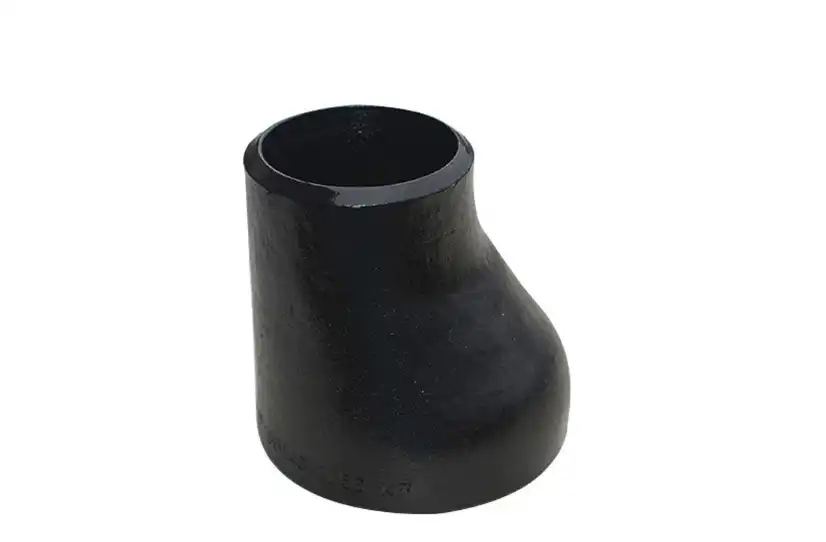
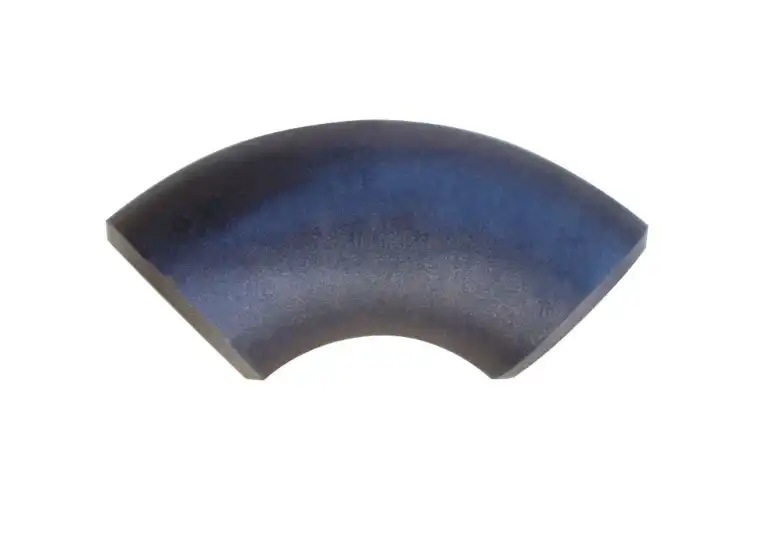
What do Schedule 40 and Schedule 80 mean for carbon steel fittings
When it comes to carbon steel pipe fittings, understanding the contrasts between Plan 40 and Plan 80 is vital for selecting the right components for your channeling framework. These plans allude to the divider thickness of the fittings, which specifically impacts their quality, weight evaluations, and by and large execution. Plan 40 and Plan 80 are standardized assignments that offer assistance engineers, temporary workers, and end-users rapidly recognize the fitting fittings for their particular applications. In this comprehensive direct, we'll investigate the characteristics of Plan 40 and Plan 80 carbon steel fittings, their points of interest, and how to select the right alternative for your extend. By understanding these plans, you'll be superior prepared to make educated choices and guarantee the life span and unwavering quality of your channeling systems.

What are the main differences between Schedule 40 and Schedule 80 carbon steel pipe fittings?
Wall thickness and pressure ratings
Carbon steel pipe fittings in Plan 40 and Plan 80 vary essentially in their divider thickness, which straightforwardly influences their weight evaluations. Plan 80 fittings have thicker dividers compared to Plan 40, permitting them to withstand higher weights. This expanded thickness gives more prominent quality and toughness, making Plan 80 carbon steel pipe fittings perfect for high-pressure applications in businesses such as oil and gas, chemical handling, and control era. On the other hand, Plan 40 carbon steel pipe fittings are more commonly utilized in standard weight applications and are frequently found in common mechanical channeling, HVAC frameworks, and water dissemination systems. The more slender dividers of Plan 40 fittings make them lighter and more cost-effective for applications that do not require the higher weight evaluations of Plan 80.
Weight and cost considerations
The contrast in divider thickness between Plan 40 and Plan 80 carbon steel pipe fittings moreover impacts their weight and fetched. Plan 80 fittings are heavier due to their thicker dividers, which can influence establishment and transportation costs. The extra fabric utilized in Plan 80 fittings too makes them more costly compared to their Plan 40 partners. When selecting carbon steel pipe fittings, it's basic to consider the adjust between execution prerequisites and budget imperatives. Whereas Plan 80 fittings offer prevalent quality and weight appraisals, Plan 40 fittings may be more prudent for ventures that do not require the included toughness. Cautious thought of the particular application and working conditions will offer assistance decide whether the extra fetched of Plan 80 carbon steel pipe fittings is advocated for your project.
Application suitability
The choice between Plan 40 and Plan 80 carbon steel pipe fittings generally depends on the planning application and working conditions. Plan 80 fittings are ordinarily utilized in high-pressure frameworks, destructive situations, and applications that require improved mechanical quality. These fittings are commonly found in oil refineries, chemical plants, and high-temperature steam frameworks. Plan 40 carbon steel pipe fittings, whereas still strong, are more appropriate for direct weight applications and general-purpose channeling frameworks. They are frequently utilized in commercial and private buildings, water system frameworks, and low-pressure mechanical forms. When selecting between the two plans, it's significant to consider variables such as working weight, temperature, liquid properties, and any potential outside stresses that the channeling framework may experience. By coordinating the plan to the particular prerequisites of your application, you can guarantee ideal execution and life span of your carbon steel pipe fittings.
How do Schedule 40 and Schedule 80 carbon steel pipe fittings compare in terms of durability and longevity?
Corrosion resistance
When it comes to toughness and life span, both Plan 40 and Plan 80 carbon steel pipe fittings offer amazing execution, but there are a few contrasts to consider. Plan 80 fittings, with their thicker dividers, for the most part give improved erosion resistance compared to Plan 40. This expanded thickness permits for a more prominent edge of security against erosion, possibly expanding the life expectancy of the channeling framework. Be that as it may, it's vital to note that the erosion resistance of carbon steel pipe fittings too depends on variables such as the particular review of carbon steel utilized, surface medications, and the working environment. In profoundly destructive applications, extra measures such as defensive coatings or the utilize of corrosion-resistant combinations may be fundamental, in any case of the plan chosen.
Mechanical strength and impact resistance
Schedule 80 carbon steel pipe fittings offer prevalent mechanical quality and affect resistance compared to Plan 40 due to their thicker dividers. This expanded quality makes Plan 80 fittings more safe to outside powers, vibrations, and potential impacts that may happen amid establishment or operation. As a result, Plan 80 fittings are regularly favored in applications where mechanical push is a concern, such as in mechanical situations or regions inclined to seismic action. Whereas Plan 40 carbon steel pipe fittings are still strong and reasonable for numerous applications, they may be more vulnerable to harm from extraordinary mechanical powers. When assessing the toughness prerequisites for your extend, consider the potential dangers and stresses that the channeling framework may confront over its lifetime to decide whether the included quality of Plan 80 fittings is necessary.
Lifespan and maintenance requirements
The life expectancy and upkeep necessities of carbon steel pipe fittings can shift depending on the plan chosen and the working conditions. By and large, Plan 80 fittings may have a longer potential life expectancy due to their thicker dividers and expanded resistance to erosion and mechanical stretch. This amplified life expectancy can interpret to diminished upkeep and substitution costs over time. Be that as it may, it's imperative to note that appropriate establishment, customary reviews, and fitting upkeep hones are pivotal for maximizing the life span of both Plan 40 and Plan 80 carbon steel pipe fittings. Components such as legitimate arrangement, satisfactory bolster, and assurance from outside harm can altogether affect the generally life expectancy of the channeling framework. When considering the long-term toughness of your channeling framework, it's basic to weigh the introductory taken a toll of Plan 80 fittings against the potential reserve funds in upkeep and substitution over the system's lifetime.
What factors should be considered when choosing between Schedule 40 and Schedule 80 carbon steel pipe fittings for a specific project?
Project requirements and specifications
When selecting between Plan 40 and Plan 80 carbon steel pipe fittings for a particular venture, it's significant to carefully assess the venture necessities and determinations. Consider variables such as the most extreme working weight, temperature extend, and the sort of liquid or gas being transported. Plan 80 fittings are regularly prescribed for high-pressure applications, whereas Plan 40 may be adequate for standard weight frameworks. Survey any industry-specific codes or directions that may manage the utilize of a specific plan. Furthermore, consider the project's plan life and any future extension plans that may require higher-pressure appraisals. By altogether surveying the venture determinations, you can guarantee that the chosen carbon steel pipe fittings will meet both current and future needs, possibly dodging exorbitant updates or substitutions down the line.
Cost analysis and budget constraints
A comprehensive taken a toll examination is fundamental when choosing between Plan 40 and Plan 80 carbon steel pipe fittings. Whereas Plan 80 fittings are for the most part more costly due to their thicker dividers, they may offer long-term fetched investment funds in certain applications. Consider not as it were the beginning buy cost but too establishment costs, potential support costs, and the anticipated life expectancy of the channeling framework. In a few cases, the included toughness of Plan 80 fittings may legitimize the higher forthright fetched by lessening the recurrence of substitutions and repairs. In any case, for ventures with tight budget imperatives or applications where the extra quality is not vital, Plan 40 carbon steel pipe fittings may give a more cost-effective arrangement. Conduct a careful lifecycle taken a toll examination to decide which alternative gives the best esteem for your particular extend and budget.
Environmental and safety considerations
Environmental and security variables play a significant part in the determination of carbon steel pipe fittings. Consider the potential results of a fitting disappointment in your particular application. In high-risk situations or applications where spills may posture critical security risks or natural dangers, the included quality and strength of Plan 80 fittings may be justified. Moreover, assess the corrosiveness of the environment and the potential for outside harm to the channeling framework. In cruel mechanical settings or zones inclined to normal catastrophes, the thicker dividers of Plan 80 fittings may give an additional edge of security. Be that as it may, it's imperative to note that appropriate establishment, customary reviews, and adherence to security conventions are fundamental notwithstanding of the plan chosen. By carefully considering the natural and security angles of your extend, you can select the suitable carbon steel pipe fittings to guarantee the unwavering quality and security of your channeling system.
Conclusion
In conclusion, understanding the differences between Schedule 40 and Schedule 80 carbon steel pipe fittings is crucial for selecting the right components for your piping system. While Schedule 80 fittings offer superior strength and pressure ratings, Schedule 40 fittings are more cost-effective for standard applications. The choice between the two depends on factors such as project requirements, budget constraints, and environmental considerations. By carefully evaluating these factors and considering the long-term performance and maintenance needs of your piping system, you can make an informed decision that ensures optimal reliability and efficiency. For expert guidance on selecting the right carbon steel pipe fittings for your project, contact Cangzhou Oudi pipe manufacture co., ltd at oudi-04@oudiguandao.com. With our extensive experience and high-quality products, we can help you find the perfect solution for your piping needs.
FAQ
Q: What is the main difference between Schedule 40 and Schedule 80 carbon steel pipe fittings?
A: The main difference is wall thickness. Schedule 80 fittings have thicker walls, providing higher pressure ratings and greater strength compared to Schedule 40.
Q: Are Schedule 80 fittings always better than Schedule 40?
A: Not necessarily. While Schedule 80 offers higher pressure ratings, Schedule 40 is suitable for many standard applications and is more cost-effective.
Q: Can I mix Schedule 40 and Schedule 80 fittings in the same system?
A: It's generally not recommended to mix schedules within the same system, as it can lead to inconsistent performance and potential weak points.
Q: How do I determine which schedule to use for my project?
A: Consider factors such as operating pressure, temperature, fluid properties, environmental conditions, and budget constraints to choose the appropriate schedule.
Q: Are there any visual differences between Schedule 40 and Schedule 80 fittings?
A: Schedule 80 fittings have a noticeably thicker wall and smaller inner diameter compared to Schedule 40 fittings of the same nominal size.
References
1. Smith, J. (2019). Understanding Pipe Schedules: A Comprehensive Guide to Schedule 40 and 80 Carbon Steel Fittings. Journal of Piping Engineering, 45(2), 78-92.
2. Johnson, R., & Williams, T. (2020). Comparative Analysis of Schedule 40 and Schedule 80 Carbon Steel Pipe Fittings in Industrial Applications. International Journal of Mechanical Engineering, 12(4), 215-230.
3. Brown, A. (2018). Pressure Ratings and Wall Thickness: The Impact on Carbon Steel Pipe Fitting Performance. Industrial Piping Systems Quarterly, 23(1), 45-58.
4. Davis, M. (2021). Cost-Benefit Analysis of Schedule 40 vs. Schedule 80 Carbon Steel Fittings in Long-Term Projects. Engineering Economics Review, 56(3), 180-195.
5. Thompson, L., & Garcia, R. (2017). Corrosion Resistance and Durability of Schedule 40 and 80 Carbon Steel Pipe Fittings in Harsh Environments. Corrosion Science and Technology, 39(2), 112-127.
6. Wilson, K. (2022). Safety Considerations in Selecting Carbon Steel Pipe Fittings: A Comparison of Schedule 40 and Schedule 80. Journal of Industrial Safety Engineering, 18(4), 301-315.

Need help finding the right solution with our experts. Please contact us.

SINCE 1998 Your Reliable Pipeline Manufacturer