What is the expected lifespan of galvanized carbon steel elbows outdoors?
One question that engineers and procurement workers often have when planning outdoor pipe systems for commercial uses is how long galvanized carbon steel elbows will actually last when they are out in the weather. According to industry research and performance data from the field, galvanized carbon steel elbows usually last between 20 and 50 years outside. However, this range can change a lot depending on the environment, the thickness of the zinc coating, how well they are maintained, and the operational stresses. The zinc layer, which can be put on using either hot-dip or electro-galvanization methods, protects against rust and makes the part last much longer than carbon steel parts that haven't been treated. Knowing the specific factors that affect this longevity helps B2B buyers make smart choices that balance the costs of the original investment with the costs over the whole lifecycle.
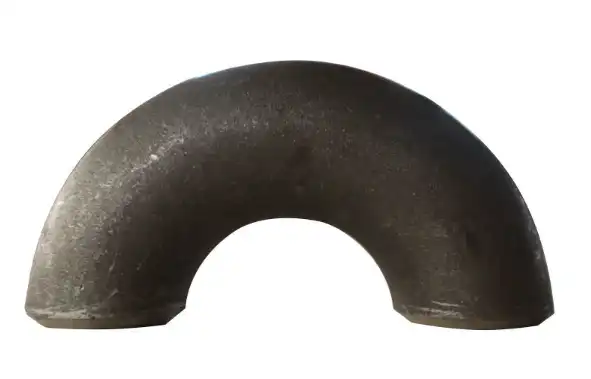
Understanding Galvanized Carbon Steel Elbows
For more than 20 years, Oudi has been making galvanized carbon steel elbows for more than 300 customers in 40 countries. These customers work in difficult fields like oil and gas, chemical processing, water conservation, and natural gas delivery. From our experience, we know that it's important to understand the basic features of these parts before judging how well they will work outside.
What Makes Galvanized Elbows Different from Standard Carbon Steel?
Precisely formed carbon steel parts made from ASTM A234 WPB, ASTM A53, or ASTM A106 grade steel start as galvanized elbows. These parts are shaped in a certain way by hot pressing or hot bending. At our factory, we make things by heating the carbon steel pipe piece to certain temperatures and then automatically shaping it into the right angle, whether that's 45 degrees, 90 degrees, or any other angle that fits the needs of the project. The protective zinc layer that is added after shaping is what sets galvanized carbon steel elbows apart from their black steel peers. This zinc layer forms a chemical link with the base carbon steel, acting as a barrier that corrodes faster than the metal below it. When water or other acidic substances come in contact with the surface, they don't affect the steel underneath but instead oxidize the zinc. This makes the rust formation process much slower. There are two main ways to apply this coating: hot-dip galvanization and electro-galvanization. Hot-dip galvanization creates a thicker layer of alloyed zinc-iron that is usually between 45 and 85 microns thick, while electro-galvanization creates a thinner but more uniform layer between 5 and 15 microns thick through electrochemical deposition.
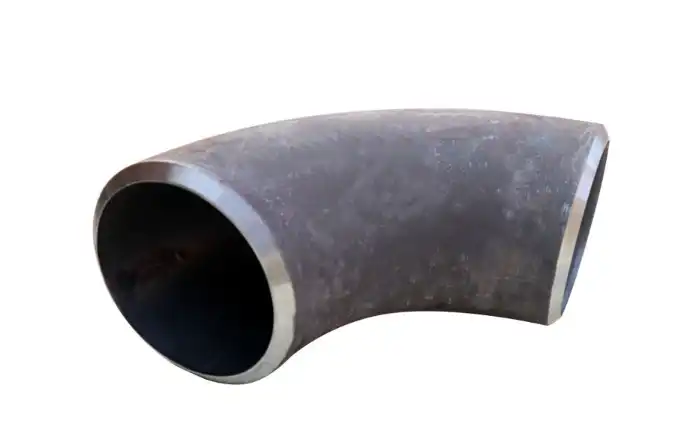
Key Specifications That Impact Outdoor Performance
There are a few technical details that affect how long galvanized carbon steel elbows last and how well they work when they are used outside. The mechanical qualities of the base material, such as its tensile strength, yield strength, and resistance to impact at different temperatures, depend on the carbon steel grade. Dimensional rules set by ASME B16.9, DIN 2605, or JIS B2313 make sure that elbows fit correctly with other parts of the pipe system. Pressure ratings, which are usually written as "Schedule 40," "Schedule 80," or class names, tell you the highest pressures that the galvanized carbon steel elbow can safely hold over its entire service life. The coating level is probably the most important factor that affects how long something will last outside. At Oudi, we use magnetic induction scales to check the thickness of the coating as part of our quality control methods. This makes sure that every batch is the same. Naturally, thicker coatings offer longer safety times, but they also need to be installed with more care to avoid mechanical damage during assembly. Thread specifications for galvanized carbon steel elbows must stay within exact limits even after the coating is applied. Our electro-galvanized threaded fittings avoid the thread-clogging problems that can happen with hot-dip processes, so they can be put together without any problems. You don't even have to chase the threads after coating them.
Common Applications in Outdoor Industrial Settings
Galvanized carbon steel elbows play important roles in a variety of outdoor uses where corrosion protection must be balanced with budgetary restrictions and mechanical demands. In networks for supplying and distributing water, these parts change the flow through city infrastructure, watering systems for farms, and cooling loops for factories. Galvanized carbon steel elbows are used in the oil and natural gas industries for above-ground gathering lines, metering stations, and distribution manifolds where light corrosion protection is enough for the working climate. They are used in cooling tower pipes, wastewater return systems, and additional service lines exposed to the weather near power plants. Galvanized carbon steel elbows are used in shipbuilding for deck draining systems, ballast lines, and non-critical service pipes where weight and corrosion protection are important. These fittings are required by construction projects for HVAC systems, fire control systems, and structural pipes that will be outside for the life of the building.
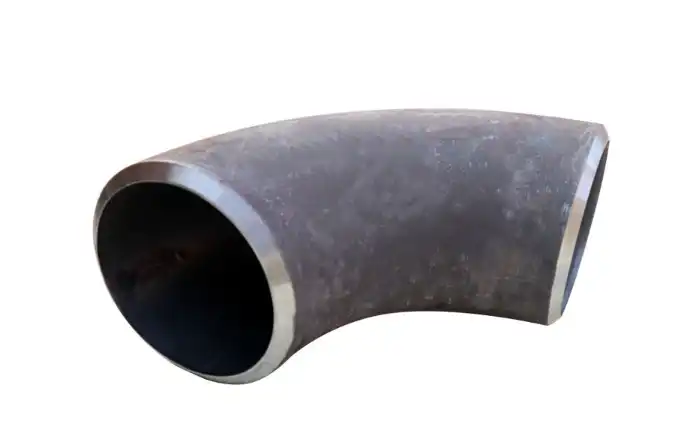
What Factors Influence the Lifespan of Galvanized Carbon Steel Elbows Outdoors?
As a company that has made and exported galvanized carbon steel elbows to harsh places like Southeast Asia's humid climate, Europe's salty coastlines, and the Middle East's high temperature changes, we've seen how different factors have a big impact on how long parts last. When procurement teams know about these factors, they can choose the right goods and maintenance plans for their situation.
Environmental Conditions and Climate Impact
The surroundings have a big effect on how well the galvanized carbon steel elbow finish works and how long the component lasts overall. Corrosion rates are directly related to humidity levels. Places with constant wetness or frequent cycles of precipitation use zinc more quickly because the protective layer is always forming and breaking down zinc oxide and zinc hydroxide compounds. Coastal sites are put through especially harsh conditions because salt spray contains chloride ions that break through the zinc oxide layer and rust three to five times faster than in inland environments. Changes in temperature cause cycles of expansion and contraction that can weaken coatings over time, especially at welded joints where thermal loads are high. UV light doesn't break down metallic zinc films very much, but it can damage any organic paints or topcoats that are put on top of the galvanization. Industrial air that contains sulfur dioxide, nitrogen oxides, or other acidic pollutants shortens the life of galvanized carbon steel elbow coatings by creating soluble zinc salts that are washed away in rainstorms, making the protective layer thinner over time.
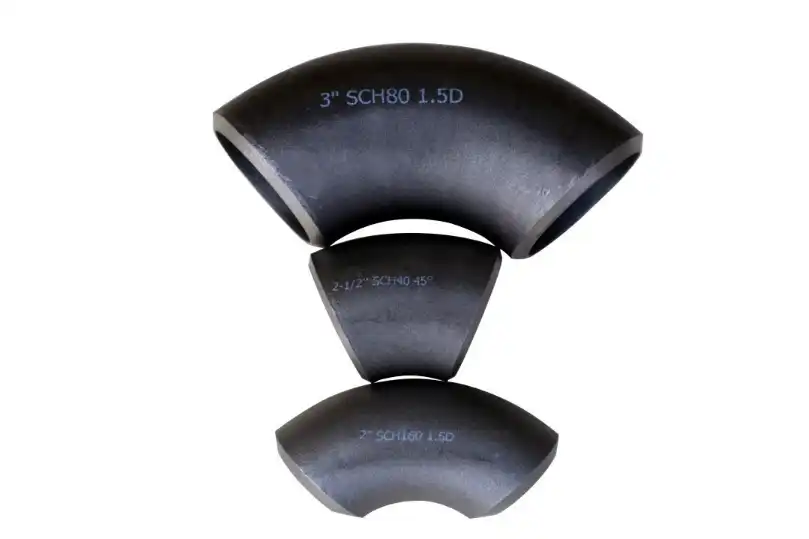
Coating Thickness and Application Method Differences
The galvanization process and the resulting covering thickness are factors that can be adjusted and significantly affect how long an item lasts outdoors. Hot-dip galvanization makes the toughest coats for outdoor use. Coats with thicknesses of 65 to 85 microns offer strong defense even in difficult marine or industrial settings. A pure zinc layer tops multiple layers of a zinc-iron combination. This forms a metallurgical link that protects against mechanical damage and lasts for a long time. At our factory, we use bend tests to make sure the covering sticks well and even covers all the complicated shapes of the galvanized carbon steel elbow, even the insides, which is where rust often starts without being seen. Electro-galvanized coats provide less thick defense, usually 5 to 15 microns. They work best in less harsh weather conditions or situations where exact measurements must be kept. While these coats offer great symmetry and a nice look, they wear off more quickly under the same exposure conditions. Industry studies show that adding 10 microns of zinc coating to something makes it last two to four years longer in mild conditions. This makes choosing the right coating a crucial part of buying something, as it has direct effects on the cost over its entire life.
Operational Stresses and Mechanical Factors
In addition to the surroundings, the way the piping system is used affects the lifespan of the galvanized carbon steel elbow through mechanical wear and stress concentration. The amount of stress in the walls of the component is determined by the operating pressure compared to the pressure rating. Installations that get close to their highest-rated pressures experience faster wear, especially where coating damage has already happened. Even though the outside is galvanized, the flow speed and the properties of the fluid affect the rate of interior rusting. Particles that are rough in the medium can wear away both the inside surfaces and any coatings that are on them, leaving weak spots that aren't affected by rust on the outside. System shaking, which happens a lot in pump discharge lines and near spinning equipment, causes cyclic stresses that make fatigue cracks spread from uneven surfaces or coating breaks. Process temperature changes cause thermal cycling, which makes the zinc coating and steel base expand and contract at different rates. This can create tiny cracks that let rusting start. These mechanical factors and weather rust often work together to speed up degradation more than either factor could do on its own.
Galvanized Carbon Steel Elbow vs. Other Materials: Lifespan and Durability Comparison
To choose the best galvanized carbon steel elbow, you have to weigh the pros and cons of different materials based on the needs of the job, your budget, and the expected performance. We regularly help our customers understand these differences between materials because we offer a wide range of carbon steel, stainless steel, and alloy steel pipe fittings for a variety of industrial uses.
Galvanized vs. Black Carbon Steel Performance
When used outside, galvanized carbon steel elbows work much better than bare black carbon steel elbows. This difference is big and costs a lot of money. When black carbon steel parts are left outside in humid areas for a few weeks, the surface usually starts to rust. Over time, the corrosion causes the walls to thin, and based on the wall thickness and weather harshness, the parts will break. The service life is increased by three to five times when you choose the galvanized option over the other one. This is because zinc acts as a sacrifice to protect. This longer durability immediately leads to fewer replacements, lower upkeep costs, and less downtime for the system. The initial cost of galvanization is usually 15% to 35% higher than that of black steel. However, when substitute labor, system shutdown costs, and disposal costs are added into the economic model, lifetime cost analysis always favors galvanized carbon steel elbows. Galvanized options are also better for the environment because they last longer, which means less material needs to be used and thrown away during the infrastructure's working time.
Stainless Steel vs. Galvanized Steel Trade-offs
When it comes to rust protection, stainless steel elbows—especially those made from 304 or 316 grades—are better than galvanized carbon steel elbows. This is especially true in places where chlorides, acids, or high temperatures are present. These chromium-nickel metals make passive oxide layers that fix themselves when they get broken. This means that they can be used outside for a very long time. The difference in price is big; elbows made of stainless steel usually cost two to four times more than galvanized carbon steel elbows that are the same size and pressure rating. Because of this price difference, stainless steel is only a good choice when a galvanized carbon steel elbow would need to be replaced often or when product quality requires materials that don't shed zinc. The mechanical strengths of the two materials are also different. For example, carbon steel has higher tensile and yield strengths at the same wall thicknesses, which lets designers use thinner walls to make up for some of the cost difference. When less mass makes installation or structural benefits easier, stainless steel is a better choice because it is lighter. In chemical processing and pharmaceutical manufacturing, our customers often ask for stainless steel for process-critical lines and galvanized carbon steel elbows for auxiliary systems, utility services, and non-product-contact applications. This saves money on the whole project without sacrificing performance where it matters most.
Alternative Materials for Specific Outdoor Applications
Besides Galvanized carbon steel elbows and stainless steel, there are other materials that are used in outdoor plumbing that have specific uses. Copper elbows don't rust in drinkable water systems and keep their antimicrobial qualities, but their higher cost and lower pressure values make them less useful in industrial settings. Plastic elbows, like PVC, CPVC, and HDPE ones, don't rust and are easier to install because they are light. However, they can only be used in low-pressure, room-temperature situations because they break down easily in UV light and can't handle high temperatures. Ductile iron fittings lined with cement or epoxy are used in water distribution systems with big diameters where high pressure rates and resistance to impact are more important than weight. Alloy steel elbows with chromium, molybdenum, or other alloying elements fill the performance gap between carbon steel and stainless steel. They offer better resistance to corrosion and high temperatures at a middle price point, making them useful for specific uses in power generation and petrochemical processing.
Expected Lifespan of Galvanized Carbon Steel Elbows Outdoors: Industry Data and Case Studies
Theoretical corrosion rates and lab tests can help, but the most accurate way to predict how long something will last is to look at performance data from sites that are already in use. Our decades of experience giving parts to building projects around the world have taught us a lot about how long things really last in different situations.
Typical Service Life Ranges Across Different Environments
Industry studies and records of infrastructure maintenance show that galvanized carbon steel elbows have very different service lives based on how they are used. When placed correctly, hot-dip galvanized elbows usually last more than 40 to 50 years in rural or suburban areas with normal humidity and little industrial pollution. This is because the coating wears off and the base metal corrodes. Temperate industrial zones with moderate pollution levels typically see service lives of 25 to 35 years, with periodic maintenance extending performance toward the upper range. Coastal sites that are directly exposed to salt spray—usually within 1 kilometer of breaking surf—have coatings that wear down faster. Depending on the coating thickness and the wind patterns, this can cut the projected life to 15 to 25 years. Even with tough coating requirements, galvanized carbon steel elbows may only last 10 to 20 years in harsh industrial settings with acidic fumes or chemical processing environments. These values are based on the idea that the coating was installed correctly, there is no mechanical damage, and it is inspected regularly so that localized coating failures can be found and fixed before they spread.
Field Performance Data from Infrastructure Projects
Municipal water delivery systems collect a lot of information about how well galvanized carbon steel elbows work in open environments. A thorough inspection of the infrastructure in several U.S. cities and towns showed that galvanized carbon steel elbows put in place in the 1950s and 1960s were still working in many places in the early 2000s, indicating that they had service lives of more than 40 years. Exhumed samples that were used to measure coating thickness showed that zinc was almost completely used up in coastal areas, but only 30 to 50 percent of the thickness was left in sites in the middle of the country. This confirms the devastating effects of chloride exposure. Similar patterns can be seen in the natural gas distribution infrastructure in European markets. For example, above-ground metering stations and pressure regulation facilities with hot-dip galvanized parts that were put in place in the 1970s still work well in continental climates, but in maritime climates, the parts had to be replaced every 20 to 30 years. Power plants that use cooling water systems with galvanized carbon steel elbows say that the service lives are strongly related to the chemistry and temperature of the water. Installations that handle freshwater at room temperature have service lives of about 30 to 40 years, but installations that handle brackish water or high-temperature condensate need to be replaced after 15 to 25 years, even if the parts were the same at first.
Common Failure Modes and Prevention Strategies
Figuring out why galvanized carbon steel elbows break in outdoor use lets you make plans ahead of time that extend the life of parts and stop them from breaking down when you least expect it. Most things break down in a way that exposes the carbon steel underneath to environmental damage over time. This is called progressive zinc covering consumption through uniform rust. When the surface of the steel is uncovered, rusting speeds up a lot. Red rust shows that the zinc protection is ending and the base metal is breaking down. Localized damage to the coating from mechanical impact during installation or servicing causes early failure start points where corrosion moves faster than in the protected areas around them. When installing threaded elbows, the covering can become damaged at vulnerable places called "thread engagement zones." This means that careful assembly methods are needed, and thread sealants may be needed to add extra rust protection. Welded links between galvanized carbon steel elbows and other parts are especially hard because the heat from the welding breaks the zinc covering in the area that is heated, so zinc-rich coatings have to be applied in the field to restore safety continuity. Galvanic corrosion happens when a galvanized carbon steel elbow touches different metals in an electrolyte, speeding up the loss of zinc through electrochemical action. To avoid this, it is important to keep galvanized carbon steel elbows away from copper, stainless steel, and other metals that have very different electrochemical potentials. Some ways to stop corrosion are to make sure the coating is the right thickness for the environment it will be in, to install it carefully so that mechanical damage is kept to a minimum, to add extra organic coatings to areas that are likely to rust, and to set up inspection schedules that find coating wear before substrate corrosion starts.
Procurement and Specifications Guide to Ensure Optimal Lifespan
For galvanized carbon steel elbows to last as long as they're supposed to, the right buying choices and specs must be made so that the part's capabilities match the needs of the application. Our expert team often helps customers come up with specs that get the best performance, cost, and dependability for their needs.
Critical Specifications for Outdoor Applications
For outdoor galvanized carbon steel elbow uses, procurement papers should clearly state several important factors that have a direct effect on the life of parts and the performance of the system. The material specifications should be based on well-known standards, like ASTM A234 WPB for welding fittings or ASTM A105 for forged parts. This will make sure that the mechanical qualities and ability to weld are always the same. Dimensional standards, like ASME B16.9 for butt-weld elbows or ASME B16.11 for socket-weld and threaded versions, make sure that the parts fit together correctly and that the shape can handle pressure. Pressure-temperature ratings must match the worst possible working conditions, such as changes in pressure and temperature, with the right safety factors added according to relevant codes, such as ASME B31.3 for process piping or ASME B31.8 for gas transfer. For outdoor durability, galvanizing standards are very important. For hot-dip galvanizing, ASTM A123 ensures that galvanized carbon steel elbows have a coating thickness of at least 65 microns, while ASTM B633 regulates electro-galvanizing and specifies the required coating weights. Both of these galvanizing ways are used in Oudi's manufacturing processes, so buyers can choose the one that works best for their needs and price. To make sure that the parts that are supplied meet the requirements, testing should include checking the dimensions, applying pressure, measuring the coating thickness, and making sure that the coating sticks well.
Selecting Certified Suppliers with Quality Assurance
The process of choosing a seller has a big effect on how reliable the galvanized carbon steel elbows that are bought are and how well they work in service. If a company is certified to ISO 9001 quality management standards, it means that they have written quality control processes, calibrated inspection tools, and systems for keeping track of products to make sure that the quality of their products is always the same. Our ISO 9001:2000 certification and special equipment manufacturing license from the People's Republic of China show that Oudi is dedicated to ensuring quality at every stage of the production process. When suppliers have the power to handle their own import and export, they usually show higher levels of business maturity and direct responsibility for foreign shipments. This makes the supply chain simpler and easier to communicate with. When looking at providers, production capacity is important. Our 16,000-ton annual capacity ensures that we can keep supplying even for big projects or clients who need to buy things regularly from more than one facility. Technical capabilities, such as advanced forming equipment, heat treatment furnaces, and full testing facilities with hydrostatic test systems, spectroscopic analyzers, and ultrasonic inspection equipment, set manufacturers who can consistently meet specifications apart from those who rely on outside services or have limited capabilities. Geographically spreading out the supply base lowers the risk. While focusing on a trusted supplier can help build a relationship and offer possible volume discounts, keeping qualified alternative sources on hand protects against production or logistics problems caused by events in one area.
Practical Ordering Considerations for B2B Buyers
In addition to technical requirements, practical buying factors affect how the project is carried out and how much it costs in total. Minimum order numbers change by manufacturer and product design. For example, standard-sized galvanized carbon steel elbows with standard dimensions often have smaller minimums than specialized configurations that need specific production runs. When you expect a lead time, you should include the time it takes to make the product, process it for galvanizing, check it for quality, and ship it internationally. Usually, it takes four to eight weeks to get standard products, and ten to sixteen weeks for custom orders or large amounts. The type of packing affects the state of the product when it arrives. For foreign shipping, we usually put plastic caps on the ends of pipes, bundle them up with steel strapping, and package them in wooden cases or pallets. This keeps the coatings from getting damaged during handling and travel. For foreign business-to-business deals, you need to have things like material test reports that prove the chemical make-up and mechanical qualities, dimensional inspection reports, coating thickness test results, and certifications that the product meets all relevant standards. Terms and ways of payment affect both cash flow and processing costs. Long-term suppliers can usually work with a variety of payment arrangements, such as letters of credit, documentary collections, or open account terms for approved customers they already do business with. Technical support is what sets suppliers who only deliver parts apart from partners who care about their customers' success. Our engineering team helps with application guidance, specification development, and post-delivery support for things like installation questions or improving performance in the field.
Conclusion
Galvanized carbon steel elbows can last anywhere from 20 to 50 years outside, based on the climate, the quality of the coating, the stresses of use, and how well they are maintained. Hot-dip galvanized parts with a coating thickness of 65 to 85 microns work best in tough environments like coastal zones and industrial settings. Thinner electro-galvanized parts work better in mild climates and for uses that need to save money. The right purchase specs, which include information about material grades, size standards, pressure ratings, and galvanizing needs, make sure that the parts that are supplied meet the needs of the application. The best chance of reaching the expected service life is to choose qualified makers with well-documented quality systems, enough production capacity, and full testing facilities. Knowing the things that affect how long something lasts, like humidity, salt exposure, pollution, mechanical pressures, and how it was installed, lets you make smart choices that balance the original cost with the total cost over its lifetime.
FAQ
How can I tell when galvanized elbows need replacement?
Visual inspection can give you early information when a service is about to reach the end of its useful life. When red rust shows up, it means that the galvanized coating on the carbon steel elbow is wearing off and the base carbon steel is actively corroding, which means that it needs to be replaced soon. White rust, which is made up of powdery zinc oxide, is not as scary because it means the protective zinc is still working. Magnetic gauges are used to measure the thickness of the coating to find out how much zinc is left. In important uses, the coating should usually be replaced when the thickness falls below 20 microns.
Does welding damage galvanized coating and affect lifespan?
The heat from welding removes the galvanized carbon steel elbow covering from the area next to the weld that is being heated, leaving holes in the rust protection. To restore security consistency, this spotty coating loss needs to be fixed in the field with zinc-rich paint or thermal spray metalizing. If you don't fix them, these areas will decay faster and may break before the covered areas around them, which will greatly shorten the life of the whole component.
Can I extend galvanized elbow life with additional coatings?
When you put organic layers on top of galvanization, you get a bidirectional system that lasts longer than galvanized carbon steel elbows alone. The organic topcoat keeps water out, which slows down the zinc's breakdown. If the topcoat gets broken, the zinc below will continue to protect the concrete. When used together, this mixture can increase life by 50 to 100% in harsh conditions, but it costs more to buy and use at first.
Partner with Oudi for Reliable Galvanized Carbon Steel Elbow Supply
To get the most out of the outdoor life of your pipes, you should start by buying a quality galvanized carbon steel elbow from a well-known company that has a track record of doing well around the world. Since 1998, Oudi has been supplying corrosion-resistant pipe fittings to tough jobs in 40 countries. We've built our name on consistent quality, a wide range of products, and technical knowledge that helps customers get the best specs for their environments. Our factory is ISO 9001-certified and makes 16,000 tons of American, Japanese, German, and British standard parts in carbon steel, stainless steel, and alloy steel configurations every year. This way, we can meet the needs of a wide range of projects from a single, reliable source. Whether you're planning to build water transport systems, oil gathering systems, chemical processing plants, or power plants, our engineering team can help you come up with specifications that meet both performance needs and price constraints. If you are a B2B buyer, an EPC contractor, or an industrial distributor, please email our export team at oudi-04@oudiguandao.com to discuss your galvanized carbon steel elbow needs and find out how our focus on quality and low prices can save you money throughout the lifecycle of your project.
References
1. American Galvanizers Association. "Life-Cycle Cost Analysis of Hot-Dip Galvanized Steel in Infrastructure Applications." Technical Report Series, 2019.
2. Porter, Frank C. "Corrosion Resistance of Zinc and Zinc Alloys." CRC Press Materials Science and Engineering Handbook, 2018.
3. ASTM International. "Standard Practice for Safeguarding Against Embrittlement of Hot-Dip Galvanized Structural Steel Products." ASTM A143/A143M-20, 2020.
4. National Association of Corrosion Engineers. "Atmospheric Corrosion Rates of Galvanized Steel in North American Environments. "NACE Corrosion Conference Technical Papers, 2017.
5. British Standards Institution. "Hot Dip Galvanized Coatings on Fabricated Iron and Steel Articles—Specifications and Test Methods." BS EN ISO 1461:2022, 2022.
6. Maass, Peter and Peissker, Peter. "Handbook of Hot-Dip Galvanization: Technology and Application of Zinc Coatings." Wiley-VCH Industrial Chemistry Series, 2021.

Need help finding the right solution with our experts. Please contact us.

SINCE 1998 Your Reliable Pipeline Manufacturer



