Which elbow for pipelines is cheaper, threaded or flanged?
When selecting components for pipeline systems, cost often becomes the determining factor. Oil and gas pipeline elbow configurations typically fall into two primary categories: threaded and flanged connections. Generally, threaded elbows present a lower initial purchase cost compared to flanged alternatives, making them attractive for budget-conscious projects. However, the complete cost picture involves manufacturing complexity, installation requirements, and long-term maintenance considerations. Threaded elbows excel in smaller diameter applications where moderate pressures prevail, while flanged elbows justify their higher upfront investment through superior performance in demanding environments requiring robust connections and easier maintenance access.
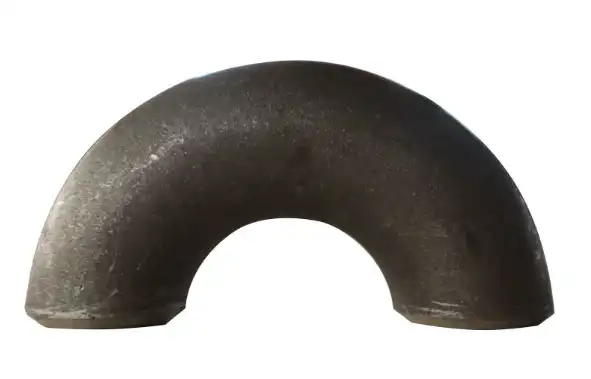
Understanding the Basics of Pipeline Elbows in Oil and Gas
In oil and gas activities, pipeline systems need precise flow redirection to get around terrain, avoid hurdles, and connect equipment quickly. These changes in direction depend on special parts that keep the system's structure while working with different temperatures and pressures.
Fundamental Purpose and Design
Oil and gas pipeline elbow components serve as critical junctions that redirect fluid flow without compromising system performance. These fittings accommodate direction changes ranging from 45 degrees to 90 degrees, with 90-degree elbows being most common in industrial applications. During the system's lifetime, the design must be able to handle internal pressures, exterior loads, and environmental stresses while keeping links that don't leak. To meet the strict needs of the business, modern elbow designs use advanced metals and production methods. Carbon steel types are most common in low-cost uses, while stainless steel and alloy types are used in harsh or hot settings. Precision cutting, heat treatment, and quality testing are all parts of the manufacturing process that make sure the dimensions and mechanical features meet the standards.
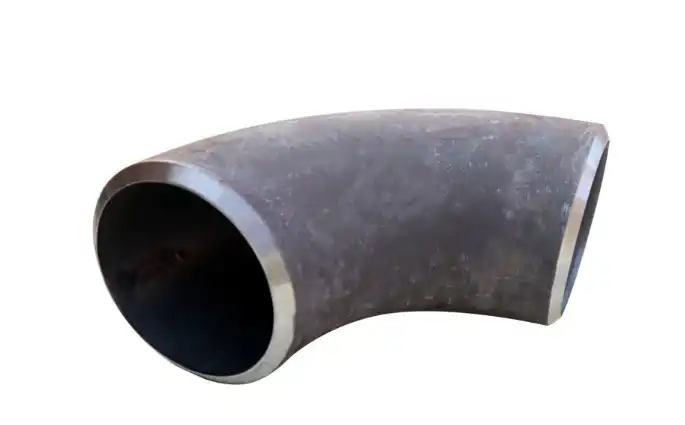
Threaded Elbow Characteristics
Threaded connections use carefully machined threads that link with threads on pipes, making mechanical joints by rotating the two pieces together. These links work great in situations where parts need to be taken apart and where welding isn't allowed for safety or access reasons. Careful cutting is needed to keep the thread size accurate and the quality of the surface finish high during the threading process. The NPT (National Pipe Thread) and BSP (British Standard Pipe) configurations are standard thread types. Each has its own closing properties. When it comes to binding, thread solutions or tape work better, especially when gas or volatile liquids are involved.
To keep the joint from breaking during installation, the threads must be engaged to the right level. If they are over-tightened, the threads could be damaged. Instrument links, small-diameter process lines, and temporary installs where changes are often made are all common uses.
Flanged Elbow Design
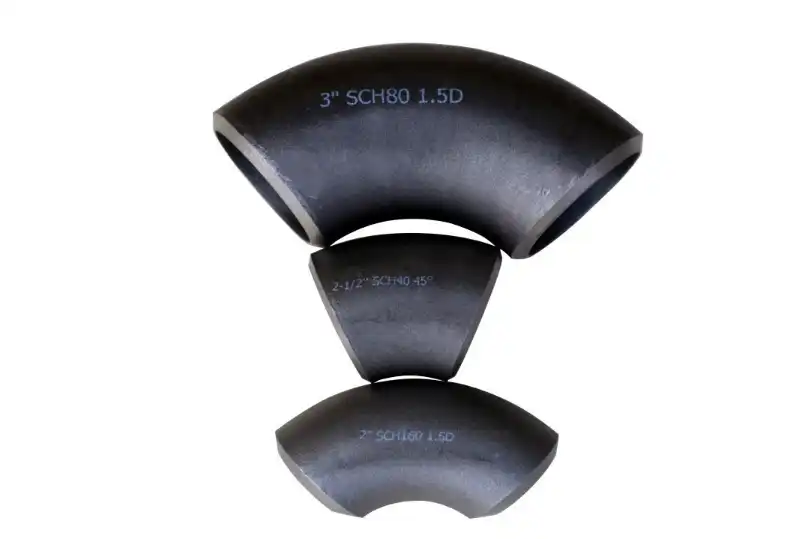
Flanged elbows have either raised or flat faces that fit together with matching flanges using bolt patterns that are set by industry standards. When it comes to strength and dependability, these connections are better than threaded ones, especially when high pressure or large diameters are present. In the manufacturing process, neck flanges are welded to elbow bodies to make integral structures that evenly spread loads. Bolt designs are based on ANSI, API, or international standards, which makes sure that different makers of equipment can work together. Gasket holes can hold a range of binding materials, from basic gaskets made of compressed fiber to high-tech metal designs made for harsh conditions. The fixed assembly makes it easy to match the parts precisely during installation and makes it easier to do maintenance without having to cut or re-weld connections. This ease of access is very helpful in important process applications where the cost of downtime has a big effect on operations.
Cost Comparison Between Threaded and Flanged Elbows
When you do an economic study of elbow selection, you have to look at a lot of different costs that go beyond the initial buying price. Knowing about these things helps buying teams make smart choices that improve the overall costs of the project.
Material and Manufacturing Cost Factors
The prices of elbows are based on the costs of the raw materials. For most normal uses, carbon steel solutions are the most cost-effective. It usually takes more material to make flanged elbows than threaded ones because of the extra material and support needed for the flanges. The difficulty of manufacturing has a direct effect on the cost of production. For threaded elbows, precise machining is needed to make correct thread profiles. For flanged versions, welding is needed, and the flange sides and bolt holes need to be machined as well. To keep dimensional standards, the threading process needs specialized tools and trained workers. This is especially true for fittings with bigger diameters, where thread depth and accuracy are very important.
Here are the main factors that affect the price of elbows:
- Material volume: Flanged elbows need about 30–40% more raw material than threaded versions of the same product.
- Manufacturing complexity: Threading needs several passes of the machine and quality checks, and flange welding needs trained workers and a heat treatment after the weld.
- Quality control requirements: Both types need to be pressure tested and sized, but flanged elbows often need extra magnetic particle screening of the weld areas.
- Surface finishing: Flanged elbows may require flange face machining to achieve specified surface finishes, adding processing time and cost
It is because of these production factors that threaded elbows usually cost 20–35% less than similar flanged options made from normal carbon steel grades.
Installation Cost Analysis
Labor costs during installation often make up for differences in the initial buy price, particularly in big projects with hundreds of links to put together. Threaded connections usually don't need as much specialized work or tools, which makes them a good choice for jobs that don't have a lot of skilled welders. To install a threaded elbow, you have to prepare the threads, put on the sealer, and carefully put the elbow together so that it fits properly without over-torquing. Basic pipe wrenches and thread-cutting tools are usually all that's needed for the job. You can find these kinds of tools in most building sites. For skilled technicians, each link takes about 15 to 30 minutes to set up.
When installing flanges, you need to be more precise when aligning and tightening the bolts. To install gaskets correctly, check bolt patterns, and make sure torque specs are followed, you need trained professionals who know the best ways to connect flanges. Installation takes between 45 and 90 minutes per link, but it depends on how big it is and how easy it is to get to. However, flanged fittings are much more useful when making changes to the system or doing repairs. To take apart a flanged joint, all you have to do is take out the bolts. On the other hand, if thread damage or rust makes it impossible to take apart normally, you may have to cut the connection.
Long-term Economic Considerations
Lifecycle cost analysis often shows that flanged elbows are more cost-effective in the long run, even though they cost more at first. Total ownership costs are cheaper over longer service periods when maintenance is easy to get to, the system is reliable, and operations can be changed as needed. When threaded links are used in places with a lot of vibration, the joints can become loose over time from repeated stress cycles. This problem needs to be checked and fixed on a regular basis, which adds to the cost of upkeep work and could cause production to stop. Also, thread rust can make it harder to take things apart, and sometimes, damaging removal methods are needed. In harsh working situations, flanged connections last longer than other types of connections. Loads are spread out widely in the bolted unit, which lowers stress levels that could cause the part to break early. Changing the gasket at regular maintenance times keeps the sealing working well without having to change the whole fitting.
Technical and Operational Considerations for Choosing Elbow Types
When engineers choose which elbow to use, they have to look at a lot of factors, such as working features, environmental conditions, and the need for system integration. When system safety and stability come first, these technical factors often take precedence over pure cost concerns.
Pressure and Temperature Performance
Oil and gas pipeline elbow applications encompass wide pressure ranges, from low-pressure gathering systems to high-pressure transmission lines working at several thousand PSI. There are big differences in the pressure values for threaded and flanged setups. Flanged designs can usually handle higher pressures because they are better at spreading the load. For threaded links to hold up against internal pressure forces, the threads must join, and the material must be thick enough. Standard threaded elbows can handle pressures of up to 6,000 PSI in smaller sizes, but they are usually only used for 2,000 PSI or less because of practical concerns. Because of the way the thread is configured, stress is concentrated at the root diameter, which can lead to failure in harsh circumstances.
Pressure loads are spread out across the bolt circle by flanged elbows. This lowers stress densities and allows for higher pressure values. At room temperature, standard ANSI Class 600 flanged elbows can handle 1,480 PSI. Class 2500 versions can handle 6,170 PSI. The bolted unit has two sets of load lines, which increases safety in serious situations. Both pressure levels and material choice are affected by temperature. Threaded connections may have different amounts of temperature expansion between the elbow body and the pipe that it fits into, which could weaken the joint. Controlling the bolt preload and gasket compression in flanged systems lets them handle thermal growth, so the sealing performance stays the same across temperature changes.
Material Compatibility and Corrosion Resistance
Long-term system stability depends on how well the materials in the elbows react chemically with the fluids being moved. For uses involving sweet crude oil and dry gas, carbon steel elbows are very cost-effective and have great mechanical qualities. But materials need to be improved for places that are acidic and have hydrogen sulfide, carbon dioxide, or chlorides. Stainless steel elbows are better at resisting rust for sour gas uses and places with high chloride levels. Both threaded and flanged designs are affected by the material choice. However, depending on the installation conditions and upkeep needs, one option may be better than the other.
When two different metals touch each other in the presence of liquids, a galvanic corrosion potential exists. Localized corrosion cells can form when different materials are threaded together, particularly in remote or high-humidity settings. Galvanic corrosion risks are lower when non-metallic seals and coats are used to separate flanged connections.
Installation Environment and Accessibility
Field factors have a big effect on which elbow to choose and how well it is installed. Threaded connections may be better in remote areas where access to tools is limited because they require fewer tools and less skill. On the other hand, flanged connections are often better for fixed setups in easy-to-reach places, even though they are more complicated at first. For threaded joints, it's hard to get to the wrench, and for flanged systems, it's hard to tighten the bolts. Threaded elbows need enough space for the pipe to rotate while they are being put together, which can be hard to do if the pipes are crowded. Flanged connections need radial room for bolt placement, but they let you put the parts together in place without turning the pipe. In dangerous places, safety concerns may make welding impossible, so threaded connections are a good choice for tie-in work close to machines that are already running. However, flanged connections often offer better long-term safety performance in important service uses because of their mechanical joint reliability.
Procurement and Supply Chain Insights for Pipeline Elbows
To make good purchasing decisions for pipeline elbows, you need to know how the market works, what suppliers can do, and what quality control standards are needed to make sure the project is completed successfully while keeping costs low and delivery times on track.
Market Availability and Lead Times
Global supply chains for Oil and gas pipeline elbow components involve multiple manufacturing regions, each with its own specific skills and cost structures. Asian makers often offer reasonable prices for normal carbon steel fittings. North American and European suppliers, on the other hand, may have benefits when it comes to special alloys and fast delivery for pressing needs. Standard threaded elbows usually have shorter lead times because they are easier to make, and there are more suppliers who can supply them. From well-known wholesalers, common sizes in carbon steel grades usually ship within two to four weeks. However, special specs may take six to eight weeks to make. The threading action is a type of secondary cutting that can be done in many places around the world.
Making flanged elbows is more complicated, particularly when the sizes are bigger and need special welding tools and heat treatment facilities. Standard ANSI flanged elbows made of common materials usually take 4 to 6 weeks to deliver. For exotic metals or non-standard designs, the time may take 12 to 16 weeks, based on the availability of the materials and the manufacturing capacity. Supply chain problems can have a big effect on project plans, so planning your supplies and finding different suppliers is very important. Threaded elbows give you more options for where to get them because they can be made by more companies. Flanged designs, on the other hand, might need more sellers to be qualified to make sure you have enough supply security.
Quality Standards and Certification Requirements
Industry norms make sure that all of a supplier network's quality and efficiency are the same. Specifications from ASTM, ASME, and API spell out the qualities of materials, their size ranges, and the tests that must be done to make sure they are fit for the purpose they were made for.
Here are the most important requirements for certifying pipeline elbows:
- ASTM A234: This standard covers pipe fittings made of wrought carbon steel and alloy steel that are used in mild and high temperatures.
- ASME B16.9: Sets the sizes and ranges for butt-welding parts made in a plant from wrought steel.
- API 5L: Sets the standards for line pipe used in oil and gas pipeline transportation systems.
- ASME B16.11: This standard covers socket-welding, forged, and threaded joints for use in pressure pipes.
These standards make sure that measurements can be used with different providers and that success can be predicted across projects and suppliers. Documentation for certification makes it possible to track down materials and production processes, which helps with quality control and meeting legal requirements. Third-party inspection services make sure that products meet standards and can lower the risks of buying from sources you don't know well. The costs of inspections are usually between 2 and 5 percent of the value of the fitting, but they are worth it for important applications where failure would have serious effects.
Supplier Evaluation and Selection Criteria
When choosing a supplier, it's not just about price; quality processes, professional skills, and customer service are also important. Manufacturers that have been around for a while and have ISO 9001 certification show that they are committed to consistent quality management. Other certifications, like API 5L or ASME Code stamps, show that they have the right skills for specific uses. A manufacturing capability review should look at how much can be made, how complex the equipment is, and how well quality control systems work. Suppliers who can do heat treatment, non-destructive testing, and dimensional checking in-house give you more control over the quality of the products they sell and when they send them.
Having technical support skills is helpful when making specifications and solving problems. Suppliers with skilled technical staff can help choose the right materials, make changes that are specific to the application, and fix problems that may come up in the field during installation or use.
Making the Right Decision: Threaded or Flanged Elbows for Your Project
The best elbow choice is eventually determined by the specifics of the project, which means that economic, scientific, and operational factors must be carefully balanced. Figuring out the exact needs of an application helps you make choices that meet the needs of both the current project and the system in the long run.
Application Guidelines and Best Practices
Oil and gas pipeline elbow selection is based on well-known industry standards that match the type of link to the service conditions and operating needs. These rules are based on decades of experience in the field and help you avoid common mistakes in the specifications that could make the system less reliable. Threaded connections are often better for small pipes (2 inches or less) because they are cheaper and easier to install. Threaded designs work well in low to moderate pressure situations (usually less than 600 PSI), like when the system needs to be changed or when temporary changes need to be made. Threaded elbows are often used for instrument and utility hookups because they are easy to access and maintain.
Flanged connections are often used on systems with a width of 4 inches or more to handle mechanical loads and pressure forces well. For safety and dependability, flanged designs are usually needed for high-pressure uses that go over 1,000 PSI. Even though they cost more at first, flanged connections are better for permanent installs in important service. In corrosive situations with hydrogen sulfide, carbon dioxide, or chlorides, flanged connections with the right gasket materials may work best to keep things sealed for a long time. When compared to threaded joints, which may rust over time, gaskets last longer because they can be replaced during upkeep.
Decision Matrix and Comparison Framework
Using weighted criteria to do a systematic review helps figure out the trade-offs between threaded and flanged options. In business projects, cost is usually a big deal, but in key infrastructure projects, safety and dependability are the most important things to think about. Some technical performance factors are an adequate pressure number, compatibility with temperatures, and corrosion resistance. Operational factors include how hard it is to install, how often it needs to be maintained, and how easily it can be changed. An economic analysis should look at the starting cost, the work needed to put it in, and the costs that will come up over its lifetime, such as the cost of replacement.
Environmental factors, like how easy it is to get to a place, safety limits, and government rules, may be more important than economic ones. Even though they cost more, offshore sites and dangerous places often need flanged connections for better durability. The framework for making decisions should also look at the benefits of standards for all projects and groups. Adopting uniform connection types makes it easier to handle supplies, train employees, and do upkeep, which could help balance out differences in the costs of each project.
Conclusion
Oil and gas pipeline elbow between threaded and flanged pipeline elbows requires a comprehensive analysis balancing initial costs, operational performance, and long-term reliability. Threaded elbows offer compelling cost advantages for small-diameter, moderate-pressure applications where simplicity and economy take priority. Their lower material costs, simplified installation, and broad supplier availability make them attractive for budget-conscious projects and temporary installations. Flanged elbows justify a higher initial investment through superior performance in demanding applications requiring robust connections, high-pressure capability, and maintenance accessibility. The distributed load design, standardized bolt patterns, and gasket sealing systems provide enhanced reliability that often translates to lower total ownership costs over extended service periods. Critical infrastructure projects and permanent installations typically benefit from flanged connections despite cost premiums, particularly where system reliability and safety considerations outweigh initial economic factors.
FAQ
Are threaded elbows suitable for high-pressure oil and gas applications?
Threaded elbows can handle moderate to high pressures depending on size and material specifications. Standard carbon steel threaded elbows typically accommodate pressures up to 2,000-3,000 PSI in smaller diameters. However, applications exceeding 1,000 PSI generally favor flanged connections for enhanced safety margins and load distribution. The thread configuration creates stress concentrations that may limit performance in extreme pressure conditions.
What maintenance advantages do flanged elbows offer over threaded alternatives?
Flanged elbows provide significant maintenance advantages through bolt-removable assembly that enables quick disassembly without cutting or welding. Gasket replacement during scheduled maintenance restores sealing performance without replacing the entire fitting. This accessibility proves valuable for system modifications, equipment replacement, and routine inspection requirements that occur throughout operational lifecycles.
Which certifications should I verify when sourcing pipeline elbows?
Essential certifications include ASTM A234 for material specifications, ASME B16.9 for dimensional standards, and API 5L for line pipe applications. Manufacturer ISO 9001 certification demonstrates quality management system compliance. Additionally, verify material test certificates, dimensional inspection reports, and pressure test documentation that ensure conformance to project specifications and regulatory requirements.
Partner with Oudi for Your Pipeline Elbow Requirements
Oudi has delivered high-quality pipeline fittings to over 300 customers across 40 countries since 1998, establishing ourselves as a trusted Oil and gas pipeline elbow manufacturer in the global market. Our ISO 9001:2000 certification and special equipment manufacturing licenses ensure consistent quality that meets international standards, including ANSI, JIS, DIN, and BS specifications. With 16,000-ton annual production capacity and comprehensive quality control from raw materials to finished products, we provide reliable supply chain solutions for your critical infrastructure projects. Contact our engineering team at oudi-04@oudiguandao.com to discuss your specific requirements and receive competitive quotations for carbon steel, stainless steel, and alloy steel elbow configurations tailored to your operational needs.
References
1. American Society of Mechanical Engineers. "ASME B16.9-2018: Factory-Made Wrought Buttwelding Fittings." New York: ASME Press, 2018.
2. American Petroleum Institute. "API Specification 5L: Specification for Line Pipe." 46th Edition. Washington, DC: API Publishing Services, 2018.
3. ASTM International. "ASTM A234/A234M-19: Standard Specification for Piping Fittings of Wrought Carbon Steel and Alloy Steel for Moderate and High Temperature Service." West Conshohocken, PA: ASTM International, 2019.
4. Mohitpour, Mohammad, et al. "Pipeline Design & Construction: A Practical Approach." 3rd Edition. New York: ASME Press, 2007.
5. Nayyar, Mohinder L., editor. "Piping Handbook." 8th Edition. New York: McGraw-Hill Education, 2019.
6. Petroleum Equipment Institute. "Guidelines for Pipeline Fitting Selection in Oil and Gas Applications." Houston: PEI Technical Publications, 2020.

Need help finding the right solution with our experts. Please contact us.

SINCE 1998 Your Reliable Pipeline Manufacturer



