How to inspect pipe elbows for erosion in power generation?
Power plant pipe elbow erosion inspection represents a critical maintenance protocol that directly impacts operational safety and cost efficiency in modern power generation facilities. These essential components channel high-pressure steam, cooling water, and other fluids through complex piping networks, making their integrity paramount to preventing catastrophic failures and unplanned shutdowns. Regular erosion assessment using systematic visual examination, ultrasonic thickness measurement, and advanced non-destructive testing methods enables maintenance teams to identify wall thinning, surface degradation, and stress concentration areas before they compromise system performance or pose safety hazards.
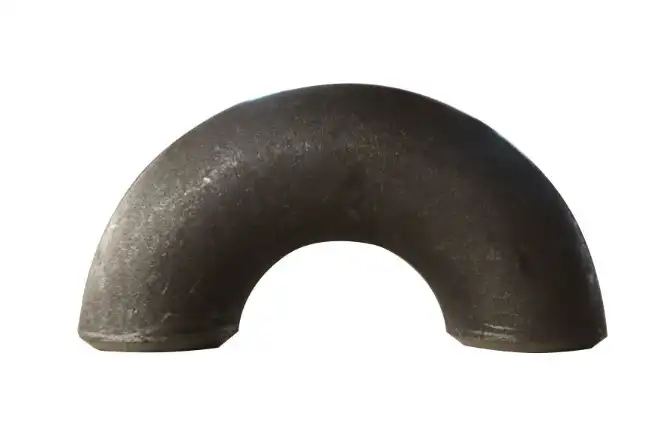
Understanding Pipe Elbow Erosion in Power Plants
Power generation facilities rely extensively on power plant pipe elbows to manage fluid flow direction changes within their complex piping systems. These critical fittings endure extreme operating conditions, including high-temperature steam, pressurized water, and chemically treated cooling fluids that constantly challenge their structural integrity.
Types of Power Plant Pipe Elbows and Their Applications
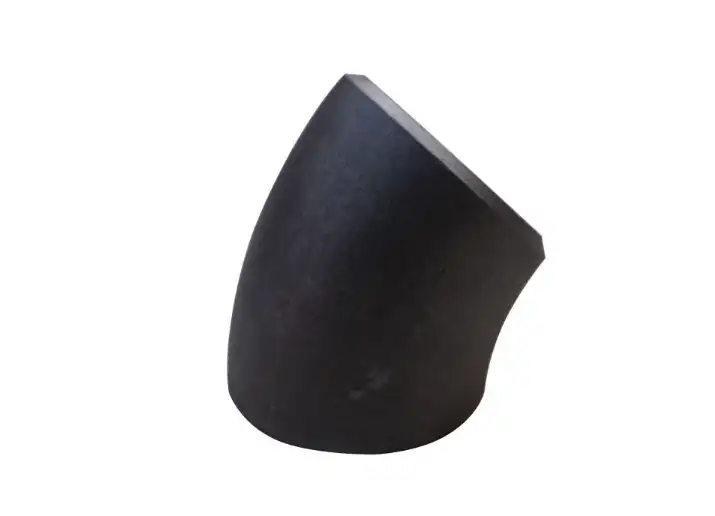
In power plants, elbows are often set up in a number of different ways, each meant to meet specific operating needs. Long radius elbows with a 1.5D central radius reduce flow turbulence and erosion risk, which makes them perfect for steam lines that move quickly. Short radius elbows with a 1.0D central radius make the most of limited room, but they wear out faster because the flow is more turbulent. Hot pushing or mandrel forming methods are used to make buttweld seamless steel pipe elbows, which are more resistant to erosion than welded options. Since there are no horizontal weld lines, there are no weak spots that would normally collect stress and speed up wear patterns. The ends of these parts are beveled and made according to ASME B16.25 standards. This allows for full penetration welds that make links that won't leak.

Primary Erosion Mechanisms Affecting Power Plant Components
Power plant pipe elbows are worn down by a number of different processes that often happen at the same time. Fluid flow at high speeds causes shear stress along the elbow surfaces, which wears away material over time through mechanical grinding. Cavitation erosion happens when changes in pressure cause gas bubbles to form and then burst, sending shock waves through the metal and making pits. Electrochemical reactions between moving fluids and pipe materials speed up chemical erosion, which breaks down materials more quickly. When systems deal with chemically cleaned water or steam that has dissolved oxygen and chlorides, this process becomes even more violent. Thermal cycling makes erosion worse by causing stresses to expand and contract, which weakens the borders between material grains and helps cracks spread.
Systematic Approach to Inspecting Pipe Elbows for Erosion
Effective erosion detection requires implementing structured inspection protocols that combine multiple examination techniques. This all-around method makes sure that the check is done thoroughly while keeping up with safety standards and business efficiency.
Visual and Dimensional Inspection Techniques
Looking at something with the naked eye is the best way to find clear signs of decline. Maintenance workers look at the outside of things to see if they have coloring, scaling, or wall thinning that could mean erosion is moving deeper inside. Uneven surfaces, pitting, and the formation of grooves along flow lines can tell you a lot about the patterns and intensity of erosion. Using accurate tools and thickness gauges to measure dimensions shows how walls shrink and shapes change over time. Setting up standard measures during the initial installation makes it possible to accurately track erosion rates and guess how long the service will last. These data are mostly of high-risk places, like the extrados (outer curve), where erosive forces are more likely to be concentrated because of flow impingement.
Advanced Non-Destructive Testing Methods
Ultrasonic testing gives a thorough map of the thickness across the elbow surfaces, showing damage patterns inside the material that can't be seen with the naked eye. Technicians use precise thickness gauges to find out how thick the wall is left at grid points that have already been set up. This information is then used to make detailed erosion maps that help with maintenance decisions. Magnetic particle analysis can find cracks on the surface or close to the surface that may form because of erosion and rust working together. This method is very useful for finding places where there is a lot of stress and erosion, making conditions good for cracks to start and spread. X-rays can be used to see inside things, and they can show weathering patterns and patterns of material loss across elbow cross-sections. Digital radiography systems offer better picture quality and instant results, which lets you quickly check on important parts during planned downtime.
Documentation and Data Interpretation Standards
Inspection data can be turned into useful maintenance information with the right paperwork. Standardized reporting forms make sure that the same data is collected every time and allow for useful trend analysis across multiple inspection rounds. Digital recording systems make it easier for maintenance teams to share data and help programs that plan for future maintenance needs. Repair and replacement choices are based on how badly the erosion is happening, based on the percentage of surviving wall thickness. Components with 20–30% wall loss usually need to be checked more often, and those with more than 50–% wall loss may need to be replaced right away to keep them from breaking.

Comparative Insights for Power Plant Pipe Elbow Materials and Designs
The choice of material has a big effect on how well it resists erosion and works over time in power generation uses. Knowing the pros and cons of various materials and designs helps buying teams choose the best parts for the job, taking into account finances and working conditions.
Carbon Steel vs. Stainless Steel Performance Characteristics
Carbon steel elbows are very strong and don't cost a lot of money. They can be used in many power plant applications. But because they are easily corroded and worn down, the working surroundings and water chemistry conditions need to be carefully thought through. When it comes to carbon steel parts, regular inspections are necessary to keep safety gaps. Alternatives made of stainless steel are better at resisting rust and last longer in harsh settings. The chromium oxide inactive layer naturally protects against chemical attack and keeps its shape when temperatures change. The original costs are higher than choices made of carbon steel, but the lower upkeep needs and longer replacement times usually make the investment worth it.
Seamless vs. Welded Construction Impact on Erosion Resistance
Because the material qualities are more regular and there are no weld heat-affected zones, seamless elbows are better at resisting weathering. Hot forming and mandrel bending are two ways to make things. They both make walls that are the same width and smooth on the inside, which reduces flow turbulence and the degradation that comes with it. Welded elbows may wear away more along the lines where they were joined, because changes in the metal make weak spots in those areas. In areas that have been heated, the resistance to rust and mechanical qualities often change in ways that speed up erosion in high-velocity flow conditions. It becomes important to check weld areas on a regular basis to find early signs of erosion.
Best Practices in Manufacturing, Installation, and Maintenance to Minimize Erosion
To stop erosion damage, you need to pay attention to quality throughout the whole lifetime of a component, from when it is first made to when it is installed and when it is regularly maintained. These practices make services last a lot longer while lowering costs and risks over their whole life.
Manufacturing Quality Standards and Processes
High-quality power plant pipe elbows begin with stringent manufacturing processes that meet or go beyond industry standards such as ASME B16.9 and ASTM requirements. When you use hot pressing, you get the best grain structure and get rid of any leftover stresses that could speed up erosion. Normalizing the qualities of a material and making it more resistant to rust are both done through heat treatment. During production, quality control methods include checking the dimensions, certifying the materials, and non-destructively testing the final parts. These steps make sure that the wall thickness is always the same, that the radius measurements are correct, and that there are no production flaws that could cause erosive forces to cluster during use.
Installation Techniques for Erosion Prevention
When installation is done correctly, flow problems that speed up weathering damage are kept to a minimum. Steps and misalignments in connected lines that cause turbulence and flow separation can be avoided by carefully aligning them. Full entry butt welds make the inside of the joint smooth, which lowers pressure losses and wear and tear. Thermal expansion must be taken into account in the design of the support system, and too much shaking that could cause wear damage must be avoided. Putting pipe supports at the right distance apart and using the right restraint systems will keep them in place during heat cycling while still letting them move in a controlled way.
Preventive Maintenance Strategies
Scheduled checking programs let you find signs of erosion early, before they damage the structure of a component. The number of inspections should be based on how dangerous the operation is. For example, high-energy systems should be checked more often than low-pressure ones. A trend study of thickness readings gives us useful information about erosion rates and how long something is expected to last. Improving the chemistry of the water lowers the force that causes erosion and rust harm. Keeping the right pH levels, dissolved oxygen levels, and chemical additive ratios greatly increases the life of parts and lowers the amount of upkeep that needs to be done on the whole system.
Selecting Reliable Power Plant Pipe Elbow Suppliers and Manufacturers
By choosing qualified providers, you can be sure that you will have access to high-quality parts that meet strict standards for power generation. When evaluating a supplier, you should look at their long-term success-related manufacturing skills, quality systems, and expert support services.
Certification and Quality Management Systems
Companies with a good reputation have complete quality management systems that are approved to ISO 9001 standards and have special licenses to make parts for pressure vessels. These certifications show a dedication to consistent quality and practices for ongoing growth, which have a direct effect on the dependability of the component. Power plant pipe elbow, metallurgical testing labs, and trained quality assurance staff should all be available in a manufacturing site. Being able to provide certificates for materials, records on their dimensions, and test results helps with quality control and traceability standards.
Technical Support and Customization Capabilities
Leading suppliers offer technical support services that help with choosing the right materials, making designs work better, and making changes that are needed for a particular purpose. This technical knowledge is very helpful for dealing with unusual working situations or performance needs that standard catalog goods might not fully meet. Suppliers can make parts with different materials, sizes, or surface processes that make them more resistant to damage when they can customize them. For difficult uses, being able to change standard patterns while still following the rules is very helpful.
Conclusion
Effective erosion inspection of power plant pipe elbows requires systematic approaches combining visual examination, dimensional measurements, and advanced testing techniques. Understanding erosion mechanisms, material properties, and design factors enables informed decision-making regarding component selection and maintenance strategies. Quality manufacturing, proper installation, and preventive maintenance practices significantly extend service life while reducing operational risks and costs.
FAQ
How often should power plant pipe elbows be inspected for erosion?
Inspection frequency depends on operating conditions, but typical intervals range from 6-18 months for high-energy systems and 2-4 years for lower-pressure applications. Critical components in high-velocity steam or erosive service may require semi-annual inspection, while cooling water systems often operate on annual schedules.
What are the most effective non-destructive testing methods for detecting elbow erosion?
Ultrasonic thickness testing provides the most reliable detection of wall thinning and erosion patterns. Combining UT measurements with visual inspection and periodic radiographic examination offers comprehensive assessment capabilities that detect both surface and internal erosion indicators.
Can protective coatings effectively prevent erosion in power plant pipe elbows?
Internal coatings and liners can significantly reduce erosion rates, particularly in systems handling abrasive particles or chemically aggressive fluids. However, coating selection must consider operating temperature, pressure, and compatibility with system chemistry. Regular coating inspection becomes essential for maintaining protection effectiveness.
Partner with Oudi for Premium Power Plant Pipe Elbow Solutions
Oudi has delivered exceptional carbon steel, stainless steel, and alloy steel pipe fittings to power generation facilities worldwide since 1998. Our manufacturing expertise includes seamless and welded elbows that meet ASME, ASTM, and international standards for critical power plant applications. With ISO 9001 certification and specialized equipment manufacturing licenses, we provide reliable power plant pipe elbow manufacturer solutions backed by comprehensive quality control and technical support. Contact our engineering team at oudi-04@oudiguandao.com to discuss your specific requirements and discover how our 16,000-ton annual production capacity can support your project success.
References
1. American Society of Mechanical Engineers, "ASME B31.1 Power Piping Code: Guidelines for Erosion Assessment and Component Inspection," 2020 Edition.
2. Electric Power Research Institute, "Erosion-Corrosion in Power Plant Piping Systems: Inspection Techniques and Mitigation Strategies," Technical Report 2019.
3. National Association of Corrosion Engineers, "Recommended Practice for Internal Corrosion and Erosion Monitoring in Power Generation Facilities," NACE Standard RP0775-2018.
4. International Association of Power Engineers, "Best Practices for Power Plant Pipe Fitting Selection and Maintenance," Engineering Guidelines Volume 12, 2021.
5. American Society for Testing and Materials, "ASTM E797 Standard Practice for Measuring Thickness by Manual Ultrasonic Pulse-Echo Contact Method," Annual Book of Standards 2020.
6. Power Engineering Society, "Condition Assessment of Power Plant Piping Components: Advanced NDT Applications and Case Studies," Journal of Power Plant Engineering, Vol. 45, 2019.

Need help finding the right solution with our experts. Please contact us.

SINCE 1998 Your Reliable Pipeline Manufacturer



