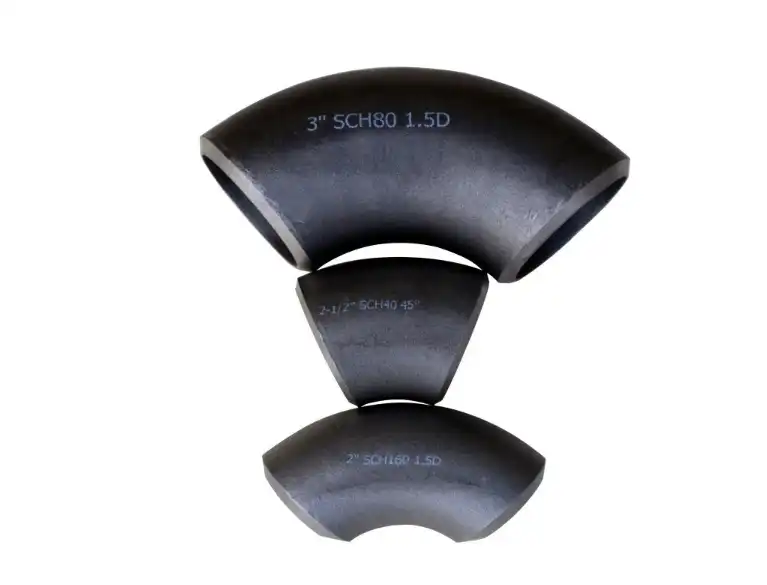
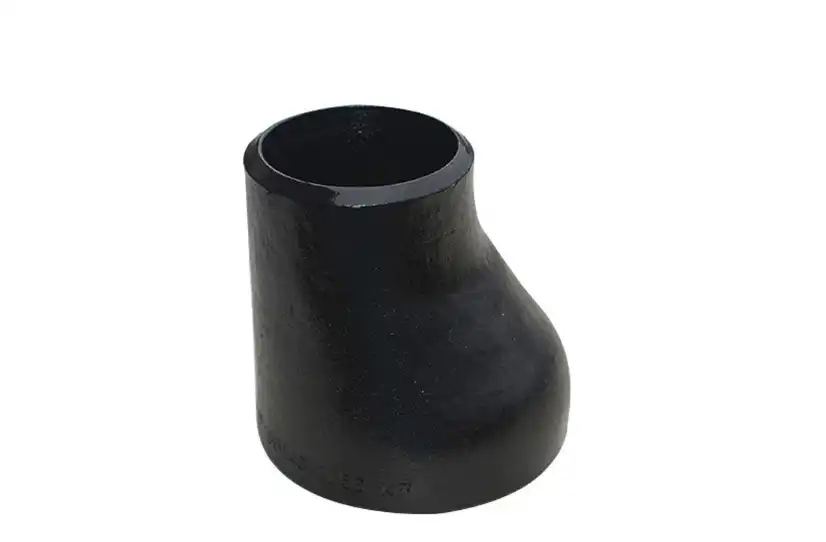
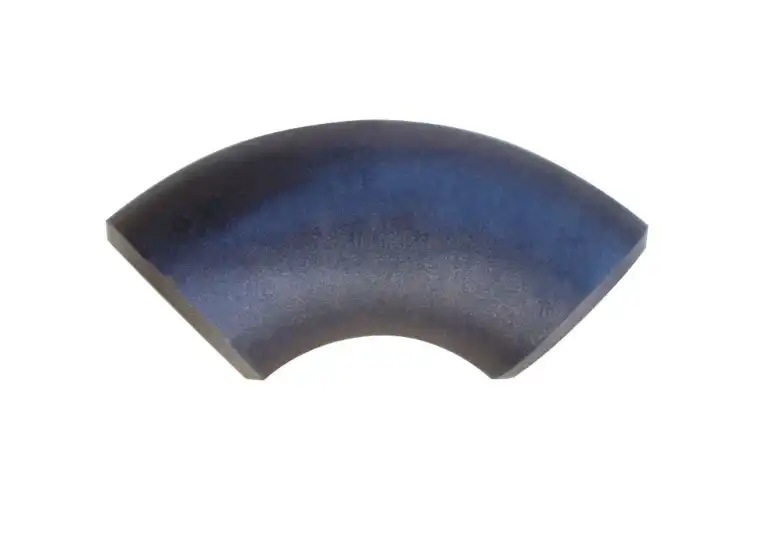
Why Choose a Cost-Effective Carbon Steel Elbow?
For your pipeline project that requires dependable performance without busting the procurement budget, the only realistic option is a Cost-effective carbon steel elbow. They are used to shift the direction of flow of fluids in oil, gas, chemical, and water conservancy systems by 45°, 90°, or 180°. Offering tensile strength, pressure resistance, and extended service life at a fraction of the cost of heavy alloy options. A large industrial building needs the correct carbon steel pipe elbow with the proper balance of quality and supply chain assurance for procurement engineers and EPC contractors.

Understanding Cost-Effective Carbon Steel Elbows: Core Concepts and Benefits
A carbon steel elbow is more than a pipe fitting; it is a load-bearing, flow-directing component that must perform reliably under prolonged pressure, temperature changes, and fluid turbulence. Cost-effectiveness is not about cutting corners; it is about getting the most out of the service life of a competitively priced commodity. ASTM A234 WPB is the most popular grade of butt-weld carbon steel elbows specified in the market in the U.S. Tensile strength is 415 MPa minimum, yield strength is 240 MPa, and it may be utilized at temperatures from -29°C to 425°C. Standard pressure ratings are ANSI B16.9 Class 150 to Class 2500, nominal pipe diameters ½" to 72".Here are the key performance features that make carbon steel elbows a preferred buy:
- High Mechanical Strength: Carbon steel is capable of handling the high-pressure pipeline settings of oil refineries and natural gas transmission systems and will retain its structural integrity, therefore reducing the chance of fitting failure during peak load cycles.
- Excellent Temperature Resistance: Unlike certain polymer options, carbon steel elbows do not bend or lose shape at varying temperatures. This makes them a more dependable choice for use in boiler systems and steam lines where temperature spikes are prevalent.
- Materials availability and machinability: Carbon steel is also readily accessible globally, so raw material prices are known and lead times are reasonable - a key benefit for large-volume EPC procurement timelines.
- Compatibility with conventional coatings. To extend the service life in moderately corrosive settings, hot-dip galvanizing, epoxy lining, or black painting anti-corrosion treatments may be used.
These advantages result in immediate savings in the total cost of ownership during the life of the project, not only at the time of purchase.
Comparing Carbon Steel Elbows with Alternative Materials: Making an Informed Choice
Carbon Steel vs. Stainless Steel vs. Galvanized: Which Fits Your Project?
The choice of material is one of the most essential factors in pipeline procurement. The accompanying table gives a systematic comparison that might allow engineers and purchasers to identify the trade-offs easily, including options such as a Cost-effective carbon steel elbow.
| Criteria | Carbon Steel Elbow | Stainless Steel Elbow | Galvanized Steel Elbow |
|---|---|---|---|
| Unit Cost | Low | High (2–5× higher) | Moderate |
| Corrosion Resistance | Moderate (coating needed) | Excellent | Good (surface only) |
| Tensile Strength | High | High | Moderate |
| Max Operating Temp | ~425°C | ~870°C (316L) | ~200°C |
| Typical Applications | Oil, gas, chemical, power | Food, pharma, marine | Water supply, HVAC |
| Weldability | Excellent | Good (requires skill) | Limited |
Carbon steel elbows are the default option for heavy industrial applications where you have to watch the budget and operating circumstances don’t call for the corrosion immunity of stainless steel. In oil pipelines, natural gas distribution, and water conservancy infrastructure, where protective coatings are often applied, carbon steel pipe elbows are cost-efficient on a cost-per-performance basis compared with alternatives.
Seamless vs. Welded: Which Construction Suits Your Pressure Requirements?
The seamless carbon steel elbow is produced by hot pressing or hot bending. It has no longitudinal weld seam and hence can withstand a larger internal pressure more evenly. Welded (straight-seam) elbows are less expensive for large diameters and lower-pressure service. Technically, the best answer is to create essential high-pressure lines in refineries or chemical reactors, even if this costs a little bit more.
How to Select the Best Cost-Effective Carbon Steel Elbow for Your Project
Selection Process: All Buyers Must Identify Procurement specialists who should pick elbows against established operational metrics. Before requesting a quote, please check the following: nominal pipe size (NPS), schedule (wall thickness), bend radius (short radius = 1D, long radius = 1.5D), degree of bend (45°, 90°, or 180°), end connection type (butt weld, socket weld, or threaded), and standard utilized (ANSI/ASME B16.9, DIN, JIS, or BS). ASTM A234 WPB Grade is the most commonly used grade of carbon steel butt weld fittings for general industrial use.
WPC or A420 WPL6 may be utilized for low-temperature service. Suppliers should always provide the mill test reports (MTRs) for each shipment. We shall not go to uncertified vendors. Preference should be given to manufacturers with ISO 9001 quality management system certification and, where applicable, special equipment manufacturing licenses, particularly for applications near pressure vessels. These credentials ensure that the whole production process, from the receipt of raw materials to the delivery of the completed product, is in accordance with the quality control criteria indicated.
Practical Guide: Installation and Maintenance of Carbon Steel Elbows
Service life is closely related to proper installation. Pipe end bevels should conform to ASME B16.25. Internal bore alignment shall be within tolerance prior to welding. Preheat to ASME B31.3 criteria (e.g. wall thickness> 19 mm or carbon equivalent (CE) >0.43). A Cost-effective carbon steel elbow can help balance material value and long-term service performance when these installation requirements are properly followed.
The essential maintenance discipline after installation is corrosion control. An ultrasonic thickness measurement inspection approach may be used to detect wall thinning at the intrados (inside bend radius), which is especially susceptible to erosion in high-velocity fluid service. Use authorized protective coatings appropriate to the service medium and record inspection periods in your asset management system.
The first signs of degradation of the fitting are localized pitting, surface cracking at the weld toe, or wall loss in excess of 20% of the nominal wall thickness. Identifying these concerns early minimizes costly, inadvertent shutdowns — a price that erases any savings on inferior equipment acquisition.
Trusted Suppliers and Brands: Sourcing Cost-Effective Carbon Steel Elbows Globally
Cangzhou Oudi Pipe Manufacture Co., Ltd., founded in 1998, is situated in Mengcun Hui Autonomous County, "China's Fitting Capital", covering an area of 66,600 square meters. It is near Tianjin Port, so the export logistics to North America, Europe, South America, Africa, Southeast Asia, and the Middle East are convenient. Oudi has a production capacity of 16,000 tons per year. It manufactures a complete range of goods, including carbon steel, stainless steel, and alloy steel bends, flanges, tees, reducers, pipe caps, and steel pipes in accordance with American (ANSI), Japanese (JIS), German (DIN), and British (BS) standards. The company is an ISO 9001:2000 quality management system-certified corporation and has a People’s Republic of China Special Equipment Manufacturing License.
Oudi’s full-inspection approach is a feature of its quality assurance strategy. Prior to export, every batch undergoes raw material verification, in-process dimensional checks, and completed product nondestructive testing. The modern detection equipment in the field can meet the demands of varied user inspections and does not need to rely on third-party labs to perform regular testing. Oudi now serves more than 300 customers in more than 40 countries. Its presence in countries such as Greece, Singapore, and Iran is proof of the faith multinationals’ distributors and EPC contractors have in it to handle multi-country supply chains. Oudi is a supply chain asset for clients seeking a cost-efficient carbon steel elbow provider, not merely a vendor, given its proven quality, wide variety of products, and longstanding export experience.
Conclusion
Abstract Carbon steel elbows are the most frequent pipe fitting solution for industrial applications requiring strength, flexibility, and economy of procurement. Choosing the right grade, kind of construction, and competent vendor protects both your budget and project integrity. A Cost-effective carbon steel elbow can help balance reliable performance with overall project costs. Oudi has 26 years of manufacturing expertise and ISO 9001 certification, and with a production capacity of 16,000 tons/year, Oudi is a trusted provider of quality pipe fittings to satisfy the real demands of projects throughout the globe.
FAQ
What factors make a carbon steel elbow cost-effective without sacrificing quality?
Cost-effectiveness comes from the material's natural abundance, straightforward machinability, and compatibility with standard fabrication processes. When a manufacturer maintains strict ISO 9001-governed quality control and sources consistent raw materials, the per-unit cost remains competitive while product reliability stays high.
Are carbon steel elbows suitable for high-pressure and high-temperature service?
Yes. ASTM A234 WPB carbon steel elbows are rated for pressures from Class 150 to Class 2500 under ANSI B16.9, with operating temperatures up to approximately 425°C. Seamless construction is recommended for the most demanding pressure applications.
How can I verify a supplier's certifications before placing an order?
Request copies of the ISO 9001 certificate, special equipment manufacturing license, and mill test reports (MTRs) for the specific heat/batch. Legitimate manufacturers provide these documents with every shipment and can share them during the quotation stage.
What is the difference between short-radius and long-radius elbows?
A short radius (SR) elbow has a centerline radius equal to the pipe diameter (1D), while a long radius (LR) elbow has a centerline radius of 1.5 times the pipe diameter. LR elbows cause less pressure drop and are preferred where flow efficiency matters; SR elbows suit tight-space installations.
Get Competitive Pricing on Carbon Steel Elbows — Contact Oudi Today
Oudi has delivered certified, high-performance pipeline fittings to industrial clients across 40+ countries since 1998. Whether you need a cost-effective carbon steel elbow supplier for a large EPC project or a reliable distributor partnership, our team provides tailored technical recommendations, competitive pricing, and dependable lead times. Reach out directly at oudi-04@oudiguandao.com to request a quote or discuss custom specifications. Your pipeline deserves fittings built to last.
References
1. ASME International. ASME B16.9: Factory-Made Wrought Butt-Welding Fittings. 2018.
2. ASTM International. ASTM A234/A234M: Standard Specification for Piping Fittings of Wrought Carbon Steel and Alloy Steel for Moderate and High Temperature Service. 2022.
3. American Petroleum Institute. API 570: Piping Inspection Code — In-Service Inspection, Rating, Repair, and Alteration of Piping Systems. 2016.
4. ASME International. ASME B31.3: Process Piping. 2022.
5. Nayyar, M. L. Piping Handbook. McGraw-Hill Education, 2000.
6. Kannappan, S. Introduction to Pipe Stress Analysis. Wiley-Interscience, 1986.

Need help finding the right solution with our experts. Please contact us.
SINCE 1998 Your Reliable Pipeline Manufacturer