45-Degree Carbon Steel Elbow: Applications and Benefits
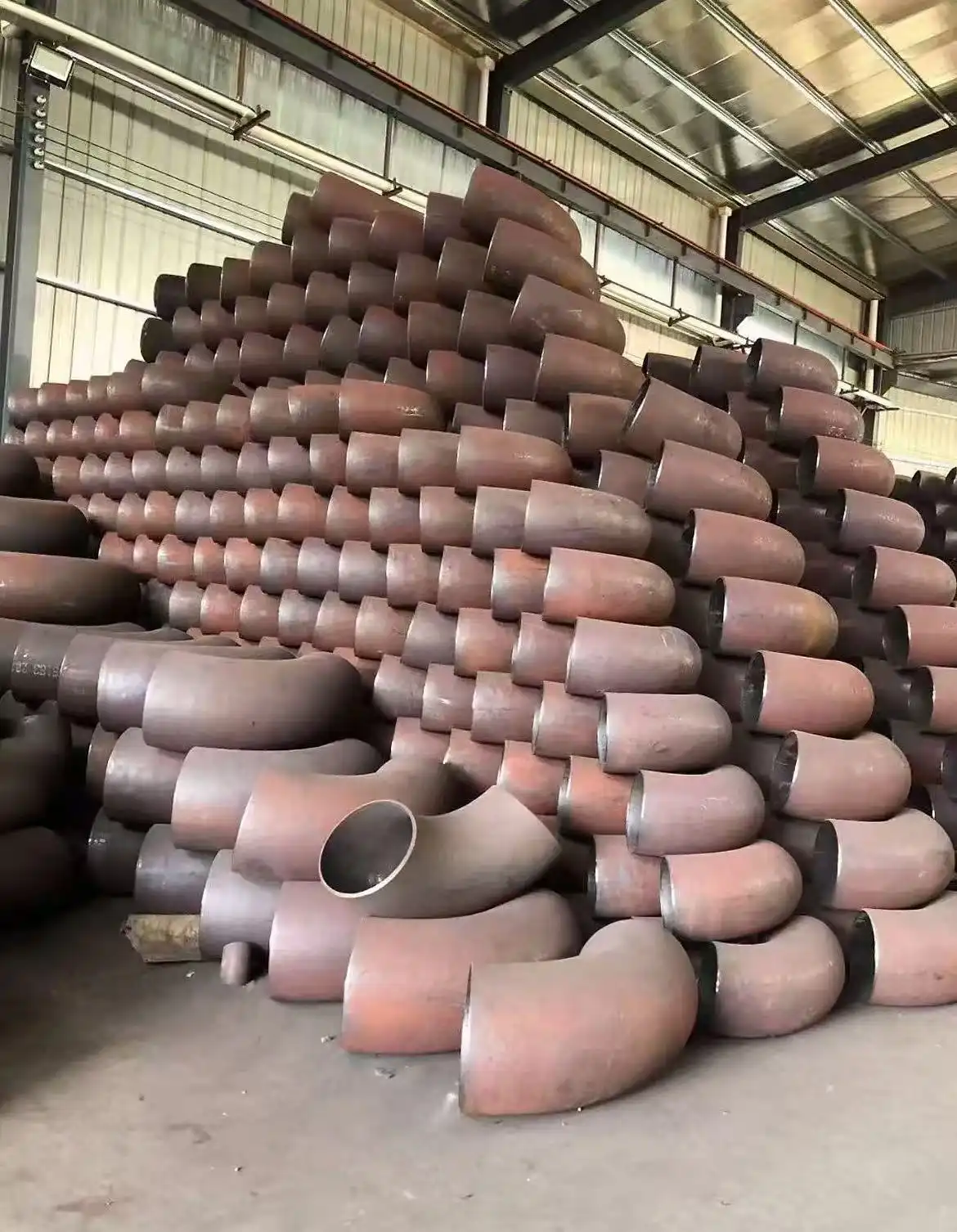
In industrial piping systems, changing the direction of a pipeline does not always require a sharp 90-degree turn. In many layouts, a gradual change in direction is more appropriate, particularly when engineers need to balance routing requirements, available space, and flow conditions. This is where a 45-degree carbon steel elbow can be useful. The fitting guides the pipeline across a 45-degree angle and allows for a welded or other specified connection between neighbouring pipe sections. Carbon steel is commonly utilised for industrial pipelines because of the combination of strength, machinability, availability, and economic concerns. So a 45-degree elbow may be a feasible choice for water, air, steam, oil, gas and other process media, provided the material and fitting parameters are adequate for the service circumstances. The actual performance is not just a function of the 45-degree geometry, but also of such elements as the grade of material, wall thickness, bend radius, pipe size, operating pressure, temperature, and properties of the conveyed medium. Therefore, this fitting provides the engineer and purchaser more value than merely altering the direction of a pipe. The right elbow may assist in simplifying routing, accommodate equipment connections, and provide a pipe system simpler to manufacture and maintain. At the same time, the selection of the correct specification is crucial if the fitting is to work reliably during the specified service life.
Where Are 45-Degree Elbows Used in Industrial Piping?
The use of a 45° elbow is mostly dependent on the configuration and operating circumstances of the pipe system. An elbow changes the direction of flow and consequently adds more resistance compared to a straight pipe portion. A 45-degree layout, however, may provide a more gradual change in direction than a single 90-degree bend, and may be helpful when the pipe arrangement will permit the extra length necessary for the transition.
These fittings are often considered in industrial plants where pipes must avoid equipment, structural members, other process lines or confined spaces. They may also be utilised to construct more feasible routing between pumps, tanks, heat exchangers, vessels and other process equipment. The geometry of the fitting is an element of the hydraulic and mechanical design, but the fitting itself does not impact the overall performance of the pipe system.
The selection of a 45-degree elbow, a 90-degree elbow, or any other routing arrangement should thus be based on the whole pipe design and not on the angle. Before selecting the right layout, engineers may evaluate pressure loss, space availability, maintenance access, support needs, thermal expansion, and cost of installation.
Applications in Oil and Gas Processing
Oil and gas plants include vast pipe networks that convey crude oil, refined products, natural gas, water, steam, and other process fluids. Directional fittings are required throughout these systems because pipes seldom run straight. In process piping, a 45-degree elbow may be used when a gradual change of direction is more suitable to the arrangement than a more acute elbow.
The fitting is suitable for use on process equipment, utility lines, storage systems and transfer piping in refineries and processing facilities. Space is restricted, and equipment is tightly organised; therefore, offshore facilities may also need properly designed pipes. In these situations, the size and design of each fitting must conform to the surrounding piping.
Material selection for oil and gas applications is critical. Carbon steel is useful for various services, although it is not inherently suited for all petroleum-related media. In an effort to validate the material grade, engineers may have to review such relevant items as temperature, pressure, fluid composition, corrosion conditions, and project requirements. Additional material or corrosion-control criteria may apply if the service involves especially corrosive media.
Therefore, for procurement teams, the fitting should be specified greater than its nominal angle. The pipe size, wall thickness or schedule, material grade, manufacturing standard, end preparation, bend radius, and inspection requirements should be defined before placing an order.
Use in Chemical and Process Facilities
Chemical factories typically include complex systems of pipes linking reactors, storage tanks, heat exchangers, pumps, columns, and other equipment. A 45-degree carbon steel elbow helps engineers route these lines around equipment, while still providing a somewhat smooth shift in direction.
The presence of chemicals makes the selection of materials very critical. Carbon steel may be acceptable for certain process services, but it is contingent upon the chemical composition and operating circumstances. Just because a fitting is manufactured from carbon steel doesn’t imply it is uniformly resistant to chemical corrosion. Before picking the material, process engineers should consider the medium, concentration, temperature, pressure, and predicted corrosion conditions.
The pipe layout is also affected by the elbow geometry. Instead of a more abrupt directional shift, a 45-degree change may be used if space allows. This may be helpful if clearances around equipment must be maintained in the routing or where the plumbing architecture must handle repeated changes in direction.
For chemical processing projects, the documentation might be as crucial as the physical fitting. Depending on the project need, purchasers may need material certifications, dimensional inspection records, heat or batch information, and other quality paperwork. Validating these criteria before production helps lessen the chances of specification discrepancies during installation.
Role in Power Generation Piping Systems
Power production plants include substantial pipe systems for steam, feedwater, cooling water, compressed air, fuel, and other services. In certain areas of the pipe route, you may need to shift direction without using just 90-degree fittings. Depending on the plant design, you may be using 45 degree elbows.
Steam and high-temperature services are challenging for engineers since the pipe is subject to high temperature and pressure. Thermal expansion may produce movement and mechanical stresses in the piping system, so the elbow cannot be assessed in isolation from the pipe supports, anchors, expansion arrangements, and related equipment.
Carbon steel is widely used in traditional power plant applications; however, the grade and specification suitable for the service varies. More severe systems might have materials chosen on the basis of temperature, pressure, corrosion, or code requirements. For example, nuclear facilities are subject to specific regulatory and technical requirements, and fittings designed for such applications must be chosen and certified to the appropriate project standards, not only to their broad industrial usage.
This difference is crucial since a product description such as “45-degree carbon steel elbow” specifies the fundamental fitting type but does not in itself establish whether the component is suited for a specific power plant operation.
How the 45-Degree Geometry Affects Piping Layout?
The basic purpose of a 45-degree elbow is quite simple; it alters the direction of the pipeline by 45 degrees. But what is important here is the extra routing flexibility it gives.
A 90-degree elbow provides a greater directional shift, although often a more progressive routing design may be achieved using two 45-degree elbows. Whether this gives a hydraulic advantage is a function of overall pipe geometry, bend radius, flow velocity, fluid characteristics, and other system parameters. It would thus be wrong to believe that any 45° elbow would always have a smaller pressure loss than any other arrangement.
However, a 45-degree elbow might be handy from a planning point of view if the pipe has to flow diagonally around equipment or between two portions that are not at right angles to each other. This may allow engineers to make better use of the available space and minimise excessive routing complexity.
There’s also the issue of bend radius. The long radius and short radius configurations do not act the same, and the selection relies on the relevant standard and project needs. The radius should be established at the design stage and not as an afterthought, if flow behaviour, pigging, maintenance, or space limits are crucial for the system.
Strength and Service Durability
One of the reasons carbon steel remains common in industrial piping is its combination of mechanical strength and relatively broad availability. A properly specified 45-degree carbon steel elbow can withstand substantial mechanical and internal pressure loads when it is designed and installed within its rated service conditions.
Durability, however, should not be understood simply as resistance to every operating environment. Carbon steel can be vulnerable to corrosion under certain conditions, particularly when exposed to moisture or corrosive media without suitable protection. Long-term service performance therefore depends on material selection, wall thickness, coating or corrosion-control measures where required, operating conditions, and maintenance practices.
Manufacturing quality also has a direct influence on service reliability. The elbow should have dimensions and wall thicknesses that conform to the applicable specification, while the end preparation needs to be compatible with the pipe and welding procedure. Proper alignment during installation is equally important because excessive stress at the connection can affect the performance of the piping assembly.
For this reason, buyers should evaluate both the material specification and the manufacturer's quality-control process rather than selecting a fitting solely according to price.
Compatibility With Different Piping Configurations
A 45-degree carbon steel elbow can be manufactured in different nominal sizes, wall thicknesses, material grades, and end configurations. This allows the fitting to be integrated into a wide range of piping arrangements, provided the selected specification matches the surrounding components.
Butt-weld elbows are commonly used in fabricated industrial piping because they can provide a continuous welded connection with the adjoining pipe. The required end preparation, dimensions, and wall thickness should correspond with the relevant piping specification. Other connection arrangements may be considered for different applications, but the connection type must be compatible with the overall system design.
Compatibility also extends to material and dimensional requirements. An elbow with the correct nominal diameter but an incorrect wall thickness or material grade may not meet the requirements of the piping system. The same applies to differences in applicable standards. Therefore, purchasers should confirm the complete specification rather than relying on the nominal size and angle alone.
This becomes particularly important when replacement fittings are ordered for an existing system. Matching the original component's dimensions and material designation can help avoid unnecessary modifications during installation.
What Should Buyers Check Before Ordering?
When purchasing a 45-degree elbow for an industrial project, the product description should be converted into a complete technical specification. The nominal pipe size is an obvious starting point, but it is only one part of the information required.
Material grade should be confirmed according to the project specification and service conditions. Wall thickness or schedule should also be established because it affects pressure capability and compatibility with the connected pipe. The buyer should then verify the applicable manufacturing standard, bend radius, end preparation, and dimensional requirements.
Operating temperature and pressure should be considered alongside the conveyed medium when selecting a 45-degree carbon steel elbow. A fitting suitable for a water utility line may not be appropriate for a high-temperature steam line or a chemically aggressive process. Similarly, a general industrial fitting should not automatically be assumed to satisfy the requirements of a highly regulated application.
Inspection and documentation requirements should also be clarified before production. Depending on the project, purchasers may request material certificates, dimensional inspection, testing records, traceability information, or other quality documents. Establishing these requirements early helps the manufacturer understand the intended application and reduces the chance of receiving a product that does not match the project's documentation requirements.
Choosing a Suitable Manufacturing Partner
For industrial buyers, selecting the fitting is only part of the procurement process. The supplier's ability to consistently manufacture according to the required specifications is equally important. A suitable manufacturer should be able to explain its material options, applicable standards, production capabilities, dimensional controls, and inspection procedures clearly.
Buyers can also ask whether the manufacturer can support different sizes and wall thicknesses, provide relevant material documentation, and accommodate project-specific requirements. For repeated orders, consistency between batches becomes particularly important because replacement fittings need to remain compatible with the existing piping system.
Clear communication is especially valuable when the fitting will be used in a complex industrial installation. Providing the supplier with the pipe size, material grade, schedule, applicable standard, quantity, operating conditions, and documentation requirements can make the quotation and production process more accurate.
Conclusion
A 45-degree carbon steel elbow is a practical component for industrial piping systems where the pipeline needs to change direction while maintaining a relatively gradual routing configuration. Its applications can extend across oil and gas processing, chemical facilities, power generation, utilities, and other industrial environments, but its suitability depends on more than the 45-degree angle itself.
Material grade, wall thickness, bend radius, manufacturing standard, operating temperature, pressure, fluid characteristics, and connection requirements all influence the final selection. Carbon steel can provide useful mechanical strength and durability for many services, while corrosion conditions and specialized operating environments must still be evaluated during engineering and procurement.
For buyers, a reliable selection process begins with a complete technical specification rather than a simple product name. By matching the 45-degree carbon steel elbow to the piping design, service conditions, applicable standards, and documentation requirements, manufacturers and project teams can achieve a more practical and consistent piping solution.
For high-quality 45-degree carbon steel elbows and other piping components, consider Cangzhou Oudi Pipe Manufacture Co., Ltd., a leading manufacturer since 1998. For more information or inquiries, please contact us at oudi-04@oudiguandao.com.
FAQ
1. What are the main advantages of using 45-degree carbon steel elbows?
The main advantages include improved flow characteristics, reduced turbulence, enhanced durability, and versatility in various industrial applications.
2. In which industries are 45-degree carbon steel elbows commonly used?
They are widely used in oil and gas, chemical processing, power generation, and various other industrial sectors.
3. How do 45-degree elbows compare to 90-degree elbows in terms of flow efficiency?
45-degree elbows generally provide smoother flow transitions and lower pressure drops compared to 90-degree elbows.
4. What makes carbon steel a suitable material for these elbows?
Carbon steel offers excellent strength, durability, and resistance to high temperatures and pressures, making it ideal for demanding industrial environments.
References
1. Smith, J. (2019). Industrial Piping Systems: Design and Application. New York: Engineering Press.
2. Johnson, R. (2020). Flow Dynamics in Industrial Processes. Journal of Fluid Engineering, 45(3), 234-250.
3. Brown, A. et al. (2018). Carbon Steel in Modern Industry: Properties and Applications. Materials Science Quarterly, 22(2), 89-105.
4. Wilson, T. (2021). Optimization of Piping Systems in Chemical Plants. Chemical Engineering Today, 56(4), 312-328.
5. Lee, S., and Park, K. (2017). Comparative Analysis of Elbow Types in High-Pressure Pipelines. International Journal of Pressure Vessels and Piping, 94(1), 45-60.
6. Martinez, E. (2022). Energy Efficiency in Industrial Fluid Transport: The Role of Pipe Fittings. Energy Engineering Review, 33(2), 178-195.

Need help finding the right solution with our experts. Please contact us.

SINCE 1998 Your Reliable Pipeline Manufacturer



