A Complete Guide to ANSI B16.9 Steel Butt-Weld Fittings
Modern industrial pipe systems are held together by ANSI B16.9 steel butt-weld fittings, which are very reliable in oil, chemical, natural gas, and water conservation uses. These ANSI B16.9 fittings were carefully designed to make links that don't leak in high-pressure settings. They also meet strict standards for size and material. Engineers and purchasing managers can make better choices about system performance and operational safety in tough industrial settings when they know about their specs, installation needs, and buying factors.
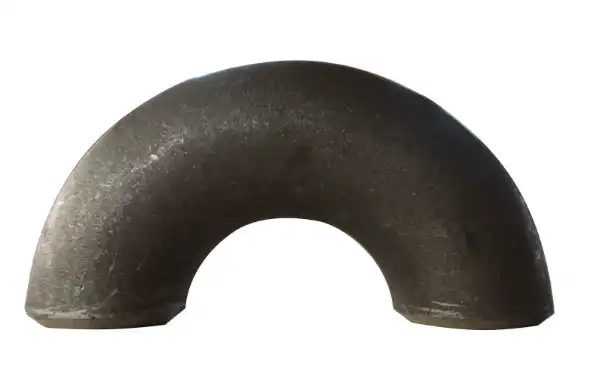
Understanding ANSI B16.9 Steel Butt-Weld Fittings
What Are ANSI B16.9 Steel Butt-Weld Fittings?
ANSI B16.9 steel butt-weld fittings are special parts for pipes that are made to connect pipes of the same thickness in a way that is stable and strong. These fittings come in a range of shapes and sizes, including elbows, tees, reducers, and caps. Each one is made to exact measurements. Welding makes a continuous metal joint that keeps the pipe's internal flow properties and keeps the structure strong even in harsh working conditions.
The idea behind these fits' design is that they should be compatible and interchangeable with parts from different brands. This standardization gets rid of worries about compatibility during purchase and installation, so engineers can get parts from different sellers without affecting the integrity of the system. Because they can be easily connected to other parts, these fittings are very useful for big industrial projects where the ability to choose where to get parts can have a big effect on costs and schedules.
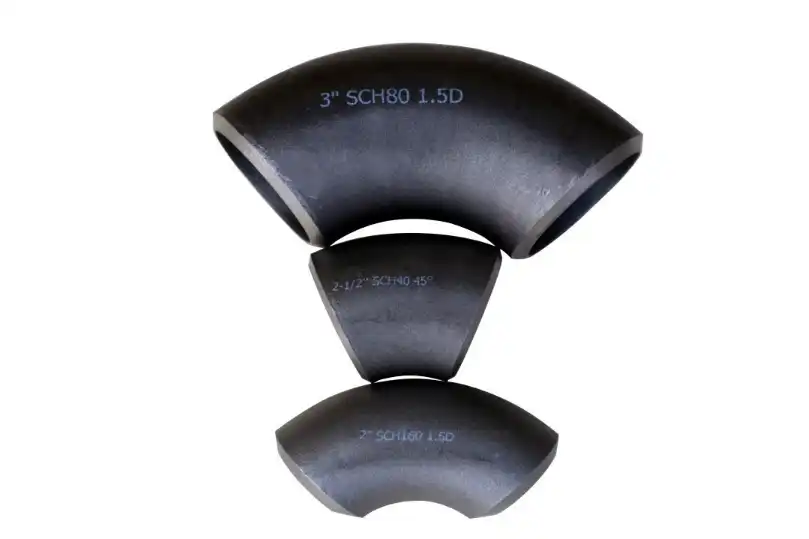
Core ANSI B16.9 Specifications and Standards
According to the ANSI B16.9 standard, butt-weld valves must meet certain size requirements, be made of certain materials, and work at certain levels. These specs list important measures, like center-to-end lengths, outside widths, and wall thicknesses for pipes ranging in size from 1/2 inch to 48 inches. The standard also calls for certain limits that make sure everything fits together correctly during fitting.
There are three main types of material standards in ANSI B16.9 that cover a wide range of operating needs. These are carbon steel, stainless steel, and alloy steel. For everyday use, carbon steel grades like ASTM A234 WPB offer great value for money, while stainless steel grades like ASTM A403 WP316L are better at resisting rust in harsh chemical conditions. Compositions of alloy steel are used in high-temperature situations (above 850°F) where regular materials would break down.
ANSI B16.9 vs. ASME B16.9: Historical Evolution and Current Usage
The way ANSI B16.9 and ASME B16.9 relate to each other shows how industry standards control is changing. The B16.9 standard was first created with ANSI's guidance, but it was given to ASME to maintain when the engineering community realized it needed more specialized technical control. Because of this historical event, dual naming practices have been set up so that both groups are still involved in developing and updating standards.
Today, the business world clearly prefers language from ASME B16.9. This is because ASME is now the main organization in charge of maintaining standards. Technical specs, on the other hand, are the same for both names, so they can be used interchangeably. This means that procurement workers can choose from a variety of sellers and be sure that the parts they supply will work together, even if the suppliers' documentation uses ANSI or ASME designations.
Installation and Usage Guide for ANSI B16.9 Fittings
Step-by-Step Installation Procedures
To install butt-weld fits correctly, you need to pay close attention to the steps for preparation, alignment, and welding. The first step is to prepare the pipe ends by beveling them to certain angles, which are usually between 30 and 37.5 degrees. It's important to keep the surface clean, getting rid of mill scale, rust, and other things that could affect the quality of the weld. For fit-up processes to work, the parts must be perfectly lined up so that there is no more than a 1/16-inch difference in length or angle.
Welding methods must follow qualified welding procedure standards (WPS) that are right for the mix of materials and service conditions. Root pass welding has to pay extra attention to penetration to avoid flaws like joint penetration that isn't full or lack of fusion. The next fill and cap passes must finish the fusion while keeping the right amount of heat input to avoid too much warping or bad changes in the metal's structure.
The post-weld process depends on the needs of the service and the properties of the material. Post-weld heat treatment (PWHT) is often needed to get rid of leftover stresses and improve mechanical qualities in situations where temperatures are high or where there is corrosion. Before the system is put into service, the quality of the weld is checked without damaging it through radiography testing or ultrasonic inspection.
Pressure Ratings and Performance Parameters
Knowing the pressure levels helps you choose the right fitting for the job based on safety and working conditions. The pressure and temperature limits for ANSI B16.9 fittings are set by the pipe standards and material qualities that go with them. Standard wall fittings can usually handle pressures that are the same as Schedule 40 pipe, while heavy wall versions can handle pressures that are the same as Schedule 80 pipe.
Temperature affects allowed working forces a lot because materials lose some of their properties at high temperatures. Up to 400°F, carbon steel valves keep their full pressure levels. At higher temperatures, they need to be gradually lowered. Compositions made of stainless steel allow for wider temperature ranges while still keeping structure integrity, which makes them good for high-temperature process uses.
As long as they are installed and used correctly, carbon steel fittings should last more than 25 years in settings that don't corrode. Stainless steel varieties last a very long time in chemical processing settings where choosing the right material for the acidic climate keeps things from breaking too soon.
Manufacturing Processes and Quality Control
Modern butt-weld fittings are made using advanced forming methods, such as hot forming, cold forming, and cutting, depending on the size and complexity of the parts that need to be made. Controlled heating is used in hot forming to make fittings out of pipe or plate materials while keeping the right metallurgical qualities throughout the process. This method works especially well for parts with bigger diameters, where cold forming would need too much force.
During the whole production process, quality control methods make sure that the dimensions and properties of the material are met. The chemical make-up and mechanical properties of incoming raw materials are checked using approved mill test results and, if needed, extra testing. Using precise measuring tools adjusted to traceable standards, dimensional checking is done during and after forming to make sure that the specs set by ANSI B16.9 are followed.
Part of the final checking process is a non-destructive study to look for possible internal problems and hydrostatic tests to make sure the pressure integrity. These thorough quality controls make sure that finished goods meet or go beyond the required standards and provide the paperwork needed for tracking in important service situations.
Comparative Analysis and Decision-Making for ANSI B16.9 Fittings
ANSI B16.9 vs. ASTM Standards Comparison
Making the difference between ANSI B16.9 and ASTM standards makes it clear how they work together in fitting design and purchase. Dimensional standards are set by ANSI B16.9, and material qualities and composition needs are set by ASTM specs. Because of this connection, a full fitting specification needs both standards: ANSI B16.9 for size compliance and the right ASTM material specification for makeup and mechanical properties.
When these standards are used together, they provide a full description of each component that is needed for proper buying and quality assurance. To make sure that sources give them parts that meet all technical needs, engineers have to list both the size standard (ANSI B16.9) and the material standard (for example, ASTM A234 WPB for carbon steel). This two-specification method gets rid of confusion and makes it clear what requirements must be met for new inspection processes.
Advantages of ANSI B16.9 Fittings in High-Performance Applications
Through their strong design and standardized production methods, ANSI B16.9 fittings provide outstanding performance benefits in tough industrial settings. The butt-weld connection method makes a continuous pipe wall thickness without the stress clusters that come with threaded connections. This lets you use higher pressure ratings and better wear resistance when the load is applied in cycles.
Dimensional standards across makers gives buyers big benefits by giving buyers a choice of suppliers and the chance to get better prices. This standardization is especially helpful for emergency repair scenarios where getting parts quickly is important to keep downtime to a minimum. Since ANSI B16.9-compliant parts are easy to find, the supply chain can serve even the most specific material needs.
When properly placed, butt-weld fittings have a smooth internal shape that reduces pressure drop and turbulence compared to threaded options. This is another big benefit. This hydraulic efficiency means that pumping costs go down and system performance goes up. This is especially important in large-scale process uses where energy efficiency has a direct effect on running costs.
Cost Optimization Strategies for Procurement
To effectively handle costs for ANSI B16.9 fitting procurement, you need to know how volume, wait times, and price models are connected. When you order in bulk, the unit cost usually goes down by a lot, especially for regular configurations and popular material grades. To get the best total cost of ownership, you need to balance the costs of keeping goods with the benefits of big discounts.
Strategic ties with suppliers allow for cost optimization through long-term deals that keep prices stable and guarantee supply. Value-added services like kitting, just-in-time delivery, and expert help are often part of these partnerships. They lower overall procurement costs in ways other than unit price. Strategies for combining suppliers can make it easier to control quality and get vendors certified while also giving buyers more buying power.
Procurement Guide and Supplier Selection
Best Practices for Online Procurement
To successfully buy ANSI B16.9 parts online, you must first create clear specifications that get rid of any confusion and guarantee accurate quotes. Full specs must include a size range, the number of items needed, the due date for delivery, the material type (ASTM grade), and the measurement standard (ANSI B16.9). During the question part, it should be made clear if there are any other requirements, such as licensing paperwork, testing needs, or packaging requirements.
When evaluating a supplier, it's important to check their professional skills, compliance with quality systems, and past of on-time deliveries. Some of the most important things that are looked at when judging are ISO 9001 certification, methods for tracking materials, the ability to check, and references from similar projects. Talking about technical issues with possible suppliers can show how well they understand the needs of the application and how well they can provide technical help during the whole procurement process.
When making a request for quotation (RFQ), it's important to have clear evaluation factors that take cost, technical compliance, and shipping needs into account. Standardized request for quote (RFQ) forms make it easier to compare sources accurately and make sure that all important needs are met. By making lists of accepted vendors based on their past performance and proven abilities, supplier pre-qualification methods can speed up the buying process.
Evaluating Supplier Capabilities and Certifications
When evaluating a supplier for ANSI B16.9 fits, it is necessary to look at their manufacturing skills, quality processes, and technical knowledge. ISO 9001 certification is the most basic form of quality system guarantee. Other certifications, like API, ASME, or PED, show that the company has specific skills for certain uses. Facility audits of suppliers can confirm real skills and quality control measures in addition to what is written in certification documents.
A manufacturing capability assessment must look at things like production capacity, the ability of the tools, and the technical knowledge needed to meet special fitting needs. Suppliers should show that they have the right forming equipment, heat treatment skills, and testing equipment to make parts that meet standards. Comprehensive quality assurance is provided by testing methods such as mechanical testing, chemical analysis, and non-destructive examination.
The review of a quality management system is based on practices like material traceability, process control, and documents that make sure the quality of the product is always the same and that the system meets all regulations. Effective providers have full material certification systems that make it possible to track everything from the raw materials to the arrival of the finished product. For applications that need material test results and quality paperwork to meet regulatory requirements, these systems become very important.
Custom Manufacturing Options and Lead Times
When providers offer custom manufacturing, they can make solutions that fit specific application needs or non-standard designs. These features come in handy for projects that need odd sizes, unique materials, or changed measurements that go beyond what's normally available in catalogs. Custom production, on the other hand, usually takes longer and costs more than standard goods.
Considerations for lead times for ANSI B16.9 fits depend a lot on the size, material, and amount needed. Standard designs made of common materials like carbon steel usually have faster shipping times because they are easier to keep in stock or because they are made in a routine way. Specialized materials, like high-alloy stainless steels or unusual metals, need longer lead times because they need to be bought in bulk and processed in a certain way.
Coordination in production planning is necessary for big projects that need a lot of fittings or planned delivery dates. Good providers let you see the production schedule and keep track of the milestones, which helps you plan the project and make sure it works with other building activities. This planning feature is especially useful for projects that need to be turned around quickly, since the time of supply has a direct effect on the critical path schedule.
Company Introduction and Product & Service Overview
Oudi's Expertise in ANSI B16.9 Steel Butt-Weld Fittings
Since 1998, Cangzhou Oudi Pipe Manufacture Co., Ltd. has been one of the best companies in the world at making ANSI B16.9 steel butt-weld fittings. They have over 300 customers in over 40 countries. Our large selection of products includes all types of butt-weld fittings, such as elbows, tees, reducers, and caps made of carbon steel, stainless steel, and alloy steel. The 66,600-square-meter building the company has in Mengcun Hui Autonomous County gives them easy access to raw materials and transportation systems, which is good from a business point of view.
Our industrial skills allow us to make up to 16,000 tons of goods every year, so we can meet the needs of both large-scale projects and specific unique orders. The building has advanced making tools, the ability to heat treat, and thorough checking systems that make sure the building always meets ANSI B16.9 standards. With this much production capacity and smart ties for getting raw materials, prices can be kept low while quality standards are kept high.
Our team has more than 20 years of experience making things, so they have the technical knowledge to help customers in a wide range of businesses with their application and standard needs. Our engineering help goes beyond just selling standard products; we can also create custom design solutions for specific uses that need special shapes or materials.
Quality Assurance and Certifications
Oudi has strong quality control methods that are backed up by ISO 9001:2000 approval and a Special Equipment Manufacturing License from the People's Republic of China. These licenses show that we are dedicated to systematic quality control and ongoing growth processes that make sure all of the markets we serve get the same high-quality products that meet all the rules.
Our quality control processes cover every step, from getting the raw materials to delivering the finished product. The chemical make-up and mechanical properties of incoming materials are checked using approved mill test results and, if needed, extra testing. During the forming and heat treatment processes, in-process checking makes sure that the dimensions are met and that the metal has the right mechanical properties.
As needed by the application requirements, final inspection methods include checking all dimensions, testing for hydrostatics, and non-destructive examination. We can test all kinds of materials in our lab, including chemistry analysis, checking the dynamic properties, and special tests for important service uses. This thorough method makes sure that every package meets or goes beyond what the customer wants, and it also provides full paperwork for quality control and legal compliance.
Global Service Network and Customer Support
Our foreign service network includes more than 40 countries in Europe, North and South America, Africa, Southeast Asia, and the Middle East. This gives us the ability to provide local support, which helps us build stronger relationships with customers and provide faster service. Because we do business all over the world, we know the regional requirements, certification needs, and organizational issues that affect the success of projects in a wide range of markets.
Customer support services include more than just delivering products. They also include professional advice, help with applications, and support after the sale to make sure the product works well for as long as it's being used. Our expert team helps customers get the best system design and avoid problems during building and commissioning by helping them with specifications, choosing materials, and installation.
Logistics services include different types of packing, combining shipments, and planning planned arrival times that keep projects on schedule and keep transportation costs low. Our knowledge of international shipping rules and paperwork makes sure that customs handling goes smoothly and that deliveries get to project sites on time all over the world.
Conclusion
Butt-weld valves made of steel that meet ANSI B16.9 fittings are necessary for building reliable, high-performance pipe systems that are used in harsh industrial settings. Knowing their specs, how to install them, and what to think about when buying them lets you make smart choices that improve system speed while keeping costs low. Standardized design and manufacturing requirements make sure that all suppliers meet the same quality and usability standards. This gives buyers more choices and makes the supply chain more reliable. To make sure the system works well and safely in the long term, it's important to pay attention to the right ways to build specifications, evaluate suppliers, and check the quality of the work.
FAQ
What materials are commonly used for ANSI B16.9 fittings?
ANSI B16.9 fittings are made from carbon steel (ASTM A234 WPB), stainless steel (ASTM A403 grades), and different alloy steels, based on the needs of the purpose. In normal situations, carbon steel is very strong and inexpensive, while stainless steel is better at resisting corrosion in chemical conditions.
Are ANSI B16.9 fittings suitable for high-pressure applications?
Yes, ANSI B16.9 valves work great in high-pressure situations as long as they are chosen correctly based on the material's qualities and wall thickness. The butt-weld connection method makes a continuous pipe wall thickness that doesn't have stress clusters. This means that it can handle higher pressures than threaded options.
How can I verify supplier certification and product quality?
Make sure that providers keep up with their ISO 9001 certification, factory licenses, and methods for tracking materials. When needed, ask for material test results, certificates for dimensional checking, and samples to be tested for accuracy. Audits of the facilities of suppliers give you more confidence in their real skills and the way they implement quality control.
What are typical delivery lead times for ANSI B16.9 fittings?
Standard configurations made of carbon steel usually take two to four weeks to deliver. Stainless steel and other rare materials may take six to eight weeks, based on the size and number. Custom designs or large amounts may make wait times longer, but they can help you get the best prices by making production more efficient at a higher volume.
Partner with Oudi for Your ANSI B16.9 Fittings Requirements
Oudi has been making products for more than 25 years and has a wide range of quality control methods and global service options to help you find the best ANSI B16.9 fits for your important projects. Our ISO 9001-certified building can hold up to 16,000 tons per year, which helps the supply chain and keeps prices low by using efficient production methods. Our technical team can help you get the most out of your system design and specs, whether you need standard setups or custom solutions. Get in touch with us right away at oudi-04@oudiguandao.com to talk about your needs with an expert ANSI B16.9 fittings seller and find out how our wide range of services can help your project succeed.
References
1. American National Standards Institute. "Factory-Made Wrought Buttwelding Fittings - ANSI/ASME B16.9-2018." ANSI Standards Publication, 2018.
2. American Society of Mechanical Engineers. "Boiler and Pressure Vessel Code Section II - Materials Specifications." ASME International, 2021.
3. Peterson, James R. "Industrial Piping Systems Design and Installation Guidelines." McGraw-Hill Professional Engineering, 2019.
4. Thompson, Michael A. "Welding Procedures for Pressure Piping Components: A Comprehensive Guide." Industrial Press Technical Publications, 2020.
5. Rodriguez, Carmen L. "Quality Control Methods in Steel Fitting Manufacturing." Journal of Materials Engineering and Processing, Vol. 45, 2022.
6. International Organization for Standardization. "Quality Management Systems for Manufacturing Industries - ISO 9001:2015 Implementation Guide." ISO Publications, 2020.

Need help finding the right solution with our experts. Please contact us.

SINCE 1998 Your Reliable Pipeline Manufacturer



