What is a Barred Tee? The Ultimate Guide for Pigging Systems
A barred tee is a special kind of pipe fitting made for piggable pipeline systems. It has bars or gaps welded inside the branch section to stop pigging tools from getting into some pipeline branches. This important part makes sure that repair pigs can safely go through the main pipeline. It also keeps sensitive equipment and branch links from getting damaged during pigging operations in chemical, oil, and gas processing plants.
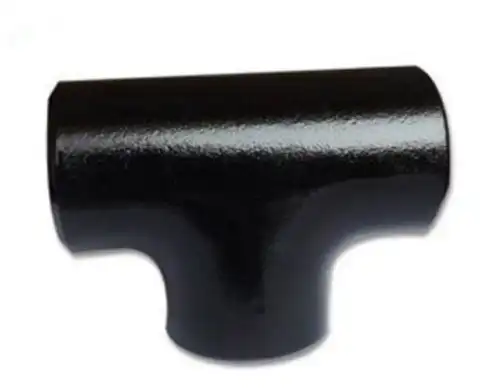
Understanding Barred Tee Pipe Fittings
For pipeline pigging to work, the parts need to be carefully designed so that they balance flow efficiency with operating safety. The use of barred tee fittings is essential for keeping pipelines in good shape and making cleaning and inspection processes work well.
Design Characteristics and Structure
A barred tee is basically a normal tee shape that has been improved by adding carefully placed restriction bars that are welded internally across the branch outlet. These bars make a good barrier that keeps pigging equipment on the main path of the pipeline and stops it from going in the wrong direction. The welded bars keep the structure strong when there is a lot of pressure on it, but they still let fluid run normally through the branch link.
The distance between these internal bars and their width have been carefully calculated to allow for different pig sizes while still providing enough flow area for working needs. The welded design keeps the bar in place and removes the chance of it moving during high-pressure activities.
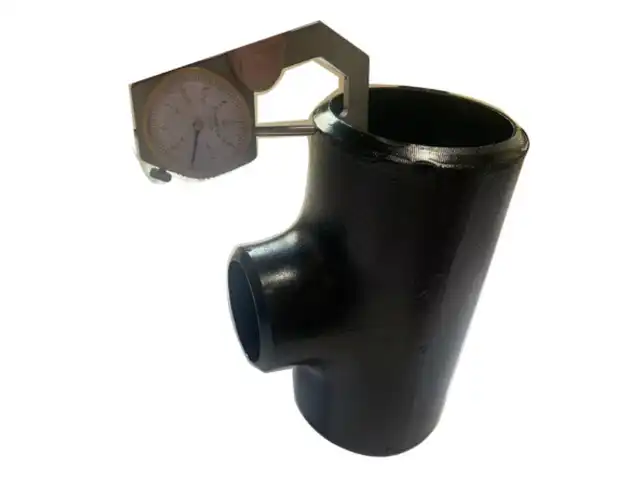
Material Specifications and Standards
Modern barred tee fittings are made of high-quality materials that are designed to work in harsh industrial settings. Different types of carbon steel are very strong and can be used in normal-pressure applications. Stainless steel types, on the other hand, are more resistant to corrosion and are better for use in chemical processing settings. Compositions of alloy steel work better in situations of high temperature and pressure.
Following the rules for manufacturing makes sure that the product works well in many different situations. Measurement precision, material make-up, and pressure values are all controlled by ANSI, JIS, DIN, and BS standards. These standards are known all over the world and make it easier to connect new pipelines to old ones while still keeping safety margins.
Applications Across Industries
Barred tee fittings are used in a lot of different places, like oil factories, chemical plants, natural gas transport systems, and water treatment plants. During regular pipeline repair, these specialized fittings are especially useful for the oil and gas business. To safeguard critical instrumentation and control systems during pigging processes, chemical production plants use barred tees.
The design is flexible enough to work with a range of pipeline layouts, from simple branch connections to complicated manifold systems. Sizes range from 2 inches to 48 inches in diameter, so they can fit both small processing units and large transmission pipes.
Barred Tee vs Other Pipe Fittings: Making the Right Choice
Knowing the differences between barred tees and other pipe fittings helps you make smart choices when designing a pipeline system and planning its care.
Comparison with Standard Tee Fittings
Standard tee fittings can grow out in simple ways, but they don't have the safety features that are needed for pigging activities. Pigs can get into branch lines because there aren't any internal barriers. They could damage equipment or get stuck in smaller diameter pipes. Because of this basic problem, normal tees can't be used for piggable pipeline systems that need to be maintained on a daily basis.
Barred tees get around these problems while keeping the flow qualities needed for pipelines to work well. The internal bar configuration keeps the main flow line open while blocking pigs' access to branch links.
Advantages Over Alternative Fitting Types
When it comes to pig direction, barred tees are better than wye fits because their branches are perpendicular to each other. The 90-degree curve makes a stronger barrier effect, which makes it less likely that the pig will get lost during high-speed operations. Cross fittings don't have the special safety features that barred tees do to keep branches separate.
Reducing tees and lateral tees are useful for different things, but they can't do what barred tees do for pigging systems, which is to stop the pig. The special internal bar arrangement is the only way to protect the pipeline while repair work is being done.
Selection Criteria for High-Pressure Applications
For high-pressure pipeline systems, the specs of the materials, the wall thickness, and the bonding methods need to be carefully thought out. The bars inside must be able to handle both the working pressures and the dynamic forces that are created when the pig passes through. When working conditions are tough, choosing the right materials becomes very important for keeping things reliable over time.
When engineers define barred tee fittings, they look at the pressure levels, temperature ranges, and corrosion protection needs. The best material mix and processing requirements for a given product depend on all of these factors working together.
How to Install and Maintain Barred Tee Fittings in Pigging Systems?
If you follow the right steps for installation and care, barred tee fittings will work better and last longer in pigging uses.
Installation Guidelines and Best Practices
Before installation can start, the alignment must be carefully checked to make sure that the pig can run properly through the main pipeline. The barred tee needs to be set up so that the internal bars are perpendicular to the direction the pigs are moving. This makes a good barrier without getting in the way of the pigs' movement. To keep the structure's integrity and avoid stress concentration spots, welding methods must follow set pipeline standards.
Elevation and slope of the pipeline affect the pig's speed and how well it guides itself. When the fitting is done right, the pigs can keep enough speed to get past the barred tee without getting stuck or hitting the internal bars too hard.
Routine Maintenance Requirements
Scheduling regular inspections helps find problems before they affect how the pipeline works. Visually checking the internal bars through the available openings makes sure the structure is sound and that the bars are in the right place. Ultrasonic testing can find cracks or bars that are breaking up that could make protection less effective.
Cleaning routines get rid of built-up garbage that could get in the way of pigs or stop branch flow. During normal activities, the internal bar design may catch foreign materials, which need to be removed on a regular basis to keep the flow qualities at their best.
Troubleshooting Common Issues
When barred tees are installed, pig housing is the biggest operating problem. This usually happens when the bar spacing is wrong, the pig speed is too slow, or foreign material builds up. To fix the problem, the pigs need to be carefully removed so that the pipeline doesn't get damaged or the pigs get broken up.
Flow restrictions in branch connections could mean that garbage has built up around the internal bars or that the fitting is not lined up correctly. To fix the problem, corrective actions include cleaning processes or, in the worst cases, replacing the fitting to get the flow back to normal.
Procurement Guide: Buying Barred Tee Fittings for Your Business
Strategic sourcing methods make sure that supply chains are reliable and that buying bar tee fittings is as cost-effective as possible.
Supplier Evaluation Criteria
Verification of quality certifications is the basis for choosing a trusted seller. ISO 9001 approval shows that quality management systems are well-established, and specialized equipment production licenses show that a company has the technical know-how to make pressure vessel parts. These licenses give you peace of mind that the manufacturing standards will be met and that the rules will be followed.
Evaluating providers' production ability makes sure they can meet project deadlines and volume needs. Project planning and buying are affected by things like the amount of work that can be done each year, how the inventory is managed, and how consistent the wait times are. Critical pipeline parts are more likely to be reliable when they come from suppliers with strong quality control systems that include inspecting raw materials and testing finished products.
Cost Optimization Strategies
Most of the time, buying in bulk saves a lot of money and ensures that there is enough inventory for regular upkeep needs. Long-term supply deals can keep prices stable and give sellers peace of mind when planning their production. These agreements are good for everyone because they cut down on management costs and make the supply chain work better.
Custom size eliminates the need for changes to be made in the field and ensures the best fit for each pipeline design. When it comes to different project needs, suppliers who offer a wide range of sizes and materials are more useful.
Technical Support and Documentation
Full technical instructions help with the right way to install and maintain things. Specifications, assembly drawings, and material certifications that are very detailed make sure that technical requirements and government standards are met. Suppliers who offer a lot of expert support can help with startup problems and make the system run better.
Long-term business success depends on being able to provide service after the sale. Suppliers who give expert advice, help with troubleshooting, and provide replacement parts are very helpful for keeping pipeline systems in good shape throughout their entire operating lifetime.
Oudi: Your Trusted Barred Tee Manufacturing Partner
Since 1998, Oudi has been one of the best companies for making high-quality pipe fittings. They focus on making parts out of carbon steel, stainless steel, and alloy steel that are used in tough industrial settings. Our wide range of products includes carefully made barred tee fittings that are perfect for use in pigging systems in the oil, chemical, natural gas, and water conservation industries.
Manufacturing Excellence and Quality Assurance
Our 66,600-square-meter factory in Mengcun Hui Autonomous County has high-tech production tools that can make 16,000 tons of precision-engineered pipe parts every year. The strategic position makes it easy to get to Tianjin Port, which helps our customers in more than 40 countries and regions move goods quickly and easily around the world.
Quality management systems that are approved to ISO 9001:2000 standards make sure that the quality of the products is always high, from checking the raw materials to delivering the finished goods. Our thorough quality control methods include full inspection procedures and the ability to try products without damaging them. This gives you peace of mind about the reliability of our products for important pigging uses.
Global Service Network and Technical Support
Our established footprint in Europe, North and South America, Africa, Southeast Asia, and the Middle East shows that we are dedicated to providing our foreign customers with dependable supply chains and quick technical support. Our self-managed import and export options make the buying process easier and make sure that supplies get to project places around the world on time.
Through decades of production experience, we've gained the technical know-how to offer full consultation services for choosing the right barred tee, installation advice, and help for ongoing upkeep. Our engineering team works closely with clients to make sure that the fixing specs are the best they can be for each pigging system.
Product Range and Customization Capabilities
As part of our barred tee product line, we make standard and special sizes that meet ANSI, JIS, DIN, and BS standards. For normal uses, carbon steel is a choice. Stainless steel is better in corrosive environments, and special alloys are used in the harshest circumstances. Size ranges allow for different transit needs while keeping quality standards the same for all product types.
Custom production lets you meet the specific needs of a project, such as non-standard sizes, special material mixes, and changed internal bar configurations. This adaptability makes sure that the best performance is achieved for specific pigging tasks while still being compatible with current pipeline infrastructure.
Conclusion
Barred tee fittings are necessary for pigging activities to be safe and efficient in a wide range of industrial settings. Their unique design keeps equipment from breaking while keeping the pipelines working, which is why oil, chemical, and gas production plants can't do without them. By knowing the technical details, installation standards, and upkeep processes, you can make smart choices about how to improve the pipeline system. Strategic methods to buying things that focus on seller certification, technical support, and quality testing make sure that important pigging applications work reliably and for a long time.
FAQ
What makes barred tees essential for pigging systems?
With barred tees, pigging equipment can't get into branch connections, where it could get stuck or hurt sensitive equipment. Pigging operations are safe and efficient because the internal bars guide the pigs along the main pipeline while keeping the flow normal at branch links.
How do I select the correct size and material for my application?
The size you choose will depend on the main diameter of your pipeline and the specs of your pig. The material you choose will depend on the working pressure, temperature, and fluid properties. For everyday tasks, carbon steel works well, stainless steel doesn't rust, and alloy steel can handle tough circumstances. Pressure values must be higher than the working pressures of the system by a safe amount.
What are the key installation considerations for barred tee fittings?
Pigs can move smoothly without hitting the internal bars as long as the pipes are aligned correctly and there are enough straight parts upstream and downstream to keep the pigs moving at the same speed. To keep stress concentrations from happening, welding methods must follow pipeline standards, and the fitting orientation must place bars so they are not parallel to the way the pig is moving.
How often should barred tee fittings be inspected and maintained?
Regular inspections should happen at the same time as regular upkeep on the pipeline, which should be done once a year or every other year, based on working conditions. A visual check shows that the bar is solid, and cleaning gets rid of any buildup of dirt or grime. In places with a lot of garbage or after strange pigging operations, inspections may need to be done more often.
Contact Oudi for Expert Barred Tee Solutions
Are you ready to improve the performance of your pigging system with high-quality barred tee fittings? Oudi offers options that are suited to your needs by combining decades of experience in manufacturing with full technical support. Our expert engineering team can help you choose the right materials, figure out the right sizes, and install them so that your pipeline activities run as smoothly as possible. Get in touch with our experts at oudi-04@oudiguandao.com to talk about your project needs and get reasonable quotes from a reliable barred tee provider that can deliver anywhere in the world.
References
1. American Society of Mechanical Engineers. "Pipeline Transportation Systems for Liquid Hydrocarbons and Other Liquids - Pigging Standards and Practices." ASME B31.4, 2019.
2. Pipeline Pigging and Integrity Management Association. "Guidelines for Pigging Equipment Design and Pipeline Compatibility." PPIM Technical Publication 2020.
3. International Organization for Standardization. "Petroleum and Natural Gas Industries - Pipeline Transportation Systems - Mechanical Fittings." ISO 15590-3, 2018.
4. American Petroleum Institute. "Specification for Line Pipe Fittings and Accessories for Pipeline Pigging Operations." API Standard 5L-PIG, 2021.
5. Det Norske Veritas. "Recommended Practice for Pigging of Pipelines - Design and Operational Guidelines." DNV-RP-F116, 2017.
6. National Association of Corrosion Engineers. "Pipeline Pigging Technology and Corrosion Management Practices." NACE International Standard TM0192, 2019.

Need help finding the right solution with our experts. Please contact us.

SINCE 1998 Your Reliable Pipeline Manufacturer



