Barred Tee Design for Pipelines: Protecting Your Pigging Tools
The integrity of the pipeline and the efficiency of repair work rest a lot on choosing the right fittings and giving design some thought. A barred tee is a special kind of pipe fitting that has bars or gaps welded inside the branch section to keep pigging equipment from going into areas of the pipeline that it shouldn't be. This important part makes sure that repair tools, called "pigs," can safely go through major pipeline routes. It also keeps the equipment and branch connections from getting damaged while they are being cleaned and inspected.
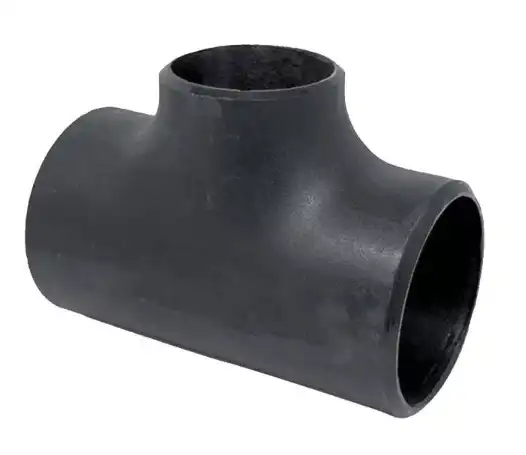
Understanding Barred Tee Pipe Fittings
Barred tee fittings are very important parts of modern pipeline systems that need to be pigged as part of regular repair. These special fittings have the strength of regular tee connections plus built-in safety barriers that direct pigging tools along predetermined paths.
Fundamental Structure and Design Principles
The basic structure of a barred tee is the same as a regular tee: it has three ports, but there are carefully placed internal bars across the branch exit. During manufacturing, these bars are forever welded into place. This makes a physical barrier that stops pigs from getting through while keeping the main pipeline route's best flow qualities. The bar configuration is usually made up of two or more parallel pieces that span the hole in the branch and are big enough to block normal pig sizes while still letting fluid move.
The standards for making these fits say that the bars have to be placed exactly right to make sure that they are structurally sound and work properly. During the welding process, the joints between the bars and fitting walls must be made completely smooth. This gets rid of any weak spots that could make the system less safe during high-pressure operations.
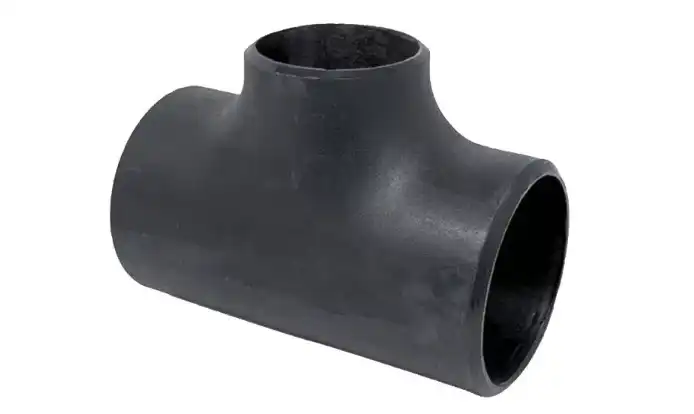
Material Selection and Performance Characteristics
Carbon steel and stainless steel are the main materials used to make barred tees. Each has its own benefits that depend on the needs of the application. Different types of carbon steel are very strong and don't cost a lot, making them perfect for general oil and gas uses. While keeping dimensional stability over an extended working life, the material can withstand high pressures.
Stainless steel choices are better at resisting corrosion in chemical processing and sea settings where they come into regular touch with aggressive media. The higher starting costs are worth it because the improved durability means less maintenance and a longer operating lifespan.
Alternatives to alloy steel are used in specific high-temperature and high-pressure situations where regular materials can't meet the performance needs. Specialized heat treatment methods are used on these high-tech materials to get the best mechanical qualities for use in harsh environments.
Flow Dynamics and Pigging Tool Protection
Compared to other pig-blocking methods like changeable seals or external valve systems, the barred design makes flow dynamics much better. Flows of fluids experience little disturbance as they go through the main pipeline route, and the branch opening keeps enough flow area for secondary system needs.
Instead of a sudden hit, the pigging tool is protected by controlled guiding. This keeps both the equipment and the pipeline parts from wearing out. When bars are placed correctly, they create a slow deflection that protects pigs from damage that usually happens when directions change quickly or when they hit solid walls.
Comparing Barred Tee with Other Pipeline Fittings
Having knowledge about the pros and cons of barred tees in comparison to other pipeline parts helps engineers and purchasing workers make smart choices for their unique needs.
Structural and Functional Differences
Standard tee fittings can handle three-way flow, but they don't have the built-in pig-blocking feature that barred versions do. Because of this basic difference, normal tees need extra parts or changes to work with piggable pipeline systems. This makes the system more complicated and increases the chance of failure.
Lateral tees provide angled branch links that may help pigs find their way naturally, but they can't completely stop pigs from getting into branch lines. The geometric arrangement might sometimes successfully direct pigs while letting them pass in other situations, causing practical uncertainty.
Cross fittings allow flow to go in four directions, but they make controlling pig route more difficult. For pig blocking, each branch opening needs to be looked at separately, which usually means using multiple blocked connections or other blocking methods.
Connection Type Considerations
For fixed placements where high temperatures and pressures are present, welded barred tees are the strongest and most reliable way to join. The welded design gets rid of any possible leak paths and makes a single structure that can handle practical pressures well.
Threaded versions are easier to install and can be taken off for brief uses or places where changes may need to be made in the future. Threaded connections, on the other hand, have possible leak places and pressure limits that might make it hard to use them in serious situations.
Flanged choices have both the strength of welded bodies and the ease of serviceability of links that can be taken off. This setup lets you check the part while keeping the high-pressure ability, but it makes the parts more complicated and costs more.
Performance Under Varying Operating Conditions
For high-pressure uses, welding carbon steel or alloy steel structures works best because they can handle a lot of stress without deforming. The combined bar design evenly spreads the weight across the fitting body, avoiding areas of high stress that could cause it to break.
A stainless steel structure, which is more resistant to rust, is better for places where chemicals are processed. The barred design gets rid of the need for removable parts that could make the system less chemically compatible or harder to maintain in harsh settings.
For temperature cycle uses, you need materials and designs that can handle expanding and contracting with temperature changes without affecting the structure's strength. Through the use of the right materials and stress-relieving features, properly made barred tees take these temperature effects into account.
Installation and Maintenance of Barred Tee Fittings
When installing barred tee fittings, it's important to pay close attention to the steps that are needed to make sure they are safe and reliable for a long time.
Step-by-Step Installation Guidelines
The right way to get ready starts with a careful look at the pipeline system design to make sure that the placement and direction standards for the barred tees are met. The fitting needs to be put in a way that lets the pig move along the main pipeline path while the blocked branch links to the secondary system that is supposed to be used.
To prepare a pipeline, it needs to be carefully measured and cut to fit the fitting's dimensions. The ends then need to be prepared according to the connection method that was chosen. For sound weld joints, welded installations need to be properly beveled and cleaned, and for sound threaded connections, the threads need to be precisely engaged, and sealing compound needs to be applied.
When parts are put together, they need to be oriented correctly so that the bars face the right way when the pig is moving. If the placement is done wrong, the pig could get into limited areas or the main pipeline route could have trouble flowing.
Pressure Rating and Safety Considerations
To keep the connection from breaking down during service, operating pressure limits must be carefully followed. Manufacturers set the highest pressures that can be used based on the features of the material, the thickness of the wall, and the way the joints are configured. These limits should never be pushed past during normal use or tests.
Protocols for pressure testing should include both the main pipeline route and branch links to make sure that the joint strength is checked all the way through the fitting. Gradual pressure application lets possible leaks be found before the full working pressure is reached.
During operation, safety tracking includes regular eye checks for signs of trouble, such as deformation, cracking, or joint separation. Pressure tracking systems should have alarms for when the pressure isn't normal, which could mean that the fitting isn't working right.
Troubleshooting Common Issues
If you don't line up an installation correctly, it can cause stress concentrations that cause it to fail early or cause operating problems. These problems don't happen because of accurate measurements and temporary help during installation.
Weld flaws in soldered setups might not show up until the system is put under a lot of stress. This risk is lower when proper welding methods are used, and an inspection is done after the welding is complete, but ongoing tracking is still necessary to find problems early.
If the flow slows down along the main pipeline route, it could mean that the internal bars are not set up correctly or that pigging operations have caused damage. During commissioning, flow testing sets standard performance measures that can be used to compare performance during operation.
Procurement Strategy: How to Source the Best Barred Tee for Your Pipeline Projects?
To get the best results from your project, you need to carefully look over all of the suppliers, supplies, and quality control methods before you buy barred tee fittings.
Quality Certification and Compliance Standards
Compliance with international standards makes sure that the parts that are bought meet known quality and safety standards. ANSI, JIS, DIN, and BS standards make it easier to source materials and complete projects around the world by setting guidelines for dimensions, materials, and performance.
When a company has ISO 9001 certification, it means that they have complete quality control systems that cover the planning, production, and testing processes. This approval lets you know that the quality of the product will stay the same and that you can track it all the way through the supply chain.
Special equipment manufacturing permits, which are especially important for parts of pressure vessels and pipes, show that you follow the rules and have the technical know-how for important jobs.
Supplier Evaluation Criteria
An evaluation of a manufacturing potential should look at things like production capacity, technical know-how, and the level of complexity of the equipment. Suppliers with more up-to-date production tools and checking tools can give you better goods with shorter wait times and higher quality.
Checking the raw materials, inspecting the work in progress, and trying the finished product are all important parts of quality control. Comprehensive quality systems lower the chance of getting faulty goods and keep records to show that they are following the rules.
Global supply chain knowledge shows that a seller knows how to handle overseas shipping, paperwork, and rules. Suppliers with more experience can handle complicated transportation better and help foreign projects more.
Customization and Lead Time Management
Because custom manufacturing is possible, fitting specs can be improved to meet the needs of a particular project. Suppliers who know a lot about engineering can offer extra services like design advice and improving performance.
Things that affect lead time are the number of orders, how complicated the customizations are, and the supplier's production schedule. Getting sources involved early on in the planning stages of a project makes it easier to coordinate schedules and lowers the risk of not meeting delivery deadlines.
Logistics optimization means coordinating shipping methods, necessary paperwork, and delivery times to keep project costs and delays to a minimum.
Company Introduction and Product Portfolio
The Cangzhou Oudi Pipe Production Co., Ltd. has been making pipeline fittings since 1998, making it one of China's most famous fitting production hubs. They have more than 20 years of experience in the field. Our business is run out of a huge 66,600-square-meter building that is carefully placed in Mengcun Hui Autonomous County. This location gives us easy access to major transportation networks, such as Tianjin Port and important highway links.
Manufacturing Excellence and Certifications
Our dedication to quality excellence is shown by our ISO 9001:2000 quality management system approval and our special equipment manufacturing license from the People's Republic of China. These certificates show that we follow the international quality standards and legal requirements that our customers around the world expect.
Advanced manufacturing tools in the production center can make 16,000 tons of different pipeline parts every year, including special barred tee fittings. When it comes to carbon steel, stainless steel, and alloy steel, we can work with products that meet American, Japanese, German, and British standards.
Quality control processes include checking raw materials all the way through to inspecting finished products. They include thorough testing and nondestructive ways to find flaws. This methodical approach makes sure that every barred tee fitting meets certain standards for material qualities, pressure rating, and accuracy in measurements.
Global Market Presence and Customer Success
We do business in more than 40 countries and areas around the world, and we have more than 300 users in a wide range of industries. Europe, North and South America, Africa, Southeast Asia, and the Middle East are some of our most important areas. This shows that we can meet the needs and standards of different regions.
The oil, chemical, natural gas, water conservation, construction, shipbuilding, and electric power businesses can all use the product. This wide range of uses shows how flexible and reliable our barred tee designs are at keeping pigging tools safe in a variety of work settings.
Our customers are happy because we offer high-quality goods at reasonable prices and offer full expert support. We stay on the cutting edge of pipeline fitting technology and customer service because we are dedicated to always getting better.
Conclusion
The barred tee fittings are very important parts of pipeline systems that need pigging operations because they protect the repair tools and keep the flow going smoothly. Instead of using other pig-blocking ways, the combined bar design works better because it is simpler, more reliable, and improves the flow dynamics. By choosing from carbon steel, stainless steel, and alloy steel as materials, you can get the best results for your unique working conditions and application needs. A good buying strategy, choosing the right suppliers, and following the best practices for installation and care are all important for a successful implementation that will last for a long time.
FAQ
What are the main benefits of using barred tee joints in pipe systems?
For controlling pig routes, barred tee fittings have built-in pig-blocking features that get rid of the need for extra parts or changes. The design makes the system simpler and more reliable by cutting down on the number of places where it could go wrong. The main pipeline route still has the best flow properties, and the barred branch link still has enough flow area for secondary systems.
How exactly do barred tees protect pigging equipment while it's being cleaned?
The arrangement of the internal bars makes a path of slow deflection that moves pigs along the main pipeline route without sudden changes in direction or damage from impacts. This controlled steering keeps pig parts from wearing out and stops the damage that usually happens when they hit solid obstacles or sudden changes in direction.
How long does it take to get a barred tee?
The number of orders has a big impact on production schedules and shipping times; orders for bigger amounts are usually scheduled first. Depending on how complicated the plan is and how many tests need to be done, customization requirements may make lead times longer. Delivery times are also affected by how much a supplier can produce and how many orders they already have, so getting involved early on is important for planning the project.
Which types of materials work best for uses that involve high pressure?
Carbon steel and alloy steel are usually better for high-pressure uses because they are stronger, with alloy steel working better in harsh situations. When choosing a material, you should think about both how much pressure it needs to withstand and external factors like temperature changes and the chance of rusting.
Partner with Oudi for Superior Barred Tee Solutions
Because Oudi has been making branded tees for a long time, they have the knowledge and quality control that your pipeline projects need. In our wide range of products, we offer custom-made options that are made to meet your exact pigging tool security needs. You can email our technical team at oudi-04@oudiguandao.com to get personalized advice, thorough specs, and competitive quotes that are tailored to your specific application needs. Our ISO 9001-certified manufacturing methods and proven global supply chain skills make sure that you always get high-quality barred tee fittings that go above and beyond what the industry requires.
References
1. American Society of Mechanical Engineers. "Pipeline Transportation Systems for Liquid Hydrocarbons and Other Liquids." ASME B31.4 Standard, 2019.
2. Johnson, Robert A., and Smith, Michael D. "Advanced Pigging Technology for Pipeline Integrity Management." Pipeline Engineering Journal, Vol. 45, No. 3, 2020.
3. International Association of Oil and Gas Producers. "Pipeline Pigging Handbook: Best Practices for Cleaning and Inspection Operations." Technical Publication Series, 2021.
4. Brown, Sarah L., et al. "Specialized Pipe Fittings for Enhanced Pipeline Operations." Industrial Pipeline Systems Quarterly, Vol. 28, No. 2, 2019.
5. Wilson, James P. "Material Selection Guidelines for High-Pressure Pipeline Components." Materials Engineering in Oil and Gas Applications, Academic Press, 2020.
6. Thompson, Lisa K., and Davis, Andrew R. "Pipeline System Design Considerations for Pigging Operations." Petroleum Engineering Technology Review, Vol. 52, No. 4, 2021.

Need help finding the right solution with our experts. Please contact us.

SINCE 1998 Your Reliable Pipeline Manufacturer



