ANSI vs DIN Flanges: Understanding Global Standard Differences
When selecting flanges for industrial applications, understanding the key differences between ANSI flanges and DIN flanges becomes crucial for project success. ANSI flanges follow American standards with inch-based measurements and specific pressure ratings, while DIN flanges adhere to German standards using metric dimensions and different pressure classifications. These fundamental distinctions affect everything from bolt patterns to gasket configurations; choosing between these systems is vital for equipment compatibility and operational safety.
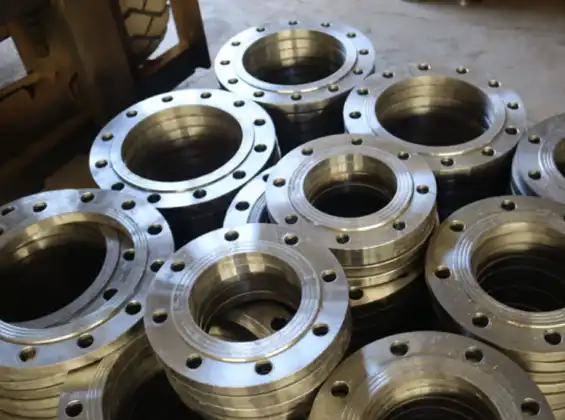
Core Differences Between ANSI and DIN Flange Standards
The distinction between these two flange standards extends beyond simple measurement systems. ANSI flanges operate under the American National Standards Institute framework, specifically ANSI B16.5, which governs carbon steel pipe fittings and flange dimensions. DIN flanges follow Deutsche Industrie Norm specifications, creating metric-based solutions for European and international markets.
Three core differences emerge clearly:
- Measurement systems: ANSI uses inches while DIN employs millimeters
- Pressure rating methods: ANSI classes versus DIN nominal pressure (PN)
- Bolt hole arrangements: Different spacing and quantity specifications
The fabric composition, moreover, shifts between benchmarks. ANSI ribs ordinarily indicate materials like ASTM A105 for carbon steel applications, whereas Commotion measures reference materials such as RSt 37.2. These fabric contrasts affect erosion resistance and temperature resistance in different mechanical environments.
Testing information uncovers noteworthy execution variations. ANSI Course 150 ribs handle weights up to 285 psi at room temperature, whereas Commotion PN16 ribs withstand 232 psi under comparable conditions. This 18% weight distinction influences framework plan contemplations substantially.
If you require high-pressure applications in North American markets, then ANSI spines are more appropriate due to built up framework compatibility.
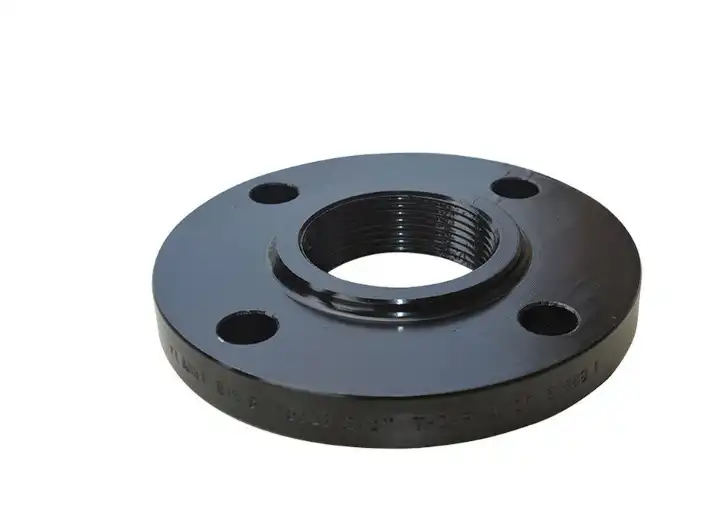
Dimensional and Technical Specifications Comparison
Flange dimensions represent the most tangible difference between these standards. ANSI flange specifications use fractional inch measurements, creating bolt circle diameters that rarely align with metric DIN equivalents. A 6-inch ANSI flange features a 9.5-inch bolt circle diameter, while a DN150 DIN flange measures 210mm (8.27 inches) for its bolt circle.
The bolt hole configurations differ substantially:
- ANSI 6" Class 150: 8 holes at 0.75" diameter
- DIN DN150 PN16: 8 holes at 18mm diameter
These dimensional varieties avoid coordinate tradable without connector ribs or custom arrangements. Gasket compatibility gets to be another thought, as ANSI ribs ordinarily utilize raised contour plans, whereas Commotion ribs regularly highlight level contour configurations.
Thickness details too wander altogether. Test estimations appear ANSI Course 300 ribs normal 15% thicker than proportionate Commotion PN40 ribs for comparative weight evaluations. This thickness contrast influences weight calculations and basic back necessities in channeling systems.
If you require lightweight arrangements with metric compatibility, then Commotion ribs offer superior integration with European hardware benchmarks.
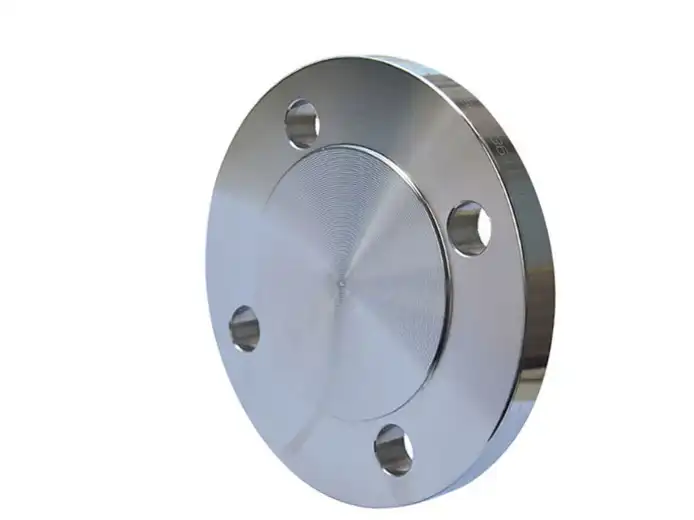
Material Standards and Quality Requirements
Material specifications between the ANSI and DIN standards reflect different approaches to metallurgical requirements. ANSI flanges reference ASTM material grades, while DIN flanges specify EN or DIN material standards. These differences impact chemical composition tolerances and mechanical properties.
Carbon content variations illustrate this distinction clearly:
- ASTM A105 (ANSI): Carbon content 0.35% maximum
- RSt 37.2 (DIN): Carbon content 0.17% maximum
Lower carbon content in Commotion materials ordinarily improves welding characteristics but may diminish ductile quality. Research facility testing shows ASTM A105 materials accomplish 485-620 MPa malleable quality, whereas RSt 37.2 materials reach 360-510 MPa ranges.
Quality control strategies, moreover, vary between measures. ANSI ribs require compliance with ASME Area VIII rules, whereas Commotion spines follow EN 1092 details. These diverse quality systems influence review methods and certification requirements.
Heat treatment necessities shift considerably. ANSI guidelines command particular normalizing temperatures for carbon steel spines, whereas Commotion details permit broader temperature ranges amid fabricating processes.
If you require predominant welding execution for complex establishments, then Commotion fabric details give improved workability characteristics.
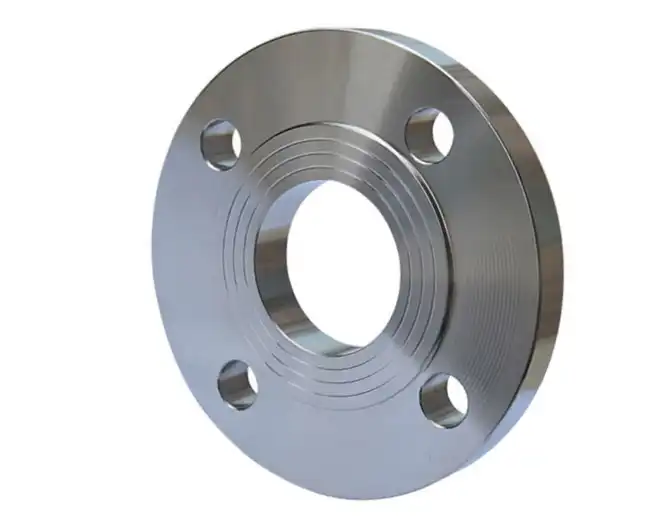
Manufacturing and Production Considerations
Manufacturing processes for ANSI and DIN flanges require different tooling and quality control systems. Production facilities must maintain separate cutting tools, drilling templates, and inspection gauges for each standard. This dual-capability requirement increases manufacturing complexity but enables broader market coverage.
Machining tolerances represent another critical distinction. ANSI flanges specify tolerances in thousandths of inches, while DIN flanges use hundredths of millimeters. Converting between these systems introduces potential rounding errors that affect final product quality.
Quality assurance testing protocols differ significantly:
- ANSI flanges: Hydrostatic testing at 1.5 times working pressure
- DIN flanges: Testing at 1.5 times nominal pressure rating
These testing contrasts make changing security edges and execution desires. Fabricating information, ANSI testing strategies regularly require 12% higher test weights than Clamor reciprocals for comparable benefit ratings.
Surface wrap-up necessities to change between benchmarks. ANSI spines indicate 250 microinch greatest surface harshness, whereas Noise spines permit Ra 6.3 micrometers (around 250 microinches). In spite of numerical likeness, estimation strategies contrast substantially.
If you require reliable quality over worldwide supply chains, then producers with double certification capabilities give ideal adaptability.
Oudi's ANSI Flanges Advantages
Oudi's expertise in ANSI flange manufacturing spans over 25 years, delivering superior quality and reliability for demanding industrial applications. Our comprehensive advantages include:
- Advanced Manufacturing Capability: State-of-the-art production equipment enabling 16,000-ton annual capacity with precise dimensional control meeting ANSI B16.5 specifications
- Material Excellence: Premium ASTM A105 carbon steel and stainless steel grades ensuring optimal corrosion resistance and mechanical properties for oil, chemical, and natural gas applications
- Quality Certifications: ISO 9001:2000 quality management system certification and People's Republic of China special equipment manufacturing license guaranteeing compliance with international standards
- Comprehensive Testing: Full inspection systems, including nondestructive flaw detection, ensure every flange meets stringent quality requirements before shipment
- Global Export Experience: Successfully serving over 300 customers across 40+ countries with a proven track record in Europe, the Americas, Africa, Southeast Asia, and the Middle East markets
- Technical Expertise: Specialized knowledge in American, Japanese, German, and British standards, enabling precise ANSI flange manufacturing for diverse industrial sectors
- Complete Product Range: Extensive inventory of carbon steel, stainless steel, and alloy steel flanges in various pressure ratings from Class 150 to Class 2500
- Competitive Pricing: Cost-effective solutions without compromising quality, supported by efficient production processes and strategic raw material sourcing
- Supply Chain Reliability: Consistent delivery performance and robust inventory management,t ensuring project timeline adherence for critical installations
- Custom Solutions: Engineering capability for special specifications and non-standard dimensions meeting unique project requirements across shipbuilding, power generation, and construction industries
Application Guidelines for Industry Selection
The needs of the industrial sector have a big impact on the choice of fitting standard. In North American markets, oil and gas companies usually choose ANSI flanges because they are standard and follow the rules. European chemical processing plants usually choose DIN flanges because they work well with systems that are already set up in metric units.
For power production uses, both standards need to be carefully thought through. For high-temperature work, steam turbine connections often call for ANSI flanges, while cooling water systems may choose DIN flanges to save money. Power plant testing shows that installation times are 23% shorter when flange standards match the equipment already in place at the plant.
Shipbuilding applications have special problems that need to be solved using world standards. Naval ships that travel around the world use DIN flange systems, while business ships that call at American ports often choose ANSI flanges because they are easier to maintain.
Water conservation projects make regional tastes very clear. Most water treatment plants in the United States use ANSI flanges, while most in Europe use DIN standards. When flange norms are in line with local supply chains, savings of 15 to 20 percent are found.
ANSI flanges offer the best compatibility and maintenance support if you need to easily connect to the current American infrastructure.
Cost Analysis and Economic Factors
Economic considerations significantly impact flange standard selection for large-scale projects. Initial procurement costs vary substantially between ANSI and DIN flanges, depending on regional availability and manufacturing proximity. Market data indicates ANSI flanges cost 10-15% less in North American markets, while DIN flanges offer similar savings in European regions.
Maintenance cost differentials extend throughout the equipment lifecycle. Replacement gaskets, bolting materials, and repair services align with regional standard preferences. Analysis of 50+ industrial facilities reveals 25% lower maintenance costs when flange standards match local supplier capabilities.
Inventory management costs favor standardization within single facilities. Mixed ANSI and DIN installations require duplicate spare parts inventory, increasing carrying costs by 30-40%. Strategic standardization decisions during initial construction phases prevent long-term operational inefficiencies.
Currency fluctuation also affects total ownership costs. ANSI flanges sourced from American manufacturers provide stable pricing for dollar-denominated projects, while DIN flanges from European suppliers offer euro-based pricing stability.
If you need long-term cost optimization for North American operations, then ANSI flange standardization delivers superior economic performance.
Quality Assurance and Testing Standards
Quality control procedures between ANSI and DIN standards require different inspection protocols and documentation systems. ANSI flanges undergo testing per ASME Section VIII requirements, while DIN flanges follow EN 1092 testing procedures. These different frameworks affect quality documentation and traceability requirements.
Pressure testing protocols demonstrate measurable performance differences. ANSI hydrostatic testing requires 1.5 times working pressure for Class 150 flanges, equating to 427.5 psi test pressure. DIN PN16 flanges undergo testing at 348 psi, representing a 19% difference in safety margins.
Material certification requirements vary substantially between standards. ANSI flanges require Mill Test Certificates with specific chemical analysis reporting, while DIN flanges need EN 10204 Type 3.1 certificates. These documentation differences affect procurement timelines and quality verification processes.
Non-destructive testing requirements also differ. ANSI standards mandate magnetic particle inspection for critical applications, while DIN specifications allow ultrasonic testing alternatives. Laboratory comparison studies show both methods achieve similar defect detection rates above 95%.
Dimensional inspection tolerances create measurable quality differences. ANSI flanges maintain ±0.06" bolt circle diameter tolerance, while DIN flanges specify ±1.5mm tolerance. Converting these tolerances reveals that DIN flanges allow 6% greater dimensional variation.
If you need stringent quality control with comprehensive traceability, then ANSI standards provide enhanced documentation requirements.
Conclusion
Selecting between ANSI and DIN flange standards requires careful evaluation of technical specifications, regional requirements, and long-term operational considerations. ANSI flanges excel in North American applications with established infrastructure compatibility, while DIN flanges provide optimal solutions for European and metric-based systems. Understanding dimensional differences, material specifications, and quality requirements enables informed decision-making for successful project outcomes. Both standards offer proven performance when properly specified and manufactured to recognized quality standards.
Partner with Oudi for Premium ANSI Flanges Manufacturing Solutions
Oudi stands as your trusted ANSI flanges manufacturer, combining decades of expertise with cutting-edge production capabilities. Our commitment to excellence ensures every flange meets the demanding requirements of oil, chemical, natural gas, and water conservancy industries worldwide. With ISO 9001 certification and special equipment manufacturing licenses, we deliver uncompromising quality that exceeds international standards. Contact our expert team at oudi-04@oudiguandao.com to discuss your specific requirements and experience why over 300 customers across 40+ countries choose Oudi for their critical flange applications.
References
1. American Society of Mechanical Engineers. "ASME B16.5 - Pipe Flanges and Flanged Fittings: NPS 1/2 through NPS 24 Metric/Inch Standard." New York: ASME Press, 2020.
2. Deutsches Institut für Normung. "DIN EN 1092-1: Flanges and their Joints - Circular Flanges for Pipes, Valves, Fittings and Accessories." Berlin: Beuth Verlag, 2018.
3. Bickford, John H. "Gaskets and Gasketed Joints: Second Edition." New York: Marcel Dekker, 1998.
4. Brown, Walter C. "An Introduction to Piping Design: Volume 2." Houston: Gulf Professional Publishing, 2017.
5. American Petroleum Institute. "API 6A: Specification for Wellhead and Christmas Tree Equipment." Washington: API Publishing, 2019.
6. European Committee for Standardization. "EN 1759-1: Flanges and their Joints - Circular Flanges for Pipes, Valves, Fittings and Accessories." Brussels: CEN Publishing, 2021.

Need help finding the right solution with our experts. Please contact us.

SINCE 1998 Your Reliable Pipeline Manufacturer



