High-pressure carbon steel elbow material specifications and grades
High-pressure carbon steel elbows are engineered pipe fittings designed to redirect flow in piping systems while withstanding extreme pressures up to 6000 PSI or higher. These critical components feature specific material grades like ASTM A234 WPB, WP11, and WP22, each formulated with precise carbon content ranging from 0.30% to 0.35% and enhanced with chromium-molybdenum alloys. High-pressure carbon steel elbow specifications must meet stringent ASME B16.9 dimensional standards and ASTM material requirements to ensure structural integrity in demanding industrial applications across the oil, gas, and petrochemical sectors.
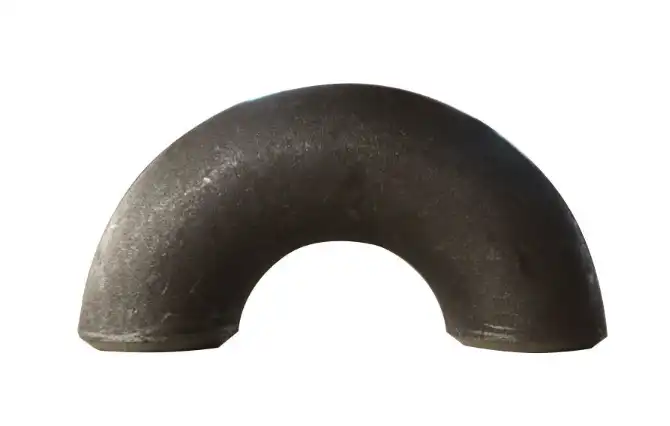
Understanding High-Pressure Carbon Steel Elbows: Material Specifications and Properties
Carbon steel elbows made for high-pressure uses have specific properties that come from the way they are made and the materials they are made of. These special fittings work well in pressure ranges from 1500# to 6000# class ratings, which is why they are essential to important industrial structures.
Essential Material Properties and Chemical Composition
Certain mechanical qualities of carbon steel make elbows strong enough to withstand high pressure. The carbon percentage is usually between 0.25% and 0.35%, which is the best range for a balance between strength and workability. Manganese levels of 0.60% to 1.65% improve hardenability and tensile strength, while silicon levels of 0.15% to 0.35% improve deoxidation. For high-pressure carbon steel elbow materials, the tensile strength ranges from 415 MPa to 585 MPa, based on the grade. Specifications for yield strength are usually between 240 MPa and 415 MPa, which gives enough safety gaps when the system is under stress. A minimum extension rate of 20% gives the material the flexibility it needs to not break easily when pressure is applied and removed.
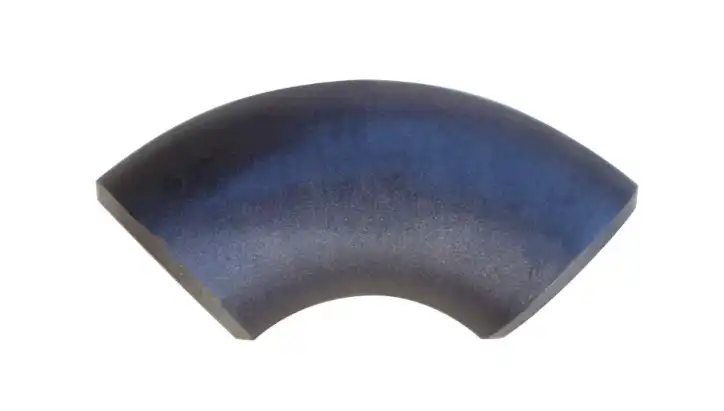
Pressure Rating Classifications and Performance Standards
For high-pressure uses, it's important to have a good idea of pressure class grades and the wall thickness needs that go with them. Class 1500 elbows can handle up to 1480 PSI of working pressure at room temperature, while Class 3000 elbows can handle up to 2220 PSI of working pressure at the same temperature. Class 6000 elbows that can handle 4440 PSI working pressure are used in the toughest situations. Temperature derating factors have a big effect on how much pressure something can hold. At a working temperature of 400°F, pressure ratings drop by about 15% compared to numbers at room temperature. When choosing the right elbow specs for thermal cycling uses in power generation and petrochemical processing, this link becomes very important.
Industry Standards and Certification Requirements
As long as the manufacturing process follows ASME B16.9, the dimensions will be correct, and the pressure-temperature rates will meet industry standards. The chemical make-up, mechanical qualities, and testing methods for ASTM A234 materials are regulated by its standards. ISO 15590 gives more rules for using oil and natural gas, and NACE MR0175 talks about how to keep sulfide stress cracks from happening in bad service settings. Protocols for quality assurance include hydrostatic tests at 1.5 times the maximum pressure, x-rays of areas of high stress, and records of how the materials were made. These thorough testing programs give procurement workers faith in the stability of the products they buy and their compliance with regulations.
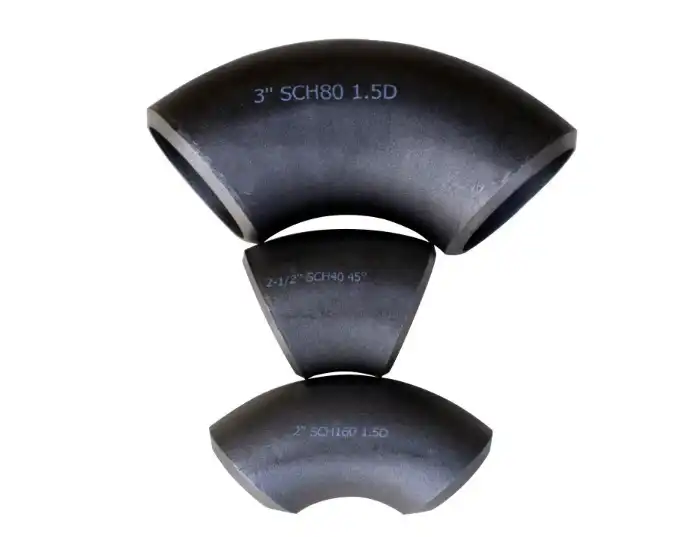
Grades and Dimensions of High-Pressure Carbon Steel Elbows: What You Need to Know?
Choosing the right material grade has a direct effect on how well high-pressure pipe systems work and how long they last. Knowing how grade specifications relate to operational needs helps you make the best choices about what to buy, taking into account both cost and dependability.
Common High-Pressure Carbon Steel Grades
Most of the time, ASTM A234 WPB is the grade that is used for moderately high-pressure uses. Its chemical makeup has a maximum of 0.30% carbon and equal amounts of silicon and manganese, so it works well at temperatures up to 400°F. This grade is good for general industry uses where cost-effectiveness is still important. The chromium-molybdenum additions in WP11 grade make it stronger at high temperatures and less likely to creep. Because it has 1.25% chromium and 0.50% molybdenum, it can withstand service temperatures of up to 1000°F and still keep its shape under pressure. Power plants often ask for WP11 for their high-temperature process pipes and steam transfer systems.
With 2.25% chromium and 1.00% molybdenum, the WP22 grade has a higher metal content and can handle the toughest high-pressure and high-temperature tasks. When temperatures get close to 1200°F, this grade works well, and it also has great corrosion protection in harsh settings. WP22 is used for important service uses in petrochemical factories and chemical processing plants.
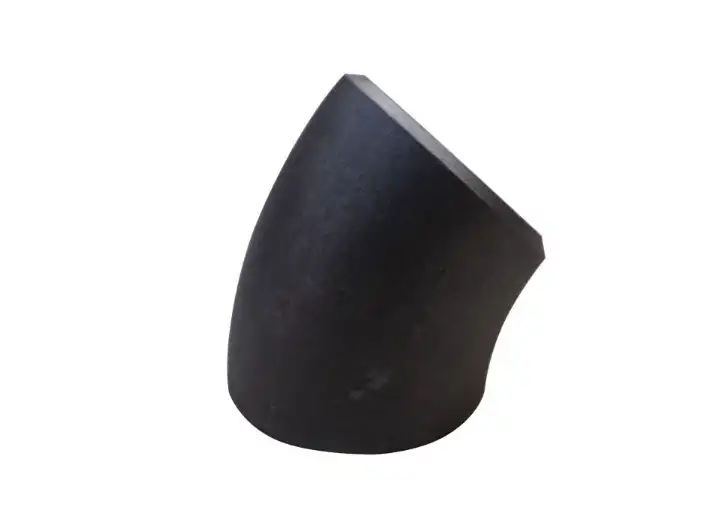
Dimensional Specifications and Tolerances
Nominal pipe size (NPS) ranges for high-pressure carbon steel elbow goods are 1/2 inch to 48 inches, so they can meet a wide range of industrial piping needs. The estimates for wall thickness are based on the ASME B31.3 pressure design formulas, which include safety factors and corrosion limits that are right for the working conditions. Standard elbow shapes come with bend angles of 45 degrees and 90 degrees, as well as long radius (1.5D) and short radius (1.0D) choices. Long radius shapes are better for high-velocity uses because they reduce pressure drop and erosion. When there are layout limitations, short radius versions can save room.
Tolerances in manufacturing keep the outside diameter measurements within ±1/32 inch of accuracy and the wall thickness within ±12.5% of difference. The center-to-end measurements are in line with ASME B16.9 standards, which means they will work with normal pipe parts and make fitting easier.
Pressure Rating Correlation with Grade Selection
The relationship between the grade of the material and its ability to withstand pressure helps specify the right options for each working situation. WPB grade elbows work well with Class 1500 uses and have enough safety margins for modest pressure services. WP11 materials support Class 2500 and limited Class 3000 applications, particularly where elevated temperatures exist. WP22 grade selections enable the highest pressure ratings, including Class 6000 applications in demanding industrial environments. The higher alloy percentage gives it better strength and thermal stability, which are needed for harsh working circumstances. This capability comes with higher material costs that need to be carefully weighed against the benefits for operations.
Comparing High-Pressure Carbon Steel Elbows with Other Materials
When choosing a material, it's important to look at its performance, how much it will cost, and how reliable it will be in the long run. By knowing the pros and cons of each elbow material, you can make smart purchasing decisions that will improve the results of your project.
Carbon Steel versus Stainless Steel Performance
While offering adequate corrosion protection in many industrial uses, high-pressure carbon steel elbow products offer significant cost savings when compared to stainless steel options. Carbon steel maintains superior strength-to-cost ratios, making it attractive for large-scale projects where budget considerations influence material selection. Different types of stainless steel work better in acidic settings than carbon steel, which breaks down more quickly. The chromium in stainless steel types protects against rust layers, which means they last longer in acidic or chloride-rich environments. Stainless steel products, on the other hand, usually cost 200% to 400% more than carbon steel types that are the same. The way these materials handle changing temperatures is different, with carbon steel having lower thermal expansion factors. This trait lowers thermal stress in pipe systems that go through big changes in temperature, which could make the fatigue life longer in cycle applications.
Alloy Steel Alternatives and Trade-offs
Alloy steel elbows combine the best features of carbon steel and stainless steel, adding certain alloying elements to improve certain qualities. Chromium-molybdenum metals make things stronger at high temperatures and better able to handle hydrogen, which makes them good for use in refineries. The prices of alloy steel materials are between those of carbon steel and stainless steel. They are usually 150% to 250% of the prices of carbon steel. This middle-of-the-road price range is often a good choice when specific efficiency improvements require more money. Different types of alloys have different weldability properties, and some grades need to be heated up first and then heated again after the welding process. When procurement professionals write specifications, they need to think about how these extra processing needs can affect project prices and installation plans.
How High-Pressure Carbon Steel Elbows Are Manufactured and Tested?
The way that high-pressure elbow goods are made has a direct effect on their mechanical features, how accurate their dimensions are, and how reliable they are. Knowing about these production methods helps you understand why quality varies and figure out what a company can do.
Manufacturing Process Overview
Hot forming is the main process for making high-pressure carbon steel elbow products. This involves heating carbon steel billets and shaping them with hydraulic pressing or mandrel bending. The controlled heating process keeps the material's flexibility while shaping the elbow shape. This keeps stress clusters from forming that could weaken the pressure capability. Heat treatment methods are based on the needs of the material and usually include normalizing operations to improve the structure of the grains and reduce forming pressures. Controlled cooling rates make sure that the mechanical properties are the same across the whole length of the elbow wall. This means that the performance stays the same when pressure is applied. During the manufacturing process, quality control methods include checking the dimensions, the state of the surface, and the material's properties. Statistical process control is used in advanced manufacturing facilities to keep product quality uniform and variation between production runs to a minimum.
Comprehensive Testing and Quality Assurance
Nondestructive testing (NDT) procedures check the soundness of the structure without harming the product's ability to be used. Ultrasonic thickness measurement checks that the wall thickness is constant, and magnetic particle screening finds surface cracks that could lead to fatigue cracks. A x-ray shows that there are bodily problems in places with high levels of stress. In hydrostatic pressure testing, each elbow is put under 1.5 times its maximum working pressure for set amounts of time. This proves that it can handle pressure. This set of tests finds problems with the way the product was made and makes sure the pressure limit is solid before it is shipped. Each product comes with material traceability paperwork that includes a chemical composition analysis, mechanical property test results, and records of the production process. This detailed paperwork lets end users check that the project specs and legal requirements are being met.
Procurement Guide: Selecting, Buying, and Sourcing High-Pressure Carbon Steel Elbows
Strategic methods for buying make the most of cost-effectiveness while also ensuring the quality of the goods and their timely delivery. To successfully source important pipe parts, you need to know how to evaluate suppliers and how the market works.
Supplier Evaluation and Certification Requirements
ISO 9001 quality control systems are used by reputable manufacturers to show that they are dedicated to consistently high product quality and customer happiness. Extra approvals, like an ASME "S" stamp, show that the company is able to make pressure limit components that meet strict safety standards. Assessments of manufacturing facilities look at the scientific know-how, production tools, and quality control methods. Advanced factories use CNC machine centers, automatic welding systems, and high-tech testing tools that make products more consistent and lower the variation in how they are made. Reliability in the supply chain is important for planning projects and keeping track of goods. Manufacturers that have been around for a while and have a good track record can guarantee on-time shipping and technical help throughout the buying process.
Cost Optimization and Contract Strategies
It is common for huge projects that need a lot of high-pressure carbon steel elbow goods to get big discounts when they buy in bulk. Manufacturers usually have tiered price systems that give lower unit costs to customers who buy more. Long-term supply deals can keep prices stable and make sure that capacity is used properly when demand is high on the market. These agreements are good for both buyers and sellers because they make it easier to see what people want and predict costs over long periods of time. Lead times depend on the details of the product, the number of orders, and the factory's ability to make them. Standard setups usually ship between 4 and 6 weeks, while custom specs can take up to 12 weeks to finish. Planning for buying ahead of time keeps projects on track and cuts down on the costs of expediting.
Conclusion
To choose the right high-pressure carbon steel elbow specs, you need to carefully think about the material grades, the size needs, and the performance needs of the application. By knowing how chemical makeup, mechanical qualities, and pressure capabilities are connected, you can make smart purchasing choices that balance the need for reliability with cost-effectiveness. Quality control during production, testing methods, and source certifications all add to the confidence that a product will work well in important industry settings. Strategic methods for buying, such as evaluating suppliers and making the best use of contracts, help projects succeed while keeping the total cost of ownership as low as possible.
FAQ
What material grades work best for oil and gas applications?
The ASTM A234 WPB grade works very well in oil and gas uses with modest pressure and temperatures up to 400°F. For services at temperatures up to 1000°F, WP11 grade is better, while WP22 grade is best for the toughest high-pressure, high-temperature jobs in industrial and plant settings.
How do ASME and ASTM standards ensure elbow quality?
The ASME B16.9 standard sets the sizes, pressures, and production tolerances. The ASTM A234 standard sets the composition, mechanical qualities, and testing methods for materials. While giving design engineers accurate information about performance, these guidelines make sure that makers all make the same high-quality products that can be used interchangeably.
Can manufacturers provide custom dimensions and grades?
For non-standard sizes, special alloy compositions, and unique bend shapes, most well-known makers give customization choices. Custom goods usually have longer wait times and lower minimum order amounts, but they can be used for specific tasks that standard products can't.
Partner with Oudi for Premium High-Pressure Carbon Steel Elbow Solutions
Oudi makes great high-pressure carbon steel elbow products, and they have ISO 9001 approval and full quality assurance systems to back them up. Our advanced production skills allow us to make 16,000 tons of goods every year. We send these goods reliably and at low prices to over 300 customers in 40 countries. As a reliable company that makes high-pressure carbon steel elbows, we offer full material traceability, detailed testing records, and expert help for the whole duration of your project. Contact oudi-04@oudiguandao.com right away to talk about your unique needs and get full quotes for your high-pressure piping projects.
References
1. American Society of Mechanical Engineers. ASME B16.9 - Factory-Made Wrought Buttwelding Fittings. ASME International, 2018.
2. ASTM International. ASTM A234 / A234M - Standard Specification for Piping Fittings of Wrought Carbon Steel and Alloy Steel for Moderate and High Temperature Service. ASTM International, 2019.
3. Mohitpour, M., Golshan, H., and Murray, A. Pipeline Design & Construction: A Practical Approach. American Society of Civil Engineers, 2007.
4. Nayyar, M.L. Piping Handbook. McGraw-Hill Professional, 2000.
5. Singh, K.P. and Soler, A.I. Mechanical Design of Heat Exchangers and Pressure Vessel Components. Arcturus Publishers, 1984.
6. Winters, W.I. and Eiber, R.J. Analysis of Girth Weld Defects in High-Pressure Gas Transmission Pipelines. Pipeline Research Council International, 1995.

Need help finding the right solution with our experts. Please contact us.

SINCE 1998 Your Reliable Pipeline Manufacturer



