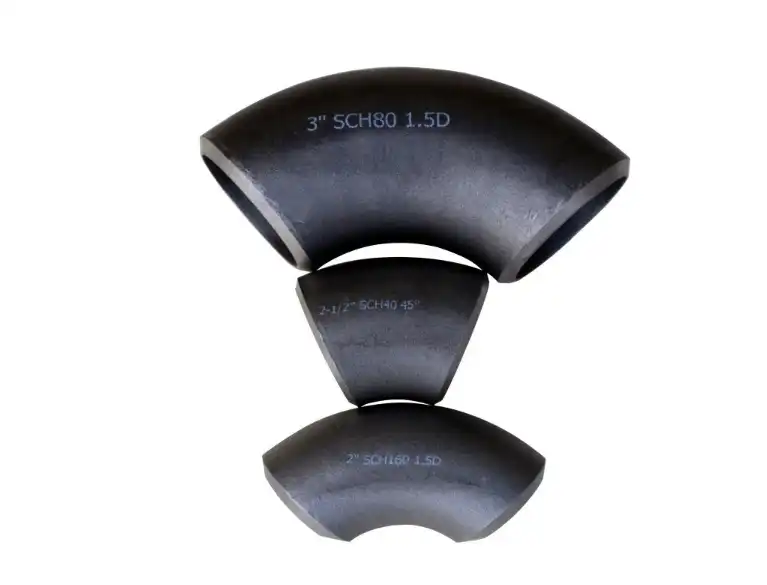
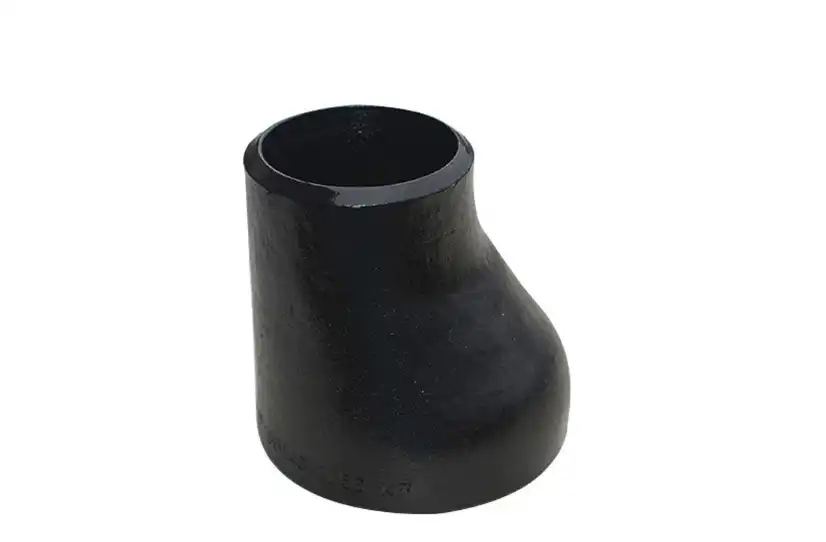
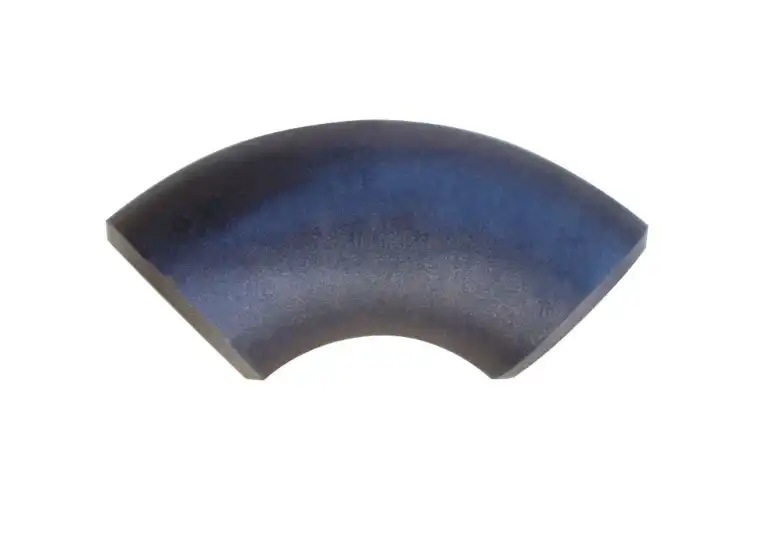
What is the purpose of galvanizing carbon steel for elbows?
The purpose of galvanizing carbon steel for elbows is to provide superior corrosion protection and extend service life in challenging industrial environments. Galvanized carbon steel elbow fittings receive a protective zinc coating that acts as a sacrificial barrier, preventing rust and oxidation when exposed to moisture, chemicals, and atmospheric elements. This process significantly enhances durability compared to standard carbon steel while maintaining cost-effectiveness for large-scale industrial applications across oil, gas, water treatment, and construction sectors.
Understanding Galvanized Carbon Steel Elbows
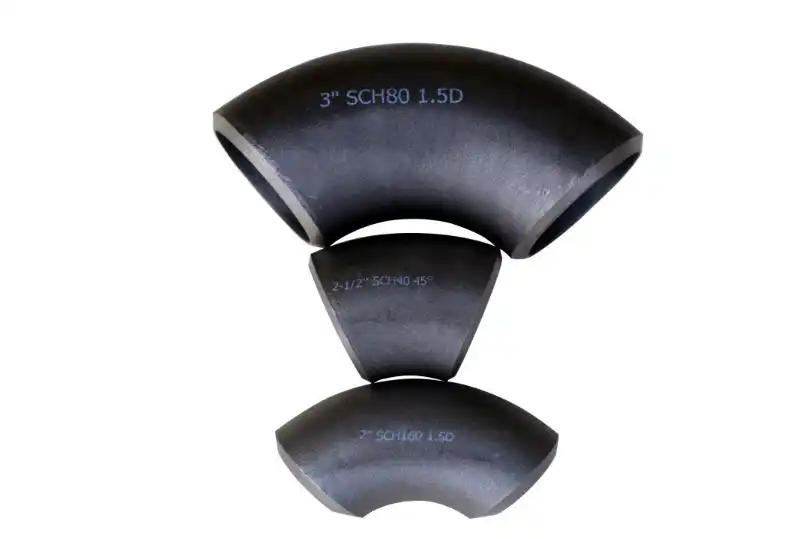
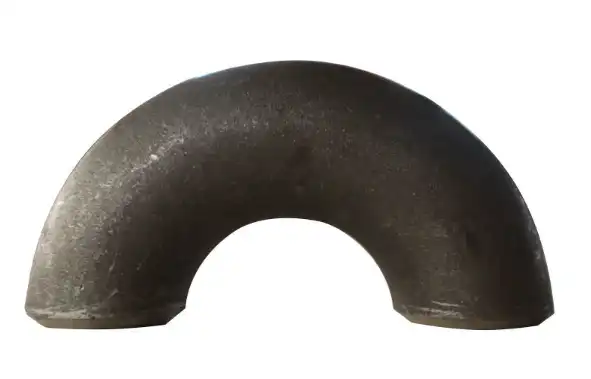
Galvanized carbon steel elbow fittings are designed pipe parts made from high-quality carbon steel (usually ASTM A53, A106, or A234 WPB) that have a protective zinc finish added to them. These important parts change the flow of fluids inside pipe systems and keep the structure strong even when pressure and external stress are put on it.
Common Configurations and Specifications
In industrial settings, different common designs are often used to meet the needs of different projects. The most typical configuration is still the 90-degree elbow, which lets pipelines change directions perpendicularly. It is best to use long-radius 90-degree bends for high-flow uses because they reduce pressure drop and turbulence. When compared to tighter curves, the 45-degree elbow lets you change directions moderately while keeping the flow smooth.
The standard sizes range from 1/2 inch to 48 inches in diameter, and the pressure levels match Schedule 40, Schedule 80, and Schedule 160 categories. The sizes and qualities of materials are controlled by international standards like ASTM A234, ANSI B16.9, and EN 10253.
Manufacturing and Galvanization Processes
The Galvanized carbon steel elbow in the production process is to shape the carbon steel elbow using hot pressing or mandrel bending. To get the curve you want, hot pushing includes heating pieces of carbon steel pipe and driving them through special dies. This method makes elbows that are seamless, have uniform wall thickness, and have better mechanical qualities.
Two main types of galvanization make things less likely to rust. In hot-dip galvanizing, finished elbows are put into pools of molten zinc that are hotter than 830°F. This forms thick metal links that are usually between 45 and 100 microns thick. Electro-galvanizing uses electrochemical deposition to add smaller zinc coats (3–15 microns), which creates smooth finishes good for threaded applications where accuracy in size is still important.
The Purpose and Benefits of Galvanizing Carbon Steel Elbows
Galvanization does a lot of important things that directly help with problems in industrial pipes. The zinc layer acts as a sacrificial anode, corroding more quickly to protect the carbon steel base below. This electrochemical protection stays in place even if the coating gets slightly damaged, giving it self-healing properties that painting options don't have.
Corrosion Resistance and Environmental Protection
Pipe systems in factories have to deal with harsh conditions like wetness, chemical fumes, and changes in temperature. When galvanized coats are exposed to air, they form layers of zinc carbonate and zinc hydroxide, which act as extra defenses. According to research, galvanized coats that are put correctly can last 50 to 100 years without needing to be fixed.
The expected service life is directly related to the amount of the layer. When used in sea settings, hot-dip galvanized carbon steel elbow fittings usually last between 15 and 25 years. When used indoors, they may last much longer. This longer life span lowers the cost of replacement and keeps system downtime to a minimum.
Comparative Analysis with Alternative Materials
When comparing galvanized carbon steel to other products, a cost-benefit study shows that it has big benefits. Stainless steel elbows are 3–5 times more expensive than galvanized ones, but they don't work much better in areas with minor corrosion. Painted carbon steel needs regular upkeep and a new finish every 5 to 7 years, which raises the cost over its lifetime.
Black steel elbows are cheaper to buy at first, but they need to be protected right away in places where corrosion is a problem. Galvanized elbows don't need coatings to be put in the field, which cuts down on installation time and ensures uniform safety quality. Additionally, the zinc layer is great at sticking paint on when extra defense is needed.
Industry-Specific Applications
Galvanized elbows are good for water supply lines because they don't rust and can handle drinkable water. For distribution networks, municipal utilities use zinc parts because they last a long time and are reliable. Galvanized elbows are used in HVAC systems with water draining where moisture is present all the time.
Galvanized elbows are used in oil and gas processing plants and gathering systems where moderate rust protection is enough. Galvanized fittings are used in fire protection systems, the distribution of compressed air, and utility pipes in industrial building projects where cost-effectiveness and reliability are important.
How to Evaluate and Choose the Right Galvanized Carbon Steel Elbow for Your Project?
When making a procurement choice, technical specifications, quality standards, and the supplier's skills need to be carefully looked at. The working pressure, temperature ranges, and fluid compatibility needs determine the material type. The normal grade for mild pressure uses is ASTM A234 WPB. Higher-strength grades are available for specific situations.
Quality Assessment Criteria
Assessing the quality of a coating includes a number of different screening criteria. Magnetic induction scales are used to check the thickness of the zinc covering and make sure it meets the standards. Adhesion testing shows that the zinc and steel surfaces are properly metallurgically bonded. Testing with salt spray according to ASTM B117 confirms that the corrosion protection works well in fast-paced circumstances.
For threaded galvanized joints, thread quality is very important. The galvanizing process can't mess up the thread contact or the limits for size. Quality providers use L1 ring gauges to make sure that pitch precision and taper conformance are met when measuring threads.
Supplier Evaluation and Certification Requirements
Suppliers with a good reputation keep full quality management systems, such as ISO 9001 approval and licenses to make special tools. These certificates show that the company is committed to maintaining quality control from the time it buys raw materials until it delivers the finished product.
The ability to test shows how knowledgeable and reliable a source is. Advanced providers have their own testing labs that are equipped with spectrometers to check the quality of the material, pressure testing tools to check the integrity of the product, and systems for measuring the thickness of the coating to make sure the quality is high. When in-house testing skills aren't enough for specialized testing, third-party testing relationships provide extra confirmation.
Installation and Maintenance Guide for Galvanized Carbon Steel Elbows
Using the right fitting methods will protect the galvanized finish and make sure it works at its best. A pre-installation check finds any shipping damage or paint flaws that need to be fixed before the system is put together. Handling methods use the right moving tools and safety precautions to keep coating damage to a minimum.
Installation Best Practices
Galvanized carbon steel elbow: certain steps need to be taken to keep the layer from wearing off and exposing workers to zinc fumes. When welding, proper air systems get rid of zinc fumes that could be dangerous. When you apply a zinc-rich filler after welding, you can fix areas that have lost their safety because of the heat.
When threading, you need to be very careful not to damage the layer and make sure the seal is intact. Thread oils that work with metal surfaces keep things from rubbing together and cause galling while they are being put together. Because over-tightening can damage threads and weaken joints, torque specs are very important for a good installation.
Maintenance Protocols and Inspection Guidelines
Scheduled regular inspections find possible problems before they cause a lot of damage. Visual inspections find signs of covering wear, mechanical damage, and early signs of rust. White rust means zinc is oxidizing without putting the base at risk, while red rust means the coating is failing and needs quick care.
Cleaning methods keep the look and function of coatings. Mild cleaning solutions get rid of dirt on the surface without hurting zinc coats. Abrasive cleaning methods can remove protective layers, so you should stay away from them. Protective wax treatments improve the way something looks and add more moisture barriers in harsh settings.
Procurement Insights: Buying Galvanized Carbon Steel Elbows Wisely
Strategic ways of buying things get the best value for money while still delivering quality and on time. Market research shows how the costs of raw materials, the amount of production that can be done, and changes in world demand affect price trends. Zinc prices have a direct effect on the cost of galvanizing, and steel metal markets have an effect on the cost of base materials.
Sourcing Strategies and Supplier Management
Multiple buying methods keep prices low while lowering the risks in the supply chain. When routine needs are met, primary providers always meet them in terms of quality and service. Secondary providers offer extra capability and cost-effective options for specific needs. Emergency providers make sure that business keeps going even when demand spikes or supply problems happen out of the blue.
Managing lead time becomes very important for making sure that project schedules go well. Standard galvanized carbon steel elbow configurations take two to four weeks to deliver, while special orders can take six to eight weeks. Inventory planning weighs the costs of keeping items in stock against the risk of running out, especially for important uses where delays have big effects on the project.
Pricing Dynamics and Negotiation Strategies
When the market is tight, volume agreements are often the best way to get better price terms and priority allocation. Annual contracts keep prices stable and make sure there is a steady supply. Flexible standards let providers make the best use of their production resources, which could lead to lower costs through chances for standardization.
Quality fees are a reflection of stricter rules for testing, licensing, and tracking. During value engineering talks, ways to cut costs that don't hurt performance needs are found. A total cost of ownership study looks at all the costs, like installation, upkeep, and replacement, that come after the initial purchase price.
Conclusion
Galvanized carbon steel elbow of industry settings, galvanizing carbon steel elbows is the most cost-effective way to protect pipe systems from rust. The zinc coating process makes parts last longer, requires less upkeep, and is more cost-effective than other materials in mild corrosion conditions. Knowing the advantages of galvanization, the right selection criteria, and the best ways to buy things lets you make smart choices that improve project results while keeping costs low over their lifetime.
FAQ
What environments are galvanized carbon steel elbows most suitable for?
Galvanized carbon steel elbow fittings work very well in places with minor corrosion, like indoor facilities, water distribution systems, and situations where they are exposed to the air. They work great in places where the pH stays between 6 and 12 and the salt level stays below 500 parts per million. But places that are very acidic or that are constantly submerged in harsh chemicals may need different materials, like stainless steel.
How does hot-dip galvanizing differ from electro-galvanizing for elbows?
By immersing metal in liquid zinc, hot-dip galvanizing makes thick zinc coatings (45–100 microns) that protect against rust better and last longer. Electro-galvanizing uses electrochemical deposition to apply thinner coats (3–15 microns), which gives exact control over dimensions and smooth finishes that are perfect for threaded applications. Electro-galvanizing is good for indoor, precise-fit needs, while hot-dip galvanizing is better for outdoor uses.
What is the expected service life of galvanized coatings on steel elbows?
Service life depends a lot on the climate and the amount of coating. For indoor uses, the product should last 50 to 100 years without any upkeep, while in marine settings, it may last 15 to 25 years. Industrial settings with mild chemical exposure usually give steady performance for 20 to 40 years. These times can be greatly extended by regular review and upkeep.
Can galvanized carbon steel elbows be welded safely?
When welding galvanized elbows, you need to be careful because zinc fumes are produced. During welding, vapors that could be dangerous must be removed by proper air systems. Heat-damaged areas can get their security back with zinc-rich primers after the join. To keep the galvanized coating's structure, many users use mechanical connecting methods like threading or flanging.
Partner with Oudi for Premium Galvanized Carbon Steel Elbow Solutions
Oudi is the welded carbon steel elbow provider you can trust. Since 1998, they have been providing excellent quality and dependability. Our factory is very modern and makes 16,000 tons of approved pipe parts every year that meet ASTM, ANSI, JIS, DIN, and BS standards. With ISO 9001:2000 certification and special equipment manufacturing licenses, we guarantee consistent quality from choosing the raw materials to the final inspection because we are ISO 9001:2000 certified and have licenses to make certain types of tools.
Our comprehensive product range includes standard and special galvanized carbon steel elbow configurations made for tough industrial uses. High-tech production tools and strict quality control systems make sure that every part you order meets your exact needs. We have more than 300 customers in more than 40 countries, and we offer great prices, reliable shipping, and expert help.
Email our expert team at oudi-04@oudiguandao.com to talk about your unique needs and get quotes in more detail. Let Oudi's years of experience and global supply chain help your next project succeed with high-quality galvanized pipe options.
References
1. American Society for Testing and Materials. "Standard Specification for Carbon Steel Fittings, Pipe, Flanged and Threaded." ASTM A234/A234M-20, 2020.
2. British Standards Institution. "Specification for Steel Pipe Fittings for the Petroleum Industry." BS EN 10253-2:2008+A1:2013, 2013.
3. International Organization for Standardization. "Hot Dip Galvanized Coatings on Fabricated Iron and Steel Articles." ISO 1461:2009, 2009.
4. National Association of Corrosion Engineers. "Galvanic Corrosion and Cathodic Protection in Industrial Applications." NACE Publication 5A292, 2018.
5. Steel Construction Institute. "Durability of Hot Dip Galvanized Steel in Structural Applications." SCI Publication P146, 2017.
6. American National Standards Institute. "Pipe Threads, General Purpose." ANSI/ASME B1.20.1-2013, 2013.

Need help finding the right solution with our experts. Please contact us.
SINCE 1998 Your Reliable Pipeline Manufacturer