Anti-Corrosion Pipe Elbows for Harsh Environments
Carbon steel pipe bends are an important part of industrial plumbing because they make sure that fluids or gases flow smoothly. In harsh settings, where corrosion can weaken systems and cause expensive downtime and safety risks, these parts are especially important. In oil, gas, and water treatment plants, corrosion-resistant carbon steel elbows are essential because they are carefully designed to prevent oxidation and chemical attack. It can be hard for procurement workers to choose the right fittings. Knowing about the material qualities, protective treatments, and performance characteristics is important to make sure that the fittings work well and don't cost too much in the long run.
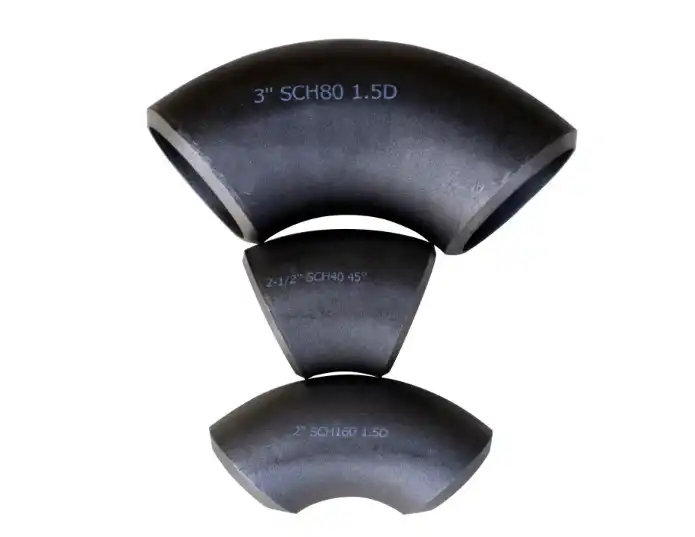
Understanding Corrosion-Resistant Carbon Steel Elbows
Corrosion in industrial pipes is a unique problem that needs solutions that balance power with resistance to the environment. There are two types of carbon steel elbows: butt welding elbows and socket elbows. Each is made for a certain type of link at a pipeline turn. Our plant mostly makes industrial elbows with smooth and straight seams that meet the most exacting needs.
What Makes These Elbows Corrosion-Resistant?
Corrosion-resistant carbon steel elbows are given their protective qualities through a variety of treatment processes. A high-quality industrial black paint or a special anti-rust oil is used as normal protection. Hot-dip galvanizing (HDG) according to ASTM A153 or special epoxy finishes that block aggressive media are excellent options for clients who work in harsh settings. These processes keep the mechanical strength of carbon steel while stopping rust.
Core Material Properties
Elbows made of carbon steel have great mechanical qualities, such as high tensile strength, long life under pressure, and tolerance to mechanical stress. The base material can handle temperatures from -29°C to 400°C, which makes it good for most industry uses. Adding protection coatings or heat treatment to these parts makes them more resistant to corrosion, which makes them last a lot longer than unprotected options.
Why Choose Carbon Steel Over Other Materials?
While stainless steel is naturally better at resisting rust, carbon steel elbows that have been coated properly offer similar protection at a much lower cost. Because they are so cheap, they are good for big projects in the oil, chemical, natural gas, and water conservation businesses. Because carbon steel is so flexible, the wall width and bend angles can be changed to meet different technical needs without affecting performance.
Types and Standards of Corrosion-Resistant Elbows
Knowing the different kinds of elbows that are out there helps buying teams make sure that the goods they buy meet the exact needs of the application. When making a choice, you have to think about things like bend angles, connection methods, wall thickness, and the right material types for the job.
Classification by Bend Angle and Connection Type
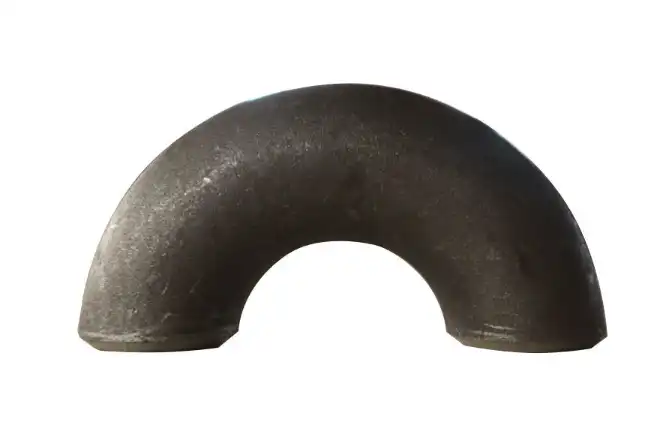
The most popular shape is a butt weld elbow, which comes in 45-degree, 90-degree, and 180-degree curves. Welding makes these parts fit together perfectly, making strong joints that won't leak and are good for high-pressure systems. Socket weld and threaded versions can be used for pipes with a smaller diameter or when upkeep needs to be done more easily.
International Standards Compliance
Following well-known rules helps ensure the quality of a product and makes foreign trade easier. We follow the rules set by ANSI B16.9, ASME B16.28, JIS B2311, DIN 2605, and BS when we make things. The ASTM standards say what materials can be made of, while the API standards are only for oil and gas uses. Compliance with NACE standards means that the product can be used in bad service settings that contain hydrogen sulfide.
Material Grade Options
For general use, we have carbon steel grades like ASTM A234 WPB. For cold service, we have low-temperature carbon steel A420 WPL6, and for high temperatures or corrosive situations, we have different alloy steel grades. Each grade goes through a lot of tests to make sure that its chemical makeup and mechanical qualities meet the criteria.
Application Across Industries
These elbows are used in chemical processing plants to handle acidic fluids like acids and alkalis. They are used in both the upstream and downstream processing processes at oil and gas sites. Marine uses need strong rust protection that can stand up to saltwater. These fittings are used in power plants' heating systems and cooling water lines, where dependability has a direct effect on how well the plant works.
Comparing Corrosion-Resistant Carbon Steel Elbows with Alternatives
When choosing the best material for an elbow, you need to think about more than just the price. A full comparison shows how well various materials work in terms of cost, resistance to rust, mechanical strength, and upkeep needs.
Performance Characteristics
Corrosion-resistant carbon steel elbows with protective coatings are a lot cheaper than stainless steel elbows and are good enough for most industrial settings when it comes to rust protection. Grades of stainless steel like 304 and 316 are better at resisting pitting and crevice rust, but they cost 300 to 500% more than carbon steel options. Options made of alloy steel that contains chromium and molybdenum fill in the gaps, offering better rust protection at reasonable prices.
Lifecycle Cost Analysis
Stainless steel fittings don't need much upkeep, but their high starting cost has a big effect on project funds. When properly maintained, corrosion-resistant carbon steel elbows with good coatings can last 15 to 20 years, making them a good choice for purchases that need to stay within a budget. The important thing is to match the type of covering to the harshness of the environment. Mild conditions allow cheap paint coats, while harsh media require hot-dip galvanizing or fusion-bonded epoxy.
Maintenance Requirements
Coated Corrosion-resistant carbon steel elbows need to be checked every so often to see if the coating is damaged or wearing away. Setting up inspection plans based on how things are working keeps small problems from getting worse and leading to expensive failures. Alternatives made of stainless steel require fewer inspections, but don't save much money because they are much more expensive to buy. When procurement professionals look at these pros and cons, they often decide that carbon steel is the best material for large-diameter, long pipe systems where material costs are the most important factor in the project's economics.
Procurement Guide: Buying Corrosion-Resistant Carbon Steel Elbows
To be good at buying, you need to know both the technical details and the business terms that affect the stability of the supply chain. When you strategically source corrosion-resistant carbon steel elbows, you need to think about a few important things that will help you reduce risk and maximize value.
Evaluating Supplier Credentials
Verification of quality management certifications gives customers faith in the regularity of the products they buy. ISO 9001:2015 approval shows that quality is controlled in a planned way, from receiving the raw materials to inspecting the finished product. Pressure-bearing parts must meet government safety standards when made by companies with special equipment manufacturing licenses. The ISO 9001:2000 quality management system certification and the People's Republic of China special equipment production license are both held by our company. This makes sure that our goods meet strict safety and quality standards.
Technical Capability Assessment
Precision manufacturing, which is needed for leak-free parts and uniform performance, is made possible by modern production equipment. Our yearly production capacity of 16,000 tons meets the needs of both big projects and pressing orders that need to be filled quickly. Full inspection systems and nondestructive testing tools make sure that measurements are correct and find flaws inside the product that can't be seen with the naked eye. This gets rid of any faulty items before they are shipped.
Export Experience and Documentation
Suppliers that work with customers all over the world know what the rules are for foreign shipping and provide the right paperwork. We've exported to more than 40 countries in Europe, the Americas, Africa, Southeast Asia, and the Middle East, so we know how to handle export papers quickly, which cuts down on customs delays. Self-management of import and export powers lets people talk to each other directly and respond more quickly to customer needs.
Customization Capabilities
Specifications that aren't standard are often needed for complicated projects. Manufacturers that offer customization services can work with different bend radii, wall thicknesses, or material grades that aren't shown in their catalogs. This adaptability is useful for adding new features to old systems or making designs work better in certain process situations.
Ensuring Long-Term Performance and Maintenance
To get the best return on investment, you need to pay attention after the initial placement. The service life and dependability of a system are greatly affected by how it is handled, installed, and maintained over time.
Installation Best Practices
Coating damage and wetness exposure can be avoided by storing things properly before installation. Installers should not drag covered elbows across rough surfaces, as this can damage the protective layers. Careful control of the heat during welding processes is needed to keep the layer from wearing away in nearby areas. Following the manufacturer's instructions for welding settings protects against corrosion without affecting the structure of the joint.
Preventive Maintenance Strategies
Setting up review plans based on how bad the operation is helps find new problems quickly. Visual checks find damage to the coating, while ultrasonic testing counts the leftover wall thickness to figure out when the coating will need to be replaced. Writing down inspection results makes maintenance records that help with future buying choices and finding the best inspection times.
Environmental Factors Affecting Corrosion
Temperature shifting speeds up the breakdown of coatings because of differences in how quickly they expand and contract. How bad chemical contact is depends on how much there is, how hot it is, and how long it lasts. Knowing the specifics of a place lets you choose a coating that will work with the difficulties of the surroundings. Coating experts can help facilities that deal with very harsh media by suggesting systems that have worked well in similar situations.
Emerging Protection Technologies
New advances in covering technology have made them work better and be more compatible with the environment. Nanocomposite layers are better at blocking things out while being thinner. When applied, water-based epoxy solutions lower the amount of volatile organic substances that are released. Keeping up with these changes helps procurement teams make sure that new projects and big repair projects get the best safety possible.
Conclusion
Corrosion-resistant carbon steel elbows are a useful option for industrial pipe systems that have to work in tough environments. Because they are made from the right materials, have good finishes, and follow international standards, these fittings work reliably in a wide range of situations. The right mix of mechanical strength, resistance to rust, and low cost makes treated carbon steel elbows very popular for big projects in the oil, chemical, natural gas, and water treatment industries. To make sure that goods meet both scientific and business needs, it's important to carefully evaluate suppliers, check their certifications, and know how they can be customized.
FAQ
What distinguishes corrosion-resistant carbon steel elbows from standard stainless steel options?
Instead of having corrosion-resistant qualities built into the steel itself, corrosion-resistant carbon steel elbows rely on protective coats or galvanizing. This method provides enough safety at a much lower cost than stainless steel, which makes carbon steel a good choice for big pipe systems. Stainless steel is better at resisting rust in harsh settings, but it costs a lot more, which affects buying choices based on cost and the severity of the corrosion.
Which industry standards verify quality for corrosion-resistant pipe elbows?
ASTM A234 sets the requirements for materials; ANSI B16.9 sets the requirements for sizes; and NACE MR0175 sets the requirements for bad service uses. ISO 9001 approval checks that manufacturing quality systems are working properly, and special equipment manufacturing licenses make sure that rules for pressure vessels are being followed. Procurement teams should check the certifications of suppliers and ask for test records on materials that show they meet certain standards for corrosion-resistant carbon steel elbows.
Can manufacturers customize carbon steel elbows for specialized chemical plant applications?
Manufacturers with a good reputation offer customization options such as non-standard sizes, different types of materials, and better finishing systems. Custom bend radii, wall thicknesses, and connection types can be made to fit the needs of any design. If you give makers specific information like the temperature, pressure, and chemicals that will be used, they can suggest materials and finishes that work best in that process for your corrosion-resistant carbon steel elbows.
Partner with a Trusted Corrosion-Resistant Carbon Steel Elbow Supplier
Cangzhou Oudi Pipe Manufacture Co., Ltd. has been making high-quality pipes for over twenty years and can help you with your industrial plumbing tasks. Our corrosion-resistant carbon steel elbows are made with high-quality materials, advanced production techniques, and tried-and-true protective finishes like hot-dip galvanizing per ASTM A153, high-grade industrial paint, and anti-rust oil. We know how hard it is to meet the needs of oil, chemical, natural gas, and water conservation uses because we have worked with over 300 customers in 40 countries. Our ISO 9001 certification and licenses to make special tools guarantee consistent quality, and our yearly capacity of 16,000 tons can handle projects of any size. Contact us at oudi-04@oudiguandao.com to talk about your needs with our expert technical staff, who can recommend optimal solutions for your corrosion-resistant carbon steel elbows.
References
1. American Society of Mechanical Engineers. (2020). ASME B31.3: Process Piping Design and Materials Selection Guidelines for Corrosive Service.
2. NACE International. (2019). Corrosion Control in the Oil and Gas Industry: Standards and Recommended Practices for Pipeline Components.
3. American Petroleum Institute. (2021). API Standard 5L: Specification for Line Pipe and Fittings in Sour Service Environments.
4. British Standards Institution. (2018). BS 1560: Steel Pipeline Fittings for the Petroleum Industry - Material Selection and Corrosion Protection.
5. German Institute for Standardization. (2020). DIN 2605: Steel Butt-Welding Pipe Fittings - Technical Delivery Conditions and Quality Requirements.
6. International Organization for Standardization. (2019). ISO 15156: Petroleum and Natural Gas Industries—Materials for Use in H₂S-Containing Environments in Oil and Gas Production.

Need help finding the right solution with our experts. Please contact us.

SINCE 1998 Your Reliable Pipeline Manufacturer



