Durable Steel Reducers for Pipeline Systems
When you're responsible for complicated industrial pipeline systems, like those used to refine oil, process chemicals, or clean water, every part must work as it should. Durable steel reducers, especially the Steel Concentric Pipe Reducer, are some of the most important but least thought-about parts. This cone-shaped part joins pipes of different sizes without any problems as long as they all share the same centerline. This makes sure that the flow changes smoothly in high-pressure and vertical lines. Understanding how concentric reducers improve fluid dynamics, fight rust, and work in tough conditions can make a big difference in how well and how long your pipeline lasts.
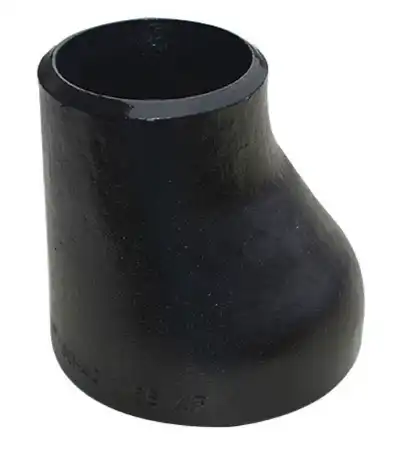
Understanding Steel Concentric Pipe Reducers
What Defines a Steel Concentric Pipe Reducer?
A steel concentric reducer is an important transition fitting that joins two pipes of different sizes while keeping their centerlines straight. This inline design makes a symmetrical cone shape that lets gases or fluids flow easily without causing turbulence areas or changes in pressure. The part is designed to have a uniform taper around its entire diameter, which is what makes it fundamentally different from its eccentric cousin. The strong structure of these reducers solves a number of problems that arise when current pipeline systems are used. The centerline orientation makes it easier to set up support structures for vertical setups. This lowers the vibration stress that can damage weld joints over time. The slow change in diameter cuts down on friction losses and keeps velocity profiles constant, which is very beneficial in power plants and industrial plants that deal with steam, compressed gases, or high-speed liquids.
Concentric vs. Eccentric Reducers: Understanding the Difference
The main difference between concentric and eccentric reducers is how their centerlines are aligned and what they are used for. Eccentric reducers move one side flat, either to the bottom of the pipe (BOP) or the top of the pipe (TOP), so air doesn't build up in horizontal pump flow lines. This is different from concentric reducers, which keep both ends on the same axis. Because of this difference in design, pipeline engineers must be aware of certain use cases to keep operations running smoothly. Concentric reducers work best in vertical pipe systems because gravity gets rid of air pockets naturally. This makes them perfect for pump output lines, vertical process tanks, and distributing steam above. When a concentric reducer is used in horizontal suction uses, it can cause air traps at the top of the fitting. Such air traps can cause cavitation, which hurts pump impellers and lowers the system's efficiency. Knowing these limits of use stops expensive construction mistakes and greatly increases the life of tools.
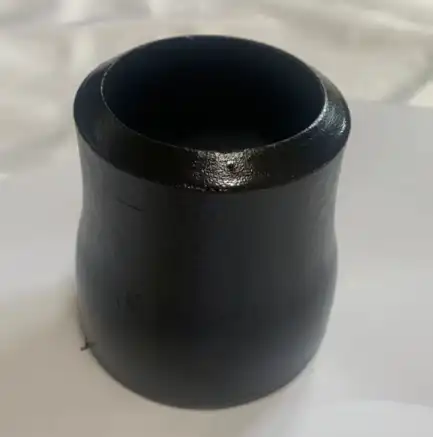
Material Options: Carbon, Stainless, and Alloy Steel
The choice of material for reducers depends on their use, fluid properties, and budget. Carbon steel reducers are popular in water distribution, building projects, and general industry settings because they are strong for the price and work well in mildly acidic and warm environments. Because they can be welded and come in different schedules (40, 80, and 160), they can be used for a range of pressure levels. Stainless steel reducers are better at resisting corrosion, which is important for chemical handling, food-grade systems, and coastal settings at sea. Grades like 304L and 316L can handle acidic liquids, salt contact, and high-temperature oxidation, all of which would quickly weaken carbon steel. Alloy steel reducers with chromium, molybdenum, or nickel can handle the high temperatures and pressures found in hydrocracking units, high-pressure steam systems, and boilers in power plants. The choice of material has a direct effect on how much it costs to maintain and how reliable the system is over time.
Dimensional Standards and Specifications
ASME B16.9 sets the dimensions of a reducer and controls face-to-face lengths based on the bigger pipe width. This standardization makes sure that products from different makers can be used together and makes buying things easier for global projects. The largest outside width is the only factor that affects the length of the reducer. This lets engineers safely choose parts without having to make special measurements for each use. The wall thickness usually matches the schedule for the larger pipe. However, in serious high-pressure situations, the smaller end may need tapered bores to match the thickness of the pipe further downstream. Standard bevel angles of 37.5° ± 2.5° make it easier to prepare a weld for lines with walls that are less than 22 mm thick. For deep-entry welding, thicker-walled fittings may need compound bevels. Knowing these specs helps buying teams check quotes from suppliers and make sure they work with existing pipeline infrastructure.
Key Benefits and Applications of Steel Concentric Pipe Reducers
Optimized Flow Management and Hydraulic Performance
The symmetrical, conical shape of steel concentric pipe reducers has big hydraulic benefits compared to shifts that change width quickly or aren't well thought out. The gradual taper keeps the speed profiles fixed as the cross-sectional area of the fluid drops. This stops the turbulence and eddy currents that waste energy and wear out parts too quickly. This smooth change is especially beneficial in systems that deal with slurries, thick fluids, or solids that are floating in liquids. If the flow is interrupted, these fluids can settle or get clogged. When there is a vertical release, concentric reducers handle the pressure drop that happens when the flow speed slows down in the bigger pipe part very well. The straight design spreads this change in pressure evenly around the pipe's outside, which lowers stress levels that can cause fatigue cracks. This feature makes pump discharge systems much better because they have fewer shaking problems and longer periods of time between upkeep. The hydraulic economy directly leads to lower running costs because the system requires less energy for pumping and experiences less downtime.
Exceptional Durability and Corrosion Resistance
Chemicals that break down metals and high temperatures, as well as mechanical stress and damage from fluids that contain particles, are always putting pressure on industrial pipeline systems. When properly stated, these things don't seem to affect the strength of quality steel reducers made to international standards. The choice of material, the heat treatment methods, and the surface finishes all help to make things last longer in harsh settings. Stainless steel choices don't rust or pit in chloride-rich environments like those found in coastal buildings and desalination plants. When carbon steel reducers are coated properly, they can resist rust from the outside air and keep their structural integrity when they are loaded and unloaded repeatedly. When reducers are made correctly, they don't have any thin spots that could become failure points. Furthermore, the smooth construction doesn't have any possible leak paths that are present in sectional connections. This makes them last longer, which cuts down on replacements and unexpected shutdowns that mess up production plans.
Diverse Industrial Applications
In many important industries, steel concentric reducers play important roles, and each one has its own performance needs. In oil and gas production, they are responsible for changing the flow in gathering systems, processing units, and export pipes. The amount of production that can be made depends on how reliable these systems are. Chemical companies depend on these fittings to keep the process running smoothly when they use acids, caustics, and chemicals that break down parts quickly. Concentric reducers are used in vertical pump installations, filter systems, and distribution networks where optimizing flow saves money on energy costs. They are used in boiler feedwater systems, steam transfer networks, and cooling water lines in power plants that work in high-temperature and high-pressure environments. Shipbuilding relies on small, dependable reducers for pipe systems inside ships, where limited room and corrosion from the sea make things difficult. This adaptability comes from the basic technical ideas that make concentric reducers work in a wide range of settings and configurations.
How to Select the Right Steel Concentric Pipe Reducer for Your Pipeline?
Evaluating System Requirements and Operating Conditions
To choose the right steel concentric pipe reducer, you should first do a full study of your pipeline system's features. The flow rates decide how fast the fluid moves through the reducer, which affects how to figure out the pressure drop and the chance of erosion. The operating pressure determines the wall thickness and grade of the material. Higher pressures need larger schedules or special steels with higher yield strength. When the temperature is very high, the choice of material is important. For example, carbon steel loses strength at temperatures above 400°C, but some types of stainless steel keep their properties up to 850°C. The properties of the fluid are also crucial in making decisions about specifications. For abrasive slurries, you may need hardened surfaces or bigger walls to stop corrosion, while corrosive media require stainless steel or a special metal. The best curve angle and length depend on the density and viscosity of the fluid, especially when working with heavy oils or concentrated solutions. For long-term dependability, environmental factors such as temperature ranges, earthquake standards, and the chance of corrosion in the air help narrow down the choices of materials and coatings.
Carbon Steel vs. Stainless Steel: Making the Right Choice
When rust protection is not the most important thing, carbon steel reducers are a cost-effective choice. They are exceptionally skilled at working with water, compressed air, and oil-based items that don't damage carbon steel. Because the materials are cheaper, the budget can be used for other system changes, and their easy weldability makes field placement easier. But carbon steel needs to be thoroughly prepared and coated before it can be used outside or in damp places to keep it from rusting. Stainless steel reducers are worth the extra money they cost up front because they last longer in corrosive conditions and need less upkeep. The chromium creates a passive oxide layer that fixes itself when scratched, protecting against rust naturally without the need for extra coatings. In industries like food processing, drug production, and chemical handling, where rusting products are not accepted, this trait is very useful. The choice of material should strike a balance between the initial cost and the costs over its lifetime, such as repairs, replacements, and lost production due to system breakdowns.
Supplier Selection Criteria: Ensuring Quality and Reliability
To find reliable suppliers, you need to check their quality control methods and manufacturing skills. ISO 9001 approval shows a dedication to consistent quality processes, and special equipment manufacturing licenses show that pressure tank parts are made in accordance with regulations. As part of a technical capability assessment, the production tools, inspection facilities, and quality control processes should be looked at from the time the raw materials are received until the final tests are done. Exporting to foreign markets shows that you know how to follow different sets of rules, such as ANSI, JIS, DIN, and BS, which set the rules for different regions. When a supplier can offer a wide range of products in different sizes, materials, and schedules, it makes buying easier by reducing the number of sellers who need to be used. When problems appear, warranty policies and after-sales support become very important because quick technical help minimizes project delays. Before taking shipments, make sure you check compliance by asking for mill test results, material certifications, and dimensional inspection records.
Installation and Maintenance Guide for Steel Concentric Pipe Reducers
Best Practices for Proper Installation
To install a steel concentric pipe reducer correctly, the pipe ends must first be carefully cleaned and inspected to make sure they are lined up correctly before welding. Get rid of mill scale, rust, oil, and other things that could affect the quality of the weld or cause flaws on all sides. Check that the bevel angles meet the requirements of the welding process. This will make sure that there is enough entry without too much support, which can cause stress raisers. Misalignment causes eccentric loads, which speed up fatigue failure, so use the right alignment tools to keep the centerline in place during the welding process. For proper welding, you should follow skilled instructions that are right for the type of material and the thickness of the wall. Carbon steel needs to be heated up before it can be used so that hydrogen cracks don't form in thick parts. Stainless steel, on the other hand, needs limited heat input to keep it from sensitizing and intergranular corrosion. In situations where pressure is important, it may be necessary to do a post-weld heat treatment to remove any remaining stresses and recover the qualities of the material that were changed by the welding thermal cycle. Before hydraulic pressure testing, make sure the weld is solid by using non-destructive testing like ultrasound, radiography, or dye penetrant inspection, as specified by the project.
Maintenance Protocols for Extended Service Life
Regular inspections find possible problems before they get worse and cause crashes that shut down operations without warning. Visual inspections show surface rust, coating wear, or mechanical damage from machines nearby. With ultrasonic thickness testing, the wall loss from internal rust or erosion is tracked, and readings are compared over time to figure out how long the service will last. Leak detection during operation shows problems with the weld or the material that needs to be fixed right away. Some ways to stop corrosion are to keep protective layers in good shape, keep fluid chemistry under control, and use cathodic protection when it's needed. Managing pressure through proper system design and regular upkeep of the release valve stops overpressure situations that put too much stress on parts beyond their design limits. Monitoring the temperature makes sure that the process stays within the ranges that the material can handle, since going above the design temperature speeds up creep deformation and rust. By writing down what was found during inspections, fixes, and replacements, you can create a maintenance history that can be used to improve efficiency and plan replacements in the future.
Troubleshooting Common Reducer Problems
Most of the time, leaks at reducer joints are caused by poor weld penetration, porosity, or cracks from heat or mechanical stress. Right away, a study is done to see if the pipe can be fixed or if it needs to be replaced, taking into account the code standards for welded pressure pipe repairs. Erosion patterns that show flow problems could be caused by river turbulence or the wrong direction of the reducer. To find the root causes, hydraulic analysis is needed. Problems with vibration are often caused by uneven support spacing, weak pipe grounding, or flow-induced resonance matching the natural rhythms of the system. To fix these problems, you might need to add more supports, earthquake dampers, or change the flow rate. Early rust could be caused by materials that don't work well with process fluids, coating systems that aren't good enough, or galvanic coupling between metals that aren't the same, which needs electrical separation. Using process knowledge, inspection data, and technical analysis to solve problems in a planned way speeds up the process and builds skills that can be used on future projects.
Procurement Insights: How to Source Steel Concentric Pipe Reducers Efficiently?
Understanding Pricing Factors and Lead Times
The price of steel concentric pipe reducers is based on the cost of materials, the difficulty of making them, and market factors that change with the price and demand of steel around the world. Most of the time, carbon steel fittings are much cheaper than their stainless steel or alloy steel counterparts. However, unusual materials used in specific situations will cost more. Size and schedule have huge effects on prices, since bigger, heavier reducers need more raw materials and more time to be machined. Custom specs, such as non-standard sizes or special tests, make things more expensive than catalog items that are made in large quantities. Lead times depend on how much material a seller has, how much they can make, and how complicated the order is. Standard sizes made of common materials can usually be shipped within a few weeks, but special fabrications may take up to a few months to get the materials, make, and test them. Long-lead items should be ordered ahead of time for critical path projects to avoid plan delays caused by parts not being available when they're needed. By building ties with suppliers who keep stock on hand, you can respond faster to pressing needs, but this may come at a higher cost for faster service.
Bulk Purchasing Strategies and Order Optimization
Buying in bulk can save you money because economies of scale lower the cost per unit. This makes bulk orders appealing for big projects or businesses that need them all the time. Manufacturers use tiered pricing, which means that as order quantities go above the minimum order numbers, the cost per unit goes down. But buying in bulk means you need to have enough store space, a way to keep track of your goods, and the money to buy things that you won't use until they're needed. Finding the best balance between the needs of the current project and those of the future project helps maximize cash flow and secures a good price. Freight costs and administrative work are cut by combining several small orders into one bigger package. Coordinating purchases across sites or projects lets you make larger orders and get big savings while also spreading inventory around the different places. Just-in-time delivery agreements with reliable providers cut down on the need for storage on-site while keeping projects on schedule. The framework deals with chosen vendors and sets standards for pricing, quality, and delivery that make it easier to make individual purchases during the time of the contracts.
Verifying Manufacturer Credentials and Capabilities
When choosing a source, being careful can help avoid quality problems, shipping delays, and compliance issues that could hurt the project's success. Ask for proof of quality qualifications, factory licenses, and compliance with industry standards that are important to your application. Look at case studies and customer examples that show experience with projects like yours, preferably in the same field. Site visits to manufacturing sites show more about the organization's skills, production powers, and quality control methods than what is shown in marketing materials. Check to see what kind of technical support the provider offers, such as engineering help, unique design services, and quick response times for fixing problems. When it comes to material certifications and dimensional checks, manufacturers who do their own tests are faster than those who use third-party labs. Check out the company's after-sales service, such as how they handle warranties, how easy it is to get new parts, and how they help with technical problems. Long-term value is created by forming relationships with capable suppliers that ensure uniform quality, on-time delivery, and teamwork in solving problems when they appear.
Conclusion
Pipeline systems in many fields, from petrochemicals to power production, depend on long-lasting steel reducers, especially those with a concentric design for steel pipe reducers. Due to their ability to handle changes in flow easily and their ability to work in harsh settings, they are essential to modern infrastructure. The best performance and life are guaranteed by making the right choice based on system needs, material compatibility, and provider capabilities. Knowing the best ways to put things and do maintenance will help you get the most out of your investment and cut down on unnecessary downtime. The buying tips in this article will help you find good parts quickly and cheaply while still meeting the needs for stability that protect your business.
FAQ
What distinguishes concentric reducers from eccentric reducers in practical applications?
Steel Concentric Pipe Reducers keep the centerlines of both pipe ends straight. This makes a perfect cone shape that works well for vertical pipes where gravity keeps air from building up. To get rid of air pockets in horizontal pump pressure lines and stop cavitation damage, eccentric reducers move one side out of the way. When you use concentric reducers on horizontal suction lines, they create air traps that hurt the performance of the pump. On the other hand, you can't use them on vertical lines because the shift changes the flow. Which approach stops practical problems depends on the application orientation.
How do I determine the correct wall thickness and schedule for my reducer?
The choice of wall thickness is based on the application's working pressure, temperature, and rust allowance needs. The schedule for the reducer usually fits the schedule for the bigger pipe so that the system's pressure ratings stay the same. For high-pressure uses, schedules may need to be larger, or the bore may need to taper at the smaller end to fit the thickness of the pipe further downstream. Check the ASME B16.9 standards and pressure-temperature values for the grade of material you have, then add the right safety factors and corrosion limits based on how the fluid behaves and the design rules that apply to your project.
Can I use carbon steel reducers in moderately corrosive environments?
When used in slightly corrosive environments, carbon steel reducers work well as long as they are covered with the right coatings and maintained regularly. Coatings on the outside stop rust from the air, and linings or corrosion inhibitors on the inside stop attacks from process fluids. However, materials made of stainless steel or alloy steel that don't rust need to be resistant to acids, strong chemicals, or high salt levels. Check how corrosive the fluid is, how weather affects the rate of corrosion, and how long the product can be used to see if carbon steel with corrosion allowances meets your needs for dependability and cost-effectiveness compared to corrosion-resistant metals.
Partner with Oudi for Your Steel Concentric Pipe Reducer Needs
Since 1998, Oudi has been making high-quality products for more than 25 years. Our strong steel reducers are designed for tough pipeline systems and are used by more than 300 users in 40 countries. Our Cangzhou factory is ISO 9001 approved and makes 16,000 tons of carbon steel, stainless steel, and alloy steel parts that meet ANSI, JIS, DIN, and BS standards every year. From the time the raw materials are received until the final non-destructive testing, every concentric reducer made of steel is carefully inspected to make sure it meets the quality standards of your most important uses. Our technical team can help you with planning for oil, chemical, power, or water projects, whether you need standard specs or unique configurations. They can take your needs and turn them into reliable solutions. Email our skilled steel concentric pipe reducer supplier team at oudi-04@oudiguandao.com to talk about your needs, get quotes, and find out how our wide range of products and quick service can help your project's success.
References
1. American Society of Mechanical Engineers. (2020). ASME B16.9: Factory-Made Wrought Buttwelding Fittings. New York: ASME Press.
2. Nayyar, M.L. (2018). Piping Handbook (8th ed.). New York: McGraw-Hill Education.
3. Smith, P.R. & Zappe, R.W. (2016). Valve Selection Handbook: Engineering Fundamentals for Selecting the Right Valve Design (6th ed.). Oxford: Gulf Professional Publishing.
4. Guo, B., Song, S., Ghalambor, A., & Lin, T.R. (2014). Offshore Pipelines: Design, Installation, and Maintenance (2nd ed.). Boston: Gulf Professional Publishing.
5. Mohitpour, M., Golshan, H., & Murray, A. (2007). Pipeline Design and Construction: A Practical Approach (3rd ed.). New York: American Society of Mechanical Engineers.
6. Escoe, A.K. (2017). Piping and Pipeline Assessment Guide (2nd ed.). Oxford: Butterworth-Heinemann.

Need help finding the right solution with our experts. Please contact us.

SINCE 1998 Your Reliable Pipeline Manufacturer



