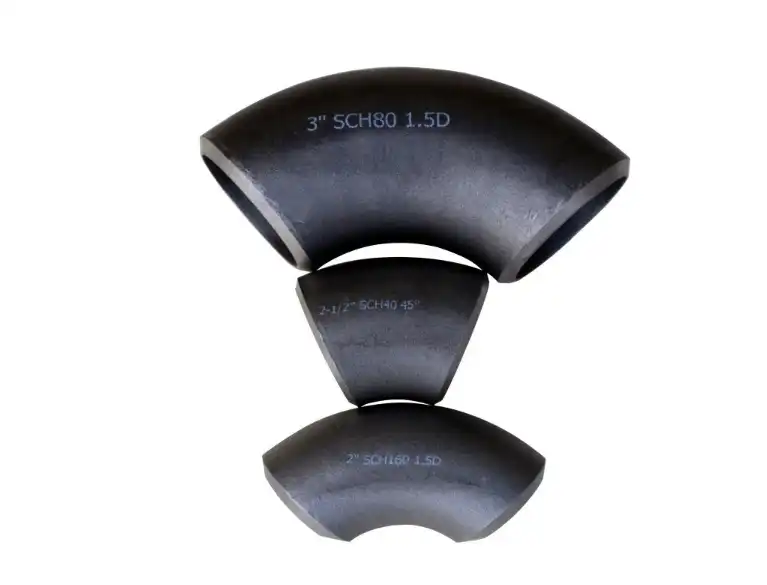
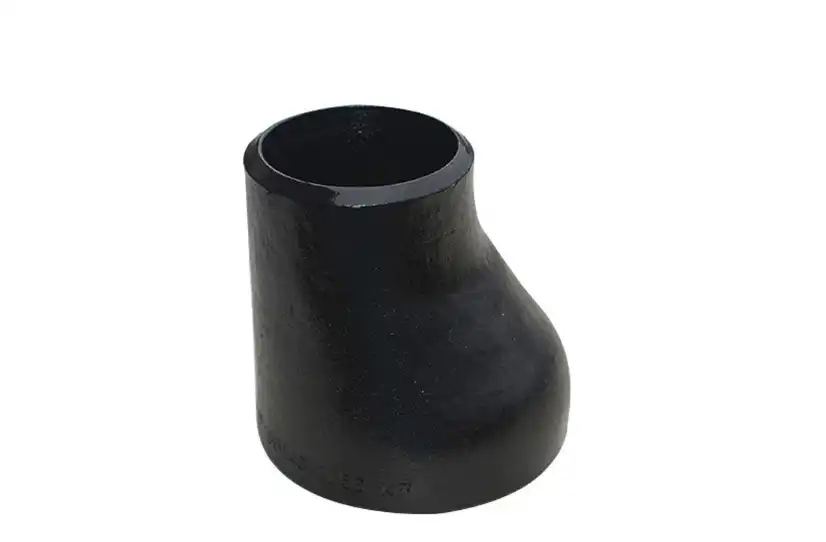
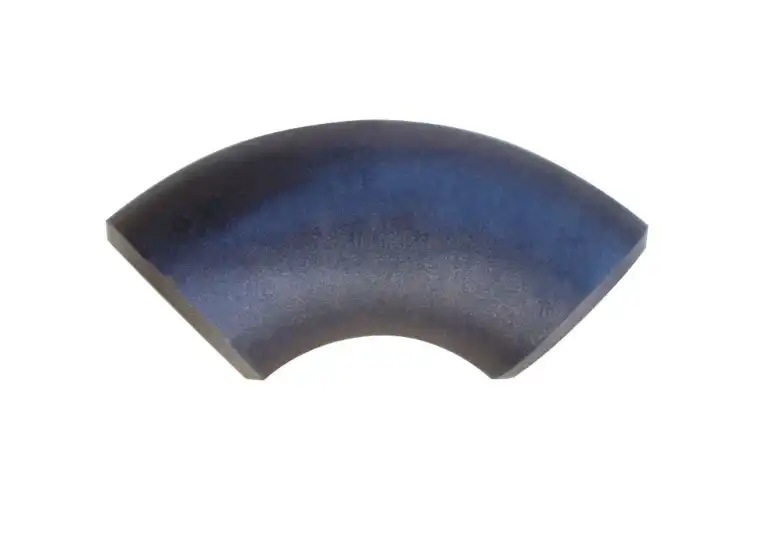
API 5L Carbon Steel Elbow: Why It’s Essential for Oil & Gas Pipelines
In oil and gas pipeline construction, elbows are used wherever the line needs to change direction while maintaining a continuous flow path. An API 5L carbon steel elbow is commonly discussed in projects that use API 5L line pipe because the fitting needs to be compatible with the pipeline material, dimensions, joining method, and operating conditions. But a crucial difference should be established from the beginning: API Reference 5L is a specification for line pipe, not a product standard for elbows. API Spec 5L addresses the fabrication of seamless and welded steel line pipe, including regulations for materials, manufacturing, inspection, testing, labelling, and traceability, according to the API. The 47th edition was released in June 2026. For this reason, selecting an API 5L carbon steel elbow should not mean checking only whether the supplier uses the words “API 5L.” The line pipe-to-fitting connection is determined by the purchaser, and the fitting standard, size, wall thickness, manufacturing route, inspection requirements, and project specifications are checked. ASME B16.9 is one of the major standards typically used for factory-made wrought buttwelding fittings dimensions, tolerances, ratings, testing, and marking.
Understanding the Role of API 5L in Carbon Steel Elbow Selection
API 5L Covers Line Pipe, While Elbows Follow Fitting Requirements
API 5L plays an important role in pipeline projects because it establishes requirements for steel line pipe used in petroleum and natural gas transportation systems. This standard covers seamless and welded pipe and sets out criteria which will enable customers to regulate the quality of material and uniformity of manufacture. Also included in the current 47th edition of API are changes to high-frequency welded pipe quality, hydrotest pressure gauge calibration, non-destructive assessment, sour-service requirements and CO2 gearbox pipe.
An elbow, however, changes the direction of the pipeline rather than functioning as a straight section of line pipe. Therefore, its dimensional geometry, bend radius, end preparation, tolerances, and other fitting features must be addressed under the relevant fitting standard. For example, ASME B16.9 covers factory-made wrought buttwelding fittings from NPS 1/2 through NPS 48, and covers dimensions, tolerances, ratings, testing, and marking.
It’s an important point to know when you are writing a purchase specification. The elbow material may need to be compatible with a specific API 5L pipe grade for the project, but the fitting itself may need to meet ASME B16.9 or another fitting standard as specified by the project. Exact specifications depend on pipeline design, governing codes, service conditions, and purchaser specifications.
Material Grade, PSL, and Traceability Matter
The performance of a carbon steel elbow starts with the material selected for the application. API 5L includes two product specification levels, PSL 1 and PSL 2, with different requirements for manufacturing and verification. The applicable pipe grade also affects chemical composition and mechanical properties.
For a project using API 5L line pipe, the purchaser should therefore identify the required material grade and PSL before approving a matching elbow. The fitting material should be clearly documented rather than described only as “carbon steel.” Material certificates, heat numbers, chemical analysis, mechanical test results, and traceability records are useful in tracing the supplied fitting back to its source material.
This approach also reduces confusion when several grades or wall thicknesses are used within the same pipeline project. A supplier that can provide complete material documentation for an API 5L carbon steel elbow gives the engineering and quality teams a clearer basis for verifying whether the fitting matches the purchase specification.
Engineering Factors That Determine Elbow Performance
Pressure Capability Depends on the Complete Design
A carbon steel elbow should not be assigned a pressure capability simply because it is associated with API 5L. Actual pressure capacity depends on several variables, including material grade, outside diameter, wall thickness, bend geometry, temperature, joining method, and the design code governing the pipeline.
The same material designation can therefore appear in fittings intended for different operating conditions without giving them identical allowable pressure limits. Engineers need to evaluate the fitting together with the adjoining pipe and the overall piping system. Internal pressure is only one part of this assessment because bends can also experience stresses associated with thermal expansion, support conditions, ground movement, vibration, and changes in flow direction.
For procurement purposes, this means that statements such as “suitable for more than 10,000 psi” should not be accepted without supporting design calculations and applicable standards. A responsible technical specification should identify the design pressure and temperature and require the supplier to demonstrate that the proposed fitting meets the relevant requirements.
Temperature and Service Conditions Influence Material Selection
Oil and gas pipelines can operate across a wide range of temperatures, but temperature capability is not an inherent feature of every carbon steel elbow. The actual service envelope depends on the material grade and the design conditions established for the pipeline.
Low-temperature service can make toughness particularly important, while elevated temperatures can affect material strength and the allowable design conditions. In addition, transported fluids may contain water, hydrogen sulfide, carbon dioxide, chlorides, or other components that influence material selection and corrosion control.
API's 47th edition includes updates related to sour-service requirements and other areas associated with pipeline material performance, demonstrating why current project specifications should be checked rather than relying on generic descriptions of API 5L products.
Corrosion Protection Requires a System-Level Approach
Carbon steel does not provide inherent resistance to every corrosive environment, so corrosion control should be addressed as part of the pipeline system rather than treated as an automatic characteristic of an API 5L carbon steel elbow.
Depending on the application, protection may involve external coatings, cathodic protection, corrosion inhibitors, material upgrades, controlled operating conditions, or combinations of these measures. The appropriate method depends on whether the elbow is installed above ground, buried, offshore, or in another specialized environment.
Internal corrosion should also be considered where the transported medium can promote corrosion. Water content, chemical composition, flow conditions, and operating temperature may all affect the corrosion management strategy. As a result, simply specifying a coating without considering the entire pipeline environment may not provide an adequate engineering solution.
Seamless and Welded Elbows Require Different Evaluation Criteria
Manufacturing Route Affects Inspection and Application
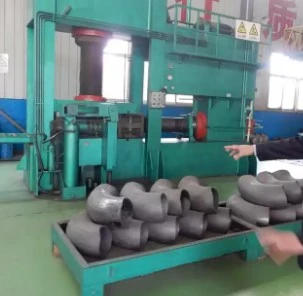
Seamless and welded elbows are produced through different manufacturing routes, and the choice should be linked to the project requirements rather than presented as a universal comparison in which one type is always stronger.
A seamless elbow does not contain a longitudinal weld seam in the finished fitting, while a welded fitting incorporates a welded section as part of its manufacturing route. However, an API 5L carbon steel elbow may be produced according to specific material and manufacturing requirements, and the absence of a weld seam alone does not establish that a particular elbow is automatically suitable for a specific pressure or service condition. Material quality, forming, heat treatment, dimensions, welding procedures where applicable, inspection, and acceptance criteria all contribute to final product performance.
For factory-made wrought buttwelding fittings, ASME B16.9 provides requirements covering dimensions, tolerances, ratings, testing, and marking. The applicable project documents may impose additional requirements beyond the basic fitting standard.
Inspection Should Match the Specification
Inspection is particularly important when elbows are intended for critical oil and gas pipeline service. Depending on the purchase specification, inspection may include dimensional examination, visual inspection, chemical analysis, mechanical testing, non-destructive examination, and pressure testing.
Non-destructive examination can be particularly relevant for detecting certain surface or internal discontinuities. The exact method and acceptance criteria should be determined by the applicable product standard, project specification, and service requirements rather than by assuming that every API 5L carbon steel elbow requires the same inspection package.
Documentation is equally important. A purchaser should be able to connect the physical fitting with its material certificate and inspection records. Heat-number traceability and consistent marking make this process easier during receiving inspection, fabrication, installation, and later maintenance.
Dimensions and Fit-Up Are Critical to Pipeline Assembly
A technically suitable elbow still needs to fit correctly into the pipeline. Outside diameter, wall thickness, center-to-end dimensions, bend angle, radius, end preparation, and dimensional tolerances all influence installation.
For this reason, the purchasing specification should identify the required elbow size and configuration rather than relying on a general statement such as “API 5L elbow.” The adjoining pipe dimensions also need to be checked so that the welding and fit-up process can be completed without introducing unnecessary alignment problems.
This becomes especially important in large-diameter transmission pipelines, where even relatively small dimensional deviations can complicate field assembly. Proper dimensional inspection before shipment can help reduce such problems.
Applying API 5L Carbon Steel Elbows in Pipeline Projects
Onshore Pipelines Require Attention to Ground and Operating Conditions
Onshore oil and gas pipelines may cross deserts, agricultural areas, mountainous terrain, river crossings, and regions with unstable or changing ground conditions. An elbow installed in one of these environments is exposed not only to internal pressure but also to external loads transmitted through the pipeline system.
Pipeline designers therefore need to consider support, burial depth, thermal movement, settlement, bending stress, and other site-specific factors. The elbow should be selected as part of the complete piping configuration rather than as an isolated component.
For buried pipelines, coating integrity and cathodic protection are also important elements of corrosion management. During installation, the fitting should be handled carefully to avoid damaging its protective system or creating mechanical defects that could complicate later inspection.
Offshore Applications Add Environmental and Installation Challenges
Offshore pipelines operate under a different combination of environmental and mechanical conditions. Seawater exposure, wave and current loading, installation stresses, marine access, and corrosion control can all affect pipeline component selection.
An offshore elbow therefore requires a project-specific evaluation of material, coating, inspection, welding, and installation requirements. The fact that an elbow is manufactured from material associated with API 5L line pipe does not by itself establish that it is suitable for every offshore application.
Where the project requires additional toughness, sour-service performance, corrosion resistance, or specialized inspection for an API 5L carbon steel elbow, these requirements should be written directly into the procurement specification. This provides a clearer technical basis for comparing suppliers and avoiding assumptions based solely on a product name.
Installation and Welding Need Controlled Procedures
A pipeline elbow becomes part of the pressure-containing system after it is properly joined to the adjoining pipe. Welding procedures, welder qualifications, preheating where required, interpass temperature control, post-weld treatment where applicable, and inspection should therefore follow the project welding specification and governing code.
The elbow should also be aligned correctly before welding. Excessive force used to pull components into position can introduce unwanted stress into the pipeline. Proper fit-up and support help maintain the intended geometry and reduce installation-related problems.
After welding and inspection, the completed pipeline section may be subject to pressure testing and other commissioning requirements established by the project. These activities should be controlled through documented procedures rather than treated as informal installation steps.
How to Specify an API 5L Carbon Steel Elbow for Procurement?
Define the Material and Fitting Standard Separately
One of the most useful improvements to the purchasing process is to separate the material requirement from the fitting requirement.
Instead of simply requesting an “API 5L carbon steel elbow,” the purchaser can specify the required pipe or fitting material grade, product specification level where applicable, fitting standard, nominal size, wall thickness or schedule, bend angle, radius, end preparation, manufacturing route, and inspection requirements.
This wording gives the supplier a much clearer technical target. It also prevents the common misunderstanding that API 5L alone defines every characteristic of the elbow.
Request Complete Quality Documentation
Documentation should be treated as part of the product rather than as an optional administrative item. Depending on the project, the purchasing package may require material test certificates, chemical and mechanical test results, dimensional inspection records, non-destructive examination reports, pressure test records, heat-number traceability, and certificates of conformity.
The purchaser should also verify which edition of each referenced standard applies. This is particularly important for API 5L because API published the 47th edition in June 2026.
A supplier that clearly identifies the standards, material grades, inspection scope, and traceability system provides a stronger basis for technical review than a supplier that relies only on general claims such as “API approved” or “high pressure.”
Match the Supplier's Manufacturing Capability to the Project
Supplier evaluation should consider whether the manufacturer can consistently produce the required size range, wall thickness, bend geometry, material grade, and inspection package. For demanding pipeline projects, production capability should be supported by documented quality procedures and inspection records.
Buyers should also confirm whether the supplier manufactures the elbows directly or sources them from another manufacturer. When the fitting is purchased through a distributor or trading company, the traceability chain becomes particularly important because the purchaser still needs reliable evidence of material origin and inspection status.
Conclusion
API 5L carbon steel elbows are widely associated with oil and gas pipeline systems because they can be selected to work with pipeline materials covered by API 5L. However, API 5L itself is a line pipe specification rather than a standalone standard for elbow geometry or all fitting requirements. API's current 47th edition addresses the manufacture and verification of seamless and welded steel line pipe, while fitting requirements may involve standards such as ASME B16.9 and project-specific specifications.
For this reason, the right way to evaluate an API 5L carbon steel elbow is to look beyond the product name. Material grade, PSL where applicable, dimensions, wall thickness, manufacturing method, inspection, traceability, corrosion protection, welding requirements, and operating conditions all need to be considered together. When these factors are clearly defined during procurement, the selected elbow can be integrated more reliably into the larger pipeline system and evaluated against the actual engineering requirements of the project.
For high-quality API 5L carbon steel elbows and expert guidance on pipeline fittings, contact Cangzhou Oudi Pipe Manufacturing Co., ltd at oudi-04@oudiguandao.com. With our extensive experience and commitment to excellence, we are well-positioned to meet the diverse needs of the oil and gas industry.
FAQ
1. What is the main advantage of using API 5L carbon steel elbows in oil and gas pipelines?
API 5L carbon steel elbows offer high strength, durability, and resistance to high pressures and corrosive environments, making them ideal for the demanding conditions of oil and gas transportation.
2. How do seamless and welded API 5L elbows differ in terms of performance?
Seamless elbows generally offer superior strength due to their uniform structure, while welded elbows can be more cost-effective and readily available in various sizes.
3. What measures are taken to protect API 5L carbon steel elbows from corrosion?
Protective measures include specialized coatings, cathodic protection systems, and the use of corrosion-resistant alloys or additives in the steel composition.
4. How often should API 5L carbon steel elbows be inspected in pipeline systems?
Inspection frequency depends on various factors, but regular inspections using non-destructive testing methods are typically conducted as part of a comprehensive maintenance program.
References
1. American Petroleum Institute. (2018). API Specification 5L: Specification for Line Pipe. Washington, DC: API Publishing Services.
2. Smith, J. R., & Johnson, T. M. (2019). Advances in Corrosion Protection for Oil and Gas Pipeline Components. Journal of Pipeline Engineering, 18(3), 142-156.
3. Anderson, K. L., & Brown, R. C. (2020). Comparison of Seamless and Welded Pipe Fittings in High-Pressure Applications. International Journal of Pressure Vessels and Piping, 185, 104118.
4. Thompson, E. S., & Wilson, D. R. (2021). Design Considerations for Offshore Pipeline Elbows: A Comprehensive Review. Ocean Engineering, 228, 108751.
5. Lee, H. Y., & Park, S. J. (2017). Structural Integrity Assessment of API 5L X65 Pipe Elbows Under Combined Loading. Engineering Failure Analysis, 82, 823-835.
6. Martinez, M., & Rodriguez, C. (2022). Innovations in Non-Destructive Testing for Pipeline Fittings: Focus on API 5L Elbows. NDT & E International, 126, 102586.

Need help finding the right solution with our experts. Please contact us.
SINCE 1998 Your Reliable Pipeline Manufacturer