Are Cost-Effective Carbon Steel Elbows Reliable?
When purchasing managers think about buying carbon steel pipe fittings, a very important question comes up: can they really be trusted to be reliable? The answer is definitely yes, as long as you buy from reputable companies that follow international rules and do strict quality checks. Cost-effective carbon steel elbows provide excellent strength, longevity, and performance across a wide range of demanding industrial uses without the high cost of specialty alloys. These parts are the best choice for oil, gas, chemical processing, water treatment, construction, and marine projects around the world because they are both reliable and affordable.
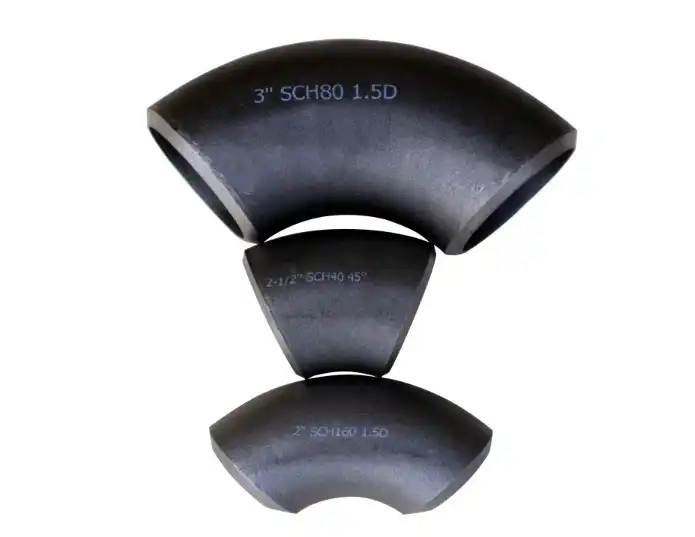
Understanding Carbon Steel Elbows and Their Reliability
Oil and gas, chemical processing, and water treatment plants, among other fields, use carbon steel elbows as flexible and long-lasting joints. Because they are strong and can handle a wide range of temperatures and pressures, they are highly valued in many fields, from building to power generation.
What Makes Carbon Steel Elbows Function Effectively
These fittings change the direction of a pipeline at different angles, usually 45, 90, or 180 degrees, while keeping the flow and structure of the pipeline the same. They come in butt-welding and socket configurations and can be used for both seamless and straight-seam industrial uses. The makeup of the material usually has a low to medium carbon content. This makes it easy to weld and strong enough for a wide range of pressures used in normal to high-performance applications. During the manufacturing process, hot forming or cold bending is used to keep the steel's grain structure. This keeps the wall width uniform and lets you predict how stress will be distributed during use.
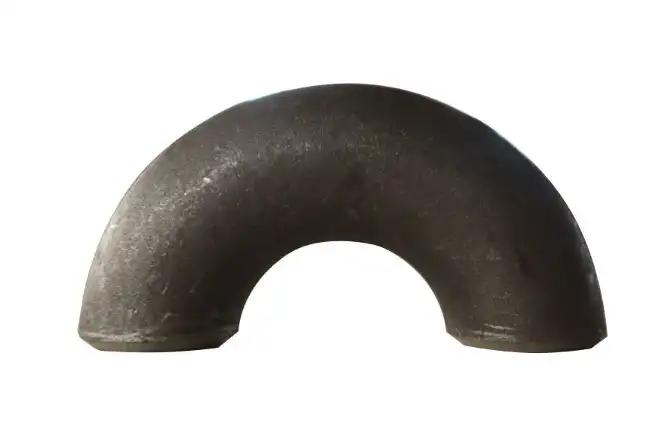
Cost Efficiency Compared to Alternative Materials
When used in the right conditions, cost-effective carbon steel elbows are much more economical than stainless steel or specialty metals. They also work just as well. The price difference between the two materials can be as much as 40–60% less, which makes carbon steel the best choice for big projects where rust can be controlled with coats or cathodic protection systems. This low cost goes beyond the original buy; carbon steel is readily available to find, which cuts down on lead times and makes the sourcing chain simpler. The material's ability to be machined and welded lowers the cost of installation work, and when properly kept, its strength lowers the number of times it needs to be replaced.
Corrosion Resistance and Longevity Considerations
Even though carbon steel doesn't naturally fight rust as well as stainless steel, the right surface treatments can make it last a lot longer. In many situations, galvanization, epoxy coatings, and paint methods work well to keep things from breaking down in the surroundings. Knowing your working area helps you choose the right safety measures. For example, indoor dry systems may only need a little care, but sea or chemical exposure requires stronger safety measures. When you take these things into account and meet the needs of the product, cost-effective carbon steel elbows will be reliable for decades. Instead of immediately thinking that high-end materials are needed, you should match the material grade and protection plan to the specific working conditions.
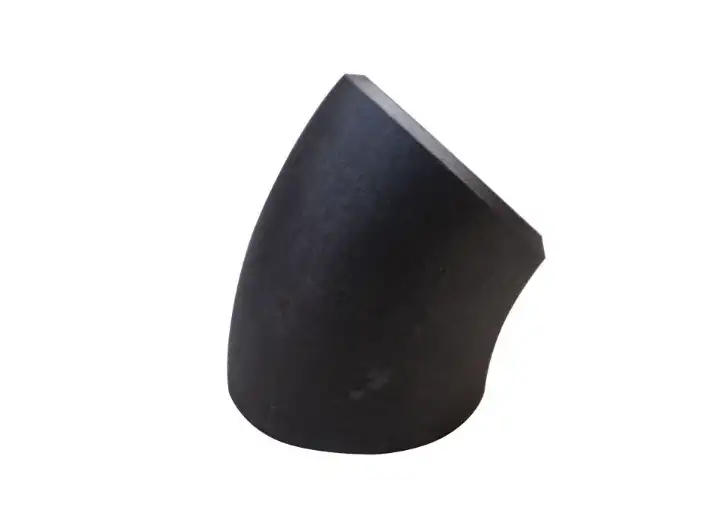
Comparing Cost-Effective Carbon Steel Elbows with Other Elbow Types
To pick the right elbow type, you need to know how carbon steel, stainless steel, coated steel, and plastic elbows stack up against each other. This part compares and contrasts the qualities of the materials, how well they work in difficult conditions, and how often they need to be maintained to show where carbon steel really shines and where other materials might be better.
Material Properties and Performance Characteristics
When compared to plastic options, carbon steel has a higher tensile strength, which can be anywhere from 400 to 550 MPa based on the grade. In high-pressure systems like those found in chemical plants and oil factories, this mechanical benefit is critical. Stainless steel is much more resistant to rust than carbon steel, but it costs a lot more—often three to four times as much. With its zinc layer, galvanized steel is a middle ground. However, the process of galvanization is expensive and can make welding more difficult. Plastic elbows work well in low-temperature, low-pressure situations, but they can't handle the high and low temperatures and pressures needed in industrial processes. Carbon steel is different because it can handle temperatures above 400°C, which is much higher than the maximum temperature at which plastic can be used.
Understanding True Cost-Effectiveness in Practice
"Cost-effective" means more than just the item's price; it also includes the total cost of ownership over its entire life. Cost-effective carbon steel elbows are reliable because they last a long time if they are properly designed and kept. A carbon steel elbow in a water treatment plant might work well for 20 to 30 years with little upkeep. But a fitting that is too small or not properly protected could break within a few years, costing a lot to repair and causing the plant to be shut down. The grades and wall thicknesses directly affect both the original cost and the long-term performance. Schedule 40 fittings are good for everyday use, while Schedule 80 or XXS (extra extra strong) versions can handle high pressures. If you know the pressure grades, like 150#, 300#, or higher classes, you can make sure you buy exactly what your system needs without over-specifying and causing prices to go up for no reason.
Quality and Specification Considerations for Cost-Effective Carbon Steel Elbows
To make sure quality is always the same, you have to carefully check important details like sizes, compliance with standards, and pressure-temperature rates. This part gives buyers clear criteria to follow so they don't end up with expensive installation or lasting problems.
Critical Standards and Certifications to Verify
Manufacturers with a good reputation follow widely known standards like ASTM A234 for wrought carbon steel fittings, ASME B16.9 for factory-made wrought fittings, and DIN, JIS, or BS versions based on your region's needs. Having ISO 9001:2000 certification shows that a seller manages quality in a planned way throughout the whole production process. Special equipment-making permits, which are especially important when buying from specialized suppliers, make sure that safety and technical standards are met. These approvals aren't just documents; they're the result of audited processes that include checking raw materials, monitoring production, and testing final products. When reviewing suppliers, please request proof of approval and verify its accuracy with the issuing organization. Manufacturers with the right qualifications usually keep thorough records of where their materials come from, so you can trace each part back to the steel mill where it was made and the batch number.
Installation Best Practices and Maintenance Requirements
When you weld these fittings correctly, you protect the quality that the makers put into them. Different types of carbon and temperatures can change how much preheating is needed. For example, higher carbon grades may need to be heated to 150–200°C before they can be used to avoid breaking. Post-weld heat treatment reduces residual stresses in serious situations, especially for parts with thick walls that are used in high-pressure situations. Alignment during installation stops stress buildup that speeds up wear failure. Regular inspections increase the life of a system. Visual checks find surface rust before it weakens the wall, and ultrasound testing finds problems inside important systems. When to do maintenance depends on how the machine is used, but once a year is best.
Identifying Substandard Products and Supplier Red Flags
Several red flags indicate that providers might not be trusted. Lower-than-average prices usually mean that the materials used aren't up to par or that quality control isn't good enough. The refusal to provide mill test results, material certifications, or dimensional inspection data shows concerns about openness. Manufacturers can't thoroughly check the quality of their products if they don't have the right testing tools, such as spectroscopy for material proof, dimensional scales, and pressure testing facilities. Established producers can test their products in a wide range of ways and are eager to share the results of those tests. The terms of a warranty show how confident a seller is in their goods. Reputable manufacturers stand behind their products with clear warranty terms, while shady suppliers offer vague or limited guarantees.
Procurement Insights: Buying Cost-Effective Carbon Steel Elbows Without Compromise
This part gives you useful tips on how to find the best deals on cost-effective carbon steel elbows. Learning to check supplier credibility and ensure purchases meet project needs protects your investment and keeps the system working well.
Verifying Supplier Credibility and Manufacturing Capabilities
Working directly with ISO-certified makers is clearly better than going through middlemen. Factory audits, whether done by the owner or by a third-party inspection service, give first-hand information about how the factory makes things and how it checks for quality. Check to see if the seller keeps up-to-date high-tech tools like CNC bending machines, heat treatment ovens, and full testing facilities with things like hydrostatic testing systems and spectroscopic analyzers. Production capacity is important. A company that makes 16,000 tons of goods a year has enough scale to handle big orders while keeping quality standards. How close lead times and prices are to sources of raw materials and delivery networks affects them. For foreign purchases, suppliers who are close to big ports or transportation hubs usually make it easier to work with them.
The following factors distinguish trustworthy makers from less-than-reliable ones, and you should carefully consider them when choosing a vendor:
- Manufacturing Infrastructure: Cutting-edge production tools, such as machines that can process both seamless and soldered pipes, different forming technologies, and automatic quality control systems, make sure that the finished products are always uniform and meet the requirements.
- Technical Expertise: Engineering support helps you choose the right grades, sizes, and treatments for your application, so you don't have to worry about expensive mistakes like misspecification that causes the product to fail early or over-engineering that raises costs for no reason.
- Supply Chain Stability: Stable relationships with steel mills and regular sources of raw materials keep quality from changing between production runs, and effective inventory management makes sure deliveries happen on time even when demand changes.
- Export Experience: Manufacturers that sell to international markets know what paperwork is needed, how to package items for shipping abroad, and how to obey the rules of the target country. This makes the buying process easier.
With these skills, you can tell if a supplier will be able to successfully meet your needs across multiple tasks. When you first evaluate suppliers, looking at these things can help you avoid problems later on, especially when project deadlines are very tight.
Practical Considerations for Bulk Purchasing and Customization
You can save money by buying in bulk, but you have to weigh the costs of keeping the goods against the savings you'll get per unit. Container load numbers usually show where prices start to drop. For example, a full container of standard parts gets better prices than a mix of smaller orders. Lead times depend on how complicated the order is. Standard orders, like 90-degree long-radius elbows in common sizes, can be shipped quickly from stock. However, orders with custom angles, special materials, or non-standard measurements take 4 to 6 weeks to manufacture. Customization choices go beyond just size; they can also include special treatments, testing needs, or marking requirements. You can avoid misunderstandings by being clear about technical requirements. When you give the manufacturer thorough drawings, material specs, and relevant standards, they will understand exactly what you need.
Case Studies and Verification of Reliability in Cost-Effective Carbon Steel Elbows
Cost-effective carbon steel elbows are reliable and durable, as shown by real-life examples. Instead of using hypothetical situations, performance data from real placements shows how these parts work in real-world situations.
Industry Performance Examples Across Applications
In 2010, a natural gas processing plant in the Middle East put in carbon steel joints made to ASTM A234 WPB standards throughout its gathering system. Working constantly at temperatures ranging from -20°C in the winter to 50°C in the summer and at pressures up to 1,200 psi, these fittings have never failed in 13 years of service, with regular coating repair every 3 to 5 years. In 2015, the expansion of water treatment plants in Southeast Asia called for Schedule 40 carbon steel joints for the pipes that carried the water. Despite living near the coast, where it is humid, using the right epoxy covering has kept the system's integrity without any problems with rust or leaks by checking it every six months. These examples show how things usually work when the specs match what the program needs and when you follow simple maintenance rules.
Testing Procedures That Validate Quality
Manufacturers with a good reputation test their products thoroughly before sending them out. Each fitting is put under 1.5 times the maximum working pressure during hydrostatic pressure testing, which checks the structure's strength. Using calibrated tools for dimensional checking proves that the wall's thickness, diameter, and angle tolerances meet the requirements set by the standard. Ultrasonic testing reveals problems inside that the naked eye can't see. Spectroscopic research checks that the material's makeup fits the given grade. These quality control steps, documented in the mill test results that accompany packages, demonstrate that the product is reliable. By reviewing these test results when buying parts, you can ensure they meet the requirements before installation.
Conclusion
When purchased from reputable manufacturers and properly sized for the purpose, cost-effective carbon steel elbows provide dependable performance across a wide range of industrial uses. Compliance with standards, real-world performance data, and thorough testing all show that you can trust them in tough settings. To find a good balance between price and quality, you should learn about material types, protective treatments, and source skills instead of just going with the cheapest option. To be successful at procurement, you need to check certifications, look at manufacturing skills, and build relationships with honest sellers who are committed to quality. The smart move isn't to pick the cheapest choice; it's to find parts that have the lowest total cost of ownership by lasting the longest and being the most reliable.
FAQ
Can carbon steel elbows handle high-pressure systems reliably?
When made with the right pressure class values, carbon steel elbows work consistently in high-pressure situations. Schedule 80 and XXS wall thicknesses can handle pressures higher than 2,000 psi if they are properly defined. It is important to match the pressure class (150#, 300#, 600#, etc.) to the system's working pressure while leaving enough room for error. ASME B16.9 gives grades for pressure and temperature that help with the right choice.
What certifications should I require for quality assurance?
Getting ISO 9001 quality management approval is the minimum standard for trustworthy makers. Certifications of materials that meet ASTM standards check their chemical makeup and mechanical qualities. Special equipment production licenses show that you follow the rules. For each output batch, you should ask for mill test records that show that the dimensions were checked, the pressure was tested, and the material was confirmed.
Do carbon steel elbows work in corrosive environments?
If you protect carbon steel elbows with the right coatings or cathodic protection, they work well in slightly corrosive settings. Applications that are very acidic, like those that use acids, saltwater, or harsh chemicals, may need replacements made of stainless steel. Check the specific corrosive exposure and talk to materials engineers to find out if safety steps are enough to make carbon steel last longer or if the extra cost of premium materials is worth it.
Partner with Oudi for Reliable Cost-Effective Carbon Steel Elbow Solutions
Since 1998, Oudi has been making high-quality carbon steel pipe fittings for over 300 users in 40 countries. Their quality management is ISO 9001-certified. Our annual production capacity of 16,000 tons ensures that butt welding and socket elbows made to ANSI, JIS, DIN, and BS standards are always available. As a cost-effective manufacturer of carbon steel elbows with extensive experience, we keep full testing facilities with spectroscopic analysis, hydrostatic pressure testing, and measurement inspection tools to make sure every fitting meets standards before it is shipped. Our expert team gives you design advice to make sure you choose exactly what your application needs—nothing more, nothing less. Contact our experienced sales team at oudi-04@oudiguandao.com to talk about your project needs and get detailed quotes. You'll be amazed at how our competitive pricing, strict quality control, and quick customer service make us the best choice for procurement seeking reliable, cost-effective carbon steel elbow suppliers.
References
1. American Society of Mechanical Engineers. (2018). ASME B16.9: Factory-Made Wrought Buttwelding Fittings. New York: ASME Standards.
2. ASTM International. (2020). ASTM A234 / A234M: Standard Specification for Piping Fittings of Wrought Carbon Steel and Alloy Steel for Moderate and High-Temperature Service. West Conshohocken: ASTM.
3. Becht, C. (2017). Process Piping: The Complete Guide to ASME B31.3. New York: ASME Press.
4. Mohitpour, M., Golshan, H., & Murray, A. (2007). Pipeline Design & Construction: A Practical Approach. New York: American Society of Civil Engineers.
5. Nayyar, M.L. (2019). Piping Handbook. Seventh Edition. New York: McGraw-Hill Education.
6. Parisher, R.A., & Rhea, R.A. (2021). Pipe Drafting and Design. Fourth Edition. Cambridge: Gulf Professional Publishing.

Need help finding the right solution with our experts. Please contact us.

SINCE 1998 Your Reliable Pipeline Manufacturer



