ASTM A105 vs ASTM A234 Carbon Steel Elbows: Which One to Choose?
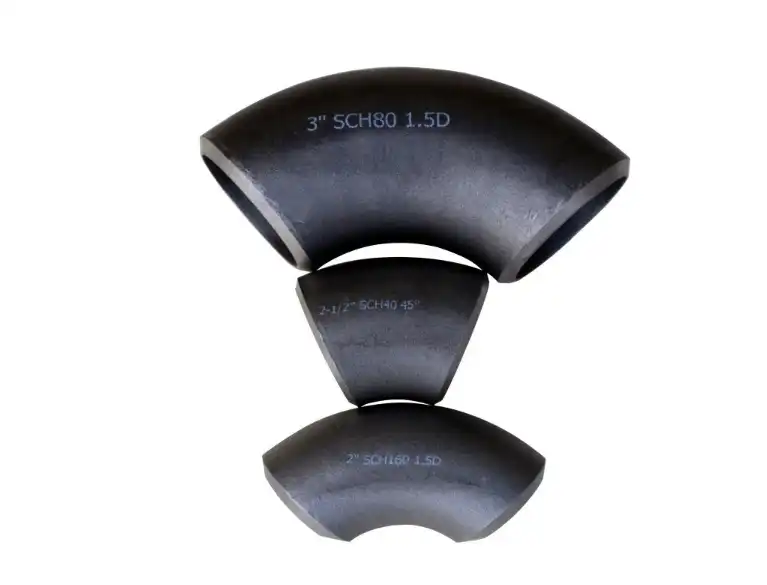
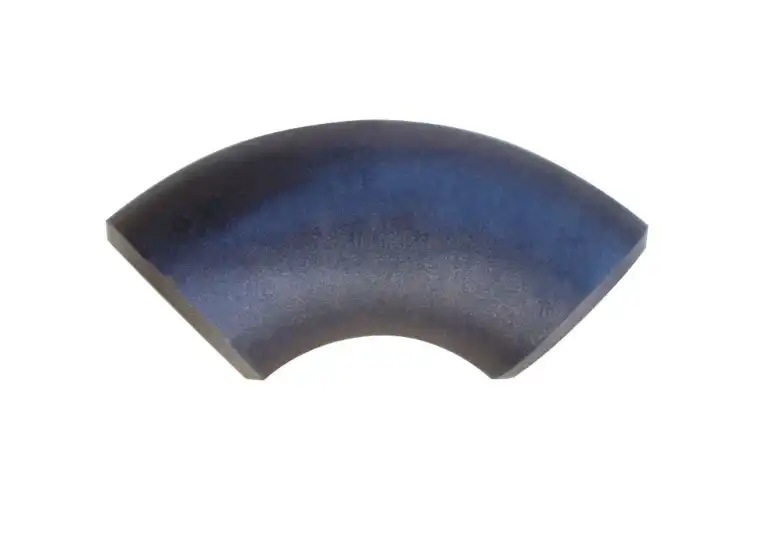
When selecting carbon steel elbows for an industrial piping system, ASTM A105 and ASTM A234 are two specifications that buyers frequently encounter. However, they should not be treated as two interchangeable material grades because the standards have different scopes and are associated with different manufacturing routes and fitting applications. ASTM A105/A105M covers forged carbon steel piping components for pressure systems, including fittings, flanges, and valves, while ASTM A234/A234M covers wrought carbon steel and alloy steel fittings for moderate and elevated temperature service. This distinction is important when evaluating ASTM 105 carbon steel elbows against A234 fittings. The decision should not be based simply on which specification appears stronger or more suitable for a particular industry. Engineers and purchasing teams also need to consider the elbow's manufacturing method, dimensions, wall thickness, temperature and pressure conditions, applicable piping code, welding requirements, inspection requirements, and material documentation. Once these factors are understood, the difference between A105 and A234 becomes much easier to evaluate.
Understanding the Different Roles of ASTM A105 and ASTM A234
The first step is to understand what each specification actually covers. ASTM A105/A105M is a specification for forged carbon steel piping components used in pressure systems at ambient and higher temperatures. The standard covers products such as forged fittings, flanges, valves, and similar components. It also establishes requirements related to chemical composition, mechanical properties, heat treatment, testing, repair by welding, and product marking.
ASTM A234/A234M has a broader product focus. It covers wrought carbon steel and alloy steel fittings of seamless and welded construction for pressure piping and pressure vessel fabrication at moderate and elevated temperatures. The specification includes several grades, so an A234 fitting should normally be identified by its complete grade designation rather than simply being described as “A234 carbon steel.”
This difference explains why comparing A105 and A234 as though they were simply two competing carbon steel grades can be misleading. In an actual project, the engineer normally starts with the required fitting type and applicable piping standard, then specifies the appropriate material grade and manufacturing requirements. For that reason, a buyer should look at the complete product designation rather than relying only on the ASTM number.

How the Manufacturing Route Affects the Elbow?
Manufacturing route is one of the most important differences to consider. ASTM A105 is specifically associated with forged carbon steel piping components. The specification allows covered components to be ordered to purchaser-defined dimensions or to dimensions established by referenced MSS, ASME, or API standards. This makes the forging route an important part of understanding an A105 component.
ASTM A234, on the other hand, covers wrought fittings produced from permitted material forms and shaped through processes such as hammering, pressing, piercing, extruding, upsetting, rolling, bending, fusion welding, machining, or combinations of these processes. Therefore, ASTM 105 carbon steel elbows can fall within the broader range of fitting constructions covered by the standard, including both seamless and welded fitting construction.
For elbows, this distinction matters because the forming process can affect dimensions, wall distribution, grain flow, and subsequent heat treatment. A purchasing specification should therefore state the required construction and applicable dimensional standard rather than simply asking for a “carbon steel elbow.” For example, a project may require a butt-welding elbow manufactured to a specific dimensional standard, while another application may require a forged fitting configuration.
It is also important to separate the material specification from the dimensional specification. ASTM A105 or ASTM A234 describes material and product requirements, while standards such as ASME B16.9 or B16.11 may define dimensions and other requirements for particular fitting types. The correct procurement document therefore needs to connect the material specification with the required fitting standard.
Chemical Composition Should Be Evaluated by Grade
Chemical composition is another area where the original comparison can become too general. ASTM A105 establishes limits for elements including carbon, manganese, phosphorus, sulfur, silicon, copper, nickel, chromium, molybdenum, and vanadium. These requirements help establish the chemical characteristics of the forged carbon steel used for pressure piping components, including ASTM 105 carbon steel elbows.
ASTM A234 is not a single chemical composition. It covers multiple carbon steel and alloy steel grades, which means the actual composition depends on the grade selected for the fitting. A234 WPB, for example, should not simply be treated as chemically identical to an A105 component because the two specifications have different product scopes and grade requirements.
For procurement purposes, this means the buyer should identify the exact material grade shown on the purchase order, drawing, and material test certificate. A generic statement such as “carbon steel” is not enough when a piping system is subject to defined material requirements. The chemical composition should be verified against the applicable edition of the standard and the grade specified for the project.
This approach also prevents a common mistake: assuming that one ASTM number automatically represents a universal performance level. In reality, the chemical composition is only one part of the selection process. Mechanical properties, heat treatment, product geometry, manufacturing route, service temperature, and applicable design code also influence whether a fitting is appropriate for a particular piping system.
Mechanical Performance Depends on the Complete Specification
Mechanical properties are important when comparing A105 and A234 fittings, but the comparison should be made carefully. ASTM A105 establishes requirements for tensile strength, yield strength, elongation, reduction of area, and hardness, together with specified testing requirements. The current A105 specification also includes requirements related to tension and hardness testing and provisions for hydrostatic testing when applicable.
ASTM A234 also establishes mechanical testing requirements for its covered fittings, including tension, hardness, and hydrostatic testing. For applications involving ASTM 105 carbon steel elbows, the applicable mechanical requirements depend on the specific grade being ordered, because A234 covers multiple grades.
Therefore, it is not technically sound to state that A105 elbows are always stronger than A234 elbows. Such a statement ignores the actual grade and product configuration. In many piping projects, the relevant question is not simply which material has the higher tensile strength, but whether the selected fitting satisfies the design pressure, design temperature, wall thickness, code requirements, and applicable material specification.
For buyers, the material test certificate is particularly useful at this stage. It can provide traceability between the supplied fitting and the specified material requirements, including chemical and mechanical test results. A reliable purchasing process should verify that the documentation corresponds to the actual heat, grade, size, and product supplied.
Heat Treatment Is Part of the Material Specification
Heat treatment is another area where the two specifications should not be described with overly broad statements. ASTM A105 requires covered forgings to undergo heat treatment, with the specification recognizing processes including annealing, normalizing, tempering, or quenching as applicable. The exact treatment depends on the requirements of the specification and product.
ASTM A234 also contains heat treatment requirements that depend on the fitting grade and manufacturing conditions. Because the specification covers several carbon steel and alloy steel grades, there is no single heat-treatment description that applies identically to every A234 elbow.
For this reason, the phrase “A105 elbows are normalized, while A234 elbows use different heat treatment” is too simplistic for a technical article. A better approach is to explain that heat treatment is controlled by the applicable material specification, grade, product form, and manufacturing process. The supplier should be able to provide relevant heat-treatment records or material documentation when required by the purchase specification.
Proper heat treatment is especially important for ASTM 105 carbon steel elbows that will be exposed to elevated temperatures or demanding mechanical conditions. It helps establish the required material properties after forming and supports compliance with the applicable standard. However, heat treatment alone does not determine whether an elbow is suitable for a particular service. The complete engineering specification still has to be considered.
Selecting the Right Elbow for Oil and Gas Piping
Oil and gas facilities can contain high-pressure and elevated-temperature piping systems, but that does not mean every carbon steel elbow in such a facility should automatically be specified as A105. The appropriate material depends on the location of the fitting, process conditions, piping class, applicable code, and project specification.
A forged A105 component may be appropriate where the engineering specification calls for an A105 forging and the fitting configuration is compatible with that requirement. A234 fittings may be specified for pressure piping systems where the project calls for a particular A234 grade, and the fitting construction matches the required piping configuration.
The important point is to avoid selecting the material simply because an industry is considered “high pressure.” Engineers normally determine the material and fitting requirements from the actual design conditions. Pressure rating, temperature, corrosion environment, pipe size, wall thickness, welding procedure, and inspection requirements all need to be considered together.
For procurement teams, the safest approach is to compare the supplier's quotation against the complete project specification. If a supplier offers an A105 elbow as an alternative to an A234 fitting, the buyer should confirm that the substitution is technically permitted rather than assuming that the two specifications are interchangeable.
Chemical Processing Requires More Than a Material Name
Chemical processing plants can expose piping components to a wide range of temperatures, pressures, and chemical media. Carbon steel may be suitable for some services, and ASTM 105 carbon steel elbows can be specified for applications where their material properties meet the service requirements, but the ASTM designation alone does not establish corrosion resistance. In particular, an A105 designation should not be interpreted as meaning that the fitting has special resistance to acids or other aggressive chemicals.
Material selection in chemical service should consider the actual process medium, concentration, temperature, flow conditions, corrosion allowance, and plant material specification. Where the process requires alloy steel, stainless steel, or another corrosion-resistant material, the relevant A234 alloy grade or another applicable material specification may be more appropriate than a carbon steel option.
The role of A105 or A234 is therefore to define the required material and product characteristics within the piping specification. It should not be presented as a general guarantee of chemical resistance. This distinction makes the article more useful to engineers because it separates what the ASTM standard actually controls from what must be determined by the project design.
Power Generation Applications Need Precise Specification Matching
Power generation systems often include piping exposed to elevated temperatures and pressures, making material traceability and specification compliance particularly important. A105 forged components, including ASTM 105 carbon steel elbows, can be used where the project requires forged carbon steel pressure components that meet the applicable specification. A234 fittings can also be used in pressure piping and pressure vessel fabrication when the selected grade and fitting construction meet the project requirements.
Instead of assuming that one standard is universally better for power generation, engineers should examine the service conditions and the applicable plant standards. Steam temperature, pressure, piping class, connection type, material grade, heat treatment, nondestructive examination requirements, and documentation requirements can all affect the final selection.
For critical systems, procurement should also pay attention to traceability. The fitting should be identifiable through its marking and material documentation, and the supplied documentation should correspond to the material and manufacturing requirements specified in the purchase order. This provides a more practical basis for selecting between A105 and A234 than simply comparing general statements about strength.
What Buyers Should Confirm Before Ordering?
The most useful way to choose between A105 and A234 is to start with the complete engineering requirement rather than the material name alone. The buyer should first confirm whether the required fitting is a forged component, a butt-welding fitting, or another configuration covered by the relevant dimensional standard. The material grade should then be matched with the service temperature, pressure, and piping class.
The purchase specification should also identify the required size, wall thickness or schedule where applicable, elbow angle, end connection, dimensional standard, material grade, heat-treatment requirements, testing requirements, marking requirements, and documentation. If the project requires special inspection or supplementary testing, those requirements should be included in the order rather than assumed to be included automatically.
This level of detail is particularly important when sourcing ASTM 105 carbon steel elbows. A supplier may offer an elbow described simply as “ASTM A105,” but the buyer still needs to confirm how the elbow is manufactured, what dimensional standard applies, which tests were performed, and what documentation will accompany the shipment.
A technically experienced manufacturer should be able to answer these questions clearly. Instead of relying only on general claims about product quality, buyers can evaluate a supplier through its ability to provide consistent specifications, traceability, inspection documentation, manufacturing information, and products that match the requirements of the project.
Conclusion
ASTM A105 and ASTM A234 should not be viewed as two identical carbon steel specifications competing for the same application. ASTM A105/A105M is focused on forged carbon steel piping components, while ASTM A234/A234M covers wrought carbon steel and alloy steel fittings for moderate and elevated temperature service. Their different scopes mean that the correct choice depends on the required fitting configuration, material grade, manufacturing route, service conditions, and applicable piping standards.
For buyers considering ASTM 105 carbon steel elbows, the key is to verify the complete specification rather than selecting a product based on the ASTM designation alone. The correct elbow should satisfy the project's dimensional, material, mechanical, heat-treatment, testing, and documentation requirements. A234 fittings should be evaluated in the same way, with particular attention to the specific grade because A234 covers multiple carbon steel and alloy steel grades.
Since 1998, Cangzhou Oudi Pipe Manufacture Co., Ltd. has specialized in carbon steel pipe fittings, valves, and flanges in China. Located in the China fitting industrial zone in Mengcun Hui Autonomous County, the company provides carbon steel, stainless steel, and alloy steel fittings manufactured to American, Japanese, German, and British standards. For projects requiring ASTM A105 or ASTM A234 elbows, the most effective purchasing process is to provide the complete technical specification so that material grade, fitting type, dimensions, manufacturing requirements, testing, and documentation can be matched before production.
Our commitment to quality is evident through our ISO9001:2000 certification and strict quality control measures. For more information or inquiries, please contact us at oudi-04@oudiguandao.com.
FAQ
1. What are the main differences between ASTM A105 and ASTM A234 carbon steel elbows?
The main differences lie in their chemical composition, mechanical properties, and typical applications. ASTM A105 elbows generally offer higher strength and are more suitable for high-pressure, high-temperature environments.
2. Which industries commonly use ASTM A105 carbon steel elbows?
ASTM A105 carbon steel elbows are commonly used in oil and gas, chemical processing, and power generation industries, particularly in high-pressure and high-temperature applications.
3. Are ASTM A234 elbows suitable for all piping applications?
While ASTM A234 elbows are versatile, they may not be suitable for all applications, especially those involving extreme pressures or temperatures. The specific grade of ASTM A234 should be considered for each application.
4. How does the heat treatment process affect the properties of carbon steel elbows?
Heat treatment processes like normalizing, annealing, or quenching and tempering can significantly affect the strength, toughness, and overall performance of carbon steel elbows.
References
1. ASTM International. (2018). ASTM A105/A105M-18 Standard Specification for Carbon Steel Forgings for Piping Applications.
2. ASTM International. (2019). ASTM A234/A234M-19 Standard Specification for Piping Fittings of Wrought Carbon Steel and Alloy Steel for Moderate and High Temperature Service.
3. Smith, J. R., & Johnson, K. L. (2020). Comparative Analysis of ASTM A105 and A234 Carbon Steel Fittings in Industrial Applications. Journal of Materials Engineering and Performance, 29(8), 5123-5135.
4. Wilson, E. M. (2019). Selection Criteria for Carbon Steel Elbows in High-Pressure Piping Systems. Piping and Pressure Vessels: Design and Analysis, 2nd Edition. Elsevier.
5. Thompson, R. D., & Brown, S. A. (2021). Heat Treatment Effects on Mechanical Properties of ASTM A105 and A234 Carbon Steel Fittings. Materials Science and Engineering: A, 812, 141082.
6. Garcia, L. M., & Martinez, C. R. (2022). Performance Evaluation of ASTM A105 and A234 Carbon Steel Elbows in Corrosive Environments. Corrosion Science, 195, 109925.

Need help finding the right solution with our experts. Please contact us.

SINCE 1998 Your Reliable Pipeline Manufacturer