ASTM A234 WPB Specification: Chemical & Mechanical Properties
The ASTM A234 WPB standard is the most important one for carbon steel pipe fittings in pressure systems in many important businesses. This detailed standard spells out the exact chemical make-up and mechanical qualities that butt-welding pipe fittings must have. This makes sure that they work perfectly in tough situations. It is important for procurement workers, engineers, distributors, and original equipment manufacturers (OEMs) working on complicated industrial projects to fully understand the ASTM A234 WPB chemical limits and mechanical properties. If you're buying parts for power plants, chemical processing plants, or oil refineries, knowing these specs will have a direct effect on system safety, working efficiency, and the long-term performance of your assets.
Understanding ASTM A234 WPB Specification
The ASTM A234 standard covers pipe fittings made of wrought carbon steel and alloy steel that are made to work at normal and high temperatures. The most common carbon steel standard in this context is the WPB grade, where "W" stands for weldability, "P" for pressure uses, and "B" for the material grade classification.
Chemical makeup standards for WPB fittings set strict limits that keep the material strong and allow it to be welded. The highest amount of carbon is kept at 0.30%, and the maximum amount of manganese is between 0.29% and 1.06%, based on the specific heat analysis. The amount of phosphorus and sulfur is limited to 0.05% and 0.058%, respectively. This makes the material less rigid and more flexible. Silicon content is usually at least 0.10%, which helps with deoxidation during the production process.
The performance features of WPB parts that make them good for tough jobs are determined by their mechanical properties. Tensile strength must be at least 415 MPa (60,000 psi), and yield strength must be more than 240 MPa (35,000 psi). A minimum elongation value of 22% in a 2-inch gauge length shows that the material is flexible and can handle stress without breaking into weak pieces.
Processes that use heat are very important for getting these mechanical qualities. Normalizing processes at temperatures between 900°C and 950°C smooth out the grain structure and make the material more regular. After forming, stress relief at 595°C to 650°C gets rid of any leftover pressures, making sure the dimensions stay stable during service.
ASTM A234 WPB Pipe Fittings: Types, Grades, and Applications
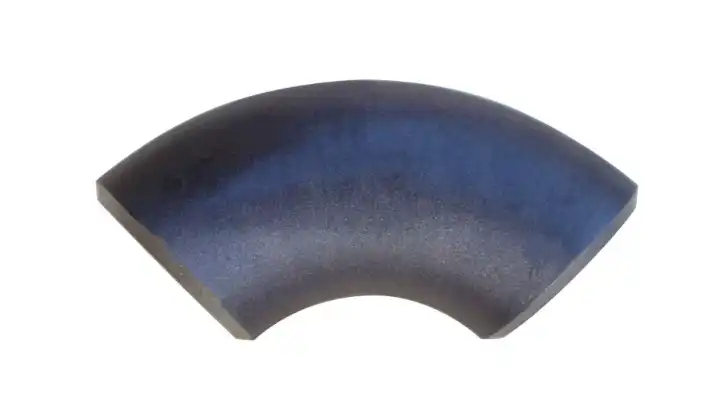
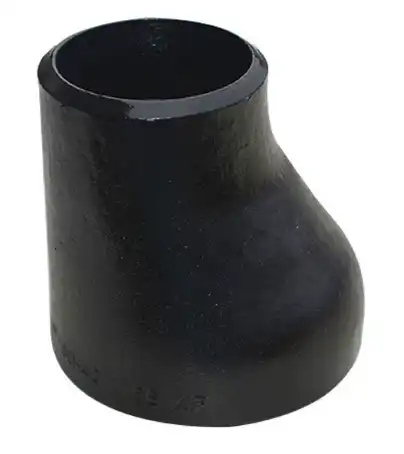
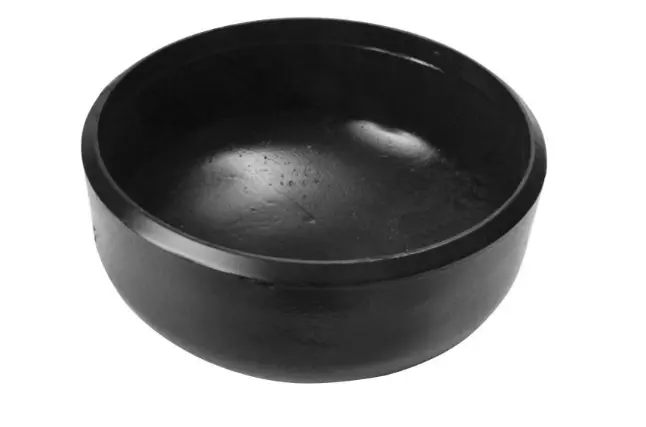
WPB fittings can be used in a lot of different ways because they are designed to work with different types of pipes. Common types of fittings are elbows, which change the direction of the flow, tees, which connect branches, reducers, which change the size of the pipe, and caps, which end the line.
Elbow fittings made to WPB standards can handle changes in the angle of pipe runs. The most common angles are 45 degrees and 90 degrees. These parts keep their full pressure ratings while offering smooth flow, which is important for high-speed uses. Long radius elbows keep pressure drops to a minimum, which makes them perfect for systems that need to be as energy-efficient as possible.
Tee joints, which come in both equal and reducing forms, let you connect branches in pipe systems. Equal tees make sure that all three ports have the same diameter, while reducing tees let you use different pipe sizes in branch uses. Because they are built to last, WPB tees work reliably in systems that handle fuels, steam, and other industrial fluids.
The temperature range that WPB fittings can handle is from -29°C to 425°C (-20°F to 800°F), so they can be used in both normal and high-temperature situations. This temperature range includes most of the methods used to handle oil and gas, make chemicals, and make electricity.
The corrosion-resistance of carbon steel WPB fittings is good enough for places that aren't very harsh. Even though it's not good for highly corrosive situations, the right covering systems and cathodic protection can make things last longer in relatively corrosive settings. Preventive maintenance and regular checking procedures make sure that the system works at its best throughout its entire operating lifecycle.
Comparative Analysis: ASTM A234 WPB vs Other Materials and Standards
When you compare ASTM A234 WPB to other materials, you can see that each has its own pros and cons that affect your choice. ASTM A105 describes forged carbon steel products that are made in different ways but have similar chemical makeup. Forging is used to make A105 materials, but seamless or welded pipe making is used to make A234 WPB fittings. This means that the grain structures and mechanical properties are different.
ASTM A420 is made for low-temperature service uses because it has better impact toughness when it's below zero degrees. The chemical makeup has controlled amounts of nickel and other alloying elements that keep the material flexible at very low temperatures. For normal temperature uses, A234 WPB is often the cheaper option, but for LNG and other low-temperature processes, A420 is a must.
Alternatives made of stainless steel, such as ASTM A403, are better at resisting rust, but they cost a lot more. Stainless steel types are very resistant to oxidation and chemical attack because they contain a lot of chromium. This makes them the best choice for harsh settings. But WPB fittings often meet standards because they are stronger and easier to weld, and they cost a lot less.
WPB fittings can be used in a wider range of complicated pipe systems because they are compatible with related standards. The ASME B16.9 measurement standards make sure that pipes that meet the ASTM A106 and A53 standards fit together correctly. In oil and gas transfer systems, API 5L line pipes work well with A234 WPB fittings. This makes it possible to use combined solutions for important infrastructure projects.
Procurement Considerations for ASTM A234 WPB Fittings
Making responsible purchases for WPB fittings starts with keeping quality assurance records. Heat analysis and standard testing must be used to prove the chemical makeup and mechanical qualities of mill test certificates. Traceability records connect produced goods to the places where the raw materials came from, which lets quality control happen all along the supply chain.
The standards for certification include several steps of checking for compliance. ISO 9001 quality control systems make sure that industrial methods are always the same, and licenses to make specialized equipment show that they follow the rules. Third-party testing services check the accuracy of measurements, the properties of materials, and the cleanliness of the surface on their own.
Minimum order amounts and methods for buying in bulk have a big effect on the total cost of a project. When you buy a lot of something, sellers can improve production runs and lower the cost per unit, which is called economies of scale. When figuring out lead times, you have to think about things like manufacturing plans, quality testing procedures, and how to ship things internationally.
Supply chain dependability becomes an important part of evaluating vendors. Long-standing companies with good track records reduce the risk of shipping problems and make sure that the standard of their products stays the same. Annual production capacity signs help you figure out if a supplier can meet the needs of a big project without rushing deliveries.
Price changes are caused by the cost of raw materials, the difficulty of making something, and changes in market demand. Changes in the price of carbon steel have a direct effect on the costs of WPB fittings, which is why big projects like long-term supply deals. Size and wall thickness requirements affect how hard it is to make and how much it costs. Wall fittings that are bigger and heavier tend to cost more.
Oudi's Excellence in ASTM A234 WPB Manufacturing
As a top ASTM A234 WPB maker since 1998, Cangzhou Oudi Pipe Manufacture Co., Ltd. has helped over 300 customers in over 40 countries with all of their carbon steel fitting needs. In China's best fitting production zone, our 66,600-square-meter factory uses cutting-edge technology and strict quality control systems to make sure we only make the best goods.
We offer all kinds of WPB fittings in our wide range of products, such as elbows, tees, reducers, caps, and even unique designs made to fit the needs of each project. With a production capacity of 16,000 tons per year, we have the size and freedom to help with both big building projects and smaller, more specific needs in the oil, chemical, natural gas, and water conservation industries.
Our facility's quality control measures go above and beyond what is required by the industry. This is possible thanks to our ISO 9001:2000 certification and People's Republic of China special equipment production licenses. Our quality control process includes checking the raw materials, keeping an eye on the work as it's being done, and doing a full final inspection using state-of-the-art non-destructive testing tools. Before it is shipped, every part goes through a strict process of checking its dimensions and material properties.
Our technical consulting services help our customers with both the buying and putting things in place processes. Our engineering team gives you full specs, application advice, and ways to make things your own so that you can choose the best fittings for your needs. Distributors and big buyers can get private labeling and custom package options from companies that make OEM products.
Conclusion
The ASTM A234 WPB standards give engineers a solid way to choose reliable carbon steel pipe fittings for important industrial uses. Knowing the limits of the chemical makeup, the mechanical property requirements, and the manufacturing standards helps you make smart purchasing choices that improve system performance and lower project costs. WPB fittings are essential parts of oil, gas, chemical, and power production systems because they can be used in a wide range of temperatures and pressures. To make sure long-term business success, implementation must pay close attention to quality documents, seller credentials, and compliance proof.
FAQ
What distinguishes WPB from other ASTM A234 grades?
WPB is the usual grade of carbon steel in ASTM A234, and it works best in general pressure uses at normal temperatures. The WP11 and WP22 types have chromium-molybdenum alloying added to them, which makes them stronger and less likely to creep at high temperatures. Different chemical compositions lead to different mechanical properties and temperature service limitations. For normal uses, WPB is the most cost-effective choice.
How does heat treatment affect mechanical properties?
The microstructure and mechanical qualities of WPB parts are directly affected by the heat treatment methods. Normalizing processes reduce the size of the grains and get rid of chemical segregation, which makes the strength and ductility more regular. Stress relief heat processes keep the strength levels while reducing leftover pressures from the forming process. Keeping good records of the heat treatment process is important for making sure that it meets all the requirements and gives the best performance.
Which certifications should buyers verify?
Mill test certificates that confirm chemical analysis and mechanical traits, dimensional inspection reports that confirm compliance with ASME B16.9, and factory quality system certifications are all important pieces of paperwork. Material tracking records allow for full supply chain verification, while third-party inspection certificates add extra security for important uses. For some pressure uses, you may need proof of hydrostatic tests.
Contact Oudi for Premium ASTM A234 WPB Solutions
Are you ready to get high-quality ASTM A234 WPB parts from a company you can trust that has been around for decades? Oudi offers high-quality carbon steel fitting options for your important projects by combining technical know-how, strict quality control, and reasonable prices. We can meet your unique needs while keeping shipping times as short as possible thanks to our large inventory and ability to customize products.
Get in touch with our expert team right away for detailed specs, cheap quotes, and samples that show how dedicated we are to doing a great job. We are the best ASTM A234 WPB seller because we can ship products all over the world and offer standard options as well as custom-engineered solutions.
Get in touch with us at oudi-04@oudiguandao.com to talk about your needs and feel the Oudi difference in professional service and high-quality products.
References
1. American Society for Testing and Materials. "Standard Specification for Piping Fittings of Wrought Carbon Steel and Alloy Steel for Moderate and High Temperature Service." ASTM A234/A234M-19.
2. American Society of Mechanical Engineers. "Factory-Made Wrought Buttwelding Fittings." ASME B16.9-2018.
3. Boyer, Howard E. and Timothy L. Gall. "Metals Handbook: Properties and Selection of Carbon and Alloy Steels." ASM International, Materials Park, Ohio.
4. International Organization for Standardization. "Quality Management Systems - Requirements for Carbon Steel Pipe Fitting Manufacturing." ISO 9001:2015.
5. Smith, William F. and Javad Hashemi. "Foundations of Materials Science and Engineering: Carbon Steel Applications in Pressure Systems." McGraw-Hill Education, New York.
6. American Petroleum Institute. "Specification for Line Pipe and Compatibility with ASTM A234 Fittings." API 5L-2018.

Need help finding the right solution with our experts. Please contact us.

SINCE 1998 Your Reliable Pipeline Manufacturer



