Understanding Pipe Cap Dimensions and Pressure Ratings
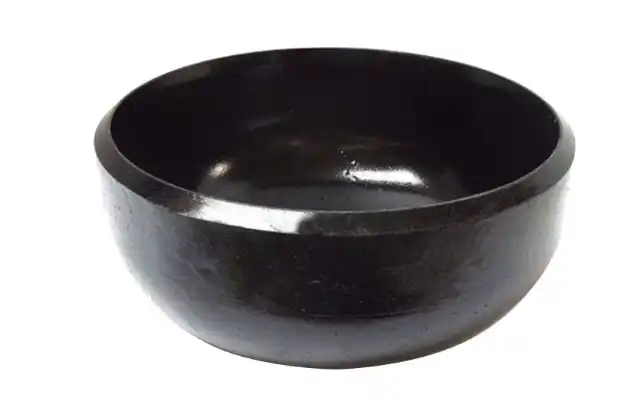
Industrial workers who need reliable plumbing solutions need to know about sizes and pressure ratings. A pipe cap is an important part of sealing off the end of a pipeline system. It is used in oil, chemical, natural gas, and water conservation uses. To make the right choice, you need to know about the dimensions, pressure levels, and how well the materials work together. These things have a direct effect on the safety, operational economy, and long-term success of the system. When buying teams know about these technical factors, they can make smart choices that keep industries from having expensive mistakes and make sure they follow the rules in a wide range of settings.
Essential Overview of Pipe Cap Dimensions
Pipe cap measures are the most important part of integrating a pipe system, so every measurement must be done with great accuracy. Knowing these specs makes sure that parts work with each other and keeps the system's identity throughout its working lifecycle.
Nominal Size and Diameter Specifications
The nominal pipe size is about the same as the internal diameter measurement, but the real sizes may be different depending on the thickness of the wall and the standards used for making. The outer diameter stays the same for all nominal sizes, so fitting joints are always the same even when the pressure number changes. Sizes range from 1/2 inch to 48 inches in nominal units, and their metric versions are based on ISO 6708 standards.
When you measure a diameter, you include both the inside and outside dimensions. This changes the flow capacity and the compatibility of the fittings. The pipe cap's upper shell is sized by its external diameter, and its pressure distribution and stress concentration are affected by its internal diameter. To make sure the seal works and the structure stays strong, these measurements must exactly match the specs for the current pipeline.
Wall Thickness and Height Parameters
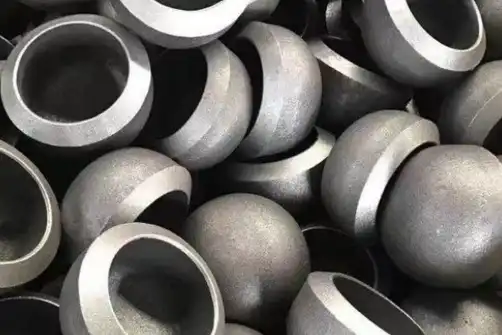
The thickness of the walls is directly related to how well they fight pressure and how long the structure lasts. Based on the pressure class and material grade, ASME B16.9 guidelines set the minimum wall thickness requirements. It is better to have thicker walls because they resist pressure better, but they cost more and are heavier.
The height factors determine how far the cap sticks out from the pipe end, which affects the amount of space needed and how easy it is to install. Standard height ratios are usually between 0.5 and 1 times the standard diameter, but special specs can be made to fit the needs of a particular application. Choosing the right height makes sure that the material is spread out evenly so that welding can be done and that the pressure stays in check.
Measurement Standards and Techniques
International standards make sure that all production sites around the world use the same measurement rules. Standards from ASME, ANSI, ISO, and JIS spell out exact places to measure, acceptable levels of error, and ways to check that measurements are correct. These rules make sure that parts from different makers can be used together.
Digital calipers, micrometers, and coordinate measuring machines are some of the standardized tools that are used in precision measurement. These tools make sure that the measurements are correct within certain limits, which are usually ±0.5mm for everyday use. Regular testing keeps measurements accurate and helps meet quality control goals throughout the production process.
Understanding Pressure Ratings and Their Impact on Pipe Cap Selection
Pressure levels tell you how safe something is to use and whether it can be used in different types of commercial settings. These groups give consistent guidelines for designing systems and picking out parts.
Pressure Classification Systems
PN (Pressure Nominal) numbers show the highest pressure that can be used at 20°C. They are given in bar units. Some common PN grades are PN6, PN10, PN16, PN25, PN40, and PN64. Each one matches a certain wall thickness standard and material specification.
Class grades are based on ANSI B16.5 standards and show how much pressure can be applied at high temperatures. The standard classes are 150, 300, 600, 900, 1500, and 2500. The higher the number, the more air resistance there is. When these ratings are made, temperature derating factors are used to lower the allowed pressure as the working temperature rises.
Testing and Certification Protocols
Under controlled settings, hydrostatic testing makes sure that the pressure can be contained. Test pressures are usually 150% higher than working pressures to make sure there are safety gaps during operation. When using water-based methods could be dangerous, pneumatic tests could be used instead.
Ultrasonic screening and x-rays are two examples of non-destructive testing methods that can find flaws inside that could make the pressure resistance weak. Before parts are put into service, these methods find porosity, inclusions, and weld flaws. Certificates of materials, test reports, and records of measurements must all be submitted as proof.
Environmental Factor Considerations
Changes in temperature have an effect on the properties and pressure values of materials, so derating estimates are needed for service at high temperatures. Thermal cycling causes growth forces that need to be taken into account in the design and choice of materials. To keep things from breaking easily, cryogenic uses need special materials and testing methods.
Fluid interaction affects the choice of material and how well the pressure number works. Over time, corrosive media may make walls thinner, which makes it harder to retain pressure. Based on concentration, temperature, and contact time, chemical suitability charts help choose the right material.
Comparative Analysis of Common Pipe Cap Types and Materials
There are different types of pipe caps that are used for different fitting needs and performance goals. Knowing about these differences lets you make the best choice for each application.
Butt Weld Cap Characteristics
Full-penetration welding methods are used to make butt weld caps that close securely and permanently. For important uses, these caps offer better pressure protection and leak-tight closing. The smooth inside shape cuts down on noise and pressure drop and gets rid of any cracks that could hold dirt.
For some materials and sizes, installation needs trained welders and a heat treatment after the weld. Because butt weld links are permanent, they are great for long-term setups that won't be taken down. Welding can't fix big problems with alignment, so consistency in the dimensions is very important.
Threaded and Socket Weld Alternatives
Threaded caps make it possible to remove links for repair or to close them temporarily. Standard NPT threads can be mechanically held in place with the right thread sealer or tape. These links work well for low-pressure uses and situations where entry needs to be made from time to time.
Socket weld caps combine the benefits of welding with the fact that they are easy to line up. The shape of the hole allows it to self-position and works with small differences in size. A small gap at the bottom of the socket stops rust in crevices and lets thermal expansion happen.
Material Selection Impact
Carbon steel pipe caps are a cheap way to solve a wide range of industry problems. The most typical standard is ASTM A234 WPB, which gives enough strength and weldability for moderate temperature and pressure service. When carbon steel is in a corrosive climate, it needs a protective layer.
Grades of stainless steel, such as 304L and 316L, don't rust and keep their qualities at high temperatures. These materials are more expensive at first, but they last longer in harsh settings. For marine and chemical industry uses, the 316L type is better at resisting chlorides.
Extreme temperatures and pressures are no problem for alloy steel products; carbon and stainless steel can't handle them. Chrome-molybdenum metals stay strong at high temperatures and don't change shape slowly. To properly join and heat treat these special materials, you have to follow specific steps.
Procurement Considerations for Pipe Caps: Pricing, Sourcing, and Quality Assurance
Cost, quality, and shipping dates all need to be taken into account in good procurement strategies. Knowing how the market works and what suppliers can do helps you make smart choices about where to buy things.
Pricing Structure Analysis
Material costs make up the biggest part of pipe cap prices, and they change based on the steel market and metal surcharges. Wall width standards have a big effect on how much material is used and how much it costs in the end. Costs go up exponentially as the width of the cap gets bigger because it needs proportionally more material.
Labor prices and output times are affected by how complicated the manufacturing process is. Standard sizes take advantage of economies of scale and well-known ways to make things. Custom specs mean that more engineering, tooling, and quality control steps need to be taken, which drives up unit costs.
Supplier Evaluation Criteria
Quality management systems, such as ISO 9001 certification, show that a seller is dedicated to providing consistent quality service. Manufacturing permits and special equipment approvals show that a company has the technical know-how to make parts for pressure vessels. These certificates give you trust in the supplier's skills and ability to follow the rules.
Scheduling projects and keeping track of inventory are both affected by production ability and shipping performance. Suppliers who have enough space can handle rush orders and changes in number without lowering the quality of their products. For urgent needs, being close to a place may lower the cost of transportation and speed up supply times.
Quality Assurance Protocols
Incoming checking methods check the accuracy of the dimensions, the properties of the material, and the quality of the surface finish. Costs of inspections and quality risk management are both taken into account by statistical sample plans. As proof, you need material certificates, measurement records, and attestations of the surface quality.
Supplier checks give you information about how things are made, how quality is controlled, and what specialized skills the company has. Regular checks make sure that suppliers are meeting performance standards and find ways to make things better. When people work together, they can improve processes that help everyone by cutting costs and raising quality.
Company Introduction and Our Pipe Cap Solutions
Since 1998, Cangzhou Oudi has been making high-quality pipe fittings for businesses around the world. They offer options made of carbon steel, stainless steel, and alloy steel. Our 66,600-square-meter factory makes 16,000 tons of steel every year, which meets the different size and pressure needs of oil, chemical, natural gas, and water conservation projects.
Manufacturing Excellence and Certifications
Our ISO 9001:2000 quality management system and People's Republic of China special equipment production license show that we are devoted to meeting quality standards at all times. Our whole line of products can be made with precision measurements and pressure ratings that are always met thanks to our high-tech production tools.
Quality control measures are in place from the time the raw materials are received until the end product is delivered. Non-destructive testing and full inspection methods make sure that every pipe cap meets the standards. The most exacting customer proof needs can be met by our advanced detection tools.
Global Market Presence
Our knowledge and high-quality products are relied on by over 300 users in 40 countries for their most important tasks. Our export network includes countries in Europe, North and South America, Africa, Southeast Asia, and the Middle East. This lets us meet the needs of a wide range of markets.
Established distribution partnerships make sure that key areas have access to local products and expert support. Our multifaceted marketing strategy changes to local tastes while keeping quality standards the same around the world. Because we have worked with people from other countries, we can understand and meet the unique needs of each area.
Technical Support and Customization
Engineering support services help customers choose the right material, figure out its pressure grade, and make the best use of its dimensions for a given application. Our expert team works with customers to create unique solutions that meet their specific operating needs and stay within their budget.
Rapid development lets you test your idea before committing to full production. This method lowers the risk and makes sure that the finished goods work as expected. Because we are flexible, we can work with both regular catalog items and custom-built solutions.
Conclusion
Knowing the sizes and pressure values of pipe caps helps you make smart purchasing decisions that protect the system and keep it running smoothly. To make the right design, you need to know about pressure classifications, material qualities, dimensional standards, and the needs of the application. These technical factors have a direct effect on efficiency, cost-effectiveness, and following the rules in a wide range of workplace settings. Technical knowledge, supplier review, quality assurance procedures, and market knowledge are all important parts of successful procurement because they help find the best deals while still meeting safety standards.
FAQ
How do I determine the correct pressure rating for my application?
When choosing a pressure rating, you need to look at the maximum working pressure, the temperature, and the safety factor standards. Think about the biggest pressure that your system will go through, taking into account both temperature changes and pressure spikes. For information on safety factors and derating needs, look at ASME B31.3 or the relevant pipe rules. Working with sellers who have a lot of experience can help you make sure you get the right product for your needs.
What measurement standards apply to international procurement?
For most uses in North America, ASME B16.9 sets the measurements, while ISO norms are used everywhere else. For size needs, European markets often look to DIN guidelines. In Asian areas, Japanese JIS rules apply. When asking for quotes, be clear about the standard that applies to make sure that the sizes are compatible with current systems.
Can pipe caps be customized for non-standard requirements?
Custom pipe caps are made to fit pipes with specific dimensions, materials, and pressure levels that aren't normal. Non-standard wall thicknesses, special metals, and changed shapes are all things that can be manufactured. Custom solutions need to be reviewed by engineers, materials need to be checked, and shipping times need to be pushed back. Minimum quantities may apply based on the difficulty of the design and the needs of the manufacturing process.
What documentation should I expect with pipe cap purchases?
Material test certificates, dimensional inspection records, and pressure test licenses are all common types of paperwork. Mill test papers prove that source materials have the right chemical makeup and mechanical qualities. Dimensional records show that the product meets the standards and limits that were set. Heat treatment records, non-destructive testing reports, and calibration papers for measuring tools are some examples of other paperwork that may be needed.
Call to Action: Partner with Oudi for Reliable Pipe Cap Solutions
Oudi has a long history of serving over 300 customers around the world, which shows our dedication to quality and technical excellence in making pipe caps. Our wide range of products includes both standard and unique designs, and we offer full freedom in terms of size and pressure rating. Email our technical team at oudi-04@oudiguandao.com for full specs, reasonable prices, and delivery plans that are made to fit the needs of your project. We are a reliable pipe cap supplier with a global distribution network and a history of making high-quality products. We can give your projects the knowledge and quality guarantee they need.
References
1. ASME B16.9-2018, Factory-Made Wrought Buttwelding Fittings, American Society of Mechanical Engineers, 2018.
2. ASME B31.3-2020, Process Piping Code, American Society of Mechanical Engineers, 2020.
3. ISO 6708:1995, Pipework components - Definition and selection of DN (nominal size), International Organization for Standardization, 1995.
4. ASTM A234/A234M-21, Standard Specification for Piping Fittings of Wrought Carbon Steel and Alloy Steel for Moderate and High Temperature Service, ASTM International, 2021.
5. API 5L-2018, Specification for Line Pipe, American Petroleum Institute, 2018.
6. MSS SP-43-2018, Wrought Stainless Steel Butt-Welding Fittings, Manufacturers Standardization Society of the Valve and Fittings Industry, 2018.

Need help finding the right solution with our experts. Please contact us.

SINCE 1998 Your Reliable Pipeline Manufacturer



