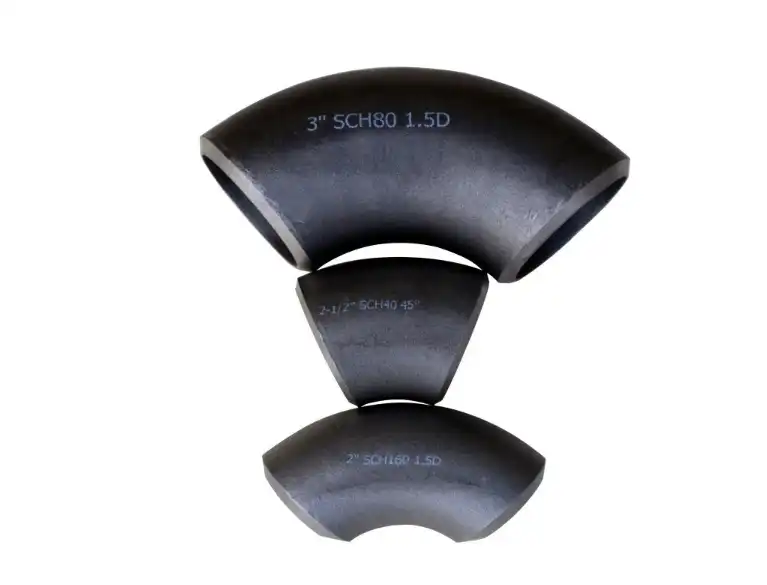
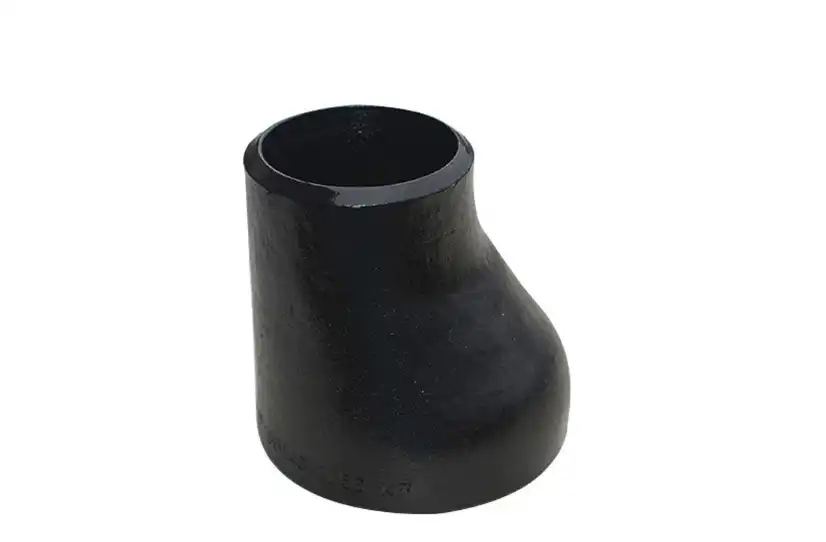
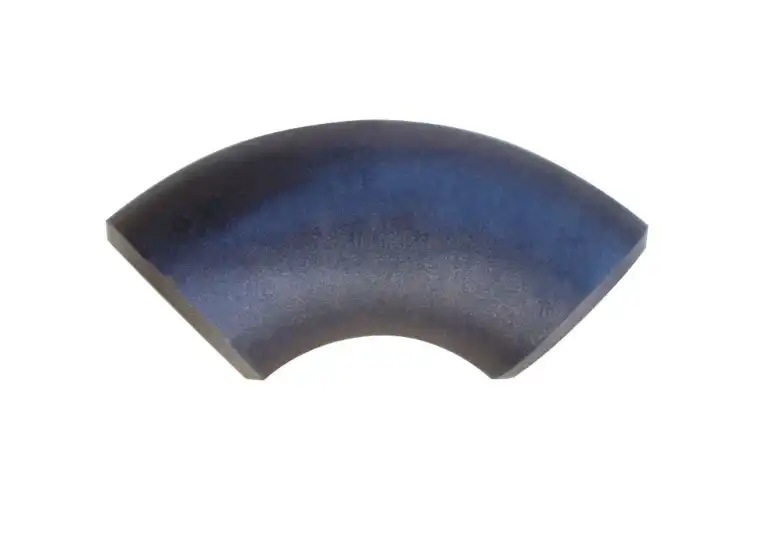
Bulk Buying Tips for Carbon Steel Pipe Fittings: Save Cost in Large Projects
Large industrial projects can require thousands of fittings before a single pipeline is ready for commissioning. Oil and gas facilities, petrochemical plants, power stations, water infrastructure, and other process facilities may use large quantities of elbows, tees, reducers, caps, crosses, and stub ends across multiple piping systems. When the volume is this high, the purchasing strategy for carbon steel pipe fittings can affect far more than the material budget. It may impact inventory levels, installation timetables, inspection workload, freight charges, and even the possibility of delays to the project. Bulk buying may result in substantial discounts, but a big purchase doesn’t inevitably equal a cost-effective transaction. If requirements are imprecise, numbers are wrong or supplies come too early, the apparent unit-price save might soon vanish with extra inventory and increased handling expenses. A more pragmatic way is to look at bulk buying as a whole supply-chain choice, rather than merely asking a manufacturer for a cheaper price. For EPC contractors, distributors, and project procurement teams, the objective should be to achieve the proper quantity, specification, quality, and delivery schedule at a competitive overall cost. These tactics can help purchasers make that selection with more confidence.
Start With a Clear Material and Project Requirement
Build the Purchase Quantity From Actual Project Data
The primary source of savings is good preparation. Before receiving bulk quotes, procurement teams must aggregate data from pipe isometric drawings, material take-offs, line lists, equipment layouts, and construction schedules. This establishes not only the overall number of each fitting but also the time when those fittings will really be needed on the construction site.
For example, a project may need several thousand elbows in total, but those elbows may be distributed among various diameters of pipe, wall thicknesses, pressure classes, materials, and project criteria. If you treat them as one generic product, you may get a deceptive estimate and, more significantly, make wrong purchase choices.
Thus, it is preferable to classify the demand by fitting type, nominal pipe size, schedule or wall thickness, material grade, relevant standard, end connection, quantity, and desired delivery date. This enables vendors to provide a quote based on the real production needs, rather than a rough description of the product.
This process also helps surface real prospects for consolidation. If the same specification is used in more than one project area, these amounts may be merged into a single production program, avoiding superfluous stocks.
Balance Bulk Discounts Against Inventory Costs
A supplier may provide a cheaper unit price for a bigger order, but the lowest unit price does not always mean the lowest total procurement cost. Extra fittings might tie up working capital, demand extra storage space, increase handling, and present the danger of damage or corrosion before installation.
This is even more crucial if the project is characterized by a protracted construction duration. If the whole demand is ordered several months or even years before installation, a favorable price may be offered. The customer, however, has to bear the expense and the danger of keeping such goods for a long time.
A preferable strategy is to weigh the predicted bulk discount on carbon steel pipe fittings against storage, financing, handling, inspection, and possible material replacement expenses. If the manufacturer is able to retain the price agreed upon and fulfill the order in a number of planned batches, the arrangement may create a better balance between pricing and inventory management.
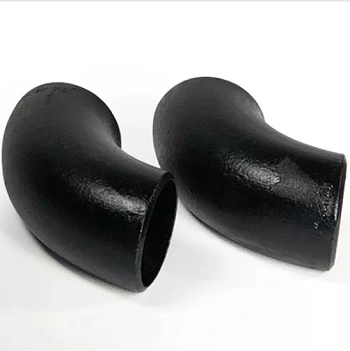
Use Order Consolidation to Create Real Purchasing Leverage
Combine Compatible Requirements Instead of Buying Blindly
Concentrating purchases puts buyers in a better negotiation position since manufacturers can more effectively organize raw resources, manufacturing sequences, inspection, and packing. However, consolidation should be done based on comparable standards and not just increasing the order quantity.
For example, a manufacturer may be able to combine various lots of the same ASTM material grade, specifications, and appropriate manufacturing standard to improve output. But ordering numerous different sizes and specs in one order may not provide the same production benefit.
So the procurement team has to determine which criteria can really be combined. The aim is not to make the buy order as big as possible, but to develop a purchasing structure that is efficient for the project and for the manufacturer.
Negotiate the Complete Commercial Package
Price is simply one factor in the bulk-order discussion. Buyers should also address pricing validity, payment terms, manufacturing lead time, inspection procedures, packaging, delivery schedules, and how to handle variations in raw material prices.
If the provider can provide flexible delivery and better quality assurance, a somewhat higher unit price may be acceptable. Likewise, a cheap quote may be less enticing if it needs full payment long in advance or has a limited price-validity term exposing the project to unforeseen rises.
For large projects it is frequently better to negotiate the whole commercial package rather than just try to reduce the price of individual fitting.
Verify Standards Before Comparing Supplier Quotations
Match Each Fitting to the Correct Specification
The pricing should be compared only once the standards are validated, since two fittings may seem comparable but not be interchangeable from an engineering or procurement viewpoint.
For example, carbon steel butt-weld fittings may be bought to standards such as ASTM A234, Wrought Carbon and Alloy Steel Piping Fittings, which covers wrought carbon and alloy steel fittings. ASME B16.9, Factory-Made Wrought Steel Buttwelding Fittings, covers dimensions and tolerances of factory-made wrought butt-welding fittings. Other applications may vary specifications in terms of design circumstances, material grade, size range, or project needs.
The crucial thing is that purchasers should not think that one standard covers all aspects of the product. Material requirements, dimensions, manufacturing requirements, testing, marking, and project-specific requirements may be derived from different documents.
Prior to issuing a major purchase order, the procurement team should check the supplier’s quote against the authorized material demand and project specification. This basic check may avoid the costly scenario when a large consignment comes at a cheap price but cannot be approved by the project.
Make Documentation Part of the Purchasing Requirement
Proper documentation should be agreed upon before going into production. This may contain, depending upon the project, material certifications, inspection certificates, heat number tracings, dimensional inspection reports, chemical composition findings, mechanical test results, and any other documentation required by the customer.
To be meaningful, traceability requires that the paperwork matches the actual carbon steel pipe fittings delivered. Markings, batch details, and heat numbers should be consistent between the material certificate and the physical fittings.
This is particularly critical for larger purchases, because a documentation mistake on one batch might result in extra verification work on hundreds or thousands of items. As a general rule, it is considerably simpler to administer well-defined documentation requirements at the quote stage than trying to cure missing paperwork after shipping.
Control Quality Without Creating Unnecessary Inspection Costs
Apply a Risk-Based Inspection Strategy
Inspection is important in many industrial operations, but more inspection doesn't always guarantee better procurement. The inspection strategy should take into account the relevance of the fittings, project criteria, supplier history, and contractual obligations.
For important applications the buyer may request third-party inspection of measurements, material identification, paperwork, visual condition, marking, and other specified criteria. When independent inspection is needed by the project or customer, organizations such as SGS, TUV, and Bureau Veritas may be engaged.
The scope and points of examination should be discussed and approved beforehand. This can avoid disputes over whether an inspection was performed at the correct manufacturing stage or whether the supplier was given adequate notice to prepare the products and the records.
If project specifications permit, for regular orders from a known supplier, the inspection method may be less stringent. A good quality plan concentrates resources to where a failure would have the most financial or operational impact.
Check Supplier Quality Consistency Across Large Batches
A supplier may offer a passable sample, but this does not guarantee that they can consistently deliver on a big order. Buyers should look for manufacturing capacity, process controls, inspection systems, past export experience, and the supplier's ability to keep specs constant throughout the production run.
This is especially critical when the project calls for thousands of fittings. Even a tiny fault rate may become a big problem when compounded across a large cargo load. Consistency is consequently a key aspect in the value of a bulk buy.
Plan Delivery Around Construction Rather Than Warehouse Capacity
Use Scheduled Deliveries When the Project Timeline Allows
Purchasing in bulk does not necessarily guarantee that all of the fittings will be delivered simultaneously. For projects with protracted building timetables, regular deliveries may ease the load on the warehouse while still enjoying the commercial benefits of a bigger purchase arrangement.
For example, a customer may agree with the manufacturer on a total amount and then create several delivery windows depending on building milestones. This approach may be especially effective if the pipe system is separated into units, process regions, or project stages.
The supplier has a better idea of what they are going to be producing, and the customer does not load the warehouse with items that are not going to be installed for many months.
Protect Fittings During Storage and Transportation
Carbon steel fittings must be well protected during shipping and storage, as moisture, condensation, contamination, and improper handling may impair the surface quality. Materials on such projects are typically bouncing between numerous sites before being installed, and the risk of damage increases.
Packaging needs should also be negotiated prior to shipping. Depending on the location and circumstances of the project, buyers may want safe packaging, proper bundling, clear labels, and packing lists to facilitate reception and material identification.
Good logistics planning for carbon steel pipe fittings is more than just finding the cheapest way to ship. A late shipment, or a broken batch, or a badly documented box might cost much more than the initial freight reduction.
Compare Suppliers by Total Cost Instead of Unit Price
Look at the Hidden Costs Behind a Low Quotation
When many manufacturers respond with quotes, procurement teams need to look beyond the headline price. An extremely cheap unit price from a supplier may mean longer lead times, less paperwork, less inspection assistance, or less flexible delivery terms.
These variables may alter the actual cost of the project. Construction personnel may have to delay or reschedule work if supplies arrive late. If case documentation is not comprehensive, the project quality team may need further verification. If fittings are not wrapped well, damaged materials may need to be replaced.
When taking into account delivery dependability, documentation, quality consistency, and technical support combined, a supplier with a slightly higher estimate might therefore turn out to be the more inexpensive alternative.
Request Comparable Quotations
All manufacturers are provided with the same technical and commercial information, facilitating the assessment of supplier bids. The inquiry should clearly describe the appropriate kinds, sizes, material grades, relevant standards, quantities, inspection criteria, paperwork, packing expectations, delivery location, and needed timeline.
This is a relevant comparison of vendors. Otherwise, two quotes can look different in price merely because one supplier did not include inspection, paperwork, freight, or other project requirements.
Develop a Supplier Relationship Before the Next Large Order
Evaluate Manufacturing Capability and Production Capacity
A long-term connection is useful if the supplier can meet the need for recurrent project needs. The procurement teams should look to the manufacturer for proper forming, heat treatment, machining, testing, marking, and inspection skills for the essential fittings.
Another thing worth talking about before making a big purchase is production capacity. A supplier may be able to produce a small trial order quickly but may find it difficult to meet the timetable when multiple major projects are going concurrently.
Knowing the true production capacity of the manufacturer might assist customers in avoiding committing a significant project to a supplier that currently is pushed to meet capacity.
Keep Communication Open After the Purchase Order
Bulk purchase is simpler if engineering, buying, quality, manufacturing, and logistics departments can talk directly to each other. When the supplier has an established communication mechanism, changes in quantities, drawings, delivery dates, inspection schedules, or packing needs are considerably simpler to handle.
One reason for this is because long-term supplier partnerships might provide savings not immediately evident in the original price. A manufacturer that has experience with a customer’s documentation system and quality requirements generally will be able to react more quickly to recurring orders than a brand new supplier.
Conclusion
Bulk purchasing can reduce the cost of carbon steel pipe fittings, but the strongest savings come from managing the entire procurement process rather than simply negotiating a lower unit price. Accurate quantity planning, compatible order consolidation, clear specifications, reliable documentation, risk-based inspection, scheduled delivery, and appropriate storage all contribute to the actual cost of the purchase.
For large industrial projects, buyers should also consider costs that do not appear on the quotation. Excess inventory can tie up capital, poor packaging can create damage, incomplete documentation can delay acceptance, and unreliable delivery can disrupt construction. A supplier offering a slightly higher initial price may ultimately provide better value if it consistently meets quality, documentation, and delivery requirements.
When comparing manufacturers, procurement teams should therefore evaluate the complete commercial and technical package. Production capacity, material traceability, standards compliance, inspection support, lead time, logistics capability, and experience with international projects should all be considered alongside the quoted price.
For buyers sourcing carbon steel pipe fittings in large quantities, the most effective strategy is to establish the project requirements early, consolidate only compatible demand, negotiate practical delivery terms, and select a manufacturer that can support the order from production through final shipment. This approach can reduce avoidable procurement costs while giving EPC contractors, distributors, and project owners greater confidence that the fittings will arrive in the right specification, at the right time, and with the documentation required for project acceptance.
For more information on our high-quality carbon steel pipe fittings and bulk purchasing options, please contact us at oudi-04@oudiguandao.com. Our team at Cangzhou Oudi Pipe Manufacture Co., Ltd. is committed to providing excellent products and services to meet your project needs.
References
1. Smith, J. (2021). Strategic Procurement in Industrial Projects. Journal of Supply Chain Management, 45(3), 78-92.
2. Johnson, A. & Brown, T. (2020). Cost Optimization Techniques in Large-Scale Construction. International Journal of Project Management, 38(2), 145-159.
3. Lee, S. (2019). Quality Control in Bulk Purchasing of Industrial Components. Quality Engineering, 31(4), 502-515.
4. Williams, R. (2022). Inventory Management Strategies for Project-Based Industries. Operations Research Quarterly, 53(1), 67-81.
5. Chen, H. & Davis, K. (2020). Market Analysis and Price Forecasting in the Steel Industry. Journal of Commodity Markets, 18, 100-112.
6. Thompson, E. (2021). Logistics Optimization in Large-Scale Industrial Procurement. International Journal of Logistics Management, 32(3), 300-315.

Need help finding the right solution with our experts. Please contact us.
SINCE 1998 Your Reliable Pipeline Manufacturer