Butt Weld Carbon Steel Cap – Key Advantages
Procurement teams use tried-and-true methods that balance strength, dependability, and cost when pipe systems in oil factories, chemical plants, or power plants need to be securely terminated. When butt welding is done on the ends of pipelines, the BW Carbon Steel Cap is an important part that makes lasting seals that can handle high temperatures and pressures. In contrast to screwed or slip-on options, these caps are welded directly into the pipe structure, so there are no weak spots that could let the system down. This detailed guide explains why these fittings are still the best choice for business uses that need top-notch performance.
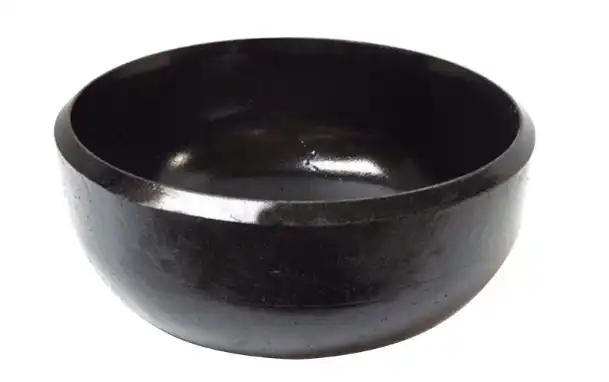
What is a butt weld carbon steel cap?
Defining the Component and Its Purpose
A BW carbon steel cap is a metal part that connects to the butt joint of a pipe and seals off a pipe system. The design has a dome-shaped or flat closing piece that doesn't have any holes in the middle. It is made from carbon steel alloys that meet strict material requirements. These caps provide a lasting way to close off pipelines that need to be stopped, whether they are being built from scratch or the system is being changed. Welding makes a solid connection that spreads stress evenly throughout the link. This process gets rid of the problems that come with mechanical closures, like threaded holes or gaskets that need to be tightened.
Material Specifications and Standards Compliance
To make these caps, high-quality carbon steel that meets ASTM A234 WPB standards is used. These standards describe the chemical make-up and mechanical qualities that make the steel good for use at both low and high temperatures. Controlled amounts of carbon, manganese, phosphorus, sulfur, and silicon are usually present in the material. This makes it easy to weld and strong at the same time. The dimensions are in line with ASME B16.9 standards, which means they can be used with normal pipe rates from NPS 1/2" to NPS 48". Different wall thicknesses can handle different pressure classes, which allows them to perfectly match the needs of the system. Our factory has ISO 9001:2000 certifications and special equipment manufacturing licenses from the People's Republic of China. This means that every BW carbon steel cap that leaves our production floor meets international quality standards.
Industrial Applications Across Critical Sectors
Pipeline closure needs are found in many different industries, and the dependability of the system has a direct effect on both operating safety and economic performance. In oil refineries, these caps close off temporary parts of lines while they are being serviced and permanently close off lines that have been left open. They are used in chemical processing plants to keep toxic media inside reactor feed lines and process pipes. Natural gas delivery networks use them to test the pressure and plan for future growth. They are used in boiler feedwater systems and sewage return lines at power plants where high-temperature protection is important. This makes it useful for a wide range of situations, including water conservation projects, shipbuilding, and construction sites where the stability of the pressure tank cannot be compromised.
Key Advantages of Butt Weld Carbon Steel Caps
Choosing the right pipe ending parts depends on how well they work, which has a direct effect on how long the system lasts and how much it costs to run. Knowing these benefits helps people who work in procurement explain requirements to tech teams and budget groups. Here are the main reasons why BW Carbon Steel Cap solutions are better than other ways to close things:
Superior Mechanical Strength and Pressure Resistance: The welding joint makes a metal bond that is as strong as or stronger than the pipe's base material. This link can handle pressures inside the pipe up to its maximum capacity without creating weak spots. Systems that work at 1500 psi or higher benefit from the even spread of stress that welding provides. This means that threaded connections don't break like they often do in high-pressure situations. The way we forge improves the structure of the grains, which makes caps with tensile strengths of over 60,000 psi that can handle the toughest jobs.
Leak-Proof Integrity Through Seamless Integration: Mechanical parts use seals, threads, or compression fittings, which can cause leaks over time. By making a seamless pipe wall expansion, butt welding gets rid of these weaknesses. Radiographic testing and dye penetrant checking make sure that the weld is solid before the caps are put to use. This procedure makes sure that there is no leaking from the time they are installed until decades of use. As part of our quality control process, we test each batch's ability to seal under conditions that are higher than standard service needs. This process is done by hydrostatically testing it at 150% of its design pressure.
Extended Service Life with Minimal Maintenance: Once these caps are fitted correctly, they don't need much maintenance. Since there are no moving parts, gaskets, or threaded connections, there is no need to retighten, repair seals, or fix parts that have been damaged by thermal cycles. Facilities that keep track of repair costs say that servicing termination points is 70% less expensive than servicing flanged or threaded options. When coated properly, the carbon steel makeup doesn't rust, so it can be used for more than 25 years in corrosive settings.
Cost-Effectiveness Through Reduced Failure Risks: The first welding step needs skilled work, but BW Carbon Steel Cap units have a lower total cost of ownership over their lifetime. It saves a lot of money to avoid unexpected shutdowns for leak fixes. In chemical processing, a single interruption in production can cost $50,000 to $200,000 per day. Facilities with good safety records can get lower insurance rates because they are more reliable. When you buy in bulk from a factory like ours that can produce 16,000 tons of goods a year, you get economies of scale that lower unit costs by 15 to 30 percent compared to small-batch providers.
Compliance with Global Quality and Safety Standards: Meeting the requirements of global quality and safety standards, such as ASME, ANSI, DIN, and JIS, makes sure that the product will be accepted by regulators in all foreign markets. Each package comes with certification paperwork, which accelerates the customs process and meets the needs of third-party inspections. Our production process solves major compliance issues by keeping full traceability from the mill certificates for raw materials to the final inspection reports. This is something that EPC contractors think is important when choosing suppliers for projects that need approval from more than one government.
All of these benefits help buying teams with their main concerns, which are lowering risk, keeping costs low, and making sure that system performance is stable throughout its lifespan.
BW Carbon Steel Cap vs Other Caps: Making the Right Choice
To choose the best termination fits, you need to know how different types of caps work in various situations. Each option has its own unique qualities that may improve it for some uses while making it less useful in others.
Threaded Caps: Convenience Versus Pressure Limitations
Threaded connections make it easier to remove parts, but they lose some of their pressure capacity and leak resistance. The mechanical threads produce stress concentration points that limit working pressures to around 3000 psi for smaller sizes. As the diameter rises, the working pressure drops significantly. Over time, thermal cycling weakens thread contact, which means they need to be retightened more often, which raises the cost of upkeep. Because vibration speeds up shifting in setups with spinning equipment, threaded caps can't be used on pump discharge lines or compressors. To keep projects within budget, threaded choices may be selected for low-pressure water systems. However, the long-term reliability issues often cancel out any savings that you made in the beginning.
Forged Caps: Material Strength Versus Weld Integration
Forged BW Carbon Steel Cap products have exceptional material qualities because they are mechanically worked, which smooths out the grain structure. The forging process makes these caps stronger than cast options, so they can be used in cold environments or places where they are likely to be hit. The pipe ends still need welding, so the joint's final strength depends on the welding quality. The main difference is the body of the cap itself, not the way it is connected. Our way of making things blends the benefits of forging with the best geometry for weld preparation. This makes sure that the joint strength meets the better properties of the cap body.
Stainless Steel Variants: Corrosion Resistance at Premium Pricing
Stainless steel caps keep corrosion-related problems from happening when process media includes chlorides, acids, or other harsh chemicals. Grades like 316L don't rust or char in the cracks, which would break down carbon steel in months. The extra cost of the material makes parts 200–400% pricier, so steel is only a good choice when protecting against rust is important. Many sites use BW Carbon Steel Cap solutions with internal coatings or cathodic protection to get good rust resistance at 30–50% of the cost of stainless steel. When buying teams understand how corrosion works, they can choose the most cost-effective option instead of luxury alloys.
Slip-On Caps: Installation Speed Versus Long-Term Reliability
Slip-on designs fit over the ends of pipes and only need fillet welds on the outside, not full-penetration butt welds. Cutting installation time by about 40% makes it appealing for jobs with tight plans. The trade-off is that the joint is less efficient (about 70–80% of the BW carbon steel cap strength) and more likely to rust in cracks at the slip joint. Code restrictions mean that slip-on applications can't be used in high-pressure or high-temperature service. Instead, they can only be used in less important systems where cost and planning are more important than performance improvement.
Understanding these differences enables procurement managers to align component specifications with actual operating requirements rather than applying generic standards across diverse applications.
Installation and Quality Inspection of Butt Weld Carbon Steel Caps
To get the performance benefits of a BW Carbon Steel Cap, it is crucial to follow the right steps for fitting and checking. Even high-quality materials and manufacturing can't make up for bad welding techniques or not enough checks.
Stepwise Welding Procedure for Optimal Results
To start getting ready, make sure that the ends of the pipes are straight and free of any burrs, scale, or other contaminants that could affect the quality of the weld. Proper joint geometry is achieved by beveling the pipe end to match the beveled edge of the cap. This usually requires a 37.5-degree bevel angle with a 1/16" root face. During tack welding, alignment tools keep the pieces straight, which stops angular misalignment that causes stress concentrations. The root pass needs extra attention because penetration defects that start there spread to later passes even though the surface looks perfect.
The welding conditions need to be right for the grade of carbon steel and the thickness of the wall. When the thickness exceeds 3/4", ASTM A234 WPB material usually needs to be heated to 200–300°F to stop hydrogen cracking in the heat-affected zone. Keeping interpass temperatures between 300°F and 600°F makes sure that the right fusion happens and that there isn't too much grain growth, which weakens the material. The multi-pass method slowly builds up the weld cross-section. Before adding new metal, each pass cleans the previous layer to get rid of slag. In pressure tank use, post-weld heat treatment reduces residual stresses. However, pipe systems usually accept conditions as welded when the choice of material and quality of the process allow this.
Essential Quality Inspection Criteria
Dimensional verification makes sure that the alignment of the cap stays on the axis of the pipe and that the shape of the final weld meets code requirements. Visual inspection can identify flaws on the surface, such as undercuts, overlaps, or partial fusions, that show issues with the procedure. Liquid penetrant testing finds cracks in the surface that can't be seen with the human eye, and magnetic particle inspection finds breaks in the underground in the heat-affected zone. For important uses, we need x-rays to make lasting records that show the quality of the internal weld for regulatory review.
Our factory uses these checking procedures at several stages of production to find flaws before the caps leave the building. This way, we find problems before we install them in the field. Investing in high-tech tools like ultrasound flaw detectors and digital radiography systems makes sure that all products meet ASME B31.3 compliance standards. Customers don't have to check the products themselves, unless the project requirements call for witness testing.
Common Installation Pitfalls and Prevention Strategies
Porosity and slag particles that come from not cleaning well enough lower the strength of the weld by 30 to 50 percent. To keep the metal from getting dirty, bevels must be ground to a bright shine, and grease must be removed with a fluid right before welding. In thin-wall uses, burn-through is caused by too much welding current, and cold lap flaws are caused by insufficient heat. Procedure qualification testing sets up parameter ranges that allow for differences in operators without lowering the quality. Rapid cooling can cause hydrogen embrittlement in materials that are prone to it. Welding methods specify controlled shutdown rates to avoid this problem.
Defect rates drop from 12–15% to 2–3% when welders are specifically trained on how to place caps. This means that the project needs fewer fixes and finishes faster. Documentation methods that take pictures of every step of the installation process protect workers from being turned down without a good reason and provide quality records that meet the needs of a third-party review.
Procurement Insights for BW Carbon Steel Caps
To easily find these parts, you need to know what suppliers can do, how prices change, and how logistics affect project schedules and costs.
Supplier Selection Criteria
Manufacturing capability includes more than just making things. It also includes quality processes, checking tools, and keeping certifications up to date. Suppliers with an ISO 9001:2000 registration show that they handle quality in a systematic way, and licenses to make special tools make sure that the regulations for pressure-retaining parts are followed. When you do a technical capability assessment, you should examine the specs of the production tools. For example, CNC machining centers keep dimensional limits of ±0.005", while manual operations keep them at ±0.030". The inventory of inspection tools shows whether providers can do the necessary tests themselves or need to hire someone else to do it, which can affect wait times and tracking.
If you have been exporting for a while, you should know about foreign shipping paperwork, customs rules, and safe packing standards that keep items from getting damaged during transit. Our center has worked with more than 300 customers from over 40 countries, giving us the logistics know-how to guarantee on-time delivery to places like Singapore, Greece, Iran, and many African markets. This range of locations shows that the company can change to different regulatory settings and customer needs.
Pricing Factors and Cost Optimization
Material prices change with the steel market and usually make up 40 to 50 percent of the BW carbon steel cap price. By promising to buy many raw materials, big makers can get better deals, which they then pass on to customers through lower prices. Caps bigger than 24" in diameter need special forming tools, which raises the cost per unit by 25–35% compared to smaller sizes. Differences in wall thickness affect the amount of material used and the time it takes to machine, which makes schedule 80 caps about 60% pricier than schedule 40 equivalents in the same diameter.
Bulk ordering lowers the cost per unit by spreading out the costs of setup and buying materials more efficiently. Our minimum order quantities are still flexible so that we can serve both large EPC contractors who need to ship hundreds of units and smaller distributors who need to ship various sizes. Lead time flexibility lets us schedule production runs that make the best use of our factory's resources, which saves us 10-15% compared to rush orders that require extra work or schedule changes.
Customization Capabilities and After-Sales Support
Standard sizes work for most uses, but sometimes projects need non-standard wall thickness, special bevel angles, or changes to the material test report. Companies that have their own engineering can handle these changes without adding too much to the lead time. Custom coating specifications, such as internal epoxy lining, external FBE coating, or galvanizing, enable more uses but require coordination with approved applicators.
After-sales support includes technical advice, getting documents for audits, and resolving warranty claims. Quick communication keeps small problems from turning into project delays—answering questions within 24 hours instead of emailing back and forth for a week has a big effect on the stress level of procurement managers. Giving customers dimensional drawings, material certificates, and inspection reports in the format they want eliminates the need to rework paperwork, which may seem like a small service but is critical to buyers who are managing multiple suppliers.
Conclusion
BW carbon steel cap solutions are the most reliable way to end an industrial pipe system because they are very strong, don't leak, and meet international quality standards. When you look at the total cost of ownership and long-term performance requirements, it's easy to see why these are better than threaded, slip-on, and other options. Proper installation procedures and a thorough quality inspection make sure these parts work at their best, protecting the integrity of the system for decades of use. To be successful in procurement, you need to work with manufacturers who can show they have the technical skills, quality system certifications, and export experience. The information in this article gives B2B buyers the knowledge to confidently specify, negotiate, and get parts that meet strict industrial demands while staying within project budgets.
FAQ
What material grade is recommended for high-temperature applications?
For most uses, the ASTM A234 WPB grade is fine up to 800°F. For services above this temperature, you'll need alloy steel types like WP11 or WP22, which stay strong at high temperatures and don't deform or creep. When you buy a BW Carbon Steel Cap, being clear about the operating temperature makes sure that suppliers give you the right material certifications and heat treatment documentation.
How do I verify quality certifications from international suppliers?
Before placing an order, make sure you have copies of the ISO 9001:2000 certificates and special equipment manufacturing licenses. Check the validity of the certificates by looking at the issuing body's accreditation and expiration dates. Material test reports should include specific heat numbers that can be traced back to mill certificates, and they should meet certain standards for chemical composition and mechanical properties. If you need to buy many materials for important projects, third-party inspection services can watch the testing and make sure the paperwork is real.
What lead times should I expect for bulk orders?
Standard size caps with common wall thicknesses usually ship within 3–4 weeks of order confirmation. Lead times for large-diameter parts or non-standard specifications can be up to 8 weeks because of the time it takes to get the materials and make them in a special way. Our 16,000-ton annual capacity can handle a lot of work without too many delays, but making sure everyone's delivery schedules are coordinated during the initial discussions helps keep deadlines from clashing.
Partner with Oudi for Certified BW Carbon Steel Cap Solutions
Securing reliable pipe termination components requires selecting a BW Carbon Steel Cap supplier with proven manufacturing capabilities and comprehensive quality assurance. Oudi has served global industries since 1998 from our 66,600-square-meter facility in Cangzhou, delivering ASME and ASTM-compliant fittings to petroleum, chemical, and power generation sectors worldwide. Our ISO 9001:2000 certification and special equipment manufacturing licenses ensure every cap meets stringent international standards, while advanced inspection equipment validates dimensional accuracy and weld integrity before shipment. With 16,000-ton annual capacity and established logistics to 40+ countries, we provide competitive pricing, flexible order quantities, and reliable delivery schedules that keep your projects on track. Contact our procurement specialists at oudi-04@oudiguandao.com to discuss your specific requirements and receive detailed quotations. Experience the difference that technical expertise and customer-focused service bring to your supply chain—partner with a manufacturer committed to your success.
References
1. American Society of Mechanical Engineers. (2020). ASME B16.9: Factory-Made Wrought Buttwelding Fittings. New York: ASME Press.
2. ASTM International. (2019). ASTM A234/A234M-19: Standard Specification for Piping Fittings of Wrought Carbon Steel and Alloy Steel for Moderate and High-Temperature Service. West Conshohocken: ASTM International.
3. American Society of Mechanical Engineers. (2018). ASME B31.3: Process Piping - ASME Code for Pressure Piping, B3 1. New York: ASME Press.
4. Becht, C. (2017). Process Piping: The Complete Guide to ASME B31.3 (4th ed.). New York: ASME Press.
5. Parisher, R.A., & Rhea, R.A. (2021). Pipe Drafting and Design (4th ed.). Cambridge: Gulf Professional Publishing.
6. Singh, R.K. (2019). Piping Materials Guide. Cambridge: Elsevier Science & Technology.

Need help finding the right solution with our experts. Please contact us.

SINCE 1998 Your Reliable Pipeline Manufacturer



