How to Select Elbows for Chemical Processing Plants?
When chemical processing companies choose the right elbow, they need to carefully think about the working conditions, the fit of the materials, and industry standards. Chemical industry carbon steel elbows used in the chemical industry are important guiding parts of pipe systems that handle harsh fluids, high pressures, and changes in temperature. To make the right choice, you must first understand your process environment, including the types of fluids, pressures, temperature ranges, and the chance of rust. By matching these operating factors with the right elbow specs, such as the material grade, radius type, and connection method, you can make sure that the system works well and avoid costly failures. Quality licenses and provider knowledge will further ensure your business's long-term safety and performance.
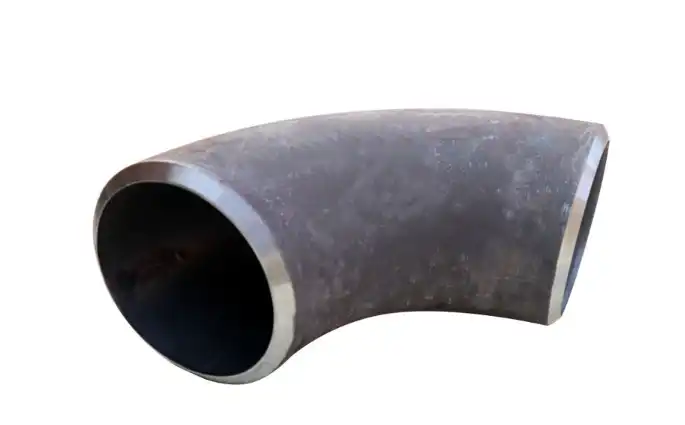
Understanding Carbon Steel Elbows in Chemical Processing
In chemical plants, carbon steel bends change the flow within pipe networks. Usually, these fittings come in two standard angles: 45-degree elbows are used for smoother changes in direction, and 90-degree elbows are used for sharp turns in tight areas. There are short radius (SR) and long radius (LR) forms of both designs. The radius type depends on the distance from the centerline to the end of the bend.
Why Carbon Steel Dominates in Chemical Plants?
Hot making methods, such as hot pushing and heat bending, are used to make bends in carbon steel pipes. These methods can create seamless or welded shapes. This method of manufacturing produces parts that are very strong and suitable for high-pressure situations. Carbon steel is popular in chemical plants because it offers a good balance of strength and cost-effectiveness. These parts last under tough conditions in facilities that process gasoline products, industrial chemicals, and treated water.
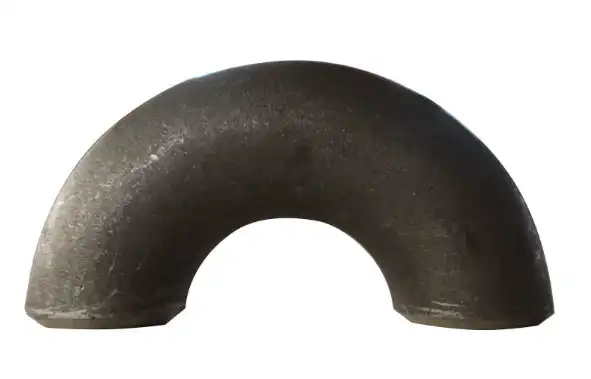
Standard Angles and Their Applications
The 45-degree short-radius elbow is useful for installations with limited room where pipes need to go around tools or building parts. Because its small bend radius is the same as the pipe's standard diameter, it works well in nuclear zones and process units with limited space. On the other hand, 90-degree elbows are the workhorses of chemical pipe systems. They join vertical and horizontal runs in things like heat exchangers, transfer lines, and distilling columns. The engineers made these parts to meet the standards set by ASME B16.9 and ASTM. This makes sure that all projects around the world have the same sizes and pressure capabilities.
Connection Methods and Their Significance
Different end preparations are made for elbows so that they can fit different fitting needs. Butt welding (BW) elbows have curved ends that fit perfectly into welded pipe systems, making full-penetration joints and smooth internal flow paths. Socket welding (SW) elbows are made for lines with a smaller diameter, where fillet welds make a strong link. Threaded elbows are sometimes used in places where mechanical assembly without welding is needed, but they are not as common in important chemical service. Knowing about these kinds of connections helps buying teams choose parts that are compatible with the building standards and welding methods used in the plant.
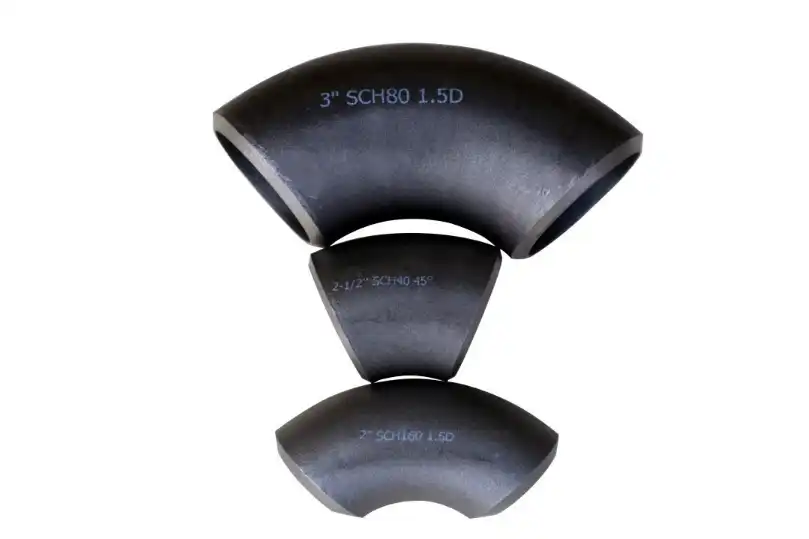
Criteria for Selecting Carbon Steel Elbows in Chemical Plants
To pick the right elbows, you need to carefully look at the process factors and material properties. Extreme temperatures change the qualities of materials, and pressure numbers tell us how thick the walls need to be. The chemicals that make up process fluids have a direct effect on how fast they corrode and how well they work with other materials.
Assessing Process Conditions
The operating temperature sets the standard for choosing materials. In normal chemical plant temperature ranges, carbon steel keeps its structural integrity. However, in very hot or very cold conditions, the grade may need to be changed. Pressure classification is based on pipe schedule standards. Walls that are labeled as Schedule 40, 80, or 160 have higher pressure values and are stronger. When you match schedule rates to system design pressures correctly, you avoid either overspecification, which raises costs, or under-specification, which lowers safety.
Material Grade Selection
The normal material grade for carbon steel butt-welding fittings is ASTM A234 WPB. These fittings work well in oil, chemical, and water treatment environments. For modest working conditions, this grade has enough tensile strength and ductility. Internal coats or linings protect the base metal from harsh chemicals that wear it down, which extends its service life when process fluids are corrosive. Knowing the meanings of grade labels helps engineers choose materials that meet performance needs and stay within budget.
Carbon Steel Versus Alternative Materials
When you compare chemical industry carbon steel elbows to stainless steel elbows, you can see that each material has its own benefits. Carbon steel is the most cost-effective material and is resistant enough to rust for many chemical uses. Stainless steel elbows are more expensive, but they work great in places where corrosion is a problem or where product quality worries mean that iron can't get into the product. Alloy steel types are a good middle ground because they are more resistant to rust and cost less than full stainless steel systems. This material order lets plant designers make the best standards based on how bad the service really is, instead of using one-size-fits-all answers.
Procurement Insights: How to Source the Right Carbon Steel Elbows?
Strategic buying combines technical requirements with evaluations of suppliers to find cost-effective parts that are reliable. Quality certifications are concrete proof of a company's ability to make things, and a supplier's experience shows how well they can consistently give results.
Certification and Standards Compliance
With ISO 9001 approval, you can be sure that the companies you buy from have well-thought-out quality management systems that are regularly checked and improved. Regulatory authorities give special equipment making permits to suppliers to make sure they meet safety and technical competency standards. These qualifications are especially important when buying parts for businesses that are regulated and need to be able to track their paperwork for safety and compliance checks. When evaluating suppliers, asking for copies of certifications helps buying teams narrow down the possibilities and set minimum qualification standards.
Evaluating Supplier Capabilities
Production capacity affects how reliably goods are delivered and how flexible prices can be. Manufacturers whose annual output is high (in the thousands of tons) usually keep enough supplies on hand to handle quick-turn orders and changes in volume without having to extend wait times too much. Modern production tools, like CNC bending machines and automatic welding systems, make sure that the dimensions are correct and the quality of the welds is always the same. Inspection tools are also important. Suppliers with spectroscopy, ultrasonic testing, and hydraulic test centers can check the makeup of materials, find internal flaws, and confirm pressure ratings before shipping.
Bulk Ordering and Custom Fabrication
Standard elbows can be used for most tasks, but chemical plants often need special measurements for their unique process setups. Reducing elbows with different entry and exit widths can handle changes in pipe size by getting rid of extra fittings and possible leak points. Custom bend radii are used to deal with particular flow conditions or fitting limitations. Custom fittings can be made by suppliers who offer manufacturing services based on detailed plans. However, custom production usually takes longer and costs more per unit. Standardization and customization needs need to be balanced to get the best system performance and project costs.
Installation and Inspection Best Practices for Chemical Industry Elbows
The stability of a system and how long it works are directly affected by how it was installed. Before parts are put into service, pre-installation verification checks for production flaws or shipping damage. Good welding techniques make joints that don't leak.
Pre-Installation Verification
Visual checking makes sure that the elbows are the right size, made of the right material, and join in the right way, as described in the specifications. Dimensional checks make sure that the wall thickness and bend radius match what is needed on the plan. A close look at the surface can find mistakes in the way the material was made, like splits, laminations, or too many holes that could weaken the structure. Each fitting should come with material tracking paperwork that has heat numbers that connect parts to official mill test records. This step of checking doesn't take long, but it saves a lot of money by avoiding changes or fails that happen too soon.
Welding Procedures and Quality Control
Joints that are consistent and free of flaws are made by qualified welders who follow accepted welding procedure standards (WPS). Before welding starts, the right fit-up makes sure that the root gaps and alignment are even. This keeps stress from building up and flow from being slowed. Controlling the heat input keeps the cooling rates at the right level to keep the material's qualities in the heat-affected zone. For some types of materials or working situations, a post-weld heat treatment may be needed to get rid of any remaining stresses. Radiographic or ultrasonic examinations are non-destructive testing methods that assess the quality of an internal weld by finding signs of porosity, partial fusion, or cracks that an eye inspection cannot pick up on.
Maintenance and Monitoring Programs
By setting review times based on the seriousness of the process and its history of use, corrosion, erosion, or mechanical damage can be found early on. During regular repair shutdowns, visual checks find problems with the support structure, coatings, or corrosion on the outside. Ultrasonic measures of thickness keep track of the rate of wall loss, which helps people make data-driven choices about when to fix or replace something. Unexpected failures that mess up production plans and put people in danger can be avoided with proactive upkeep. Keeping notes of what was found during inspections helps with future purchasing choices and making the design of systems better.
Case Studies and Real-World Applications
In chemical processing settings, real-life cases show how good selection and sourcing can lead to measured gains. These situations show how decisions are made and how outcomes are confirmed.
High-Pressure Chemical Transfer System
For a high-pressure transfer line that handles acidic intermediates, a petrochemical plant needed to update the elbows. Based on engineering studies, the best option was found to be a Schedule 160 Chemical industry carbon steel elbow with an epoxy coating on the inside. The choice of material struck a balance between the need for high pressure and the need for resistance to corrosion. The coating standard increased the expected service life by keeping chemicals from coming into direct contact with the base metal. Working with a licensed, qualified manufacturer of specialized tools made sure that quality standards were met. The system worked perfectly during its first maintenance cycle, which proved that the approach to specifications and the choice of seller were good ones.
Water Treatment Plant Modernization
Chemically dosed water that goes through municipal water treatment plants can rust, which shortens the life of the infrastructure. As part of a project to expand a system, buying teams asked for carbon steel joints that would not react with chlorine or changes in pH. By choosing a supplier with a lot of knowledge in the water business, coating suggestions based on similar installs could be made. Ordering in bulk cut down on unit costs while keeping shipping times that worked with the stages of building. The finished system worked as planned and didn't have any problems with premature rusting, showing that the right materials were chosen and that the suppliers worked together well.
Custom Fabrication for Process Optimization
A company that makes specialty chemicals rebuilt a reactor feed system that needed elbows that weren't the usual shape. Standard radius fittings caused flow problems that made the process less consistent. Engineers worked with a manufacturer that does custom manufacturing and asked for modified bend radii and reduced setups that were based on the results of the flow models. Even though the wait times were longer, the custom fits fixed problems with turbulence and made the quality of the product better. This case shows how important it is for suppliers to have technical skills that go beyond normal product lists.
Conclusion
When chemical processing companies choose elbows, they have to carefully look at the process conditions, the material's properties, and the skills of the provider. Chemical industry carbon steel elbows work well as long as the specs match the working conditions and you meet the quality standards. When buying teams know about different types of connections, pressure levels, and material grades, they can make choices that balance performance and cost. When you work with qualified makers who offer a wide range of products and professional support, you can get both standard and custom solutions that are backed by good documentation and production know-how.
FAQ
What Material Grade Should I Specify for Aggressive Chemical Service?
For most chemical uses, ASTM A234 WPB works, but for corrosive fluids, you may need to use protective coatings or different types. Talk to your providers about different types of internal lining that can keep process fluids from getting to the base metal. This will increase the service life without having to switch to more expensive alloy materials.
How Do Pressure Ratings Affect Elbow Selection?
There is a link between pressure grades, pipe standards, and wall thickness. For systems with higher pressure, thicker walls are necessary, as indicated by larger schedule numbers. When you match elbow schedules to pipe schedules, the system's pressure capacity remains unchanged, and there are no weak spots at the connection points.
Can Manufacturers Provide Custom Elbows for Unusual Configurations?
Custom manufacturing services are available from makers with a lot of experience for nonstandard requirements such as unique bend radii, reducing configurations, and special materials. Custom production needs thorough drawings and takes longer than standard production, but it provides the best answers for unique process needs.
Partner with Oudi for Quality Chemical Industry Carbon Steel Elbow Solutions
Since 1998, Oudi has been making high-quality pipe fittings. Their approved carbon steel elbows meet international standards and are used by chemical processing plants in more than 40 countries. Our ISO 9001 certification and special equipment manufacturing licenses back up our 16,000-ton yearly production capability, which can meet both standard and custom requirements. As a supplier of chemical industry carbon steel elbows for the chemical industry with extensive experience, we keep strict quality control from inspecting the raw materials to checking the finished product. This way, we can be sure that every fitting meets ASME, ASTM, and customer-specific requirements. Our expert team can help you choose the right materials, figure out the right pressures, and make the best use of their tools so that you can get the best results in your process. Get in touch with Oudi right away at oudi-04@oudiguandao.com to talk about your project needs, ask for scientific information, or get prices on chemical industry carbon steel elbows for sale. For safe and effective pipe systems in chemical processing plants, we provide the quality, dependability, and expert help they need.
References
1. American Society of Mechanical Engineers. (2020). ASME B16.9: Factory-Made Wrought Buttwelding Fittings. New York: ASME Press.
2. ASTM International. (2021). ASTM A234/A234M: Standard Specification for Piping Fittings of Wrought Carbon Steel and Alloy Steel for Moderate and High Temperature Service. West Conshohocken: ASTM International.
3. Nayyar, M.L. (2019). Piping Handbook (8th ed.). New York: McGraw-Hill Education.
4. Singh, R. (2017). Applied Welding Engineering: Processes, Codes, and Standards (3rd ed.). Oxford: Butterworth-Heinemann.
5. Ellenberger, J.P. (2018). Piping and Pipeline Calculations Manual: Construction, Design, Fabrication, and Examination (2nd ed.). Oxford: Butterworth-Heinemann.
6. Mohitpour, M., Golshan, H., & Murray, A. (2007). Pipeline Design and Construction: A Practical Approach (3rd ed.). New York: ASME Press.

Need help finding the right solution with our experts. Please contact us.

SINCE 1998 Your Reliable Pipeline Manufacturer



