BW Carbon Steel Cap: How to Choose the Right Size and Thickness?
When picking the right BW Carbon Steel Cap, you need to make sure that the size is correct and that the wall thickness is right for the needs of your pipe system. The choice is based on the pipe width (from 1/2" to 48"), the working pressure, the temperature, and whether it meets standards such as ASME B16.9. The right size makes sure that the welds don't leak, and the right thickness (from Schedule 10S to XXS) gives the structure the strength it needs for tough jobs in the oil, chemical, and power generation industries. Making smart decisions keeps systems from breaking down and increases their useful life.
Understanding BW Carbon Steel Caps: Basics and Specifications
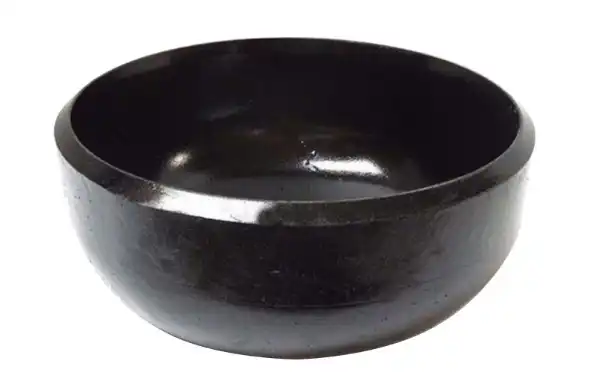
BW Carbon Steel Caps are very important for industrial plumbing because they completely seal the ends of pipes so that fluids or gases don't leak out and the pressure stays the same. Butt weld caps are welded directly to the pipe end, unlike threaded caps or blind flanges. This makes a strong, stable closure that can be used in high-pressure and high-temperature situations.
What Defines a Butt Weld Carbon Steel Cap?
Butt weld caps are dome-shaped pipe fittings made from carbon steel alloys that have iron and a fixed amount of carbon. This mix of materials has great mechanical strength and longevity when put under stress. The name "butt weld" refers to the way the parts are joined. The bevelled edge of the cap fits perfectly with the prepared end of the pipe, allowing full-penetration welding that spreads stress evenly across the joint.
We make our caps in three main ways: seamless production, which is stronger without join seams; ERW (Electric Resistance Welding), which is a cost-effective medium-pressure method; and fabricated construction, which can handle bigger diameters than normal seamless.
Key Standards and Dimensional Specifications
Cap sizes, tolerances, and function are governed by industry norms. ASME B16.9 has detailed rules for butt-welding fittings made of wrought carbon steel. These rules cover caps and sizes from 1/2" (15 NB) to 48" (1200 NB). This standard lists the centre-to-end measurements, tolerances, and writing requirements that all makers must follow for their products to work together.
Our production follows several foreign rules, including:
- ASME/ANSI B16.9 is the main standard for measurements and limits.
- ASME B16.28: standard lists the requirements for short radius bends and returns.
- MSS-SP-43: Instructions for butt-welding parts made of wrought stainless steel
- ASTM A234: Specifications for parts made of carbon steel
The label for thickness is based on the pipe schedule system, going from Schedule 5S (the smallest) to Schedule 160 and XXS (the strongest). Each schedule has a specific wall thickness that has been estimated to handle a certain amount of pressure at different temperatures.
Material Properties and Protective Treatments
The best mix of strength, weldability, and cost-effectiveness can be found in carbon steel caps made from ASTM A234 WPB material. The material's make-up usually has a maximum of 0.30% carbon, manganese to make it tougher, and minor elements that improve its mechanical qualities.
Surface treatments make things last a lot longer in settings that are harmful. For indoor uses, black oxide coating protects against rust in a basic way, while hot-dip galvanising is better for outdoor or sea uses because it resists rusting even better. In processing plants, epoxy coats protect against chemicals, and different treatments can help with environmental problems your facility is having.
Criteria for Choosing the Right Size and Thickness of BW Carbon Steel Caps
By choosing the right size and thickness, you can avoid both over-engineering (which adds cost) and under-specification (which poses safety risks). When making your choice, you should carefully consider operational situations, legal standards, and long-term performance goals.
Matching Cap Size to Pipe Dimensions
To choose the right size of BW Carbon Steel Cap, you must first accurately measure the pipe. A standard pipe size (NPS) tells you what diameter cap you need. For example, a 6" pipe needs a 6" NPS cap. But there are small differences between nominal and real sizes, especially for bigger sizes, where outside width is the most important measurement.
To make sure the right fit, say both the standard size and the schedule when you place your order. A 6" Schedule 40 pipe has a different wall thickness than a 6" Schedule 80 pipe. This changes the interior shape of the cap and how it needs to be prepared for welding. As per ASME B16.9, dimensional errors usually allow 1% on the outside diameter and 12.5% on the wall thickness. This makes sure that the assembly goes well in the field while still meeting quality standards.
Assessing Operating Pressure and Temperature
Pressure-temperature values are directly linked to the thickness choice. When working pressures are high, walls need to be thicker to safely control internal forces. The connection makes sense from an engineering point of view: as temperature rises, allowable stress drops, so the thickness needs to go up to keep the same pressure ratings.
The ASME B31.3 Process Piping Code gives ways to figure out the minimum thickness needed by taking into account internal pressure, the material's allowed stress, the material's corrosion limit, and the production error. Safety factors that take into account pressure spikes, thermal expansion loads, and material wear and tear over time are usually part of an estimate.
When figuring out the thickness needed, think about these practical factors:
Changes in pressure: Systems that experience regular pressure cycles or water hammer need more thickness than what is calculated for steady-state conditions to avoid wear failure. Chemical processing plants often choose a schedule that is larger than the estimated minimums so that they have room to operate.
Extreme temperatures: When temperatures rise, materials become weaker. For example, carbon steel loses about 15% of its tensile strength at room temperature at 400°F and 50% at 800°F. Cryogenic uses below -20°F need materials that have been tried for impact and have been made tougher so they don't break easily.
Standards Compliance and Certification Requirements
The rules and guidelines that apply to your business must be included in the procurement specs. ASME certifications show that a maker follows quality control systems and production methods that have been checked by a third party.
We are dedicated to quality, as shown by our ISO 9001:2000 quality management system approval and Special Equipment Manufacturing License from the People's Republic of China. We keep full records of everything, from the mill certificates for the raw materials to the final inspection reports. This way, we can show that we followed all the rules and met the insurance standards.
Balancing Cost Against Performance
There are trade-offs between the original investment and the costs over the product's life. It costs more to buy materials and takes longer to weld when you specify a diameter that is too thick. There are no safety benefits to this. On the other hand, low specs may mean that parts need to be replaced too soon, which will cause production delays that cost a lot more than the initial savings.
To figure out the total cost of ownership, you need to look at how much the materials cost, how much labour it takes to make them (thicker walls need more filler material and more welding time), how heavy they are to move, and how long they are expected to last. The material alone for a Schedule 80 cap costs about 40% more than a Schedule 40 cap, but it may last twice as long in acidic environments, which means the annualised cost is less.
Comparing BW Carbon Steel Caps with Alternative Options
Knowing about different types of materials and joining methods can help you get the best specs for your needs. Each choice has its own pros and cons that affect performance and the project's cost-effectiveness.
Material Alternatives: Carbon Steel vs. Other Alloys
BW Carbon Steel Caps are used a lot in industry because they are strong for the price and have been shown to work well in temperatures from -20°F to 800°F. Tensile strength is usually between 60,000 and 75,000 psi, which is enough for most process pipe needs.
When product cleanliness is very important, like in chemical processing, food production, and pharmaceutical manufacturing, stainless steel caps (ASTM A403 WP316/316L) are the best choice because they don't rust. The higher cost of the material—about three to four times that of carbon steel—is justified when corrosion would otherwise mean that the part would need to be replaced often or affect process lines. The inactive chromium oxide layer in stainless steel is helpful in situations where chlorides, acids, or high purity are needed.
Connection Method Comparisons
Butt weld joints are the safest and best way to close a pipe. The full-penetration weld makes a joint that is as strong as the base pipe. It also fills in any gaps where rust could start and lets an X-ray check the quality of the weld. This fixed link works well for systems with high pressure, dangerous fluids, or important services that must avoid leaks at all costs.
Threaded caps make fitting easier because you don't need to use welding tools, but they also have some problems. When a thread engages, it forms stress concentration spots that can be damaged by vibration and wear and tear. The circular thread path could be a way for leaks to happen when the pressure changes. Threaded links can't be used below 400°F because the difference in temperature causes the threads to gall. Because of these problems, threaded caps are mostly good for low-pressure extra pipes, short-term stops, and repair tasks.
Practical Guide to Welding and Installation of BW Carbon Steel Caps
The soundness of the joints and the long-term dependability of the system are directly affected by the right way to put it. Common mistakes that hurt performance can be avoided by following set processes.
Pipe End Preparation and Fit-Up
Preparing the pipe ends correctly is the first step to good soldering. Use mechanical saws or abrasive wheels to cut the ends of the pipes straight, making sure they stay straight within 1/16" of the diameter. Bevel the pipe end to 37.5° ±2.5° with a 1/16" root face to make the groove shape required by the welding process.
Get rid of mill scale, rust, oil, and other contaminants from the pipe and cap surfaces that are 1" past the weld zone. Chemical cleaning, grinding, or wire brushing can be used to make sure the base metal is clean, which leads to good welds with no holes or other problems.
Welding Techniques and Quality Control
Shielded Metal Arc Welding (SMAW) is still the most common way to join carbon steel caps in the field because it can be used in a variety of positions and conditions. To reduce the risk of hydrogen-induced cracking, use E7018 low-hydrogen electrodes and keep the proper preheat temperatures (usually 200–400°F depending on thickness and ambient temperature).
When the width is more than 1/4", make more than one weld pass and let each one cool below 600°F before adding the next layer. This thermal churning smooths out the structure of the grains and releases leftover stresses that cause them to warp. For the root pass to work, there can't be any extra support that would cause stress spikes.
Common Installation Challenges and Solutions
When you weld, uneven burning and thermal shrinkage cause distortion. Use balanced welding processes (alternating sides), good heat input control, and good fixturing to keep warping to a minimum. Specialised chill rings quickly remove heat from large-diameter caps, lowering distortion and heat-affected zone width.
When weld metal doesn't melt all the way through the joint thickness, this is called incomplete penetration. This flaw makes places where cracks can start when the pressure changes. Make sure the root hole is big enough, the welding current is right, the travel speed is right, and the welder's qualifications have been checked on similar joint designs.
Procurement Insights: How to Source Quality BW Carbon Steel Caps
Choosing the right supplier has a big effect on the quality of the product, the dependability of shipping, and the total cost of the project. A systematic review of the manufacturer's skills and qualifications guarantees a good procurement process.
Evaluating Supplier Certifications and Capabilities
Certifications for quality management systems for BW Carbon Steel Cap show that the production process is controlled in an objective way. ISO 9001 certification shows that there are written processes for controlling the design, making sure the materials are correct, tracking output, inspecting it, and taking corrective action. This methodical technique makes sure that the quality of the product is the same from batch to batch.
Special equipment production permits make sure that the rules for making parts for pressure vessels and pipes are followed. For these government-issued credentials, facilities must be inspected, tools must be verified, and staff qualifications must be shown in ways that go beyond what most manufacturers can do.
Understanding Minimum Order Quantities and Customisation
Standard products come in standard sizes and shipping times, and they often don't have minimum order quantities. This lets you buy what you need for a job without having to keep extra inventory on hand. Custom specs, like non-standard sizes, special materials, or specific marking needs, usually need minimum amounts (often 1–5 tonnes) to cover setup costs and production changes.
There are more ways to customise than just changing the sizes. Material test reports that include extra requirements like impact testing, verifying grain size, hardness limits, special surface treatments, or clear writing methods can meet project needs without sacrificing standard product quality. During the quotation process, talk about the customisation needs so that you can find choices that are possible and their corresponding costs.
Negotiating Competitive Pricing Without Sacrificing Quality
Prices that are clear include the prices of materials, labour, inspections, and packing. Ask for detailed price quotes that break down each cost factor so you can compare prices with confidence. Unreasonably low prices often mean lower-quality materials (steel that doesn't meet specifications), less thorough inspections, or bad paperwork, all of which create risks that are much worse than the initial savings.
Prices are often lowered when people promise to buy a lot of something. By combining needs from different stages of a project or sites of a building, suppliers can ensure stable production, which leads to better prices. Talk about expected needs in an open way to look into the price based on numbers.
Conclusion
To choose the right BW Carbon Steel Cap size and thickness, you need to carefully look at practical needs, supplier skills, and compliance with standards. Make sure the cap's measurements are the same as the pipe's, figure out the thickness using the pressure-temperature rates and the right safety margins, and make sure the material's certifications meet the standards in your business. To get the best performance and value for money, compare different joining methods and materials. Work with reputable makers who can show consistent quality through certificates, production capacity, and the ability to check products. These well-thought-out choices keep systems from breaking down, increase their useful life, and ensure they work well in a wide range of tough industrial settings.
FAQ
What factors most significantly affect pressure ratings in carbon steel caps?
Pressure values are based on the width of the wall and the grade of the material. When temperatures rise, the maximum allowed stress in a material goes down, but schedules that are thicker can handle higher internal pressures. To find safe working pressures, ASME B31.3 formulas use safety factors, corrosion allowances, and production tolerances. Operating temperature greatly lowers the amount of stress that can be applied. For example, carbon steel gradually loses its strength above 400°F, so it needs to be made thicker or with better materials to keep the same pressure values.
Can carbon steel caps perform reliably in corrosive environments?
With the right surface protection, carbon steel caps work well in slightly corrosive conditions. Protective coats, like galvanising, resin, or special paints, make things last a lot longer. When acids, chlorides, or high moisture are used in harshly corrosive situations, stainless steel or metal improvements are helpful because they provide natural rust resistance without relying on the integrity of the coating. When selecting carbon steel for fairly corrosive uses, remember to include a corrosion margin in the thickness estimates.
How do I verify supplier certification authenticity?
Ask for all the certification paperwork, like ISO 9001 certificates, licenses to make special equipment, and material test records with heat numbers that can be linked to mill certifications. Check the validity of the certificate by searching the records of the granting authority (many certification bodies offer online verification). Third-party inspection services can check out factories and watch production if the importance of the project calls for extra verification costs.
Partner with Oudi for Your BW Carbon Steel Cap Requirements
Selecting the right BW Carbon Steel Cap provider delivers lasting benefits beyond initial procurement. At Oudi, we bring over 25 years of specialised manufacturing experience to your piping projects. Our comprehensive production range covers sizes from 1/2" to 48" in all standard schedules through XXS, manufactured to ASME B16.9 specifications with full material traceability and ISO 9001 certification.
We know how hard it is for you to find cost-effective options that don't sacrifice performance because of tight project schedules, strict quality requirements, and budget constraints that demand cost-effective solutions without performance compromises. Our 16,000-ton annual capacity ensures reliable availability, while our advanced inspection equipment and strict quality control from raw material receipt through final inspection guarantee products that meet your specifications consistently.
Contact our technical sales team at oudi-04@oudiguandao.com to discuss your specific requirements. We'll provide detailed product recommendations, competitive quotations, and technical documentation that support your procurement decisions. Whether you need standard inventory items or custom specifications, Oudi delivers the quality carbon steel caps your critical applications demand.
References
1. American Society of Mechanical Engineers. "ASME B16.9: Factory-Made Wrought Buttwelding Fittings." New York: ASME Press, 2018.
2. American Society of Mechanical Engineers. "ASME B31.3: Process Piping Code." New York: ASME Press, 2020.
3. ASTM International. "ASTM A234/A234M: Standard Specification for Pipe Fittings of Wrought Carbon Steel and Alloy Steel for Moderate and High Temperature Service." West Conshohocken: ASTM, 2019.
4. Nayyar, Mohinder L. "Piping Handbook, Seventh Edition." New York: McGraw-Hill Education, 2000.
5. American Petroleum Institute. "API 570: Piping Inspection Code: In-Service Inspection, Rating, Repair, and Alteration of Piping Systems." Washington: API Publishing, 2016.
6. Manufacturers Standardisation Society. "MSS SP-75: Specification for High Test, Wrought, Butt Welding Fittings." Vienna: MSS, 2018.

Need help finding the right solution with our experts. Please contact us.

SINCE 1998 Your Reliable Pipeline Manufacturer



