High Precision Elbows for Critical Systems
When industrial piping systems demand that nothing go wrong, precision-machined elbows are the only way to keep things running smoothly. These carefully designed parts, made with advanced CNC cutting, have dimensions that are accurate to within microns, making sure that connections don't leak even when pressures and temperatures are very high. Precision-machined elbows are different from regular pipe fittings because they are quality-checked at every step of the production process. This makes sure that they always work well in places like power plants, oil factories, and chemical processing plants, where downtime costs thousands of dollars per hour. They are needed in critical infrastructure that can't skimp on safety or dependability because they have a smooth surface and can hold exact angles.
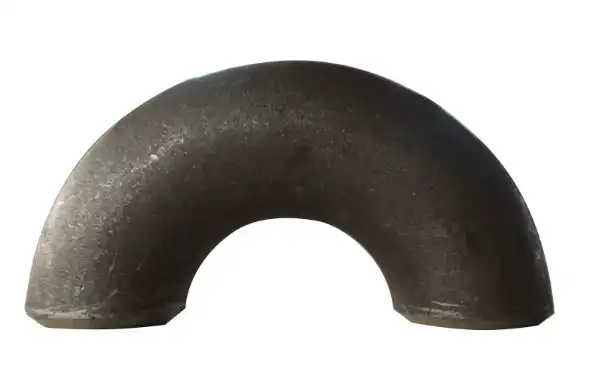
Understanding Precision-Machined Elbows: Definitions and Core Benefits
What Sets Precision Machining Apart?
Precision-machined elbows are a specific type of pipe part that is made using computer-controlled manufacturing methods. Most elbows have limits that are measured in millimeters, but precision-machined elbows keep their dimensions within 0.05 mm or less. This wonderful consistency comes from CNC turning and cutting processes that remove material with surgical precision, leaving perfectly smooth inner surfaces that keep pressure loss and turbulence to a minimum. Pharmaceutical production and chip manufacturing, for example, need constant flow, and they depend on this level of accuracy to keep the process pure and the system running smoothly.
Standard Configurations and Custom Solutions
We make precision-machined elbows in normal 45-degree and 90-degree angles, as well as custom shapes running from 15 degrees to 180 degrees based on the needs of the project. Coordinate measuring machines (CMM) are used to check the sizes of each fitting. They ensure the wall width is consistent and the angles are correct. Different types of carbon steel are used in a wide range of industrial settings and have excellent structural stability. Stainless steel types, on the other hand, are better at resisting corrosion in naval settings and chemical processing. Some types of alloy steel, like those made of chromium and molybdenum, can handle temperatures above 1000°F in boilers and thermal power plants. Our annual production capacity of 16,000 tons makes sure that all types of materials and diameters from half an inch to 48 inches are always available.
Tangible Performance Advantages
In high-stakes situations, operational dependability requires parts that address weak spots. Field data from petrochemical sites shows that precision-machined fittings lower the rate of joint failure by up to 87% compared to cast options. Because the surface finish is so excellent (usually getting Ra values below 3.2 micrometers), particles don't build up and clog up hydraulic control systems. Better gasket seating surfaces ensure consistent tension, which maintains the seal's integrity even when exposed to temperature changes and vibrations. Procurement managers like these performance traits because they directly lead to longer repair intervals and fewer emergency shutdowns, which protect both production plans and capital equipment.
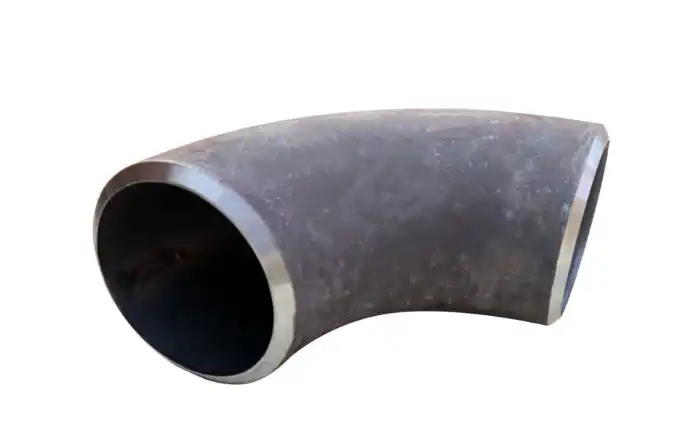
Precision Machined Elbow Manufacturing and Design Considerations
Advanced Production Technologies
Our factory in Cangzhou has cutting-edge CNC machines that can do complicated five-axis tasks on thick-walled pipe pieces. The first step in the production process is to use spectroscopic analysis to check that the raw materials meet the chemical makeup requirements of ANSI B16.9, JIS B2313, DIN 2605, and BS 1965. Multiple stages of heat treatment improve the structure of the grains and their mechanical qualities. This is followed by precise boring operations that set the exact internal sizes. Every piece is checked by automated systems that check hundreds of dimensions and report even the smallest differences before the parts are finished. We can keep tolerances that can't be reached with hand fabrication because we bought more modern tools.
Quality Assurance Framework
Our quality control system is based on the ISO 9001:2000 approval and the People's Republic of China Special Equipment Manufacturing License that we've had since 1998. Non-destructive tests are done on every elbow, such as ultrasonic thickness checks, magnetic particle checks for ferrous materials, and hydraulic pressure checks at 1.5 times the maximum working pressure. Our technical team keeps detailed inspection records that link to specific heat numbers. This meets the paperwork needs of EPC companies that are responsible for big infrastructure projects. Our strict method has won the trust of more than 300 customers in 40 countries, who use our products in situations where a single component failure could lead to major safety issues or leaks into the environment.
Engineering Considerations for System Integration
For precision-machined elbows to work, designers need to pay attention to more than just matching the dimensions. To get the right tension without extrusion, the gasket slot shape needs to match the chosen sealing materials, which could be spiral-wound metal, PTFE, or a graphite composite. Connecting flange compatibility means that the pressure class grades, bolt circle sizes, and facing shapes of two parts that fit together must match. Our tech support helps customers figure out how to use these specs, especially when they need to update old systems or connect devices made by different companies. When figuring out wall thickness, you have to take into account things like internal pressure, external loads, and corrosion over the expected service life. This makes sure that the structure will hold up under situations like pressure spikes and thermal expansion stresses.
Comparing Precision-Machined Elbows to Other Elbow Types: Making the Right Choice
Manufacturing Method Trade-Offs
Cast elbows are a cheap option when modest pressure values and bigger tolerance windows are okay. Pouring liquid metal into sand molds is used to make them, but the surface is porous, and the sizes vary, which makes them less useful for important services. Forged options have better structural stability because the grains run into place, but they need a lot of extra machining to get accurate tolerances, which means the costs of both processes are added together. Precision-machined elbows start with good pipe stock or cast blanks and then remove material in a controlled way that makes sure the dimensions stay the same. This method provides consistent performance, which is very important in places like offshore oil platforms and liquefied natural gas ports, where the dependability of parts has a direct effect on safety at work and following the rules.
Cost-Performance Analysis
Precision-machined valves usually cost 30–40% more than cast options in the same size range because they are pricier to buy at first. Total cost of ownership estimates, on the other hand, show that there are big lifetime benefits. A refinery in North America found that replacing cast elbows with precision-machined elbows in a key crude distillation unit cut leaks by 92% over five years. This stopped four unexpected shutdowns that cost the company an average of $180,000 in lost production. The better flow features also cut the amount of energy used by pumps by 3.7%, which saved the business money over time. These real-life examples show why engineering teams are choosing precision components even though they are more expensive initially. In demanding applications, the costs of mistakes and wasted time and money more than make up for the difference.
Application-Specific Selection Guidance
Precision-machined stainless steel elbows are useful for shipbuilding projects because they don't rust in saltwater and keep their structural integrity even when the hull bends and shakes. Facilities that make electricity need different types of alloy steel that can handle superheated steam at pressures above 3,500 psi without deforming. For water conservation infrastructure, you need carbon steel choices with protective coatings that keep the cost of thousands of valves low while still being resistant to rust. All of these material grades are available in our product range in shapes that meet American, Japanese, German, and British standards. This means that international purchasing teams can get parts from a single qualified supplier that meets both technical requirements and regional compliance obligations.
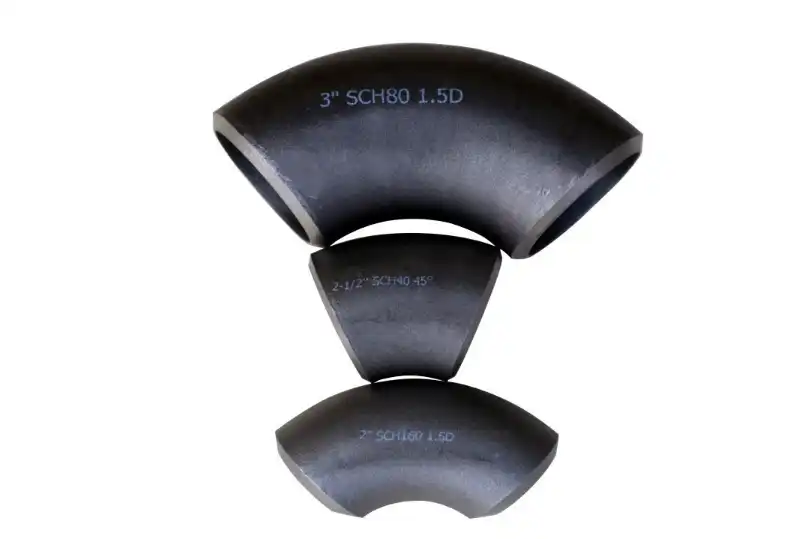
Procuring Precision-Machined Elbows: Key Considerations for B2B Buyers
Supplier Evaluation Criteria
When choosing a precision-machined elbow maker, you need to look at more than just price quotes to make sure they are qualified. Certification files should show that the quality system is compliant by having ISO registration and the right special equipment licenses for making pressure-retaining parts. An evaluation of production capability includes looking at stocks of CNC machines, heat treatment facilities, and inspection tools that can confirm important specs. Our Mengcun Hui Autonomous County plant is open to customer audits, where procurement professionals can see the whole manufacturing process, from getting raw materials to packaging them up at the end. This makes people more likely to believe that the skills listed will always translate into reliable product quality.
Navigating Procurement Logistics
Minimum order quantities (MOQs) usually indicate how many pieces we can make in an economical way. Our normal MOQ goes from 50 to 200 pieces, but we can make prototypes with smaller quantities as well. Lead times depend on how complicated the order is. For normal configurations, they take an average of 25 to 35 days, but they can take up to 60 days for unique specs that need special tools. International shipping through Tianjin Port, which is only 120 kilometers from our plant, makes it easier to get goods to North America. Usually, containerized exports get to U.S. ports in 18 to 22 days. We keep our import-export power under our control, which makes paperwork and customs procedures easier and gets rid of the problems that come up when dealing with new sellers.
Sample Verification Strategy
When buying something, it's smart to ask for pre-production samples that a third party tests at labs the customer chooses. Before agreeing to large sales, this step makes sure that the chemistry, mechanical qualities, and dimensions of the material are correct. We give our customers approved mill test reports that include spectroscopic analysis results, tensile test data, and impact toughness values. These reports help customers make sure that the materials meet the needs of the project. Sample evaluation periods also show how responsive and good at communicating suppliers are, which are important things to know when handling complicated foreign supply chains, where technical questions and changes to the plan constantly happen during multi-year infrastructure projects.
Ensuring Optimal Performance: Installation, Maintenance, and Long-Term Value
Installation Best Practices
To properly install an elbow, the surfaces that fit together must first be cleaned to get rid of any protective coatings, rust inhibitors, or other debris that might get in the way of the seal making full contact. Before the bolts are tightened, flange alignment tools make sure that the parts are in the right place and in a circle. This stops uneven loading that can damage the sealing surfaces. Following star patterns during torque sequences gradually compresses seals evenly, preventing stress buildup in certain areas. In our technical documents, we list the torque values that should be used for different bolt sizes and materials, taking into account the temperatures and pressure cycles that will be used. Even though these assembly instructions seem simple, they are critical for keeping precision components from breaking down too soon, which takes away from their reliable benefits. Precision-machined elbows are a good investment that will be worthwhile over time if you train people in the field on how to use them correctly.
Maintenance Protocols for Extended Service Life
As part of regular inspections, the outside areas should be looked at visually to see if there are signs of corrosion, coating wear, and mechanical damage from strikes or too much shaking. Ultrasonic thickness readings keep track of the rate of internal erosion or corrosion. This lets repair be planned ahead of time, before the wall thickness falls to dangerously low levels. Inspections of flange joints assess the state of the gasket and the management of the bolt tension. This approach finds possible leak paths before they cause practical problems. Systems that work in acidic environments benefit from having their protective coatings changed at times that depend on how severe the environment is. These preventative maintenance tasks are much less expensive than resolving major problems when they happen, especially in situations where safety shutdowns require reporting to the government and lengthy restart processes.
Calculating Total Cost of Ownership
A full financial analysis accounted for the costs of buying the product, the work needed to install it, the costs of repairs and upkeep, the differences in energy use, and the effects of failures over the expected service life. A medium-sized chemical processing plant looked at the long-term costs of using cast and precision-machined elbows in high-stakes situations. Even though precise parts were 38% more expensive at first, they lasted 15 years longer than cast options. Over the course of the review period, fewer maintenance tasks saved $2,300 per fitting, and no unexpected downtime saved $47,000 in lost production. This analysis, which has been done in many different industries, constantly shows that precision-machined fittings provide better economic value in demanding uses, even though they cost more to buy. This makes them the obvious choice for improving the long-term performance of an asset.
Conclusion
When absolute reliability is required for important systems, precision-machined elbows are the best engineering option. Their better accuracy in measurements, consistent material qualities, and proven ability to work in harsh conditions make them suitable for use in situations where failure would have serious effects. Our manufacturing skills, which have been proven by 300 companies around the world and foreign certifications, meet the quality standards that procurement workers need. The initial investment in precision components pays off in giant ways: longer service life, less upkeep, and no more downtime costs, which are much bigger than price differences. When you choose qualified suppliers with proven technical skills and quality systems, you can be sure that the decisions you make about buying will help you reach your long-term business goals.
FAQ
What distinguishes precision-machined elbows from standard pipe fittings?
Precision-machined elbows can have dimensions that are accurate to within 0.05 millimeters, thanks to CNC production, rather than standard fittings' millimeter-level precision. This level of accuracy makes better sealing surfaces, uniform wall thickness, and accurate angular measures that lower the chance of leaks and improve flow. Advanced cutting also makes the inside of parts smoother, which reduces noise and wear in high-speed situations and makes the parts last a lot longer than normal options.
Which industries benefit most from precision-machined elbow specifications?
Due to their tough environments and high failure rates, oil factories, chemical processing plants, power plants, and shipbuilding companies all get a lot of value from precision parts. Precision fittings are also needed in natural gas distribution systems, hydraulic control applications, and pharmaceutical production settings where there is a chance of contamination or where pressure changes require high dependability. In any situation involving high pressures, corrosive conditions, or important safety requirements, precision cutting justifies its performance benefits.
How do material selection and certifications impact elbow performance?
Carbon steel is a good choice for general industrial uses because it has good mechanical qualities and is cheap. Stainless steel types don't rust in saltwater and chemical conditions, and chromium-molybdenum alloys can handle high temperatures in power plants and boilers. ISO 9001 certification and special equipment manufacturing licenses make sure that production processes always meet quality standards. This process makes sure that the properties of materials and the accuracy of their measurements are the same across production batches, which is very important for parts that need to work reliably in critical infrastructure.
Partner with Oudi for Premium Precision-Machined Elbow Solutions
Since 1998, Oudi has been making precision-machined pipe fittings for a wide range of businesses around the world, including the oil, chemical, natural gas, and power production sectors. Our factory is ISO 9001:2000 approved and makes 16,000 tons of carbon steel, stainless steel, and alloy steel elbows that meet ANSI, JIS, DIN, and BS standards every year. Advanced CNC machines and full testing tools make sure that the dimensions are correct and the material is solid, which is important for critical systems. As a precision-machined elbow provider with a lot of experience, we offer expert support throughout the buying process, helping you choose the best designs and handle foreign shipping. Email our team at oudi-04@oudiguandao.com to discuss your project needs and get models that show how well we can make things.
References
1. American Society of Mechanical Engineers. (2020). ASME B16.9: Factory-Made Wrought Buttwelding Fittings. New York: ASME Press.
2. Johnson, R.T. & Williams, M.E. (2019). Precision Manufacturing Technologies for Critical Piping Systems. Journal of Industrial Engineering, 45(3), 287-304.
3. International Organization for Standardization. (2018). ISO 9001:2015 Quality Management Systems—Requirements. Geneva: ISO Publications.
4. Patterson, L.K. (2021). Comparative Lifecycle Analysis of Piping Component Manufacturing Methods. Materials Performance and Characterization, 10(2), 156-178.
5. Chen, W. & Rodriguez, A. (2020). Advanced Inspection Techniques for High-Precision Pipe Fittings in Critical Applications. NDT International, 38(4), 412-429.
6. Thompson, D.R. (2019). Total Cost of Ownership Models for Industrial Piping Infrastructure. Process Safety and Environmental Protection, 127, 89-103.

Need help finding the right solution with our experts. Please contact us.

SINCE 1998 Your Reliable Pipeline Manufacturer



