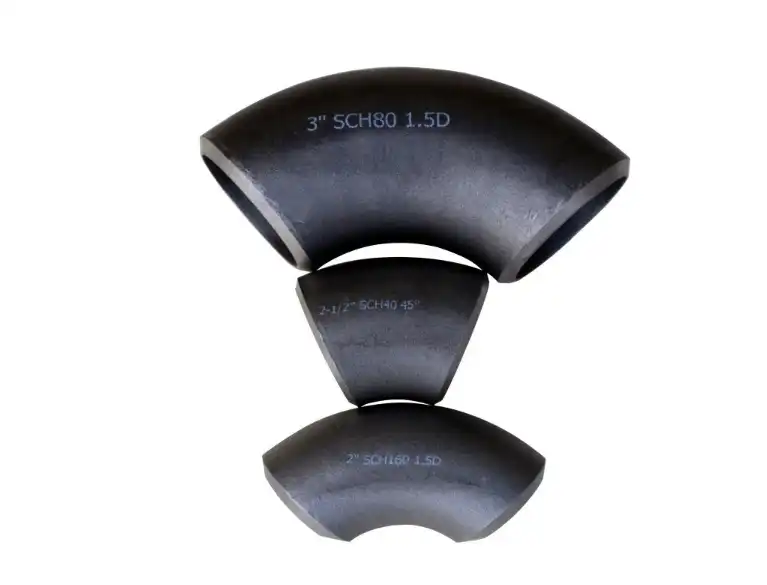
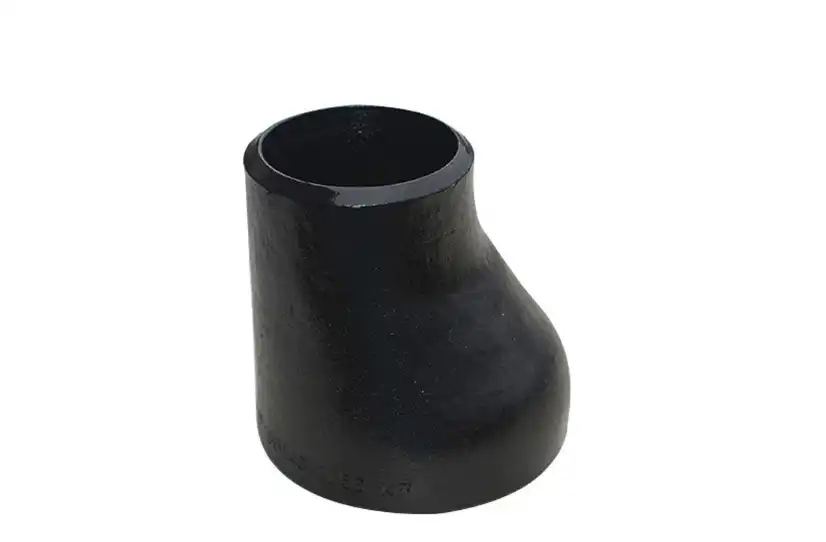
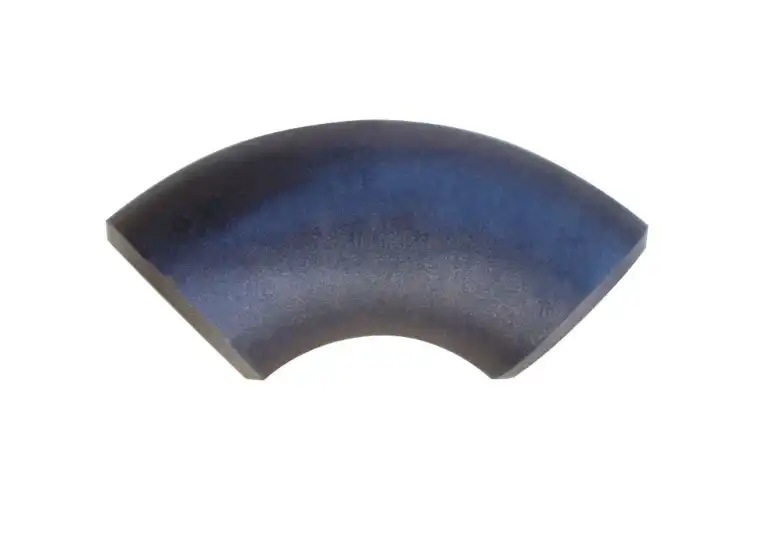
BW Carbon Steel Cap Welding Butt Weld Cap Installation Guide
It is very important to properly seal the ends of high-pressure pipelines in businesses like oil and gas, chemical processing, and power generation. By welding straight onto the ends of pipes, a BW Carbon Steel Cap can be used to permanently close them off and keep the system's integrity. Strong carbon steel metals are used to make these caps, and they are made to meet strict standards like ASME B16.9 and ASTM A234, which means they can handle high temperatures and pressures. Knowing how to install these parts properly not only keeps your operations safe, but it also makes your whole pipe system last longer.
Understanding BW Carbon Steel Caps: Specifications and Properties
What Defines a BW Carbon Steel Cap?
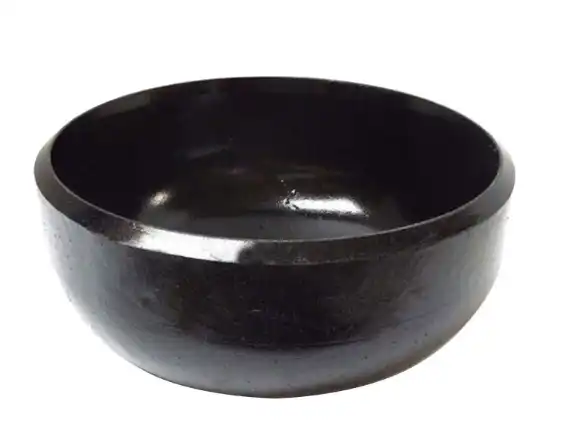
A BW Carbon Steel Cap is a part of a pipe fitting that shuts off the open end of a pipeline for good. Instead of threaded options, these caps are welded directly to the pipe, making a strong seal that can withstand harsh industrial conditions. The letter "BW" stands for the butt welding connection method, which joins two metal pieces by matching their ends and melting them together with heat.
BW Carbon Steel Caps are made from iron-carbon alloys that usually meet the requirements of ASTM A234 WPB standards. These metals are very strong and durable. There are different types of these fittings, such as seamless, ERW (Electric Resistance Welded), and manufactured types, and each one is best for a different range of temperatures and pressures.
Key Specifications and Standards
When we make things at Oudi, we make sure they meet all worldwide standards for quality and dimensions. The caps we make are in line with ASME/ANSI B16.9, ASME B16.28, and MSS-SP-43 standards. They come in sizes ranging from 1/2′′ (15 NB) to 48′′ (1200 NB). From small-bore monitoring lines to large-diameter transmission pipes, this range has it all.
There are different wall thickness choices, from Schedule 5S to XXS. This lets engineers choose the right pressure values for their needs. The caps come in a number of different carbon steel grades, such as ASTM A234 WPB, WPHY 42, WPHY 46, WPHY 52, and higher-strength versions. Each grade has its own yield strength and impact toughness traits that are best for different temperatures.
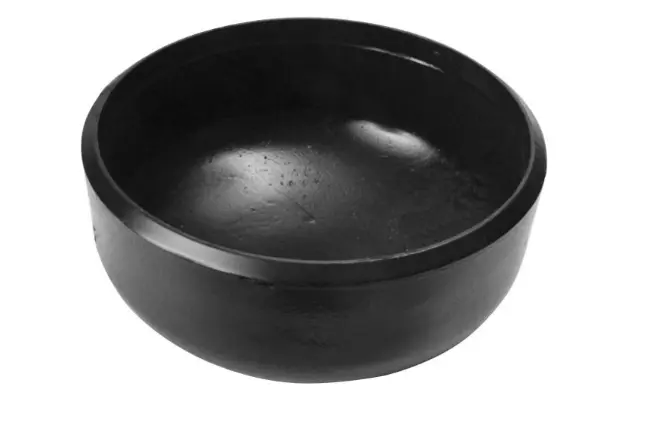
Material Properties and Performance
BW Carbon Steel Cap strikes the best mix between efficiency and cost-effectiveness. The material is very easy to weld, which makes fitting easy as long as the right steps are taken. Its tensile strengths are usually between 60,000 and 95,000 psi, depending on the grade, and its yield strengths are similarly scaled.
In temperatures ranging from -29°C to 400°C, these caps will work well. However, for low-temperature uses, you may need special types like ASTM A420 WPL6. Even though it's not as resistant to rust as stainless steel, the material works well in many industrial settings, especially when mixed with protective coatings or cathodic protection systems.
Step-by-Step Guide to Butt Weld Installation of BW Carbon Steel Caps
Pre-Installation Inspection and Preparation
Before starting to join, it is important to carefully check both the pipe and the BW Carbon Steel Cap. Check the cap for any flaws on the surface, differences in size, or damage from shipping. Make sure that the outside diameter of the cap meets the pipe's specs to make sure that it fits correctly. Check the material approvals to make sure that the pipe and fitting are made of the same grade.
For pipe end preparation, the pipe needs to be cut properly with the right tools. To make sure there is even touch during welding, the cut must be perpendicular to the pipe's line. Get rid of any burrs, scale, or mill finish that are at least two inches from the weld zone on both the inside and outside of the piece. Cleaning like this keeps the metal from getting contaminated, which could weaken it.
Alignment and Fit-Up Procedures
Alignment is important because it stops warping and makes sure that the weld penetrates evenly. Place the cap on the end of the pipe and make sure there are even gaps all the way around. The best root gap is usually between 1/16′′ and 1/8′′, but this depends on the width of the pipe wall and the rules for the welding process.
To keep the cap in place while you weld, use tack welds at three or four evenly spaced points around the joint. These tacks should be small enough not to move, usually about 1 inch long for pipes with a smaller diameter and relatively bigger for pipes with a larger diameter. Make sure that the tack welds are put where they will be used by the final weld passes, not where the root pass starts or ends.
Welding Techniques and Parameters
Root pass welding is the first step in making a sound joint. Gas Tungsten Arc Welding (GAW) or Shielded Metal Arc Welding (SMAW) with E7018 electrodes are two popular ways to join BW Carbon Steel Caps. The root pass has to go all the way through without adding too much support. Keep the right journey speed and heat input to keep lighter plans from burning through and heavier walls from not fusing properly.
With fill and cap passes, the weld is brought to its finished shape. Every pass should cover the one before it by about a third to a half of the width of the bead. Allow enough cooling between passes, especially on bigger parts, to keep the base metal from getting too hot and changing its features. The last cap pass should make the edges smooth so that they can be inspected more easily, and stress concentration points are lowered.
Post-Weld Inspection and Testing
Checking the weld visually comes after letting it cool down on its own. Check the surface for cracks, holes, sinking, or areas where the material hasn't fully fused. The weld outline should easily change to the base metal, with no sharp turns in the shape. Any flaws found during this check should be ground down and rewelded.
Non-destructive testing methods check the strength of the internal weld. Ultrasonic or radiographic testing can find flaws below the surface that can't be seen with the naked eye. Pressure testing, which is usually done at 1.5 times the original pressure for hydraulic tests, makes sure that the joint is strong when it is being used. All checks and tests should be recorded so that quality control records are kept, and rules are followed.
Comparing BW Carbon Steel Caps with Alternative Solutions
Threaded Caps versus Butt Weld Caps
Threaded caps are useful for systems that need to be taken apart or accessed on a regular basis because they can be screwed onto pipe ends with male threads without the need for welding. On the other hand, they can't handle as much pressure as welded joints can. Because the threaded contact can let air leak when temperatures change or when the parts are shaken, they are not good for high-pressure uses that need to be precise.
BW Carbon Steel Caps make lasting, full-strength joints that are as strong as or stronger than the pipe's pressure grade. The welded link gets rid of the leak paths that come with threaded designs. This makes it more reliable for use in chemical processing, petroleum service, and high-temperature steam systems. Installing needs trained welders and takes longer than threading, but the long-term strength makes it worth the extra cost in serious situations.
Carbon Steel versus Stainless Steel Caps
The choice of material affects both starting prices and performance over time. BW Carbon Steel Caps are a great choice for situations where rust can be controlled with coatings, inhibitors, or weather controls. Because they are made of cheaper materials, they are a good choice for big jobs that need hundreds or thousands of caps.
Stainless steel options that meet standards like ASTM A403 are better at resisting rust in places where acidic condensates, chlorides, or other harsh chemicals are present. The inactive oxide layer of the material protects itself without any extra coats. But stainless steel grades usually cost two to four times more than carbon steel grades that are the same. Choosing the right material means finding a mix between budget and environmental concerns.
Seamless versus Fabricated Construction
You can use hot or cold forming to make seamless caps out of solid bar stock. This gives the caps a regular grain structure and good mechanical qualities. These caps are great at handling pressure, which is why they are chosen for the most difficult jobs that involve high temperatures or pressures.
It is possible to make fabricated caps by pressing and bonding flat plates of metal into the shape of caps. They can be used in a lot of different situations, but they might not be able to handle as much pressure as seamless products with the same plan. Fabricated construction is cheaper for bigger sizes than seamless construction, which is not possible because of the waste of materials and the difficulty of the process.
Procuring BW Carbon Steel Caps: How to Choose the Right Supplier and Negotiate Terms
Essential Supplier Qualification Criteria
Quality certificates are the basis for judging a seller. Check to see if any possible suppliers are certified with the ISO 9001:2000 quality management system. This shows that they are dedicated to consistent manufacturing processes and ongoing growth. Specialised equipment manufacturing permits, especially those given by national regulatory bodies, show that safety standards are met, which is very important for pressure-retaining parts.
A supplier's production ability tells you if they can meet your project's deadlines and number needs. At Oudi, our 66,600-square-meter factory in Cangzhou can make 16,000 tonnes of goods every year. This means we can handle both small special orders and big industrial projects. This ability, along with the fact that our position is close to major transportation networks, guarantees that both domestic and foreign clients will receive their packages on time.
Technical Capabilities and Testing Equipment
To be a great manufacturer, you need high-tech tools and strict quality control. Check with the providers to see if they have the right forming, machining, and heat treatment tools for your needs. Because you can make BW Carbon Steel Caps in all schedules and sizes, you won't have to organise with as many sellers, which will make your supply chain easier.
The ability to test and inspect is just as important. Suppliers should have their own tools for checking dimensions, chemical analysis, mechanical testing, and non-destructive examination. At Oudi, we've set up a full set of detection tools that can do hydrostatic testing, radiographic examination, ultrasound testing, and material hardness verification. This way, we can make sure that every cap meets the standards before it is shipped.
Negotiating Commercial Terms
Minimum order amounts have an effect on how prices are set and how inventory is planned. A lot of companies have different prices for different amounts of goods, with lower unit costs for bigger orders. Decide what size order you need by weighing your current wants against the cost of storage and the length of time the material will last. Some providers, like Oudi, are flexible on smaller orders to help with the development of prototypes or in case of emergency replacements.
Lead times are different for items that are in stock and those that need to be made to order. Standard sizes in common materials like ASTM A234 WPB usually ship within two to four weeks. However, it may take six to eight weeks to get the raw materials and make something with rare metals or odd dimensions. Setting up a framework that deals with dependable providers can help you avoid emergency surcharges and get your orders processed faster during times of high demand.
Value of Long-Term Partnership
Building relationships with suppliers who care about quality has perks that go beyond individual deals. Suppliers who know your needs, quality standards, and the conditions of the application can give proactive technical help during the planning phase. This knowledge helps choose the best materials, avoids over-specification that raises costs needlessly, and avoids under-specification that could put safety at risk.
Oudi has had over 300 customers in more than 40 countries since 1998. They have built ties with these customers by providing steady quality and quick service. We have exported to Europe, the Americas, Africa, Southeast Asia, and the Middle East. This has given us a deep knowledge of international standards and transportation needs, which makes the buying process easier for our clients around the world.
Best Practices for Handling, Storage, and Long-Term Maintenance of BW Carbon Steel Caps
Proper Storage Conditions
Because the BW Carbon Steel Cap is easily corroded by air, it needs to be stored in a controlled setting. Caps should be kept inside, if possible in dry, well-ventilated rooms with a relative humidity below 50%. Elevated storage racks keep wetness from the ground from touching the items inside while still letting air flow. For keeping outside, use waterproof covers that are securely fastened to keep water out and air flow going to keep condensation from forming.
Changes in temperature that lead to humidity are especially bad. Avoid putting caps away in places where the temperature can change quickly, like near loading doors in climate-controlled buildings. If you have to store things outside for a short time, use volatile corrosion inhibitor (VCI) packaging or spray-on protective coats to keep them safe.
Handling Protocols
Damage caused by treatment can affect both the look and the strength of a structure. Use pulling tools that are the right size for the weight of the BW Carbon Steel Caps and stay away from chains and wires that could damage the surfaces. Use of nylon slings or soft pulling tools can keep machined end bevels from getting damaged, which could make fitting more difficult.
Before soldering, any oils, greases, or writing materials that are on the metal must be removed. Use clean gloves to handle caps so that skin oils don't stick to them. Use approved low-sulfur markers or tags instead of direct metal pressing, which makes stress concentration points, if you need to mark something for identification.
Inspection and Maintenance Schedules
Inspection before installation finds damage caused by storage before it affects the quality of the installation. Look for rust, cracks, or scale growth on the surface that might need more cleaning. Wire brushing or abrasive pads can usually get rid of minor surface rust. Deeper pitting, on the other hand, may mean that the part needs to be replaced to avoid weld flaws.
When the plant is shut down for repair or turnarounds, installed caps in working systems should be checked from the outside every so often. Check for wear and tear on the covering, corrosion on the outside, especially in the weld heat-affected zone, or damage from strikes. Ultrasonic thickness testing can be used for an internal check to find wall loss caused by corrosion before it affects the pressure stability. By comparing these measures over a number of inspection intervals, you can figure out how long something will last and plan replacements before it breaks.
Conclusion
To install BW Carbon Steel Caps correctly, you need to know how the material works, how to weld it, and how to find qualified sources who stick to strict quality standards. If you order and install these fittings properly, they will close pipe ends permanently and reliably in difficult industrial settings. Putting money into the right steps, good products, and skilled construction will pay off for decades with leak-free service. Working with seasoned makers will make sure you get parts that meet both current standards and your specific operational needs, whether you're planning new buildings or keeping old ones in good shape.
FAQ
What pressure ratings do BW carbon steel caps support?
Pressure levels depend on the material grade, schedule (wall thickness), and size of the pipe. Based on the width of the pipe, caps made to ASME B16.9 standards in Schedule 40 or Schedule 80 can usually handle pressures between 150 psi and over 3,000 psi. Even higher loads can be handled by heavier routines like XXS. Always compare pressure numbers to the actual temperature conditions in your application, since the amount of stress that can be applied drops as the temperature rises.
Can carbon steel caps be customized for special applications?
Customisation choices include sizes that aren't standard, unusual types of carbon steel for use in cold environments, special heat treatments to improve mechanical qualities, and a range of surface finishes or coatings. At Oudi, we keep our OEM capabilities so that we can make caps that exactly match your needs. Our full quality paperwork and material tracking backs this up.
What lead times should I expect when ordering?
Standard sizes made of popular materials like ASTM A234 WPB usually ship two to four weeks after the order is confirmed. Lead times can go up to six to eight weeks if the requirements are unique and require special materials or non-standard ways of making the product. If you plan and keep a smart collection of key sizes, you can avoid production delays that happen when you need to replace something suddenly.
Partner with Oudi for Reliable BW Carbon Steel Cap Solutions
Safe industrial processes depend on high-quality pipeline parts, and picking the right BW Carbon Steel Cap source makes all the difference. Since 1998, Oudi has been making high-quality pipe fittings in a building that is ISO 9001:2000 approved and has licenses to make specialised equipment. Our 16,000-ton-per-year ability serves 40 countries in the oil, chemical, natural gas, and power production industries with parts that meet ASME, ASTM, DIN, and JIS standards.
Our wide range includes sizes from 1/2′′ to 48′′ in schedules from 5S to XXS. All of them come with full material tracking and non-destructive testing. Our technical team works with your engineers to make sure that the best materials are chosen and that the project is delivered on time, whether it needs standard specs or unique solutions. Experience the benefits of working with a well-known BW Carbon Steel Cap maker that is dedicated to quality excellence and customer satisfaction. Email us at oudi-04@oudiguandao.com to talk about your needs and get thorough quotes that are made just for your job.
References
1. American Society of Mechanical Engineers. (2018). ASME B16.9: Factory-Made Wrought Buttwelding Fittings. New York: ASME Press.
2. ASTM International. (2019). ASTM A234/A234M: Standard Specification for Piping Fittings of Wrought Carbon Steel and Alloy Steel for Moderate and High Temperature Service. West Conshohocken: ASTM International.
3. Nayyar, M. L. (2016). Piping Handbook, Eighth Edition. New York: McGraw-Hill Education.
4. American Welding Society. (2020). AWS D1.1/D1.1M: Structural Welding Code - Steel. Miami: American Welding Society.
5. Becht, C. (2017). Process Piping: The Complete Guide to ASME B31.3, Fourth Edition. New York: ASME Press.
6. Singh, R. K. (2015). Pipeline Integrity Handbook: Risk Management and Evaluation. Houston: Gulf Professional Publishing.

Need help finding the right solution with our experts. Please contact us.
SINCE 1998 Your Reliable Pipeline Manufacturer