BW Carbon Steel Cap: What Are Common Standards and Specifications?
When industrial projects need a reliable way to end a pipeline, BW Carbon Steel Cap fittings provide lasting, leak-tight seals that meet strict international standards. These butt-weld end caps mostly meet the requirements of ASME B16.9 and ASTM A234. This makes sure that the dimensions are correct and the material stays strong in a variety of settings, such as oil refining, chemical processing, natural gas transport, and power generation. "BW" stands for "buttweld construction," which means that the cap is joined to the pipe ends by welding instead of fitting. This makes the cap stronger for high-pressure situations. Standard sizes range from ½" to 48" NB, and thicknesses from 5S to XXS. Depending on the material grade and wall thickness, they can handle pressures of up to 3,000 psi and temperatures of up to 800°F.
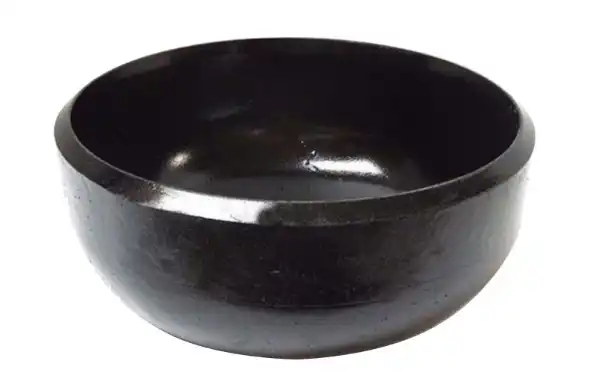
Understanding BW Carbon Steel Caps – Key Specifications and Properties
What Defines a Buttweld Carbon Steel Cap
Through circular welding, a BW Carbon Steel Cap closes pipeline ends and keeps them closed permanently. BW caps don't have threaded caps that screw onto pipe ends or blind flanges that bolt to flange connections. Instead, they fit in with the pipes without any problems, so there are no possible leak lines with mechanical joints. The hemispherical or ellipsoidal shape spreads the internal pressure evenly across the surface of the cap. This stops stress concentration at places that could weaken the structure over time.
Material Grades and Mechanical Properties
ASTM A234 WPB is the most common material standard for BW Carbon Steel Caps. It has balanced mechanical qualities that are good for moderate working conditions. This grade has a minimum tensile strength of 60,000 psi and a minimum yield strength of 35,000 psi. It is also flexible enough to be used for field construction. Low-temperature carbon steel grades, such as ASTM A420 WPL6, are needed for projects that will be working in temperatures below zero. These grades keep their impact toughness down to -50°F. On the other hand, alloy steel grades like ASTM A234 WP11 and WP22 are used in high-temperature applications in power plants and industrial units. These grades contain chromium and molybdenum, which prevent creep deformation at high temperatures.
Our carbon steel end caps are made from certified raw materials that come from approved mills. The chemical make-up and mechanical test results are written on full mill test certificates. Spectrographic analysis is done on each production batch to make sure that the alloy content meets the standards, and tensile specimens are used to make sure that the strength qualities are within accepted levels.
Dimensional Standards and Tolerances
ASME B16.9 sets the size standards for wrought buttwelding parts made in a workshop, which includes end caps. This standard lists the outside diameter, centre-to-end measurements, and wall thickness tolerances that make sure pipe pieces fit together correctly. The standard recognises two types of fittings: those that are straight-sized (meet the minimum pipe dimensions) and those that have a smaller outlet. The wall thickness is based on normal pipe plans. Schedule 40 means standard weight, Schedule 80 means extra strong, and Schedule 160 means double extra strong construction.
Tolerances in manufacturing allow for small changes from the stated measurements. Outside diameter tolerance usually starts at +0.0/-1.0mm for sizes less than 6" and goes up to +0.0/-1.5mm for larger diameters. These tight tolerances keep things from getting out of alignment during installation and help a smooth weld bead form, which lowers the risk of incomplete fusion or too much weld reinforcement.
Pressure and Temperature Ratings
The maximum allowable working pressure of the BW Carbon Steel Cap is based on the material grade, wall thickness, and operating temperature. The ASME B31.3 Process Piping Code gives calculation methods for figuring out these factors. For example, a Schedule 40, 4-inch ASTM A234 WPB cap can usually handle 1,440 psi at 400°F, while the same size in Schedule 80 construction can handle 2,190 psi at the same temperature.
Temperature has a big effect on the properties of materials. For example, carbon steel stays fully strong up to about 650°F. After that, time-dependent creep mechanisms start lowering their load-bearing capacity. Our technical team helps clients choose the right material grades and wall thicknesses based on design conditions, making sure they meet piping codes and extending the service life of the pipes.
Types and Variants of BW Carbon Steel Caps – Choosing the Right Type for Your Needs
Buttweld vs. Threaded vs. Forged Caps
Knowing the differences between cap types helps buying teams choose the best answer for each situation. Here are the main things that make these choices different:
Buttweld caps are the strongest way to connect pipes because they create a uniform joint through fusion welding that is as strong as or stronger than the base pipe material. They need to be installed by skilled welders and heated properly, but the joint that is made doesn't have to worry about vibrations loosening or seal degradation, which can happen with mechanical connections. These caps are most often used in critical services where stopping leaks is very important.
Threaded caps screw onto externally threaded pipe ends, making installation easy without the need for welding equipment. This design works well for lines with a diameter of less than 4 inches and lower-pressure systems that will need to be taken apart for maintenance on a regular basis. The mechanical thread engagement creates potential leak paths and stress concentration points that limit pressure ratings compared to welded alternatives.
Forged caps go through hot working processes that improve their mechanical properties over cast or fabricated alternatives. The forging process creates directional grain flow that follows the shape of the cap, which increases their resistance to impact and fatigue life. These high-quality parts are used in harsh environments like subsea installations, high-pressure gathering systems, and critical process units where failure would have serious consequences.
There are different operational needs for each type of cap, and choosing the right one means looking at things like system pressure, temperature cycling, maintenance access, and budget limits. Our engineering support helps clients sort through these issues to find the most cost-effective solution that meets performance requirements.
Specialty Caps for Demanding Conditions
In some industrial settings, standard BW Carbon Steel Caps aren't enough. For example, heavy-wall construction using Schedule 160 or XXS thickness is better for high-pressure applications above 2,500 psi because it adds more material thickness to safely contain internal forces. Corrosive service conditions may need better materials, like low-alloy steel grades with 1-2% chromium for better oxidation resistance.
We keep a large selection of sizes in stock, ranging from ½" to 48" nominal bore, with wall thickness options from Schedule 10S to Schedule XXS. This wide range of sizes lets us quickly meet standard requirements, and our fabrication skills allow us to meet the specific needs of each project.
Installation and Welding Procedures for BW Carbon Steel Caps
Surface Preparation and Fit-Up Requirements
Before installing a BW Carbon Steel Cap correctly, the surface needs to be cleaned thoroughly to get rid of any contaminants that could affect the quality of the weld. The pipe ends need to be squared to make sure they are aligned perpendicularly with the cap face. This stops any angular misalignment that would cause the gaps to be uneven. Within two inches of the weld zone, mill scale, rust, and coating materials need to be ground or machined off, leaving clean base metal for fusion.
The space between the pipe end and the inside of the cap is usually between 1/16" and 1/8", which is big enough to move the electrode without using too much weld metal. Temporary tack welds are made at four quadrant points to keep the parts aligned while they are being rotated for circumferential welding. These tacks are ground flush before the final passes to avoid inclusion defects.
Welding Techniques and Procedures
There are three main types of arc welding that can be used to install a BW Carbon Steel Cap. Each has its own benefits that depend on the needs of the project. Shielded Metal Arc Welding (SMAW) with stick electrodes is flexible for field construction where extra shielding gas is not practical. Gas Metal Arc Welding (GMAW/MIG) has higher deposition rates for production welding environments. Gas Tungsten Arc Welding (GTAW/TIG) makes the best root passes in important applications that need radiographic examination.
The parameters for qualified welding procedures include the electrode diameter, current amperage, travel speed, and interpass temperature limits. The amount of preheating needed depends on the thickness and carbon equivalent of the material. For walls thicker than 1 inch, ASTM A234 WPB usually requires 200–300°F of preheating. Post-weld heat treatment relieves residual stresses in thick-wall construction, making it less likely to crack during service due to stress corrosion.
Quality Assurance and Inspection Methods
We use a variety of quality control methods during the manufacturing and installation processes for the BW Carbon Steel Cap. Visual inspection makes sure that there are no surface flaws like cracks or undercuts, and that the bead profile is acceptable. Dimensional inspection uses ultrasonic gauges and precision measuring tools to check the thickness of the walls and their geometric accuracy. Nondestructive testing, such as radiographic or ultrasonic examination, finds any internal breaks that could spread during service. Pressure testing validates leak-tight integrity before system commissioning, typically applying 1.5 times design pressure for hydrostatic proof testing.
Comparing BW Carbon Steel Caps with Other End Cap Options
Material Performance Analysis
For most industrial piping applications, BW Carbon Steel Caps are the best balance of mechanical strength, weldability, and cost-effectiveness. Compared to stainless steel alternatives, carbon steel saves about 40 to 60 per cent on costs while still providing adequate corrosion resistance in non-aggressive environments. Protective coatings like epoxy, polyethylene, or fusion-bonded epoxy extend service life in mildly corrosive environments where bare carbon steel would experience unacceptable oxidation rates.
Installation Complexity and Lifecycle Costs
Buttweld installation requires skilled labour and welding equipment, which makes the initial installation costs higher than threaded options. However, this investment has big lifecycle benefits because it gets rid of the maintenance needed for mechanical seals and potential leak points that need to be inspected and retightened on a regular basis. The welded joint integrity ensures decades of reliable service without degradation, while threaded connections may need to have seals replaced and nuts retorqued on a regular basis.
Our factory is ISO 9001:2000 certified and has special equipment manufacturing licenses from the People's Republic of China. This makes sure that the production processes meet high-quality standards. During production, advanced inspection tools like spectroscopy analysers, tensile testing machines, and ultrasonic flaw detectors make sure that everything is made according to international standards.
Procurement Guide – Buying BW Carbon Steel Caps for B2B Clients
Evaluating Supplier Qualifications
When looking for a supplier of BW Carbon Steel Caps, it's important to make sure they have the right manufacturing skills and quality systems in place. Documentation, like an ISO 9001 registration, shows that the supplier is committed to consistent process control and continuous improvement. Special equipment manufacturing licenses show that the supplier is allowed to make pressure-retaining parts according to regulations. Material test reports from accredited laboratories show that the material's chemical composition and mechanical properties meet the requirements.
Technical Support and Customization Capabilities
We have built our reputation since 1998 by providing reliable pipe fitting solutions to over 300 customers in 40 countries, including the US, Europe, and the Middle East. Our extensive export experience shows that we understand international standards and logistics requirements that ensure on-time delivery to project sites around the world.
For complicated projects, engineers are often needed to help choose the right materials, sizes, and specifications that meet design codes and keep costs low. Our technical team offers advice throughout the procurement cycle, looking over drawings, suggesting alternatives, and making sure that they will work with current systems. Custom fabrication services can handle non-standard sizes, special material grades, and unique configurations that standard inventory can't meet.
Pricing and Commercial Terms
With a production capacity of 16,000 tonnes per year, fittings are always available, even for big projects that need thousands of them. Strategic inventory management keeps common sizes and schedules in stock, so fittings can be shipped quickly for urgent needs while keeping customer carrying costs low.
Competitive pricing comes from efficient production methods and direct relationships with factories that cut out middlemen and their markups. Volume discounts are given for large orders and long-term partnerships, and pricing structures are clear and predictable to help with accurate project budgeting. Payment terms are flexible to accommodate different purchasing policies, and full logistics support takes care of paperwork, packaging, and shipping to destinations chosen by the customer.
Our location in Cangzhou, just 120 kilometres from Tianjin Port, gives us quick access to international shipping routes that cut down on lead times to North American markets. Reliable logistics partners make sure that cargo arrives on time and in good condition, which helps us stick to project deadlines and avoids costly construction delays.
Conclusion
When choosing the right BW Carbon Steel Caps, you need to know how the material specifications, dimensional standards, and service conditions affect the pipeline's reliability. The ASME B16.9 and ASTM A234 standards outline how to specify caps that provide decades of leak-free service in a wide range of industrial settings. Whether your project is for oil refining, chemical processing, power generation, or infrastructure development, using the right caps and installing them correctly will protect the system and keep it running safely. Our manufacturing expertise, large inventory, and dedication to international quality standards make us a reliable partner for all your pipe fitting needs.
FAQ
What Standards Ensure BW Carbon Steel Caps Meet High-Pressure Requirements?
For BW Carbon Steel Caps, ASME B16.9 sets the sizes and tolerances, and ASTM A234 describes the material properties. Projects that need to follow the ASME B31.3 Process Piping Code or B31.1 Power Piping Code figure out the highest pressure that can be used by looking at the material grade, wall thickness, and temperature. Certified material test reports and third-party inspections make sure that these standards are followed.
How Do I Verify Supplier Quality When Sourcing Internationally?
Ask for copies of material test reports from accredited laboratories, special equipment manufacturing licenses, and quality management certifications like ISO 9001. Check references from customers in similar industries and think about factory audits to see how the production equipment and quality control procedures work. Suppliers that have been exporting for decades have a history of being reliable in a wide range of international markets.
What Kind of Welding Skills Are Needed to Install a Cap Correctly?
Welders should be certified according to ASME Section IX or an equivalent national standard that covers the materials, processes, and positions needed for the job. Welding procedures should be approved by destructive testing that shows they meet code requirements for mechanical properties and soundness. Proper documentation that includes welder performance qualifications and procedure specifications ensures that things can be tracked and who is responsible for what is done.
Partner with a Trusted BW Carbon Steel Cap Manufacturer
We at Oudi have been making high-quality pipeline parts for over 20 years and have a large inventory and a lot of technical knowledge to help you with the BW Carbon Steel Cap. Our factory makes buttweld carbon steel caps that meet ASME B16.9 and ASTM A234 standards. The caps come in sizes from ½" to 48" and have wall thickness options from Schedule 5S to XXS. We are committed to quality and following the rules, and our ISO 9001:2000 certification and special equipment manufacturing licenses show this. We also have advanced inspection equipment to make sure that every fitting meets the specifications.
Our global network serves customers in over 40 countries in the oil, chemical, natural gas, power generation, and infrastructure sectors. Whether you need standard inventory items for fast delivery or custom fabrications for specific applications, our engineering team can help you optimise specifications, and our logistics support will make sure that your orders arrive on time at project sites. Email us at oudi-04@oudiguandao.com to talk about your needs, get detailed specifications, or get competitive quotations for your next procurement.
References
1. American Society of Mechanical Engineers. ASME B16.9: Factory-Made Wrought Buttwelding Fittings. New York: ASME Press, 2018.
2. ASTM International. ASTM A234/A234M: Standard Specification for Piping Fittings of Wrought Carbon Steel and Alloy Steel for Moderate and High Temperature Service. West Conshohocken: ASTM International, 2021.
3. American Society of Mechanical Engineers. ASME B31.3: Process Piping Code. New York: ASME Press, 2020.
4. Mohitpour, M., Golshan, H., and Murray, A. Pipeline Design and Construction: A Practical Approach, 3rd ed. New York: ASME Press, 2007.
5. American Welding Society. AWS D10.10/D10.10M: Recommended Practices for Local Heating of Welds in Piping and Tubing. Miami: AWS Press, 2016.
6. Escoe, A. Keith. Piping and Pipeline Assessment Guide: Specification, Evaluation, Repair, and Rehabilitation. Oxford: Gulf Professional Publishing, 2006.

Need help finding the right solution with our experts. Please contact us.

SINCE 1998 Your Reliable Pipeline Manufacturer



