Steel Concentric Pipe Reducer Carbon Steel vs Alloy Steel Differences
It is very important to know the differences between carbon steel and alloy steel Steel Concentric Pipe Reducers when choosing pipe parts for industrial use. The Steel Concentric Pipe Reducer is a part that connects pipes with different sizes while keeping the flow line straight. Whether you use carbon steel or alloy steel directly affects how well it works in high-pressure, low-temperature, and corrosive environments. As normal, carbon steel is cheap and strong enough for most uses, while alloy steel has better mechanical qualities and can handle harsh conditions. Your operational needs, your budget, and the long-term upkeep needs of your unique piping system will determine the best option.
Understanding Steel Concentric Pipe Reducers
Design and Fundamental Function
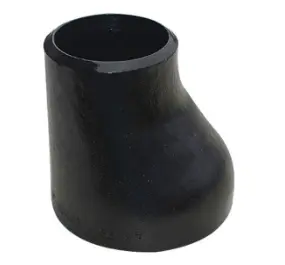
A Steel Concentric Pipe Reducer has a symmetrical cone shape, which means that the centerlines of the input and exit are exactly aligned along the same axis. This shape makes it easy for pipes to go from bigger to smaller, so there is less noise and pressure loss while the fluid is being moved. The cone-shaped body spreads stress evenly across the reducer wall, making it more structurally stable than offset versions. These fittings have been sent to chemical and oil factories where keeping the flow smooth is important for both safety and efficiency.
Industry Applications and Performance Benefits
Power plants use a lot of Steel Concentric Pipe Reducers to keep the orientation of their vertical pipe systems during heat expansion cycles. In oil refineries, these fittings are used on pump discharge lines to keep the centerline position while handling pressures above 1500 PSI. Because the design is balanced, air pockets can't form in vertical positions. This gets rid of the risk of cavitation, which could damage equipment further downstream. Chemical processing plants like the way the flow cleans itself so that sediment doesn't build up at changeover points.
Compliance with Manufacturing Standards
The sizes listed are based on ASME B16.9 standards, and they range from NPS 1/2 to NPS 48, with wall thicknesses listed from Schedule 40 to XXS. ASTM A234 WPB is a standard for carbon steel types, and ASTM A234 WP11/WP22 is a standard for alloy steel types. Along with ISO 9001:2000 certification, our factory also has special equipment making licenses from the People's Republic of China. These qualifications make sure that every reducer meets the high standards of quality needed to sell in Europe, the Americas, Africa, and Southeast Asia.
Carbon Steel vs Alloy Steel Concentric Pipe Reducers: Key Differences
Material Composition and Chemical Properties
Carbon steel reducers made from ASTM A234 WPB are mostly iron, with carbon content usually less than 0.30%. This means that they behave reliably mechanically at normal temperatures. Adding chromium, molybdenum, and nickel to different types of alloy steel changes the metal's structure for better performance. ASTM A234 WP11 has chromium levels of 1.0 to 1.5% and molybdenum levels of 0.4 to 0.65%. This means that it can be used at temperatures up to 1100°F. The WP22 grade adds 2.0 to 2.5% more chromium, which improves its heating properties and makes it more resistant to oxidation in steam settings.
Positive Material Identification testing with XRF analysis for Steel Concentric Pipe Reducer proves that the elemental makeup matches approved mill test results. This stops galvanic corrosion problems from happening when different metals are joined. It is easier to weld carbon steel in the field because its chemistry is simpler. On the other hand, alloy steel needs to be controlled during preheat and interpass temperature management to keep hydrogen from causing cracks. Before production starts, our quality control lab does chemistry analyses on the raw materials. This makes sure that all of our 16,000-ton-a-year output is consistent from batch to batch.
Mechanical Strength and Temperature Tolerance
Carbon steel reducers have a tensile strength of about 60,000 PSI and a break point of about 35,000 PSI. This makes them strong enough for use in temperatures up to 800°F. Different types of alloy steel can have tensile strengths higher than 75,000 PSI while still being able to be bent at high temperatures, where carbon steel would start to creep bend. Charpy V-Notch impact testing shows that alloy steel stays tough at very low temperatures, even as low as -46°C, which is very important for LNG handling plants.
The chromium-molybdenum alloying elements make carbides that don't soften when exposed to high temperatures for a long time. This makes the pipes in superheaters and reformer furnaces last longer. For water distribution systems, building HVAC installs, and low-pressure steam lines that won't be used in harsh situations, carbon steel is still a cheaper option. Our production tools include hydraulic presses that can hot form different types of alloys, which keeps the purity of the grain structure while cold working might damage it.
Corrosion Resistance and Environmental Durability
If you don't protect carbon steel with coatings or cathodic protection systems, it will oxidise in wet settings. This is why water conservation projects need regular upkeep. The chromium in alloy steel creates a passive oxide layer that fixes itself when it gets scratched. This makes it naturally resistant to rust in slightly acidic condensate systems. When hydrogen sulphide is present in sour gas service, alloy steel is required to stop sulphide stress cracking, which would destroy carbon steel parts.
In coastal settings, atmospheric corrosion rates speed up the breakdown of carbon steel. Alloy grades, on the other hand, keep the surface stable with little metal loss. For offshore platform installs and shipbuilding along the coast, where salt spray makes conditions rough, we suggest alloy steel. When you look at replacement intervals and downtime costs, our export experience working with companies in Singapore and the Middle East has shown us that the choice of material has a direct effect on lifetime costs.
Cost Analysis and Economic Considerations
Carbon steel Steel Concentric Pipe Reducers are usually 40–60% less expensive than alloy steel parts of the same type. This makes them a good choice for projects that need to stay within budget and don't need a lot of service. The difference in price at first has to be weighed against the costs of repairs, the number of times it needs to be replaced, and the chance of losing production because it breaks down too soon. Alloy steel has a longer service life, which often explains a higher initial investment in industries that use continuous processes and where unplanned shutdowns cause big losses in income.
Lead times are affected by the supply of raw materials. For example, carbon steel types are easy to find in stock, but some alloy compositions may need mill-specific production runs. Our central position near Tianjin Port makes it easy to get materials and ship them overseas. This helps us keep our prices low even when the steel market changes. We can offer uniform prices to customers planning multi-year building projects across multiple sites because we have volume purchasing deals with steel mills.
How to Choose Between Carbon Steel and Alloy Steel Pipe Reducers for Your Projects
Evaluating Operating Conditions and System Requirements
The main decision factor is the pressure number, which means that the highest pressure that can be used at the design temperature needs to be carefully looked over. Standard refinery pipe can handle Class 150 and 300 flange grades with carbon steel, but Class 600 and higher usually needs Steel Concentric Pipe Reducers made of alloy steel because they have a better strength-to-weight ratio. Frequency of temperature cycling changes a material's response to fatigue. Alloy steel does better when exposed to repeated thermal stress.
The chemical makeup of the process fluids sets the compatibility requirements. For example, carbon steel is fine for fuels that don't corrode, but alloy grades are needed for streams that are acidic or contain chloride. When particles-filled fluids hit the sides of the reducer at the diameter transition zone, flow rate becomes important in situations where erosion is likely to happen. We offer expert support to help customers match the properties of materials with the real working conditions shown in their process flow diagrams.
Certification and Compliance Verification
For projects that need to follow API 5L or ASME B31.3, the materials must be able to be tracked from the steel mill to the testing of the final product. Our quality control system keeps track of heat numbers throughout the manufacturing process. This means that we can fully trace back the history of every reducer we make. Special equipment manufacturing licenses show that we can make pressure-retaining parts that meet the safety standards of countries that sell our products.
Third-party testing services check the accuracy of the dimensions against ASME B16.9 tolerances. For length, deviations of up to 1.5 mm are okay, and for wall thickness, they can be up to 12.5%. Non-destructive testing methods include ultrasound inspection for bodies that don't have any seams and radiography inspection of weld seams to find internal breaks before they are shipped. Hydrostatic proof testing at 1.5 times the design pressure proves the structure's strength. This is written down on mill test papers that are sent with every order.
Supplier Capability and Delivery Reliability
Manufacturing capacity has a direct effect on project schedules, especially when it comes to large-diameter or heavy-wall reducers that need special tools to shape them. Our 66,600-square-meter building has hydraulic presses, heat treatment ovens, and CNC machining centers that can make custom designs that go beyond what's available in our catalogue. Advanced checking tools, like compact XRF analysers and coordinate measuring machines, make sure that measurements and materials are met without having to rely on outside labs.
Our export experience with more than 300 customers in 40 countries shows that we know how to handle foreign operations, what paperwork is needed, and what quality standards are expected. Shipping delays are kept to a minimum by having good ties with freight forwarders and knowing how to handle customs in important areas like Europe, the Americas, and Southeast Asia. Our expert team helps customers study specifications in English, which keeps them from making costly mistakes that could lead to deliveries that don't meet requirements.
Manufacturing Process and Quality Assurance of Steel Concentric Pipe Reducers
Production Techniques and Material Handling
Seamless Steel Concentric Pipe Reducers start with choosing pipe stock that fits the needed schedule and material grade. The pipe end is then hot-formed in hydraulic presses that gradually squeeze it into a cone shape. For welded versions, the plate material is rolled and horizontally welded before the reducer is formed. The weld lines are placed so that they don't touch areas of high stress. To keep alloy steel from going through thermal shock, it needs to be heated at controlled rates and then cooled in a way that creates the best microstructure for its tensile qualities.
Quality Control Protocols and Inspection Standards
During machining, the weld ends are bevelled to 37.5° 2.5° angles, which makes full penetration welds easier to do in the field. When joining lines with different schedules, boring activities can be used to meet specific internal diameter needs. Normalising, quenching, and tempering are heat treatment methods that change the hardness and stiffness of a material based on its grade and the needs of the customer. Our production planning system puts orders in the right order to keep delivery promises for projects that need to be done on time and reduce material waste.
At several steps of production, calibrated tools that can be traced back to national measurement standards are used to check the dimensions. Ultrasonic gauges are used at eight circumferential places on both the large and small diameter ends to measure the thickness of walls. This makes sure that the readings are all the same within certain limits. Visual inspection finds flaws on the surface, like laps, gaps, or laminations, that could turn into cracks when pressure or temperature changes happen.
Non-destructive testing can find flaws below the surface that can't be seen with the naked eye. Ultrasonic testing with longitudinal wave probes looks for flaws, holes, or areas where the metal hasn't fused together properly in the reducer body. Radiographic study creates lasting film records of how sound the inside is, which is needed for important service uses in nuclear power or high-pressure steam systems. Magnetic particle checking can find surface-breaking cracks in carbon steel parts, and liquid penetrant testing can do the same thing for alloy steel types that aren't magnetic.
Certification Documentation and Traceability Systems
For tracking reasons, each reducer is marked with a unique number that shows the material grade, heat number, and date of manufacture. Mill test certificates show the material's chemical make-up, mechanical qualities, and hydrostatic test results. They meet the standards of EN 10204 Type 3.1 for material verification. Our quality control system keeps test records for seven years. This way, we can get back to old data if there are problems in the field that need failure analysis.
Material certificates from steel mills are sent with packages of raw materials. These are compared to the specs on the purchase order before production can begin. For chemistry research and mechanical tests, our lab follows ASTM reference standards. Accredited metrology services calibrate our equipment every six months. Customers trust this high-quality infrastructure, which has led to return business ties that last for years and projects in a wide range of industries.
Comparing Steel Concentric Pipe Reducers with Other Types and Materials
Concentric versus Eccentric Reducer Applications
The biggest difference is how the centerlines are aligned. Steel Concentric Pipe Reducers keep the coaxial shape, while eccentric ones move one side out to the side to avoid air getting trapped. When installing vertical pipes, they always use circular designs because gravity makes sure that the gas phases rise naturally without creating holes. Horizontal pump suction lines require eccentric reducers with the flat side facing upward. This gets rid of the risk of cavitation that would happen if air built up at the top of a circular reducer.
Installation orientation mistakes can undo the benefits of better performance, so it's very important to get the specifications right during the planning process. We have seen problems in the field where concentric reducers were placed wrongly horizontally, which caused air to get stuck in the pumps and damaged them, which required expensive repairs. To avoid mistakes during building, engineering teams must make sure that piping isometric models clearly show the type of reducer and its orientation. When a customer asks, our expert sales staff looks over their plans to find any mistakes that might be made before the fabrication process starts.
Material Alternatives and Performance Trade-offs
When it comes to corrosion protection, stainless steel reducers are better than carbon or alloy steel ones. This is why they are used in food processing, pharmaceutical manufacturing, and high-purity chemical uses. Austenitic types, such as 304L and 316L, stay flexible over a wide range of temperatures and are great for clean-in-place systems because they are very hygienic. Stainless steel is 200–300% more expensive than carbon steel, so it can only be used in processes where the extra cost is worth it to avoid contamination.
Ductile iron fittings are used in low-pressure water networks because they are cheaper to cast than steel parts that are made on-site. The graphite crystals in ductile iron protect against impacts and reduce vibrations, but they can only handle up to Class 150 of pressure. Even though steel reducers are more expensive, they are sometimes preferred because they are lighter. This is especially true for ocean platforms where structural loading affects base design. Customers can get full piping systems from a single qualified provider because our product line includes carbon steel, alloy steel, and stainless steel.
Conclusion
When choosing between carbon steel and alloy steel Steel Concentric Pipe Reducers, you need to weigh the technical performance against the cost factors that are important for your individual business. Carbon steel is a cost-effective choice for uses with mild temperature and pressure. Alloy steel, on the other hand, is more expensive but has better strength, resistance to corrosion, and longer service life in harsh environments. The right choice of materials, along with strict quality control and licensing compliance, guarantees long-lasting performance that you can count on. We can make reducers that meet foreign standards thanks to our ISO 9001 certification and special equipment licenses, which back up our production skills. Checking the credentials, output ability, and international experience of suppliers can help lower supply chain risks that could cause important projects to be delayed.
FAQ
What determines the length of a steel concentric pipe reducer?
Face-to-face dimensions are based on ASME B16.9 standards for the larger pipe width, which makes sure that parts from different makers can be used together. The standard length is based on the estimated pipe size of the main end. It is usually between 2 inches for small diameters and 18 inches for NPS 24 and bigger. Customers can get custom lengths if they need non-standard sizes because of limited room, but this may affect delivery times and costs.
Can carbon steel reducers be upgraded to alloy steel in existing systems?
When retrofitting, it's important to think carefully about how to weld metals that are not the same. When a carbon steel pipe meets an alloy steel reducer, they need to be joined together using qualified welding techniques and the right filler metals to account for changes in makeup. Post-weld heat treatment might be needed to get rid of any remaining stresses and keep the metal from breaking. If you give us the details of your system, our engineering team can suggest transition piece configurations and skilled welding methods.
How does wall thickness vary across the reducer length?
Standard production keeps the wall thickness the same throughout the conical part so that it matches the schedule of the bigger diameter pipe. Specialised "bored to match" designs reduce the internal bore at the smaller end to fit with downstream pipes with thinner walls, but this makes the production process more difficult. It is important to check the wall width at both sides during inspection so that there are no mismatches during field welding that could cause stress to build up on the Steel Concentric Pipe Reducer.
Partner with Oudi for Reliable Steel Concentric Pipe Reducer Solutions
To make sure that specifications are followed and materials are chosen correctly, you need a reliable Steel Concentric Pipe Reducer maker with a track record of technical success. We have been selling industrial pipe parts to projects in more than 40 countries since 1998. These projects are in oil and gas, chemicals, power production, and water infrastructure. Our modern inspection tools and ISO 9001-certified quality systems, along with our annual production capacity of 16,000 tonnes, give your projects the consistency they need. No matter if your application needs carbon steel to save money or alloy steel for tough service conditions, our research team can help you match materials to working conditions. You can email us at oudi-04@oudiguandao.com to talk about your special needs, look at certified material test results, or ask for samples of Steel Concentric Pipe Reducers to try out. We want you to experience the quality and great service that have made us the provider of choice for engineering companies and industry end-users around the world.
References
1. American Society of Mechanical Engineers. (2020). ASME B16.9: Factory-Made Wrought Buttwelding Fittings. New York: ASME Press.
2. ASTM International. (2019). ASTM A234/A234M Standard Specification for Piping Fittings of Wrought Carbon Steel and Alloy Steel for Moderate and High Temperature Service. West Conshohocken: ASTM International.
3. Mohitpour, M., Golshan, H., & Murray, A. (2007). Pipeline Design & Construction: A Practical Approach (3rd ed.). New York: American Society of Civil Engineers.
4. Nayyar, M. L. (2000). Piping Handbook (7th ed.). New York: McGraw-Hill Professional.
5. Singh, R., & Khamba, J. S. (2006). "Ultrasonic Machining of Titanium and its Alloys: A Review." Journal of Materials Processing Technology, 173(2), 125-135.
6. Totten, G. E., & MacKenzie, D. S. (2003). Handbook of Aluminum: Physical Metallurgy and Processes (Vol. 1). Boca Raton: CRC Press.

Need help finding the right solution with our experts. Please contact us.

SINCE 1998 Your Reliable Pipeline Manufacturer



