Carbon Steel Elbow: Essential Guide for Pipe Fittings
Carbon steel elbow stock is one of the most important parts of industrial pipe systems for making sure that changes in the direction of fluid flow work well. These basic pipe fittings are used in a huge range of industry settings, from water treatment plants to oil factories. Knowing the requirements, quality standards, and buying factors for carbon steel elbows can have a big effect on the success of your project and the long-term efficiency of your operations.
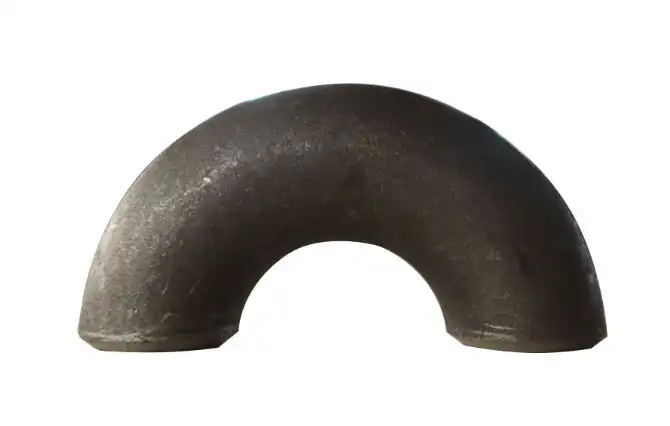
Understanding Carbon Steel Elbow Stock
Carbon steel elbows are the building blocks of current piping systems used in many fields. These special fittings make it possible for pipe networks to change directions smoothly while keeping their structural integrity when pressures change. Because carbon steel has certain basic qualities, these parts are especially good for harsh industrial settings.
Material Properties and Specifications
Carbon steel elbows are very strong for how light they are, which makes them perfect for high-pressure uses in the natural gas, chemical, and oil industries. The iron and carbon contents of the material are usually between 0.30% and 1.70%, which is the best mix between longevity and workability. International standards like ASTM A234 WPB, ANSI B16.9, and DIN 2605 are met by these parts. This makes sure that the quality is the same in all places around the world.
There are different types of carbon steel elbow stock on the market today, each made for a specific set of requirements. For normal temperature uses, grade WPB is still the most popular choice. For higher temperature environments, grades like WP11 and WP22 are better options. When buying, teams know about these important differences, and they can choose the right parts for their pipeline needs.
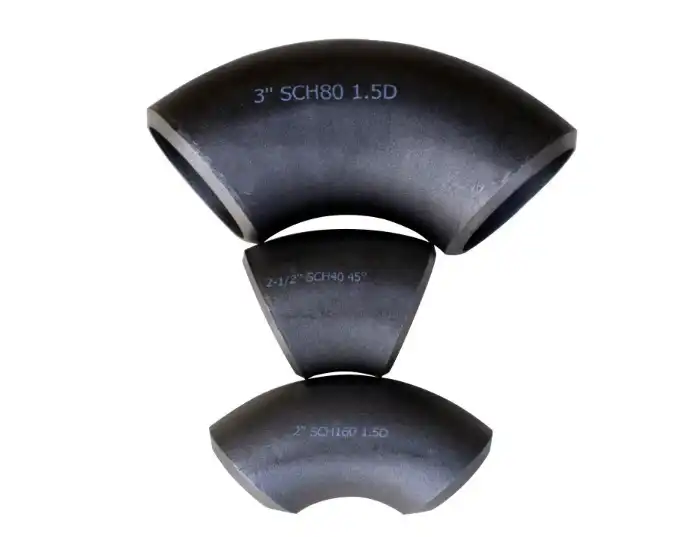
Types and Manufacturing Variants
There are big differences in how well carbon steel bends depending on how it was made. Because their grains are all the same, seamless versions can handle more pressure better, which is why they are the best choice for important jobs in the oil and gas industries. Welded elbows are a cost-effective way to fix systems with lower pressure while still meeting performance standards.
Forged carbon steel elbows are the best because they have better mechanical qualities, as they go through controlled forging processes. Extreme pressure and acidic conditions are typical in chemical processing plants, and these parts work great in those conditions. Whether you choose a seamless, welded, or forged version depends on the needs of the product, your budget, and safety concerns.
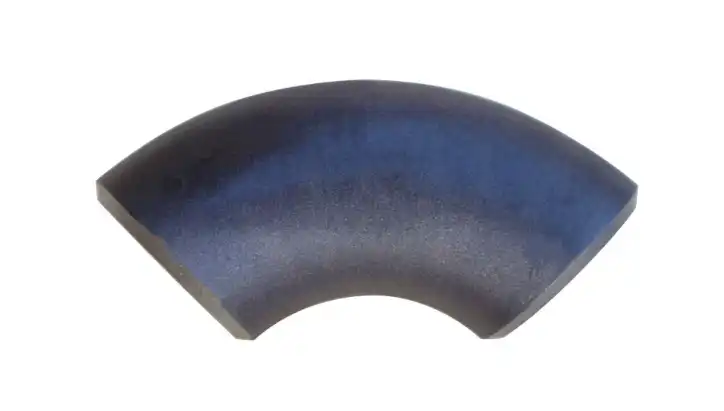
Technical Comparison and Performance Insights
Knowing the pros and cons of the different materials used for elbows helps industry projects make smart choices. Carbon steel elbows are better than stainless steel and alloy steel elbows in several ways. This is especially true in cost-sensitive situations where mild corrosion protection is needed.
Material Performance Analysis
Under normal working conditions, carbon steel has great mechanical qualities. Depending on the grade, its tensile strength is usually between 415 and 655 MPa. The material is flexible, so it works well in systems that generate electricity and heat and then cool down and heat again. But in corrosive conditions, carbon steel needs protective layers or cathodic protection to keep it from breaking down.
Carbon steel elbows are rated for pressure based on set standards. Ratings range from Class 150 to Class 2500, so you can find one that fits your system's needs. When choosing the right grades, the link between pressure and temperature is very important because higher temperatures lower the pressures that can be used. Industrial plumbing systems run more safely and don't break down as often when you understand these connections.
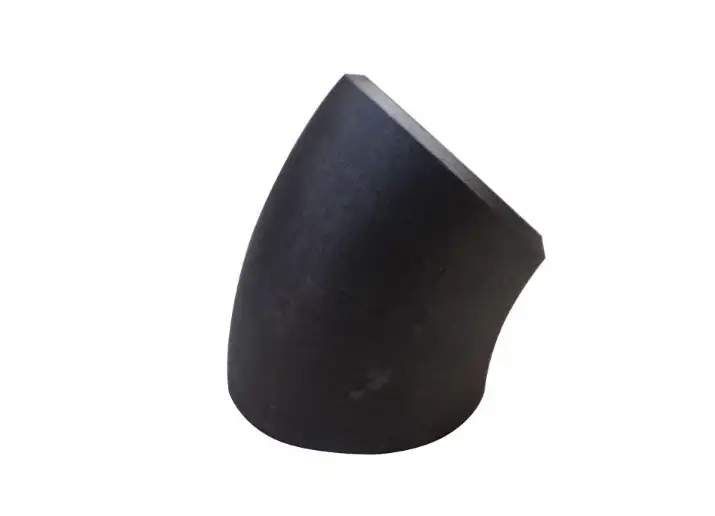
Manufacturing Process Impact on Performance
A lot of what determines how well carbon steel bends in the end depends on how it was made. Seamless production gets rid of the weak spots that can happen at weld gaps, so stress is spread out evenly when the product is loaded with pressure. Due to this feature, smooth elbows are very useful for high-pressure uses in chemical plants and factories.
When making elbows, hot forming creates good grain patterns that make them more resistant to wear. The controlled melting and shaping processes make sure that the material flows properly, reducing stress buildup that could cause the part to break too soon. To make sure that all of their products have the same mechanical qualities, good makers strictly control the temperature and the parameters for shaping.
Manufacturing Process and Quality Inspection
Modern carbon steel elbow production uses complex methods to make sure that quality and performance are always the same. There are many quality control places along the way from the raw material to the finished product, and foreign standards must be followed.
Production Workflow and Quality Control
The first step in making something is checking the raw materials. The chemistry makeup and mechanical qualities are tested thoroughly. The elbows are shaped by hot forming, which uses carefully controlled temperatures and pressures to get the best grain structure. After forming, heat treatment steps are used to remove internal stresses and achieve certain material qualities.
Protocols for quality inspection include checking the dimensions, looking at the item visually, and using non-destructive testing methods. Ultrasonic testing finds problems inside the material, and X-ray screening checks the quality of the weld in bonded versions. Testing for hydrostatic pressure makes sure that the structure is strong when it is being used, which gives you faith in the stability of the parts. These thorough checking steps lower the chance of problems happening in the field and make sure that industry standards are met.
Certification and Standards Compliance
Manufacturers with a good reputation use ISO 9001:2000 quality management systems and have the special equipment manufacturing licenses needed to make pressure tank parts. Carbon steel elbow stock from approved sources goes through recorded traceability processes that make it possible to see the whole history of the material, from the raw materials to the final review. During company checks and regulatory audits, this paperwork is very helpful.
Third-party testing services give you extra proof that the product is of good quality and meets the requirements of the standard. Independent inspectors verify dimensional accuracy, material properties, and manufacturing processes according to customer specifications and applicable codes. This extra check makes sure that the parts bought meet or go beyond what the project needs.
Procurement Considerations for Carbon Steel Elbow Stock
To successfully buy carbon steel elbows, you need to carefully think about more than just the initial purchase price. Lead times, quality certifications, source skills, and assistance after the sale all have a big effect on the total success of the project and the long-term costs of running it.
Supplier Evaluation and Selection
To find suitable providers, you have to look at their manufacturing skills, safety certifications, and experience exporting. Established makers usually keep production capacities above 16,000 tons per year, which makes sure that big projects can rely on their supply chains. Being close to major shipping ports makes operations easier and lowers the cost of shipping for foreign buyers.
Quality management systems for suppliers should include ISO 9001 approval and follow the rules for pressure tools. Facilities that make things and have high-tech tools for checking and producing things show that they care about quality and can meet strict requirements. References from current customers in similar industries are a great way to learn about how well and reliably a company does its job.
Commercial Considerations and Logistics
The changing prices of carbon steel elbow stock are caused by the cost of raw materials, the difficulty of making the product, and changes in market demand. When you buy a lot of something, you can often save a lot of money with volume pricing. This makes consolidated purchasing methods appealing for projects with more than one part. Figuring out minimum order amounts and standard packaging layouts can help you save money on shipping and keep track of your goods better.
When shipping internationally, you need to think about things like the right way to package items for shipping by sea, what paperwork you need to get through customs, and whether your valuable goods are covered by insurance. Suppliers with a lot of experience offer full transportation support, including working with freight forwarders and helping with import paperwork. This help is especially helpful for buyers who are new to buying things internationally or who are in charge of projects that need to be finished quickly.
Making the Right Choice: Selection Guide for Carbon Steel Elbows
To choose the right carbon steel elbows, you have to match the part's specs to the needs of the application. The best product for each application depends on the working pressures, temperature ranges, features of the pipeline media, and installation limitations.
Application-Specific Selection Criteria
In oil and gas uses, elbows that meet ANSI B16.9 standards and have the right pressure values for the system's conditions are usually needed. Because some gasoline products are corrosive, they may need internal coverings or better materials to last longer. Knowing the exact chemical makeup of the media being carried can help you spot possible compatibility problems and choose the right safety steps.
Standard-grade Carbon steel elbow stock with protective coats are often used in water treatment and transport systems to keep the steel from rusting. For potable water uses, municipal water systems usually ask for coatings that are NSF-approved. On the other hand, standard protective coatings may be okay for industrial water systems, based on the water quality.
Grade Selection and Specification Matching
ASTM A234 WPB represents the standard grade for most carbon steel elbow applications, offering reliable performance in moderate temperature and pressure situations. This grade is great for welding and has good mechanical qualities that make it useful for construction, shipbuilding, and other industry uses. The widespread availability and competitive pricing make WPB the preferred choice for cost-sensitive projects.
Higher-grade materials, such as WP11 and WP22, are used in high-temperature processes that are popular in power plants and petroleum plants. These better types have extra chromium and molybdenum added to them, which makes them stronger at high temperatures and less likely to rust. Even though these materials are more expensive, their better performance makes up for it in challenging situations.
Conclusion
Carbon steel elbow stock is still an important part of modern industrial pipe systems because they work reliably in a wide range of settings, from oil factories to water treatment plants. Knowing the qualities of materials, how they are made, and the standards for quality lets you make smart purchasing choices that lower costs and improve long-term efficiency. To buy carbon steel elbows successfully, you need to make sure that the part specifications match the needs of the application and work with approved providers who can consistently provide high-quality products on time.
FAQ
What distinguishes carbon steel elbows from stainless steel alternatives?
Carbon steel elbows offer superior cost-effectiveness for applications where moderate corrosion resistance suffices. While stainless steel provides enhanced corrosion resistance, carbon steel delivers excellent mechanical properties at significantly lower costs, making it ideal for petroleum, chemical, and water treatment applications where protective coatings can address corrosion concerns.
How do I determine the correct pressure rating for my application?
Pressure rating selection requires consideration of both operating pressure and temperature conditions. Standard pressure classes range from 150 to 2500, with each class having specific pressure-temperature relationships. Consult ANSI B16.5 pressure-temperature charts and consider safety factors appropriate for your specific application and industry requirements.
What advantages do certified manufacturers provide?
Certified manufacturers offer documented quality management systems, traceable material certifications, and compliance with international standards. ISO 9001 certification ensures consistent manufacturing processes, while special equipment licenses demonstrate the capability to produce pressure vessel components meeting regulatory requirements.
Why choose seamless over welded carbon steel elbows?
Seamless elbows get rid of the weak spots that can happen at weld gaps, so stress is spread out evenly when the joint is loaded with pressure. Because of this, seamless versions are better for high-pressure uses in important fields like oil and gas processing, where part dependability has a direct effect on safety and operating efficiency.
What factors should influence supplier selection?
Evaluate manufacturing capacity, quality certifications, export experience, and customer references. Suppliers with annual production exceeding 16,000 tons demonstrate scale capability, while ISO 9001 certification and international market experience indicate quality and reliability. Customer references from similar industries provide valuable performance insights.
Partner with Oudi for Premium Carbon Steel Elbow Solutions
Oudi has delivered exceptional pipe fitting solutions since 1998, serving over 300 customers across 40 countries with our comprehensive carbon steel elbow stock and manufacturing expertise. Our ISO 9001:2000-certified factory makes 16,000 tons of goods every year, ensuring reliable supply chain support for your critical projects. We offer reasonable prices, strict quality control, and technical advice from experts to meet both standard and unique needs. Email our skilled staff at oudi-04@oudiguandao.com to talk about your carbon steel elbow stock supplier needs and find out how our proven skills can help your next industrial project.
References
1. American Society for Testing and Materials. "Standard Specification for Piping Fittings of Wrought Carbon Steel and Alloy Steel for Moderate and High Temperature Service." ASTM A234/A234M-19.
2. American National Standards Institute. "Factory-Made Wrought Buttwelding Fittings." ANSI/ASME B16.9-2018.
3. Deutsches Institut für Normung. "Steel Butt-Welding Pipe Fittings - Part 1: Wrought Carbon Steel for General Use and Without Specific Inspection Requirements." DIN EN 10253-1:2018.
4. International Organization for Standardization. "Quality Management Systems - Requirements." ISO 9001:2015.
5. British Standards Institution. "Specification for Steel Pipe Fittings, Screwed and Socket-Welding for the Petroleum Industry." BS 3799:1981.
6. Japanese Industrial Standards Committee. "Carbon Steel Pipe Fittings." JIS B 2311:2009.

Need help finding the right solution with our experts. Please contact us.

SINCE 1998 Your Reliable Pipeline Manufacturer



