Technical specifications for shipbuilding pipe elbows used in marine vessels
Shipbuilding pipe elbow components represent critical elements in marine vessel piping systems, serving as directional connectors that enable fluid flow changes throughout complex shipboard infrastructure. These specialized fittings undergo rigorous manufacturing processes using seamless or welded steel materials, incorporating butt welding capabilities with beveled ends designed for full penetration welding. Marine-grade pipe elbows must withstand extreme saltwater conditions, high-pressure applications, and thermal cycling while maintaining structural integrity across demanding operational environments that define modern maritime engineering.
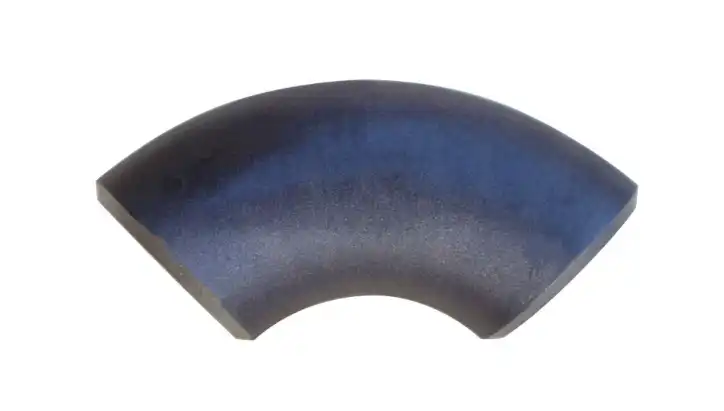
Understanding Shipbuilding pipe elbow: Types, Materials, and Standards
Marine vessel pipe systems need high-tech directional parts that can handle the challenges of working in saltwater and changing operating conditions. Pipe elbows are important parts of systems that keep them working properly and ensure that fluid flows in the right direction, especially in marine settings.
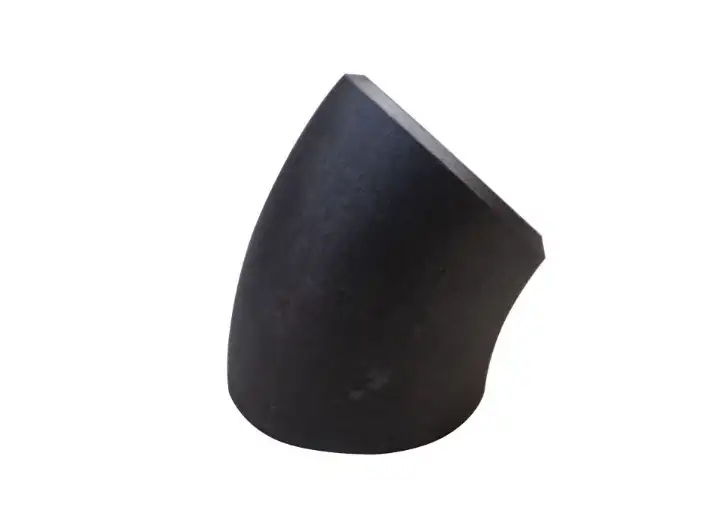
Common Types and Angular Configurations
Shipbuilding pipe elbow designs primarily feature 90-degree and 45-degree angular configurations, with each serving distinct purposes within marine piping networks. The 90-degree variants provide sharp directional changes necessary for compact engine room layouts and space-constrained areas typical in vessel design. These elbows are available in both long radius (1.5D) and short radius (1.0D) configurations, where the radius measurement corresponds to the center line curvature relative to the pipe width.
Long radius elbows minimize turbulence and pressure drop, making them ideal for major supply lines and high-flow uses. When the room is limited, short radius bends can save some of it, but they also lose a little more pressure. The 45-degree bends make changes in direction more gradual, which lowers stress levels and fluid turbulence in systems that need easier flow changes.
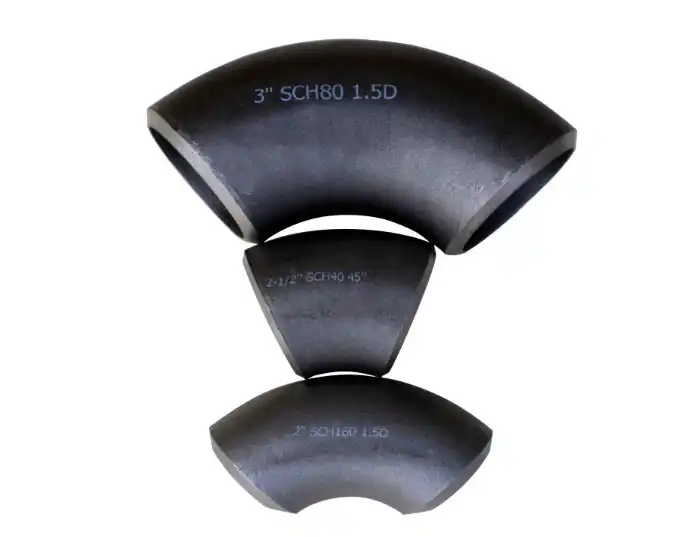
Material Selection for Marine Environments
The Shipbuilding pipe elbow material is an important decision that has a direct effect on the service life and dependability of operations in marine use. Carbon steel elbows are very strong and don't cost a lot of money. They are great for freshwater systems and internal pipe networks. The carbon percentage is usually between 0.15% and 0.30%, which gives the material good mechanical qualities while still meeting the weldability standards needed for installation on ships.
Different types of alloy steel have extra elements like chromium, molybdenum, and nickel added to them to make them more resistant to rust and better at working at high temperatures. These materials are very useful in places where regular carbon steel would break down quickly, like in engine cooling systems and steam transportation networks. Elbows made of stainless steel, especially types 316 and 316L, don't rust when exposed to saltwater, so they are essential for systems that take in seawater and drain water from decks.
Industry Standards and Certifications
Marine pipe systems have to meet strict international standards that make sure they are safe and can work with other systems on ships around the world. While ISO standards set dimensional limits and quality control processes, ASTM specs spell out the properties of materials and how they must be tested. The American Bureau of Shipping (ABS) has classification rules that are specific to the needs of naval pipe systems.
These standards cover things like tracking down materials, following rules for technical tests, and making sure that measurements are correct to make sure that the product is reliable. The fact that sea safety is so important means that pressure testing requirements are often higher than those used in industry. Material certificates, dimensional inspection records, and pressure testing paperwork are some of the things that are needed as proof. This makes the regulatory clearance process easier.
Dimensional and Design Specifications of Shipbuilding Pipe Elbow
Precise control over dimensions makes sure that it works with current pipe systems and keeps the performance qualities that are important for naval uses. Knowing these specs lets you make accurate system designs and make sure they work well with complicated tank pipe networks.
Critical Dimensional Parameters
Pipe elbow dimensions encompass nominal diameter, wall thickness, and centerline radius measures that show how the fluid flows and how strong the structure is. The nominal width can be anywhere from 1/2 inch to 48 inches, so it can fit everything from sensor lines to cooling systems for the main engine. There are set plans for choosing wall thickness, with Schedule 40 and Schedule 80 being the most popular for marine use.
The measurement of the central radius has a direct effect on how the flow moves and how the pressure drops. Long radius elbows have a centerline radius that is 1.5 times the standard width. This makes the flow changes smoother and reduces turbulence. Short radius versions use a radius that is 1.0 times the standard diameter. This saves room in tight setups but results in higher pressure losses.
International Standards and Tolerances
Dimensional tolerances are based on standards that are known all over the world. These standards make sure that parts can be interchanged and systems can work with parts from different makers and areas. ASME B16.9 sets the size requirements for wrought steel butt welding fittings that are made in a workshop. It includes specific rules for pipe elbows that are used in naval settings.
These limits cover differences in outside width, consistent wall thickness, and angular accuracy needs that have an effect on how the system works and how it is installed. Quality control measures make sure that the tolerances set are followed by using calibrated measuring tools and written proof methods for thorough dimensional checking routines.
Pressure Ratings and Temperature Considerations
The operating pressure and temperature have a big effect on the choice of elbow and the design of the system. Standard pressure rates are between 150 PSI and 2500 PSI, but higher values are available for specific uses that need to be able to handle a lot of pressure.
Temperature values depend on the material used and the wall width requirements. Carbon steel elbows can usually handle temperatures up to 800°F, while elbows made of stainless steel can handle temps higher than 1000°F. You can choose from stainless steel choices that are very stable at a wide range of temperatures and don't rust, which is important for marine settings.
Comparing Shipbuilding pipe elbow: Material and Manufacturing Types
The way something is made and the materials used have a direct effect on how well it works, how much it costs, and how long it should last in naval uses. Knowing these differences helps you make the best selection choices, which balance the need for efficiency with cost concerns.
Seamless vs. Welded Construction
Shipbuilding pipe elbow manufacturing utilizes either seamless or welded construction methods, each of which has its own benefits for different marine uses. Seamless elbows are produced from solid steel billets through hot forming processes that create walls that are all the same thickness. This eliminates the need to worry about weld seams. Better ability to handle pressure and better resistance to stress buildup that can form around welded parts are two benefits of this building method.
In the production process, steel billets are heated to a point where they can be shaped using either mandrel bending or hot pushing. The finished goods have the same mechanical qualities all the way through the elbow body, which gets rid of any weak spots that could happen with welded construction. On the other hand, seamless making usually has higher prices and longer wait times than the welded option.
Welded elbows are made from steel plates or strips that are shaped into elbow forms and then joined together using high-quality welding techniques. When done right, modern welding methods make joints that meet or exceed the strength standards of the base material. The prices are better and the delivery times are shorter for these goods, but they still work well enough for many marine uses.
Material Performance Comparison
Carbon steel is a cost-effective option with a great strength-to-weight ratio for internal pipe systems and watery uses. When it comes to installation, the material's predictable mechanical qualities and great weldability make things easier. When carbon steel is exposed to saltwater, however, it needs protective layers or cathodic protection systems.
There are extra elements added to alloy steel that improve certain performance qualities needed in tough marine uses. Adding chromium makes the metal more resistant to rust and better at handling high temperatures, and adding molybdenum makes it stronger at those temperatures. These materials are useful in steam systems, high-temperature cooling circuits, and other specific uses that need better material qualities.
Stainless steel is very resistant to rust and keeps its mechanical qualities over a wide range of temperatures. Additionally, the material's self-passivating properties protect it naturally from saltwater rust, so it doesn't need any extra protection. Even though they cost more at first than carbon steel alternatives, the longer service life and lower upkeep needs often make the investment worth it in important marine uses.
Schedule 40 vs. Schedule 80 Specifications
Specifications for wall width have a big effect on how well a structure can handle pressure and how strong it is. Schedule 40 elbows have a normal wall thickness that makes them good for mild pressure systems and most marine pipes. These goods are strong enough for most uses on ships while keeping weight and material costs to a minimum.
Schedule 80 versions have thicker walls that allow for higher pressure levels and better mechanical strength. The thicker material gives you more safety gaps and better protection against damage from the outside or stress buildup. But the heavy building means more weight and higher material costs that need to be thought about when designing the whole system.
Procurement Guide for Shipbuilding pipe elbow in B2B Marine Supply Chains
To do good buying, you need to know what the suppliers can do, how to make sure the quality is good, and how to handle the logistics that affect project timelines and prices. Strategically choosing a source can have a big effect on the success of a project and the reliability of its operations in the long run.
Supplier Selection Criteria
Shipbuilding pipe elbow procurement begins with identifying suppliers that possess appropriate certifications and manufacturing capabilities for marine applications. ISO 9001 certification shows that quality management systems are in place, and specialized marine certifications show that you know how to meet the needs of your business. The ability to make things should include all the different types of materials and sizes that are needed for the project.
Production ability and transportation options have a direct effect on how long a project takes and how much it costs. Big suppliers that can make more than 16,000 tons of goods a year usually have the facilities and resources to handle big shipping projects. Modern production tools and checking tools make sure that the quality is always the same and that limits and performance standards are met.
For foreign shipbuilding jobs, it's important to have experience exporting and working with a global supply chain. Suppliers who work with customers in multiple countries show that they have the transportation skills and legal compliance knowledge needed to complete a project successfully. To avoid delays and extra costs, documentation and certification processes must match the needs of the target country.
Understanding MOQ and Lead Times
Shipbuilding pipe elbows are based on how efficiently the product is made and how much is needed to make it economically so that the supplier can keep running. Marine-grade fittings usually have higher MOQ requirements than normal industrial applications due to special material needs and quality control processes.
Lead times include getting materials, planning production, making sure quality standards are met, and making shipping plans. All of these things affect arrival times. Because of the need for special forming tools and heat treatment, seamless elbow production usually takes longer than welded options. Planning purchases well ahead of installation dates helps make sure that materials are available when they are needed.
Benefits of Direct Factory Sourcing
With direct plant buying, you don't have to pay markups to middlemen, and you have more control over quality standards and production schedules. Manufacturers can work with special needs and offer technical help during the whole process of buying and installing their products. When people have direct ties, they can talk about technical needs and quality standards more clearly.
When you deal directly with makers, quality assurance measures are clearer, and testing and certification methods can be checked. Factory checks and chances to watch tests give customers more confidence in the quality of the product and that it meets the needs of the project. Building long-term ties with dependable makers can help you get better prices and faster scheduling for future projects.
Enhancing Shipbuilding Projects with Reliable Pipe Elbow Solutions
Strategic selection of parts is a big part of the success of the project as a whole, the ease of operations, and the long-term dependability of the vessel. Quality pipe elbow options allow systems to work at their best while reducing the need for upkeep and downtime.
Strategic Value of Quality Components
Shipbuilding pipe elbow components represent critical system elements that affect how well and reliably a ship works as a whole. Good joints keep pressure drops and noise to a minimum, which can lower the efficiency of a system and make it use more energy. Choosing the right materials and making sure they are well-made can extend the time between services and lower the cost of upkeep over the life of a vessel.
When putting together a system, you need parts that work the same way, even when the operating conditions change. Good elbows don't break down easily when they're exposed to saltwater, changing temperatures, and the mechanical stress that comes with being in a coastal setting. Unexpected breakdowns that could put the safety of the vessel at risk or cause costly operating interruptions are less likely to happen when parts are reliable.
Case Study: Advanced Elbow Solutions in Marine Applications
A recent job on an offshore vessel showed how useful it is to use high-specification elbow solutions in important seawater cooling systems. For the project, seamless elbows made of 316L stainless steel were needed that could withstand constant contact with saltwater and still keep their structural integrity under changing loads.
The chosen elbow options had better wall thickness requirements and unique end preparations that made sure the welding would work perfectly. Thorough testing of the materials and checks on their sizes proved that they met strict marine classification standards. The system that was made worked amazingly and didn't need much upkeep during the first few years of service.
Future Trends and Innovations
Innovative material technologies offer better performance and longer service life for marine pipe users. Advanced metal formulas are more resistant to corrosion than standard stainless steel options while still being more cost-effective. New technologies in manufacturing have made it possible to tighten tolerances on dimensions and improve the quality of the surface finish. These improvements improve flow features and lower the need for upkeep.
Digital paperwork and tracking tools make it easier to make sure that quality standards are met and that regulations are followed. These systems allow full tracking of a material's past, from buying the raw materials to installing them. This helps with planning maintenance and meeting governmental inspection requirements for the whole life of the vessel.
Conclusion
Shipbuilding pipe elbow selection requires careful consideration of material properties, dimensional specifications, and manufacturing quality to ensure optimal performance in demanding marine environments. Understanding the differences between seamless and welded construction, material options, and pressure rating requirements enables informed procurement decisions that balance performance requirements with economic considerations. Successful projects depend on selecting qualified suppliers with appropriate certifications, manufacturing capabilities, and global supply chain experience necessary for international shipbuilding applications.
FAQ
What materials are best for saltwater applications?
Stainless steel grades 316 and 316L provide exceptional corrosion resistance for direct saltwater contact applications. These materials incorporate molybdenum additions that enhance resistance to chloride-induced corrosion common in marine environments.
How do I determine the correct pressure rating?
Pressure ratings should exceed maximum system operating pressure by appropriate safety margins as determined by applicable marine classification requirements. Consider temperature effects on pressure ratings and consult manufacturer specifications for specific operating conditions.
What is the difference between long and short radius elbows?
Long radius elbows feature a centerline radius equal to 1.5 times the nominal diameter, providing lower pressure drop and reduced turbulence. Short radius elbows use 1.0 times the nominal diameter radius, offering space-saving benefits with slightly higher pressure losses.
Are seamless elbows worth the additional cost?
Seamless construction eliminates weld seam concerns and provides superior pressure handling capabilities, justifying additional costs in critical high-pressure applications or systems requiring maximum reliability.
Partner with Oudi for Premium Shipbuilding Pipe Elbow Solutions
Oudi specializes in manufacturing high-quality marine-grade pipe elbows that meet stringent international standards for shipbuilding applications. Our ISO 9001-certified facility produces carbon steel, alloy steel, and stainless steel elbows with the precision and reliability demanded by global marine projects. With over 25 years of manufacturing experience and an annual production capacity of 16,000 tons, we serve customers across 40 countries with consistent quality and competitive pricing. Contact our technical team at oudi-04@oudiguandao.com to discuss your specific requirements and discover why leading shipbuilders trust Oudi as their preferred shipbuilding pipe elbow manufacturer.
References
1. Marine Engineering Standards for Pipe Fittings and Components. International Maritime Organization Technical Guidelines, 2023.
2. Corrosion Resistance of Steel Alloys in Marine Environments. Society of Naval Architects and Marine Engineers, 2022.
3. ASME B16.9 Factory-Made Wrought Buttwelding Fittings. American Society of Mechanical Engineers Standard Specification, 2021.
4. Materials Selection for Marine Piping Systems. Lloyd's Register Classification Guidelines, 2023.
5. Quality Assurance Procedures for Marine Pipe Fittings Manufacturing. American Bureau of Shipping Technical Report, 2022.
6. Dimensional Standards and Tolerances for Marine Pipe Elbows. International Organization for Standardization Technical Specification, 2023.

Need help finding the right solution with our experts. Please contact us.

SINCE 1998 Your Reliable Pipeline Manufacturer



